
The Colorado River, a powerful and iconic waterway, carves a remarkable path through the heart of the American Southwest, defining landscapes, shaping ecosystems, and drawing travelers from around the globe. For those seeking adventure, breathtaking natural beauty, and a deep connection to the land, understanding its route is the first step in planning an unforgettable journey. This epic river directly traverses five U.S. states, with its broader basin extending into two more, creating a vast and diverse region ripe for exploration.
The Colorado River’s Majestic Journey: An Overview for Travelers
The Colorado River’s odyssey begins high in the Rocky Mountains of Colorado and flows approximately 1,450 miles southwest, ultimately emptying into the Gulf of California in Mexico. Along its course, it dramatically sculpts some of the most famous natural wonders on Earth, including the Grand Canyon, and provides a vital water supply to millions of people and vast agricultural lands in a notoriously arid region. For travelers, the river is not merely a geographical feature but a dynamic artery connecting a myriad of destinations, from pristine wilderness areas and national parks to bustling cities and engineering marvels. Its presence dictates everything from whitewater rafting opportunities and fishing spots to scenic drives and the very existence of communities that thrive along its banks.

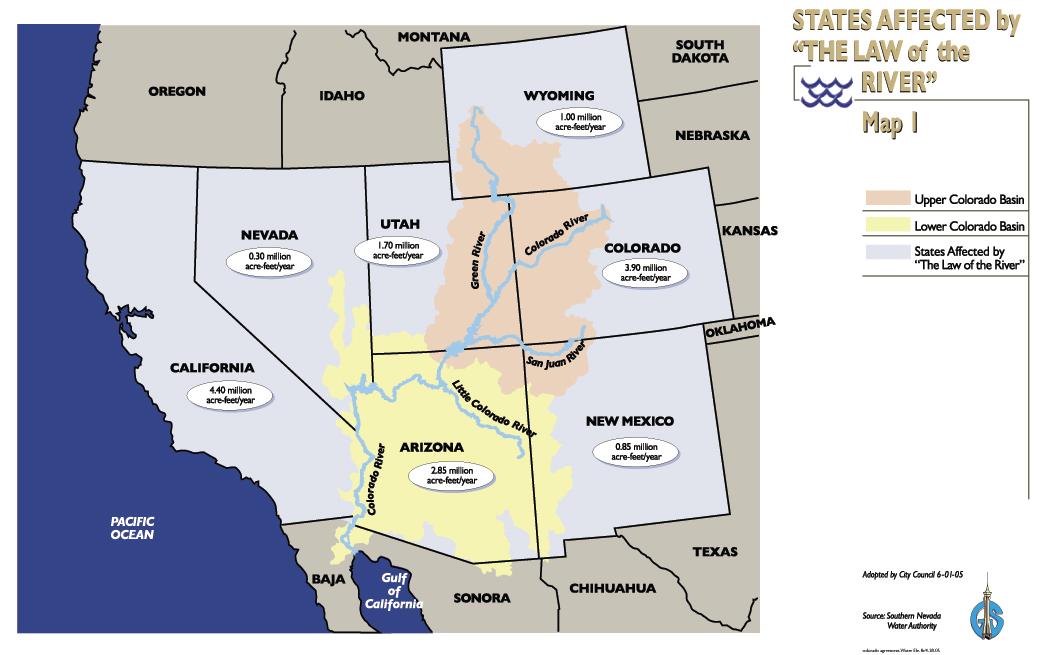
The states the main stem of the Colorado River directly runs through are Colorado, Utah, Arizona, Nevada, and California. These five states offer a unique tapestry of travel experiences, each profoundly shaped by the river’s flow.
Following the Main Stem: Direct Travel Destinations
Embarking on a journey along the Colorado River means traversing a landscape of incredible diversity, from alpine forests to stark desert canyons. Each state the river passes through presents distinct attractions and travel opportunities.
Colorado: The Headwaters State
The Colorado River originates in Rocky Mountain National Park on the La Poudre Pass in north-central Colorado. Here, as a small, gurgling stream, it begins its monumental journey.
- Travel Highlights: Visitors can hike to the river’s source, explore the charming mountain town of Grand Lake, which sits near the headwaters, or experience early stretches of whitewater rafting in areas like Glenwood Canyon. The river flows west through cities like Grand Junction, offering access to the Colorado National Monument and extensive wine country. Fly fishing is a popular activity in the upper reaches, where the clear, cold waters are home to trout.
Utah: Red Rock Canyons and Adventure
As the Colorado River leaves Colorado, it enters Utah, where it dramatically carves through the iconic red rock landscape of the Canyonlands region.
- Travel Highlights: The river’s passage through Utah is synonymous with adventure. The city of Moab serves as a popular base for exploring Arches National Park and Canyonlands National Park, both directly influenced by the river’s geological work. Multi-day rafting trips through Cataract Canyon are legendary for their intense rapids and remote beauty. Lake Powell, a vast reservoir formed by the Glen Canyon Dam, offers boating, houseboating, and access to stunning side canyons like Antelope Canyon (primarily accessed from Page, Arizona, but covering vast areas of southern Utah).
Arizona: Home of the Grand Canyon
Arizona is perhaps the state most famously associated with the Colorado River, as it hosts the unparalleled Grand Canyon National Park.
- Travel Highlights: The Grand Canyon itself is the ultimate testament to the river’s power, offering hiking, mule rides, and some of the world’s most sought-after whitewater rafting expeditions through its depths. Beyond the Grand Canyon, the river forms Lake Mead, the largest reservoir in the U.S., which is impounded by the magnificent Hoover Dam. Page, Arizona, located near Lake Powell and the Glen Canyon Dam, is a gateway to adventures like exploring Antelope Canyon and Horseshoe Bend.
Nevada: Gateway to Desert Oases
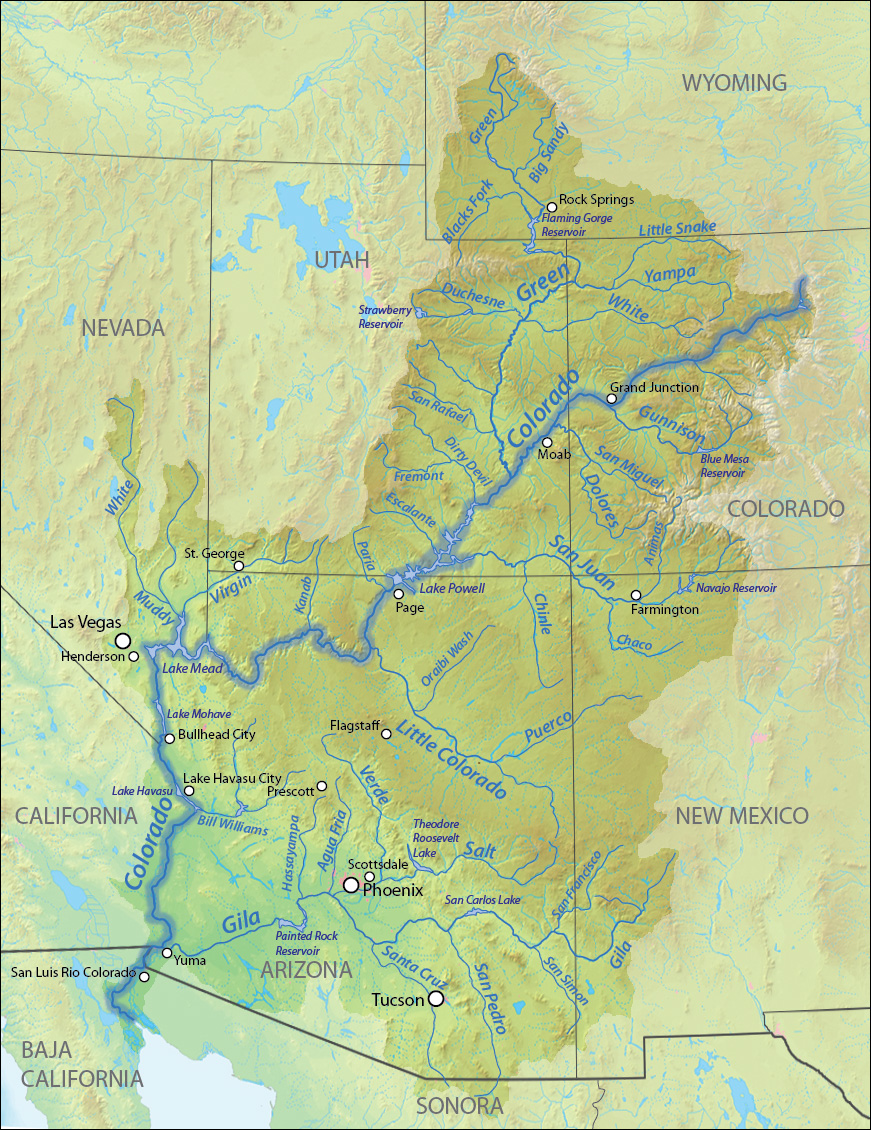
The Colorado River forms the southeastern border of Nevada, prominently featuring Lake Mead and the Hoover Dam.
- Travel Highlights: The Lake Mead National Recreation Area offers a vast playground for water sports, fishing, and hiking, all within a short drive of Las Vegas. The sheer scale of the Hoover Dam is a must-see, with guided tours providing insights into its engineering marvel. Downstream, communities like Laughlin provide a riverfront resort experience, perfect for relaxation, boating, and enjoying the desert scenery.
California: The River’s Final American Stretch
In California, the Colorado River forms the state’s entire southeastern border with Arizona, acting as a vital lifeline for agriculture and communities.
- Travel Highlights: While not as dramatically carved as in Arizona or Utah, the Colorado River in California offers numerous recreational opportunities. Areas like the Parker Strip are popular for boating, jet skiing, and riverside camping. Near the city of Yuma (which spans both Arizona and California), visitors can explore historical sites related to early river travel and the importance of irrigation in the Imperial Valley. The Imperial Dam and All-American Canal are key features, showcasing the river’s critical role in sustaining life and agriculture in this arid region.
The Broader Colorado River Basin: Essential Connections for Travelers
While the main stem flows directly through five states, the broader Colorado River Basin, defined by its tributaries, encompasses seven U.S. states and parts of Mexico. The two additional U.S. states that are part of this vital hydrological system, though not directly traversed by the main river, offer equally compelling travel experiences connected to its network.
Wyoming’s Contribution: Green River Adventures
Wyoming is a significant contributor to the Colorado River system, primarily through the Green River, its largest tributary. The Green River originates in Wyoming and flows south to join the Colorado River in Utah.
- Travel Highlights: The Flaming Gorge National Recreation Area, straddling the Wyoming-Utah border, is a prime destination for fishing, boating, and scenic drives, all powered by the Green River’s waters. This area provides spectacular canyon views and abundant wildlife, offering a different, often wilder, experience of the broader Colorado River ecosystem.
New Mexico and the San Juan River System
New Mexico is also part of the Colorado River Basin, with its northwestern corner contributing to the system via the San Juan River and its tributaries, which eventually flow into the Colorado River in Utah.
- Travel Highlights: Travelers in northwestern New Mexico can explore Navajo Lake State Park, a major reservoir on the San Juan River, offering fishing, boating, and camping. This region, including the Four Corners Monument, provides unique cultural insights into the indigenous communities that have lived along these waters for centuries, alongside opportunities for outdoor recreation.
Planning Your Colorado River Adventure: Cross-State Experiences
Exploring the Colorado River and its basin is a bucket-list experience for many travelers. The opportunities are as vast as the river itself, from adrenaline-pumping whitewater rapids to serene desert landscapes and historical sites.
- Rafting and Kayaking: The river is world-renowned for its rafting. Options range from half-day trips in Colorado and Utah to multi-day, immersive expeditions through the Grand Canyon, Cataract Canyon, or the calmer waters of Black Canyon below the Hoover Dam. Kayaking and stand-up paddleboarding are also popular in calmer sections and reservoirs.
- National Parks and Monuments: The river connects an unparalleled collection of national parks and monuments, including Rocky Mountain, Arches, Canyonlands, and the Grand Canyon. Each offers distinct hiking trails, scenic viewpoints, and interpretive centers.
- Scenic Drives and Road Trips: Plan a road trip that traces the river’s path, taking in sights like Highway 128 near Moab, Arizona’s Highway 89A to the North Rim of the Grand Canyon, or the roads around Lake Mead for stunning vistas.
- Water-Based Recreation: The large reservoirs like Lake Powell and Lake Mead are hubs for houseboating, powerboating, swimming, and fishing. Many marinas offer rentals and guided tours.
- Photography and Stargazing: The dramatic landscapes and clear desert nights provide incredible opportunities for photography and stargazing, particularly within the national parks and more remote areas.
Navigating the Colorado River for Sustainable Travel
Given the critical importance of the Colorado River for both the environment and human populations, sustainable travel practices are paramount. Travelers are encouraged to be mindful of water usage, adhere to Leave No Trace principles in wilderness areas, and respect local communities and cultures. By embracing responsible tourism, visitors can help preserve the beauty and vitality of this magnificent river system for future generations to explore and enjoy. Understanding which states the Colorado River runs through is not just a geographical fact; it’s an invitation to a sprawling, diverse, and deeply impactful travel adventure.
LifeOutOfTheBox is a participant in the Amazon Services LLC Associates Program, an affiliate advertising program designed to provide a means for sites to earn advertising fees by advertising and linking to Amazon.com. Amazon, the Amazon logo, AmazonSupply, and the AmazonSupply logo are trademarks of Amazon.com, Inc. or its affiliates. As an Amazon Associate we earn affiliate commissions from qualifying purchases.