
The Mississippi River is more than just a waterway; it’s a vital artery that has shaped the history, culture, and economy of the United States. Stretching approximately 2,340 miles from its humble beginnings in Minnesota to the vast expanse of the Gulf of Mexico, this majestic river touches the lives and landscapes of ten distinct states. For travelers, adventurers, and those seeking to explore the authentic heartland of America, following the Mississippi offers an unparalleled journey through diverse destinations, rich history, and vibrant local cultures.
Understanding which states the Mississippi River traverses is the first step in planning an unforgettable river-centric adventure. From its northernmost reaches, where pristine wilderness meets bustling urban centers, to its southern delta where rhythms of jazz and Creole flavors fill the air, each state along the Mississippi corridor presents a unique mosaic of experiences. Whether your interest lies in historic landmarks, outdoor recreational activities, world-class dining, or simply finding the perfect hotel or resort to relax, the river’s path through these ten states promises a treasure trove of discoveries.
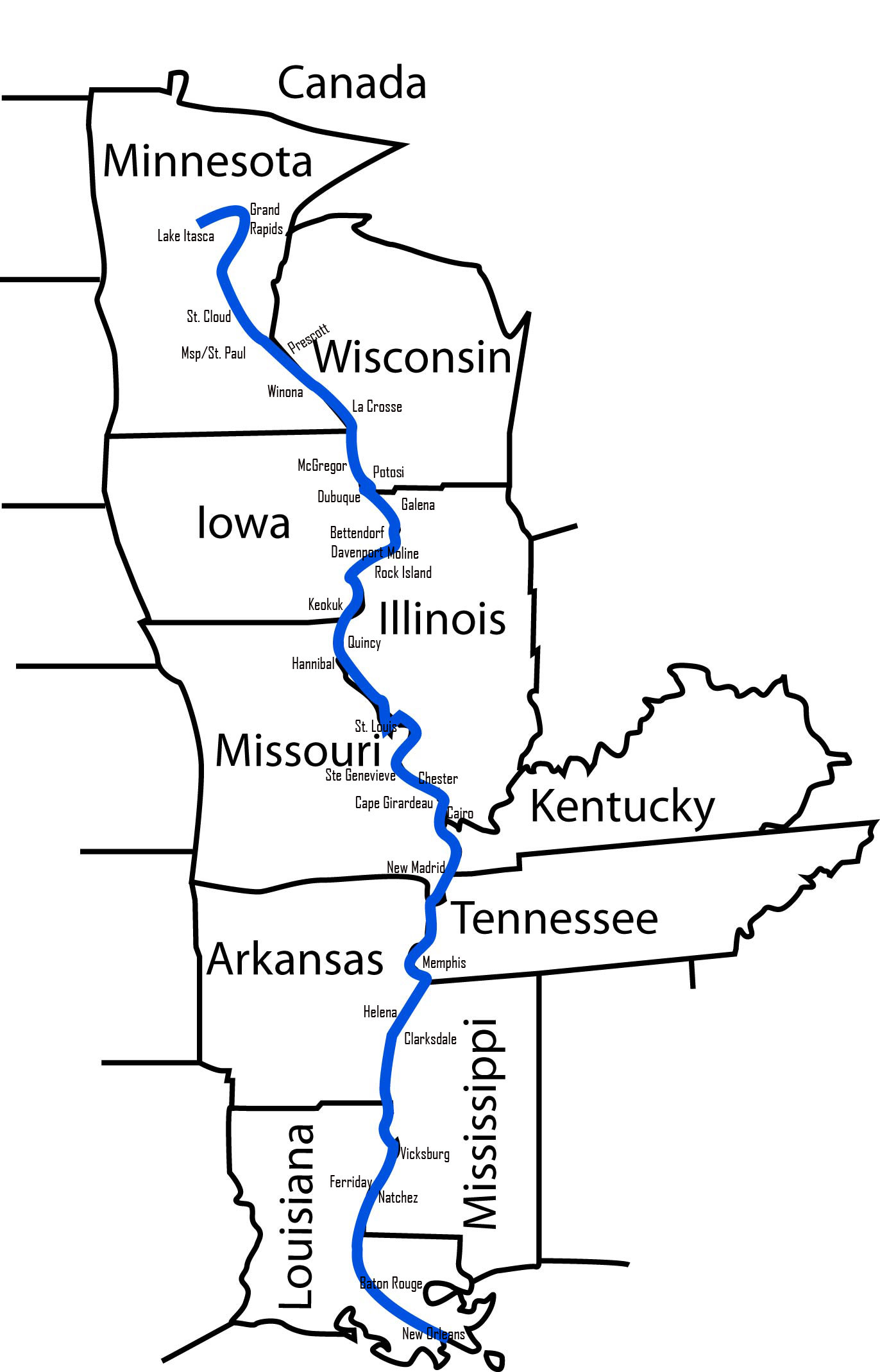
The Upper Mississippi: From Headwaters to the Gateway Arch
The journey of the Mississippi River begins modestly, as a tranquil stream emerging from a single lake. As it gathers strength, it weaves through a series of northern states, transforming from a serene trickle into a formidable waterway, each bend revealing new attractions and opportunities for travelers.
Minnesota: The River’s Humble Beginnings
The official source of the Mississippi River is Lake Itasca in Itasca State Park, Minnesota. This picturesque park offers a chance to literally walk across the river’s nascent point, a truly iconic experience for any visitor. Beyond its origin, the Mississippi flows south, through the heart of Minnesota, carving out a path through forests and eventually reaching the Twin Cities of Minneapolis and St. Paul.
In Minneapolis, the river’s influence is evident in the charming Mill City Museum, built within the ruins of a historic flour mill, offering a fascinating glimpse into the city’s industrial past. The Stone Arch Bridge provides stunning views of the city skyline and the powerful St. Anthony Falls. St. Paul, the state capital, boasts the magnificent Cathedral of Saint Paul and the historic Summit Avenue, lined with impressive Victorian mansions. For accommodation, Minneapolis and St. Paul offer a range of options, from luxury resorts like the Four Seasons Hotel Minneapolis to charming boutique hotels and budget-friendly stays, catering to all lifestyle preferences. Travelers can enjoy everything from vibrant nightlife and diverse culinary scenes to serene riverfront parks and extensive biking trails, making Minnesota a perfect blend of urban excitement and natural beauty.
Wisconsin and Iowa: Scenic Bluffs and River Towns
As the Mississippi River continues its southward journey, it forms the western borders of Wisconsin and Iowa. This stretch is characterized by dramatic limestone bluffs, lush valleys, and charming river towns, making it a prime destination for scenic drives and outdoor adventures. The Great River Road, a designated National Scenic Byway, offers breathtaking vistas and access to numerous attractions in both states.
In Wisconsin, towns like La Crosse invite visitors to explore riverboat cruises, breweries, and the panoramic views from Grandad Bluff. The region is perfect for those seeking an active lifestyle, with opportunities for fishing, boating, and hiking. Across the river in Iowa, Dubuque stands out with its historic architecture, the National Mississippi River Museum & Aquarium, and the unique Fenelon Place Elevator, offering stunning views of the river and three states. Accommodation options in these river towns often include quaint bed and breakfasts, historic inns, and modern hotels like the Hotel Julien Dubuque, providing comfortable bases for exploring the local culture and natural beauty.
Illinois and Missouri: Where History and Culture Converge
The Mississippi River then continues to delineate the border between Illinois and Missouri, a stretch rich in American history and cultural landmarks. This section includes the confluence of the Missouri River with the Mississippi, significantly increasing its volume and power.
On the Illinois side, travelers can delve into ancient history at the Cahokia Mounds State Historic Site, a UNESCO World Heritage site and the largest pre-Columbian settlement north of Mexico. Just across the river, St. Louis, Missouri, marks the midpoint of the Mississippi and serves as a major hub for travel and tourism. The iconic Gateway Arch National Park symbolizes the city’s role as the “Gateway to the West” and offers unparalleled views from its summit. Other attractions include the City Museum, Forest Park (home to the St. Louis Zoo and Art Museum), and a vibrant food scene. Accommodation in St. Louis ranges from luxury hotels like the Four Seasons Hotel St. Louis to numerous mid-range and budget options, ideal for family trips or business stays. Further north in Missouri, the town of Hannibal, childhood home of author Mark Twain, offers a nostalgic look into the inspiration for Tom Sawyer and Huckleberry Finn, with attractions like the Mark Twain Boyhood Home & Museum and riverboat excursions.
The Lower Mississippi: From Heartland to the Gulf
Beyond St. Louis, the Mississippi River truly transforms into the wide, powerful entity often depicted in lore. It winds through the Deep South, carrying with it echoes of blues music, plantation history, and distinct regional flavors, finally culminating in the vibrant delta of Louisiana.
Kentucky and Tennessee: Blues, Brews, and River Views
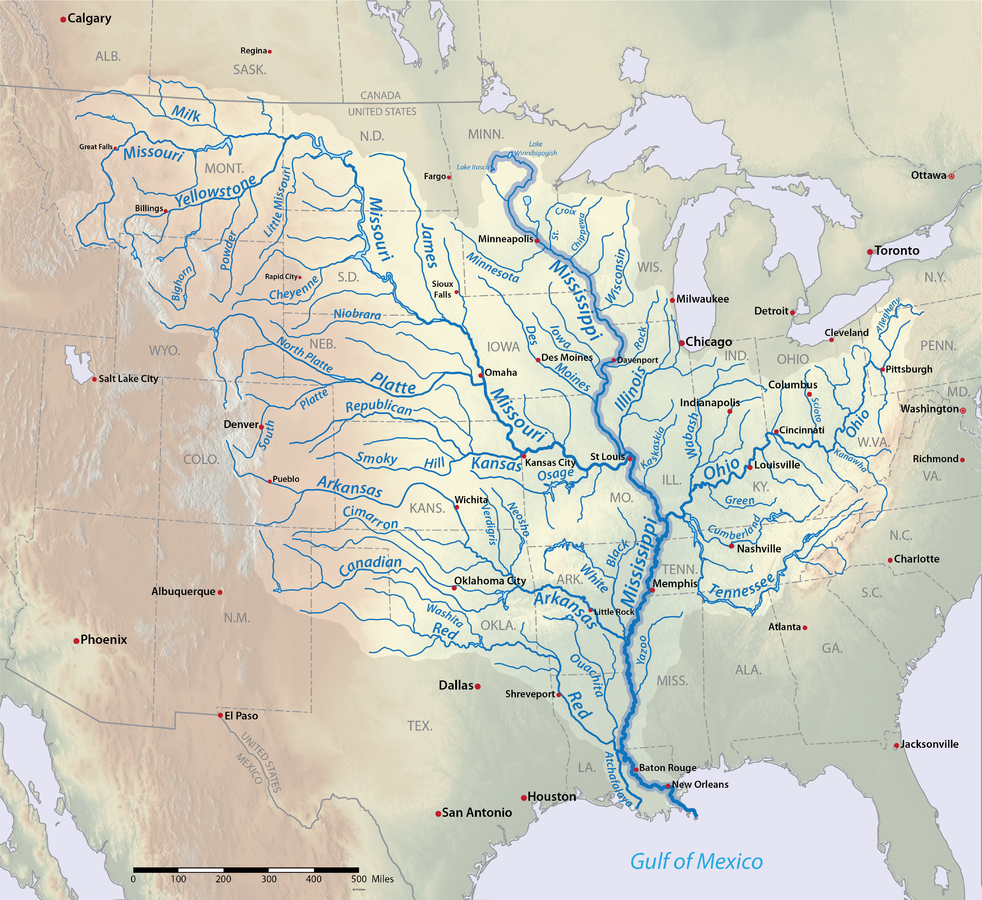
The Mississippi River forms the western border of a small portion of Kentucky and then the entire western border of Tennessee. While its presence here might be geographically brief for Kentucky, it’s significant for Tennessee, particularly with the city of Memphis perched majestically on its banks.
Memphis, Tennessee, is a cultural powerhouse, known globally as the home of the blues and the birthplace of rock ‘n’ roll. Music lovers flock to Graceland, the iconic estate of Elvis Presley, and immerse themselves in the legendary sounds of Beale Street, where live music pours from every club. Beyond music, the National Civil Rights Museum at the Lorraine Motel offers a profound historical experience. Riverboat cruises on the Mississippi are a popular activity, providing unique views of the city skyline. For accommodation, Memphis offers everything from the historic Peabody Memphis with its famous duck march, to modern hotels and charming guesthouses, catering to tourists seeking deep dives into local culture and vibrant nightlife.
Arkansas and Mississippi: Southern Charm and Deep History
Continuing its southward flow, the Mississippi River creates the eastern boundary of Arkansas and then cuts directly through the heart of the state of Mississippi, making it central to its identity. This region is steeped in history, particularly related to the Civil War and the rich, complex narrative of the American South.
In Arkansas, the river’s edge is dotted with fertile farmland and small towns, offering a glimpse into rural Southern life. The city of Helena-West Helena, for example, is famous for its blues heritage and its role in the Delta cultural scene. Crossing into Mississippi, the river meanders past historic plantations and significant Civil War sites. Vicksburg, Mississippi, is home to the crucial Vicksburg National Military Park, commemorating the pivotal siege that turned the tide of the war. Further south, Natchez, Mississippi, captivates visitors with its antebellum mansions, many of which are open for tours and even offer accommodation as historic bed and breakfasts, providing an immersive experience into the region’s past. The nearby Natchez Trace Parkway offers a scenic route through centuries of history. These cities provide a blend of historical tourism, local culinary experiences, and unique accommodation options that transport visitors back in time.
Louisiana: The River’s Grand Finale
Finally, the Mississippi River reaches its ultimate destination, flowing directly through the vibrant state of Louisiana before emptying into the Gulf of Mexico. This is arguably where the river’s influence is most profoundly felt, shaping the unique Creole and Cajun cultures of the state.
The crown jewel of this section is New Orleans, a city unlike any other in the United States. Famous for its vibrant music scene, distinctive architecture, and unparalleled culinary traditions, New Orleans is a premier travel destination. The historic French Quarter with its wrought-iron balconies, the festive spirit of Mardi Gras, and the soulful sounds of jazz emanating from Bourbon Street are just a few of the attractions. Beyond the city, travelers can explore the mysterious bayous and swamps on airboat tours, visit historic plantations along River Road, and savor authentic Cajun and Creole cuisine. New Orleans boasts an incredible array of accommodation, from luxurious resorts like The Roosevelt New Orleans, A Fairmont Hotel to charming boutique hotels in the Garden District and budget-friendly guesthouses. It’s a city that promises a rich lifestyle of celebration, history, and unparalleled hospitality.
Planning Your Mississippi River Journey
Embarking on a journey along the Mississippi River is an adventure of a lifetime, offering a diverse array of experiences tailored to every type of traveler. From exploring historic landmarks to indulging in local food and vibrant cultures, the river provides a natural roadmap for discovery.
Navigating the Great River Road
For those looking to experience the full breadth of the Mississippi River’s influence, driving the Great River Road is an ideal option. This network of state and local roads follows the river through all ten states, marked by distinctive green and white pilot wheel signs. It’s a perfect itinerary for a long-term stay or multiple shorter trips, allowing travelers to customize their pace and explore hidden gems. The road offers numerous scenic overlooks, historical markers, and access points to state parks and charming river towns. Planning a road trip along the Great River Road allows for flexibility, enabling visitors to spend extra time in destinations that pique their interest, whether it’s a national park for hiking, a blues club in Memphis, or a culinary tour in New Orleans.
Accommodation Along the River
The states bordering the Mississippi River offer an incredibly diverse range of accommodation options to suit every budget and lifestyle. In major cities like Minneapolis, St. Louis, Memphis, and New Orleans, you’ll find a wide selection of luxury hotels, resorts with extensive amenities, and reputable hotel chains. For those seeking a more local or historical experience, charming boutique hotels, historic inns, and bed and breakfasts are prevalent in smaller river towns and cities like Natchez and Hannibal. Many accommodations offer unique insights into the local culture, often featuring regional cuisine and architecture. Booking in advance, especially during peak travel seasons or local festivals like Mardi Gras, is always recommended to ensure the best rates and availability. Reviews and comparisons of different types of accommodations can be found readily to help travelers make informed decisions, whether they are looking for a lavish resort experience or a cozy, budget-friendly stay.

Immersive Experiences and Local Tourism
Beyond driving and finding a place to stay, the true magic of the Mississippi River lies in its immersive experiences. Riverboat tours, ranging from short sightseeing cruises to multi-day paddlewheeler journeys, offer a unique perspective of the landscape and a taste of historical travel. Culinary tourism is a highlight, with each state offering its distinct flavors – from Minnesota’s Scandinavian influences to Louisiana’s spicy Creole and Cajun dishes. Visitors can partake in cooking classes, food tours, and explore local farmers’ markets.
Cultural activities abound, including visits to numerous historical sites, museums, and natural landmarks. Travelers can explore the history of jazz and blues, delve into Civil War narratives, or discover the ancient civilizations that once thrived along the river. Outdoor enthusiasts will find endless opportunities for kayaking, fishing, birdwatching, and hiking in the many state parks and wildlife refuges. Attending local festivals and events provides an authentic glimpse into the vibrant communities that call the Mississippi River home, enriching any travel experience with genuine local culture and unforgettable memories.
In conclusion, the Mississippi River is a magnificent thread weaving through ten diverse states: Minnesota, Wisconsin, Iowa, Illinois, Missouri, Kentucky, Tennessee, Arkansas, Mississippi, and Louisiana. Each state offers a unique tapestry of travel destinations, from natural wonders and historical landmarks to bustling urban attractions and tranquil river towns. Planning a trip along this iconic waterway provides an unparalleled opportunity to explore the heart and soul of America, promising a rich blend of history, culture, and adventure for every type of traveler.
LifeOutOfTheBox is a participant in the Amazon Services LLC Associates Program, an affiliate advertising program designed to provide a means for sites to earn advertising fees by advertising and linking to Amazon.com. Amazon, the Amazon logo, AmazonSupply, and the AmazonSupply logo are trademarks of Amazon.com, Inc. or its affiliates. As an Amazon Associate we earn affiliate commissions from qualifying purchases.