
The Mississippi River is more than just a waterway; it is a foundational landmark, a natural artery that has shaped the geography, history, and culture of the United States. Stretching over 2,300 miles from its humble beginnings in northern Minnesota to its expansive delta on the Gulf of Mexico, this majestic river touches the borders or flows directly through ten distinct U.S. states. Its journey is a testament to the diverse landscapes of North America, an ever-present force that has profoundly influenced everything from geological formations to the development of major cities. Understanding the states it traverses offers a deep insight into the river’s monumental scale and its enduring impact as a natural wonder.
The Mighty Mississippi: A Geographic Overview
The Mississippi River is the second-longest river in North America and one of the world’s major river systems in terms of size, habitat diversity, and economic significance. Its sheer scale makes it an unparalleled natural landmark, drawing visitors and scholars alike to explore its various facets.
From Source to Sea: The River’s Epic Journey
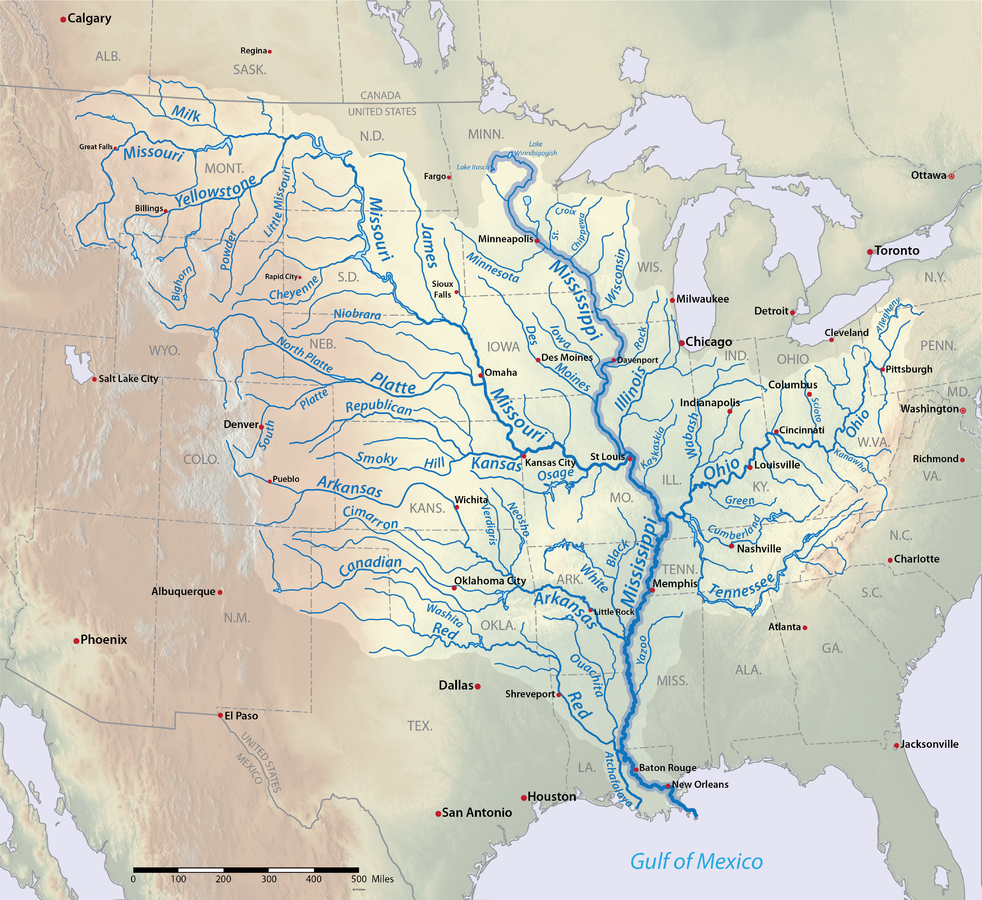
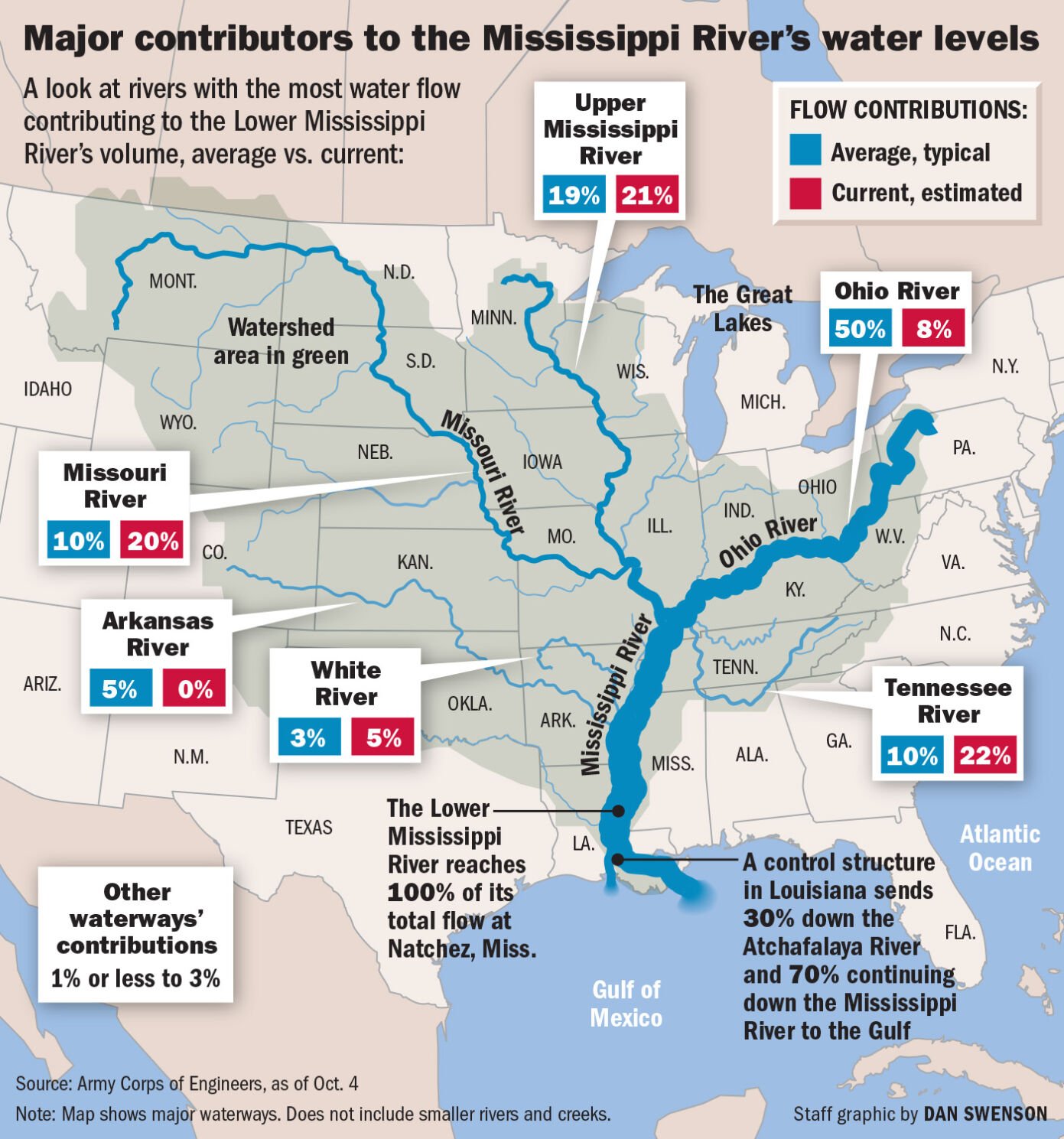
The odyssey of the Mississippi River commences at Lake Itasca, a small, pristine lake nestled within Itasca State Park in northern Minnesota. Here, the river begins as a modest stream, barely wide enough to step across, before gradually gathering momentum and volume as it flows southward. It is joined by hundreds of tributaries, with the most significant being the Missouri River and the Ohio River, which dramatically increase its size and power.
The river’s vast drainage basin encompasses more than 1.2 million square miles, covering all or parts of 31 U.S. states and two Canadian provinces. This immense watershed is a defining characteristic, illustrating the river’s influence far beyond its immediate banks. As it progresses, the river transforms from a narrow, winding stream into a colossal waterway, shaping the very land it flows through and creating a tapestry of diverse ecosystems.
The Upper Mississippi River
The segment of the river stretching from its source in Minnesota down to the confluence with the Ohio River near Cairo, Illinois, is known as the Upper Mississippi River. This section is characterized by its scenic bluffs, verdant forests, and a series of locks and dams that facilitate navigation and maintain water levels. It is a region where the river feels more contained, often flanked by dramatic limestone cliffs and rich woodlands. The landscape here is dynamic, supporting a wide array of wildlife and offering breathtaking vistas that underscore its natural landmark status.
The Lower Mississippi River
South of Cairo, where the Ohio River pours its significant volume into the Mississippi, the river transforms once more, becoming the Lower Mississippi River. Here, the river broadens considerably, carving out a vast floodplain that can extend for miles on either side. The terrain becomes flatter, the current more powerful, and the river’s course marked by a constant shifting of sediment, leading to the formation of sandbars, oxbow lakes, and the intricate Mississippi Delta at its mouth. This lower stretch is a testament to the river’s raw power and its continuous geological work, dramatically changing the landscape as it delivers its immense flow to the Gulf of Mexico.
The Ten States of the Mississippi River
The Mississippi River interacts with ten distinct states, forming their borders or carving a path directly through their heartlands. Each state offers a unique perspective on this monumental natural landmark.
Northern States: Where the Journey Begins
The initial states along the Mississippi’s path are defined by the river’s formative years, where it grows from a nascent stream into a navigable waterway.
- Minnesota: The birthplace of the Mississippi. From Lake Itasca, the river winds through dense forests, past numerous small towns, and through the twin cities of Minneapolis and St. Paul. Here, the river’s natural beauty is paramount, with parks, trails, and scenic overlooks celebrating its origin.
- Wisconsin: Forming much of Wisconsin’s western border, the Mississippi creates a dramatic landscape of bluffs and backwaters. Cities like La Crosse are intimately tied to the river, showcasing its role in trade and recreation.
- Iowa: The river defines Iowa’s entire eastern boundary. River towns such as Dubuque and Davenport boast rich histories as bustling port cities, with industries and communities flourishing along its banks.
- Illinois: Illinois shares a significant portion of its western border with the Mississippi. From the Quad Cities area, including Rock Island, down to Quincy and Alton, the river is a vital corridor. It is at Cairo, Illinois, that the mighty Ohio River merges, marking a dramatic increase in the Mississippi’s volume and character.
- Missouri: The Mississippi River forms Missouri’s entire eastern border, serving as a historic gateway for westward expansion. St. Louis, dominated by the iconic Gateway Arch, stands as a monumental city built on the river’s commerce and strategic importance.

Southern States: Heading Towards the Gulf
As the Mississippi flows south of its confluence with the Ohio, it assumes its iconic role as the quintessential Southern river, carving through agricultural heartlands and culturally rich regions.
- Kentucky: Though it only touches Kentucky’s westernmost edge, the river has a profound impact on towns like Paducah, which has historically benefited from its position near the confluence with the Ohio River.
- Tennessee: The western boundary of Tennessee is defined by the Mississippi, and no city embodies this connection more than Memphis. As a historic river port, Memphis flourished on the cotton trade and remains a vital logistical hub.
- Arkansas: The Mississippi River forms Arkansas’ eastern border, giving rise to fertile agricultural lands known as the Arkansas Delta. Towns such as West Memphis and Helena-West Helena illustrate the deep connection between the river and rural Southern life.
- Mississippi: The state itself is named after the river, which forms its entire western boundary. This stretch is iconic, with historic cities like Vicksburg and Natchez perched on bluffs, their histories inextricably linked to antebellum river trade and Civil War battles.
- Louisiana: Unlike the other states, the Mississippi River flows through Louisiana rather than merely bordering it. It carves a path through the state, creating vast wetlands and the intricate Mississippi Delta before finally emptying into the Gulf of Mexico. Baton Rouge and New Orleans, the latter a city uniquely shaped by its levee system, are testaments to the river’s powerful and sometimes precarious presence.
Ecological and Cultural Significance as a Landmark
The Mississippi River is not merely a geographical feature; it is a dynamic landmark pulsating with life and history, reflecting centuries of interaction between nature and human civilization.
A Lifeline for Biodiversity
As a natural landmark, the Mississippi River and its floodplain comprise one of the most significant ecological corridors in the world. It is a critical habitat for an astonishing array of flora and fauna, including over 260 species of fish, 50 species of mammals, and a vast number of reptiles, amphibians, and mussels. The river serves as a major migratory bird flyway, the Mississippi Flyway, with countless species stopping along its banks during their annual migrations. The ecological health of the river is vital for the biodiversity of the entire continent, underscoring its importance as a living landmark. Conservation efforts along its course highlight the collective understanding of its irreplaceable natural value.
A Historical and Cultural Artery
From ancient Native American civilizations that thrived along its fertile banks for millennia to the European explorers who charted its course, the Mississippi River has been a central stage for human history in North America. It facilitated the exploration and settlement of the continent, acting as a natural highway for trade, communication, and migration.
The river was the lifeblood of the early American economy, with steamboats carrying cotton, timber, and goods between burgeoning river towns. This era, immortalized by authors like Mark Twain, solidified the river’s place in the American imagination. The diverse cultures of the states it touches—from the agricultural traditions of the Midwest to the vibrant Cajun and Creole heritage of Louisiana—are all intrinsically linked to the river’s influence. Its blues and jazz music, distinctive culinary traditions, and unique architecture are all part of the vast cultural landscape nourished by the Mississippi.
Experiencing the Mississippi Today: A Journey Through America’s Heartland
Today, the Mississippi River remains a vital landmark, offering myriad ways for people to connect with its power, history, and beauty.
Iconic River Towns and Cities
Along its path, the Mississippi River is bordered by cities that stand as monuments to its enduring influence. St. Louis, with its iconic Gateway Arch, symbolizes the westward expansion fueled by the river. Memphis resonates with the echoes of blues music born from the river’s delta region, while New Orleans pulsates with its unique blend of cultures, its very existence a testament to engineering prowess in taming the mighty river. These cities, and countless smaller towns, invite exploration into a rich historical narrative defined by the river.
Recreational Opportunities
The Mississippi River offers a wealth of recreational opportunities for those seeking to engage with this natural landmark. Boating, fishing, and kayaking are popular activities, allowing visitors to experience the river’s vastness firsthand. Scenic drives along the Great River Road, a national scenic byway, provide unparalleled views of the river and its diverse landscapes. Numerous state and national parks, wildlife refuges, and historical sites dot its banks, offering opportunities for hiking, birdwatching, and delving into the river’s past. From the tranquil headwaters in Minnesota to the vibrant delta in Louisiana, the river invites immersion, revealing itself as an accessible and ever-changing landmark.
In conclusion, the Mississippi River is far more than a line on a map; it is a living, breathing landmark that binds together ten diverse states, shaping their geography, influencing their ecosystems, and weaving itself into the very fabric of American identity. From its source in Minnesota to its delta in Louisiana, its journey is a grand narrative of nature’s power and humanity’s continuous interaction with it, making it an indispensable natural wonder of the United States.
LifeOutOfTheBox is a participant in the Amazon Services LLC Associates Program, an affiliate advertising program designed to provide a means for sites to earn advertising fees by advertising and linking to Amazon.com. Amazon, the Amazon logo, AmazonSupply, and the AmazonSupply logo are trademarks of Amazon.com, Inc. or its affiliates. As an Amazon Associate we earn affiliate commissions from qualifying purchases.