
For many, the mention of Texas conjures images of vast landscapes, a vibrant cultural scene, and a booming economy. Yet, beyond its iconic landmarks and rich history, the Lone Star State holds a distinctive appeal that significantly impacts both its residents and visitors: its unique tax structure. Unlike the majority of U.S. states, Texas proudly stands as one of the few that does not levy a state income tax on its residents’ earnings. This fundamental difference in taxation creates a ripple effect across its economy, influencing everything from the cost of living and doing business to the funding of public services and the overall tourism landscape.

The absence of a state income tax is more than just a fiscal policy; it’s a cornerstone of the Texas lifestyle and a major draw for individuals and corporations alike. It means that, after federal taxes, a larger portion of one’s paycheck remains in their pocket, potentially leading to greater disposable income for consumer spending, savings, or investment. This has profound implications for anyone considering relocating to the state, and even subtly shapes the experiences of travelers as they engage with its thriving cities and diverse destinations.
The Lone Star State’s Distinctive Tax Landscape: No State Income Tax
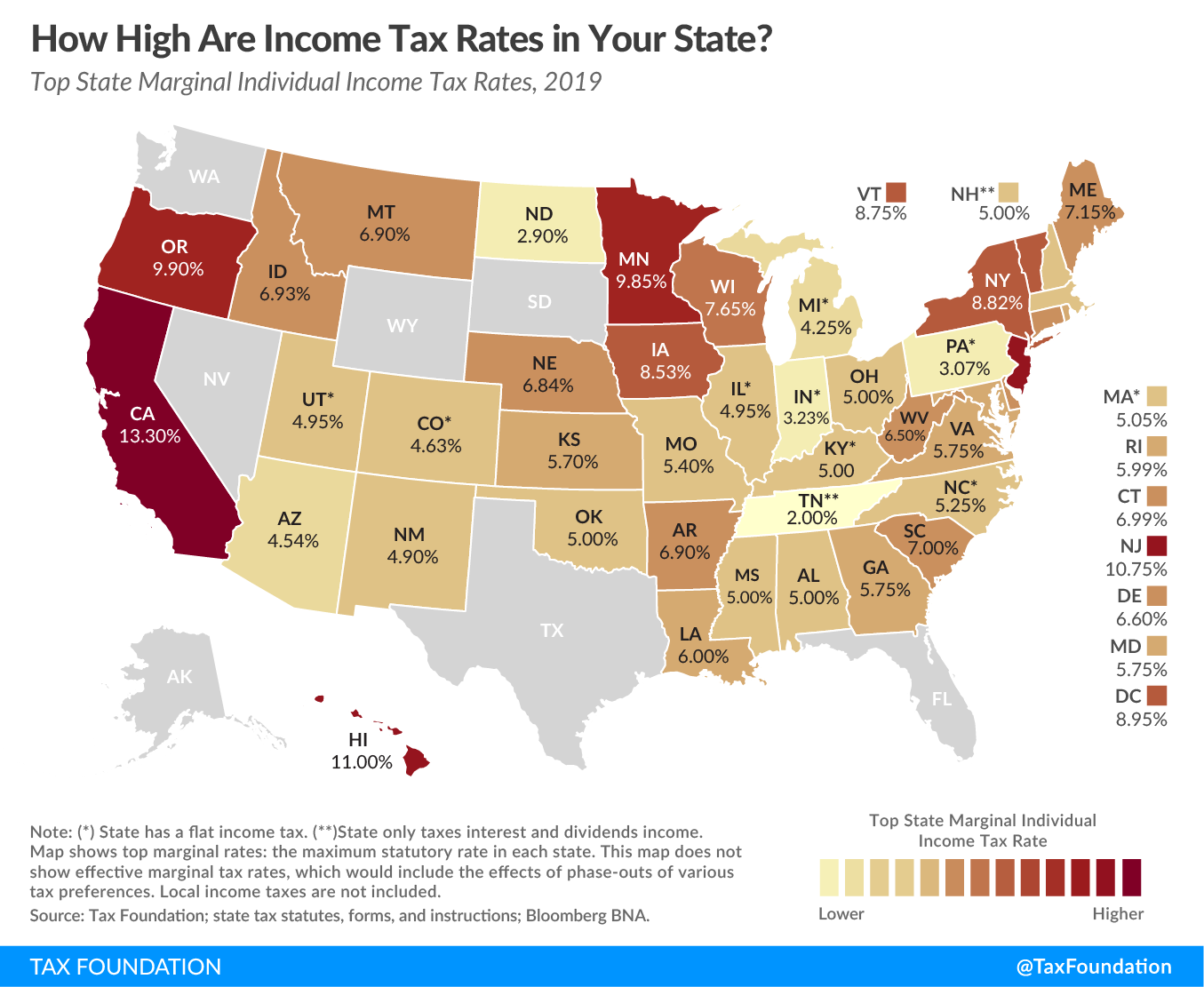
The most significant and defining characteristic of the Texas tax system is the complete absence of a state personal income tax. This policy choice sets it apart from 41 other U.S. states and has been a driving force behind its remarkable population and economic growth over the past few decades. For individuals, this directly translates to a higher net income, as their wages, salaries, and investment earnings are not subject to an additional layer of state-level taxation. This financial advantage can significantly enhance one’s lifestyle, allowing for greater flexibility in personal budgeting, whether it’s for purchasing a home, funding education, or enjoying the myriad attractions and experiences that Texas has to offer.
A Magnet for Residents and Businesses: The Appeal of No State Income Tax
The allure of no state income tax extends far beyond individual residents; it plays a crucial role in attracting and retaining businesses. Companies looking to expand or relocate often consider the overall tax burden, and the absence of a state income tax on their employees’ wages makes Texas a highly competitive location. This favorable economic environment fosters robust job creation, fuels innovation, and encourages investment across various sectors, from energy and aerospace to technology and healthcare. The influx of businesses, in turn, contributes to a thriving job market and a diverse economic base, which further enhances the state’s attractiveness.
For instance, major tech companies and innovative startups have increasingly chosen cities like Austin, often dubbed “Silicon Hills,” as their base, drawn by the promise of a skilled workforce and a tax-friendly climate. This economic dynamism spills over into the tourism and accommodation sectors. As more people move to Texas for work, the demand for housing, hotels, and local services grows, leading to the development of new resorts, apartments, and villas to cater to the expanding population and burgeoning business travel. The state’s economic prosperity, partially fueled by its tax policy, allows for greater investment in infrastructure, cultural institutions, and recreational facilities, enriching the lives of residents and enhancing the visitor experience.
Funding Public Services: The Role of Sales and Property Taxes
While Texas foregoes state income tax, it must still fund its extensive public services, including education, infrastructure, healthcare, and public safety. To compensate for the lack of this significant revenue stream, the state relies heavily on two other primary forms of taxation: sales tax and property tax. Understanding how these taxes operate is crucial for anyone living in or visiting Texas, as they directly impact the cost of goods, services, and accommodation.
Navigating the Texas Sales Tax
The state of Texas imposes a general sales tax on most goods and services purchased within its borders. The statewide rate is 6.25%. However, cities, counties, and special-purpose districts can levy additional local sales taxes, bringing the combined rate up to a maximum of 8.25% in many areas, including major metropolitan hubs like Houston, Dallas, San Antonio, and Austin.
For travelers, this means that purchases ranging from souvenirs and clothing to restaurant meals and entertainment tickets will include a sales tax. While a single purchase might not seem significant, these taxes can add up over the course of a trip, especially for those indulging in shopping sprees or frequenting dining establishments. Essential items like most groceries (unprepared food) and prescription medications are generally exempt from sales tax, which helps mitigate the impact on daily living costs for residents. However, prepared food from restaurants or convenience stores is taxable.
For businesses in the tourism sector, particularly hotels, resorts, and attractions, collecting and remitting sales tax is a significant part of their operational responsibilities. Hotel occupancy taxes (HOT) are also a critical component here. In addition to the standard sales tax, most cities and counties in Texas impose a local HOT on hotel stays. These funds are often earmarked specifically for funding local tourism promotion, convention centers, and other visitor-related initiatives, directly benefiting the local tourism economy and enhancing travel experiences.
Understanding Property Taxes in Texas
Perhaps the most significant financial consideration for residents in Texas, and indirectly for the cost of accommodation, are property taxes. Unlike sales tax, which is primarily a state and local revenue source for general purposes, property taxes are levied exclusively at the local level. These taxes are imposed by various local governmental entities, including counties, cities, school districts, community colleges, and special districts (such as hospital districts or utility districts). Each of these entities sets its own tax rate, which is applied to the appraised value of real property (land and buildings).
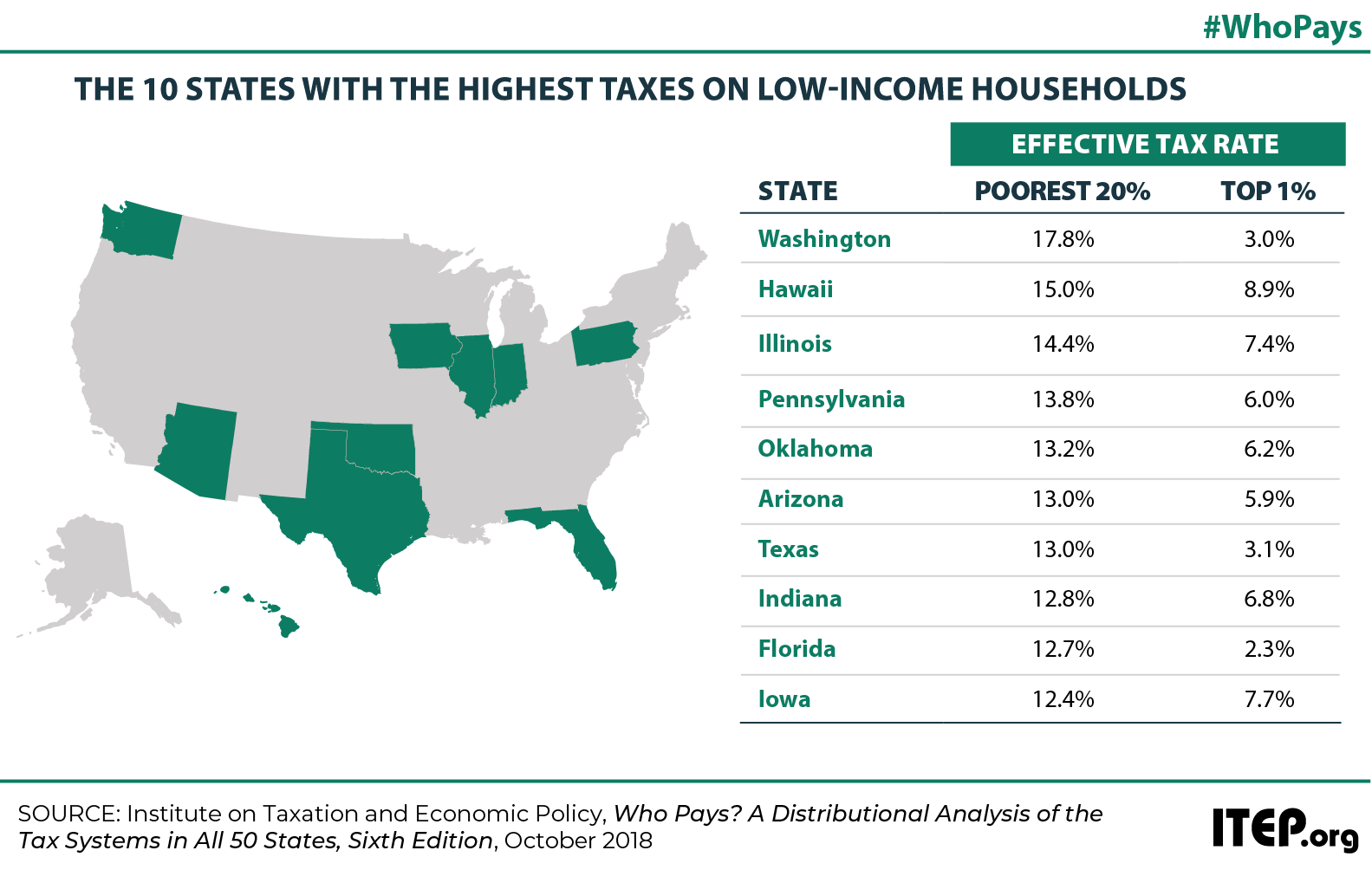
While Texas does not have a state income tax, its property tax rates are generally considered to be among the highest in the United States. This is a direct consequence of the reliance on property taxes to fund critical services, particularly public education. For homeowners, this means a substantial annual tax bill, which can vary significantly depending on the value of their property and its location. Property values in rapidly growing metropolitan areas like Austin, Dallas, Houston, and San Antonio have seen considerable appreciation, leading to higher property tax assessments.
For the hospitality sector, property taxes represent a major operational expense for hotels, resorts, and other commercial accommodation providers. These costs are inevitably factored into the pricing of rooms and suites. Similarly, for renters, property taxes indirectly influence rental rates, as landlords pass on a portion of their tax burden to tenants. Therefore, while visitors might not directly pay property taxes, they are a hidden component of the overall cost of their stay in Texas, affecting everything from hotel prices to the cost of local services.
Beyond Income Tax: Other Noteworthy Taxes and Economic Drivers
While sales and property taxes shoulder the primary burden of revenue generation in Texas, other taxes and economic factors also contribute to the state’s fiscal health and overall prosperity. These elements collectively shape the economic environment that supports a vibrant tourism industry and a dynamic lifestyle.
Franchise Tax for Businesses
In lieu of a corporate income tax, Texas levies a “franchise tax” on most businesses operating within the state, including corporations, limited liability companies (LLCs), and partnerships. This tax is typically based on the business’s margin, which is calculated as total revenue minus certain deductions (such as cost of goods sold or compensation). The franchise tax ensures that businesses contribute to the state’s general revenue fund, helping to support public services and infrastructure that benefit all. This tax structure, combined with the lack of personal income tax, is designed to create an attractive environment for businesses, encouraging growth and investment, which in turn fuels economic activity and job creation. A robust business sector translates into more options for business travel and a higher standard of living, indirectly bolstering the leisure tourism market.
Fuel Taxes and Other Excise Taxes
Like all states, Texas imposes excise taxes on specific goods and services. A notable example is the fuel tax, levied on gasoline and diesel. Revenue from fuel taxes is primarily dedicated to funding transportation projects, including the maintenance and construction of highways, roads, and bridges. For travelers exploring the vast expanses of Texas, from the bustling streets of Houston to the scenic routes leading to Big Bend National Park, well-maintained infrastructure is paramount. These taxes ensure smooth and accessible travel across the state, facilitating journeys to landmarks, attractions, and remote destinations. Other excise taxes apply to items such as tobacco products, alcoholic beverages, and certain utilities, further contributing to the state’s revenue streams.
The Economic Landscape and Its Impact on Tourism
The unique tax environment in Texas has undeniably fostered a powerful and resilient economy. The absence of state income tax, coupled with a business-friendly regulatory framework, has attracted a continuous influx of capital, talent, and innovation. Texas boasts a diverse economic portfolio, with leading industries in energy, technology, aerospace, healthcare, manufacturing, and agriculture. This economic strength translates into higher employment rates, increased disposable income, and a strong consumer base, all of which are vital for a thriving tourism industry.
A prosperous economy enables greater investment in leisure and hospitality infrastructure. This includes the development of world-class hotels, luxury resorts, state-of-the-art convention centers, and a wide array of cultural venues and attractions. For instance, cities like Dallas have seen massive investments in their downtown districts, creating vibrant arts scenes and sophisticated dining options that draw visitors. Houston’s prominence in the energy and space industries (home to the NASA Johnson Space Center) attracts numerous business travelers, who often extend their stays for leisure or bring their families along for family trips. This robust economic foundation ensures that Texas remains an exciting and evolving place to visit, with continuous enhancements to its public spaces, cultural institutions, and recreational opportunities.
Texas for Travelers: What to Expect
For those planning a trip to the Lone Star State, understanding the tax structure can help in budgeting and appreciating the local economic landscape. While you won’t be paying state income tax, other taxes will certainly be a part of your travel experience.
Budgeting for Your Texas Adventure
When setting your budget for a Texas adventure, the primary taxes to consider will be sales tax and hotel occupancy tax. The combined sales tax rate (state and local) can be up to 8.25% in many areas, meaning that every purchase from a souvenir cowboy hat to a delicious BBQ meal will have this added percentage. If you’re planning on a shopping spree in Houston’s Galleria or picking up unique artisan crafts in Austin, factor this into your spending.
Accommodation costs will also be affected by hotel occupancy taxes. These local taxes are added on top of the base room rate and the general sales tax. The exact percentage varies by city and county but can often add a significant amount to your total bill, especially for longer stays or luxury travel. For example, a night at a Grand Hyatt Hotel in Dallas or a boutique hotel in San Antonio will include these taxes. It’s always a good idea to check the specific tax rates for your chosen destination when booking hotels or resorts to get an accurate estimate of your total expense. When comparing accommodation options, remember that the listed price often excludes these taxes, so always look for the final price at checkout.
Beyond these direct taxes, the general cost of living in Texas can also influence travel expenses. While the absence of income tax generally keeps things more affordable for residents compared to high-income-tax states, the rapid growth in major cities has led to increasing prices for certain goods and services, particularly in popular tourist areas. Food and dining, local activities, and rental cars will all have their specific price points, but the state’s tax structure certainly plays a role in the broader economic environment that shapes these costs.
Exploring Texas’s Diverse Destinations
The lack of a state income tax has been instrumental in fostering a robust economy that, in turn, supports the development and maintenance of Texas’s diverse destinations. From the historic sites of San Antonio, including The Alamo and its picturesque River Walk, to the live music scene and vibrant culture of Austin, and the world-class museums and shopping in Houston and Dallas, the state offers a wide array of experiences.
The economic stability and growth encouraged by the tax policy allow for continuous investment in tourism infrastructure. This includes not only modern hotels and resorts with top-notch amenities but also improvements to national parks like Big Bend National Park and state parks that showcase Texas’s natural beauty. The vibrant economy also supports a rich tapestry of local culture, from burgeoning food scenes to numerous festivals and events throughout the year, offering unique insights into the “local culture” that many travelers seek. Whether you’re interested in history, nature, architecture, or simply enjoying a bustling urban environment, Texas offers something for every type of visitor. The state’s financial strength helps to ensure these attractions are well-maintained and continuously enhanced, providing memorable experiences for all who venture to explore its vast and varied landscape.
In conclusion, the answer to “What tax does Texas not have?” is unequivocally a state income tax. This absence fundamentally shapes the state’s economic identity, drawing residents and businesses and fostering an environment of growth and opportunity. While property and sales taxes, along with various excise taxes, compensate for this revenue gap, they collectively create a distinct fiscal landscape. For both long-term residents and temporary travelers, understanding this tax structure offers valuable insights into the Texas lifestyle, the cost of goods and accommodation, and the vibrant economy that continues to drive investment in its remarkable destinations and attractions. Your journey through Texas is not just a travel adventure; it’s an encounter with a unique economic model that powers one of the most dynamic states in the U.S.
LifeOutOfTheBox is a participant in the Amazon Services LLC Associates Program, an affiliate advertising program designed to provide a means for sites to earn advertising fees by advertising and linking to Amazon.com. Amazon, the Amazon logo, AmazonSupply, and the AmazonSupply logo are trademarks of Amazon.com, Inc. or its affiliates. As an Amazon Associate we earn affiliate commissions from qualifying purchases.