
Florida has long been lauded as a haven for those seeking a particular lifestyle, often characterized by sun-drenched beaches, vibrant communities, and a favorable financial climate. Central to this allure is the state’s distinctive tax structure, which deliberately omits several levies common in many other parts of the United States. Understanding these absences is crucial for anyone considering relocation, long-term stays, or simply planning their financial future within the Sunshine State. This unique approach to taxation significantly influences the cost of living, investment opportunities, and overall quality of life, fostering a lifestyle that prioritizes economic freedom for its residents and those who choose to call it home, even if temporarily.
The Sunshine State’s Favorable Fiscal Landscape
Florida’s reputation as a tax-friendly state is not merely anecdotal; it’s a deliberate policy choice that shapes its demographic and economic landscape. The state government has strategically opted out of several major tax categories, aiming to stimulate economic growth, attract businesses, and appeal to individuals seeking to maximize their disposable income and preserve their wealth. This fiscal philosophy contributes to a lifestyle where financial planning can be less burdensome in certain respects, allowing for greater allocation of resources towards personal interests, investments, or simply enjoying the myriad experiences Florida offers. From the bustling metropolitan areas of Miami and Orlando to the tranquil Gulf Coast communities, the underlying tax benefits create a common thread of financial advantage across diverse Florida lifestyles.
No State Income Tax: A Cornerstone of Florida Living
Perhaps the most significant and widely recognized tax advantage in Florida is the complete absence of a state income tax. Unlike most states, Florida does not levy taxes on an individual’s wages, salaries, investment income, or retirement benefits. This policy has profound implications for a wide range of individuals and families, directly boosting take-home pay and significantly impacting personal financial planning. For many, this single factor is enough to cement Florida’s appeal as a premier destination for a financially optimized lifestyle.
Impact on Working Professionals and Entrepreneurs
For working professionals, the absence of state income tax means a higher net income from their earnings, translating directly into more disposable income. This can significantly enhance purchasing power, investment capacity, or simply allow for a more comfortable daily lifestyle. Entrepreneurs and business owners also find Florida particularly appealing. With no state income tax, the profits generated by sole proprietorships, partnerships, and S corporations are not subject to an additional layer of state taxation at the individual level. This creates a more favorable environment for business growth, fostering innovation and attracting a diverse range of industries and skilled labor. The appeal is especially strong for remote workers and digital nomads who can choose their residency based on quality of life and financial incentives, finding Florida a highly competitive option. This translates into a lifestyle where career opportunities can be pursued without the significant drain of state income taxes on one’s earnings.
A Haven for Retirees
The absence of state income tax is arguably even more impactful for retirees. Many individuals choose to spend their golden years in Florida precisely because it allows them to maximize their retirement income. Pensions, Social Security benefits, 401(k) and IRA distributions, and other forms of retirement income are not taxed by the state. This means that every dollar earned or saved for retirement goes further, providing a higher standard of living or allowing for greater allocation towards healthcare, travel, or leisure activities. This financial freedom is a major draw for the significant retiree population across cities like Sarasota, Naples, and The Villages, shaping a distinct lifestyle focused on comfort, security, and enjoyment without the burden of state income tax diminishing their fixed incomes.
Exemptions and Advantages Beyond Income
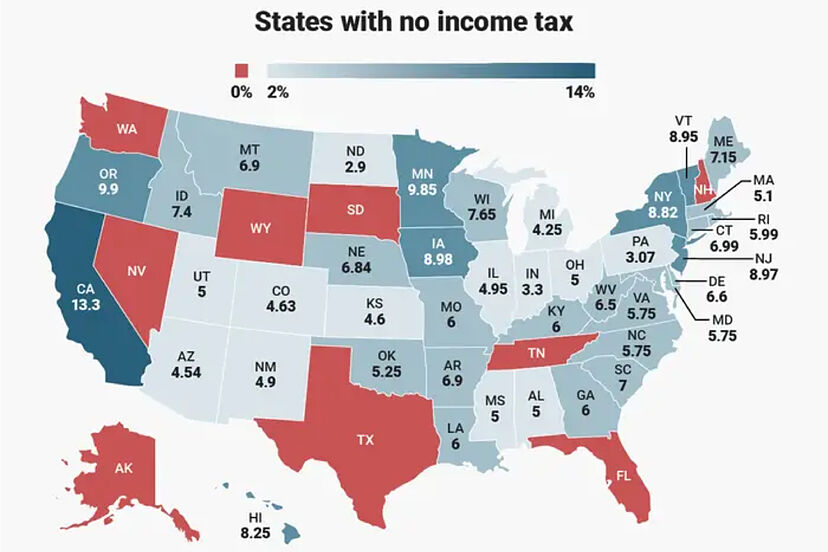
While the absence of state income tax is prominent, Florida’s tax-friendly environment extends to other critical areas of personal finance and wealth management. These additional exemptions further solidify the state’s reputation as a prime location for individuals and families looking to strategically manage their assets and plan for future generations.
No State Estate or Inheritance Tax
Florida does not impose a state-level estate tax (often referred to as a “death tax”) or an inheritance tax. This is a significant advantage for wealth preservation and transfer. While federal estate taxes may still apply to very large estates, Floridians do not face an additional state levy on assets passed down to heirs. This policy provides considerable peace of mind for individuals engaged in estate planning, ensuring that their accumulated wealth can be transferred to their beneficiaries with fewer state-imposed deductions. For affluent individuals and families, this tax policy plays a critical role in shaping their legacy and allowing for the seamless transfer of assets, fostering a lifestyle of generational wealth building within the state. It allows families to retain more of their inheritance, supporting a long-term familial financial lifestyle.
Intangible Personal Property Tax: A Relic of the Past
For many years, Florida levied an intangible personal property tax on certain financial assets, such as stocks, bonds, and mutual funds. However, this tax was completely eliminated in 2007. Its abolition further streamlined Florida’s tax code and removed a significant burden on investors and those with substantial financial portfolios. This move reinforced the state’s commitment to creating an attractive environment for capital and wealth, further enhancing the financial lifestyle for residents who manage diverse investment portfolios. The removal of this tax means investors can realize higher effective returns on their investments, contributing to a more prosperous personal and familial lifestyle.
Understanding the Overall Tax Environment and Lifestyle Choices
While Florida boasts a highly favorable tax structure in several key areas, it is essential to understand that the state does generate revenue through other means. A holistic view reveals a balanced approach designed to fund public services while maintaining its competitive edge. This balance informs strategic lifestyle choices for residents and those considering a move.
Balancing Act: Sales and Property Taxes
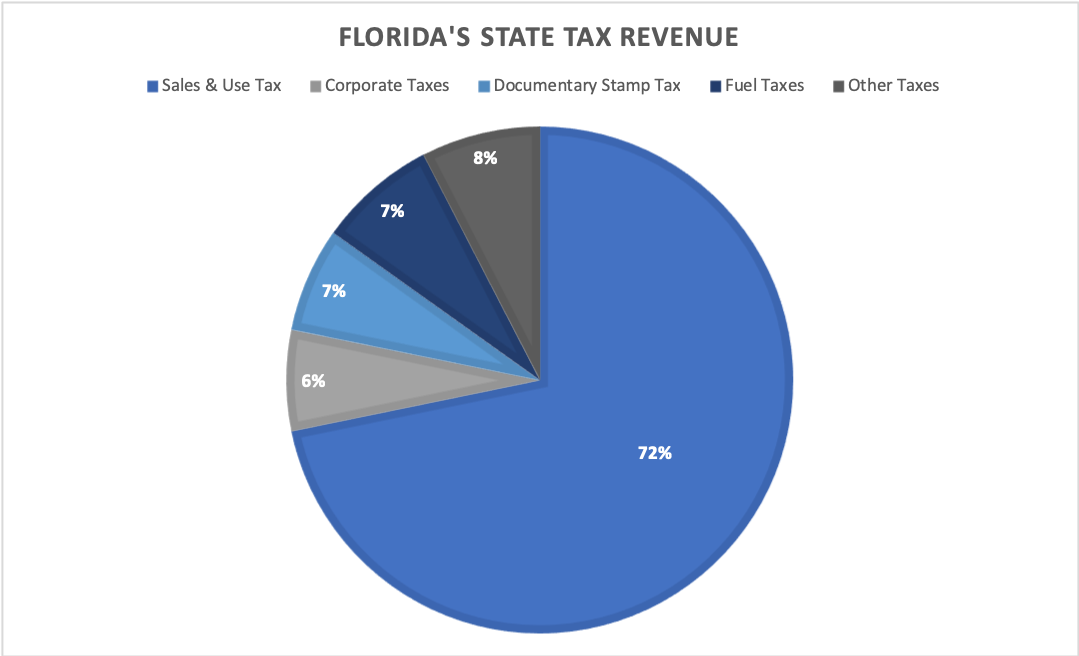
To compensate for the lack of state income and estate taxes, Florida relies heavily on sales tax and property taxes. The state sales tax rate is currently 6%, though local option sales taxes can push the combined rate higher in various counties and cities like Tampa or Jacksonville. This tax applies to most retail purchases, certain services, and tourism-related activities, which impacts the cost of goods and services consumed. For tourists and residents alike, this means the cost of dining out, shopping, and entertainment contributes significantly to state and local coffers.
Property taxes, assessed at the local level by counties and municipalities, are another major revenue source. These taxes are based on the assessed value of real estate and vary significantly depending on location. However, Florida offers a substantial homestead exemption for primary residences, which reduces the taxable value of a home for permanent residents. This exemption, along with limitations on how much a property’s assessed value can increase annually (the “Save Our Homes” amendment), helps to mitigate the property tax burden for long-term residents. For individuals planning their lifestyle in Florida, understanding the interplay between these taxes is crucial for accurate budgeting and financial planning, whether they are pursuing a budget-conscious lifestyle or investing in luxury real estate.
Strategic Lifestyle Planning
The absence of specific taxes in Florida enables a strategic approach to lifestyle planning, particularly for those with substantial assets, high incomes, or retirement savings. For many, the choice to reside in Florida is not just about the weather and amenities but a deliberate financial decision. It allows individuals to retain more of their earnings and wealth, which can then be reinvested, saved, or used to fund desired lifestyle pursuits, from world-class golf in Ponte Vedra Beach to boating in the Florida Keys. This economic freedom can translate into a higher quality of life, greater financial security, and the flexibility to pursue personal passions without the added constraint of certain state tax burdens. For those looking to establish a robust financial foundation for their families or enjoy an unburdened retirement, Florida’s tax landscape offers a compelling framework for a well-planned and prosperous lifestyle.
LifeOutOfTheBox is a participant in the Amazon Services LLC Associates Program, an affiliate advertising program designed to provide a means for sites to earn advertising fees by advertising and linking to Amazon.com. Amazon, the Amazon logo, AmazonSupply, and the AmazonSupply logo are trademarks of Amazon.com, Inc. or its affiliates. As an Amazon Associate we earn affiliate commissions from qualifying purchases.