
The name Joe Montana is synonymous with the golden era of American football, a period marked by strategic brilliance, clutch performances, and an unwavering will to win. While his legendary status is undisputed, a common question for both avid sports fans and casual observers alike is, “What team did Joe Montana play for?” This inquiry often sparks conversations about his iconic career, the cities he represented, and the indelible mark he left on professional football. Montana’s journey through the National Football League (NFL) was not a fleeting moment but a storied saga that unfolded across two prominent franchises, each contributing to his legacy.
The Rise of a Legend in San Francisco
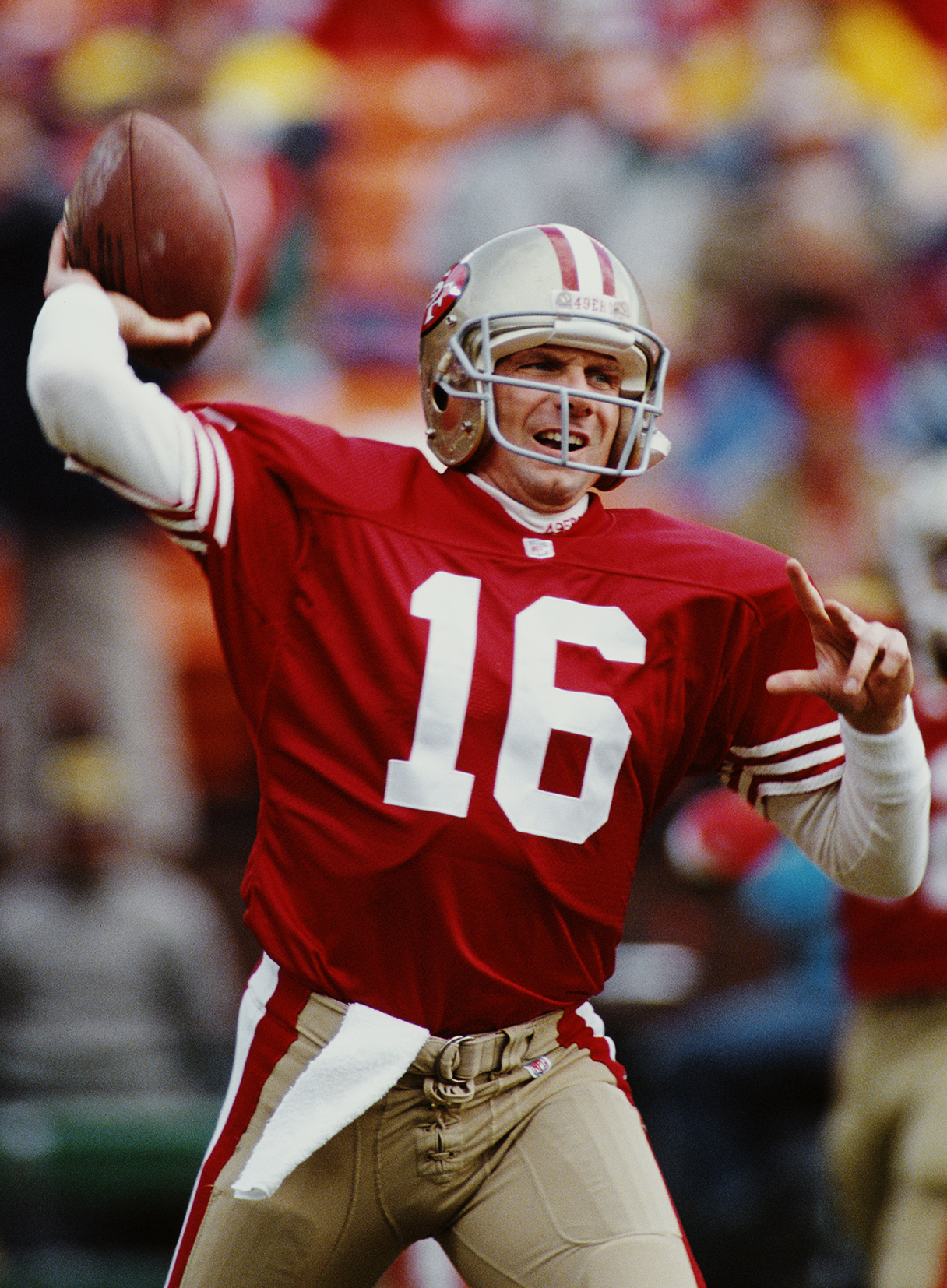
Joe Montana’s professional football odyssey began with the San Francisco 49ers. Drafted in the third round of the 1979 NFL Draft, the 49ers saw potential in the quarterback from Notre Dame. Little did they know they were acquiring the cornerstone of a dynasty that would redefine success in the league. Montana’s early years with the 49ers were characterized by growth and learning, as he gradually took the reins of the offense. His intelligence, composure under pressure, and exceptional accuracy quickly set him apart.
The Dynasty Years: A Symphony of Success
The 1980s became the decade of the San Francisco 49ers, and Joe Montana was at the helm, conducting a masterful symphony of offensive prowess. Under the guidance of coach Bill Walsh and his innovative “West Coast offense,” Montana flourished. This offensive scheme, emphasizing short, precise passes, ball control, and spreading the field, perfectly suited Montana’s skills. He possessed an uncanny ability to read defenses, make quick decisions, and deliver the ball with pinpoint accuracy, often in crucial moments.
The 49ers’ dominance was most evident in their Super Bowl victories. Montana led the team to four Super Bowl championships during his tenure:
- Super Bowl XVI (1982): The 49ers faced the Cincinnati Bengals in a hard-fought game that ended with a 26-21 victory for San Francisco. Montana’s performance, including a crucial late touchdown pass, earned him his first Super Bowl MVP award. This victory marked the beginning of the 49ers’ ascent to the top of the league.
- Super Bowl XIX (1985): In a highly anticipated matchup against the Miami Dolphins, led by Dan Marino, Montana once again delivered a stellar performance. The 49ers secured a resounding 38-16 win, with Montana throwing for 331 yards and three touchdowns, earning him his second Super Bowl MVP. This game solidified the 49ers’ reputation as the premier team in the NFL.
- Super Bowl XXIII (1989): After a brief lull, the 49ers, with Montana back at the helm after an injury, faced the Cincinnati Bengals in a thrilling rematch. In what is considered one of the greatest drives in Super Bowl history, Montana orchestrated a 92-yard game-winning touchdown drive in the final minutes, culminating in a pass to John Taylor. The 49ers won 20-16, and Montana earned his third Super Bowl MVP.
- Super Bowl XXIV (1990): The 49ers completed their dynasty by dismantling the Denver Broncos in a record-setting 55-10 victory. Montana threw for five touchdowns in a dominant offensive display, capping off an era of unparalleled success.
Montana’s time with the 49ers was not just about championships; it was about establishing a new standard for quarterback play. His career statistics with the team were remarkable, including numerous Pro Bowl selections and MVP awards. He became known as “Joe Cool” for his calm demeanor and ability to perform under the most intense pressure, a trait that endeared him to fans and solidified his legendary status. The city of San Francisco embraced him as a hero, and his image became intertwined with the city’s sporting identity.
A New Chapter in Kansas City
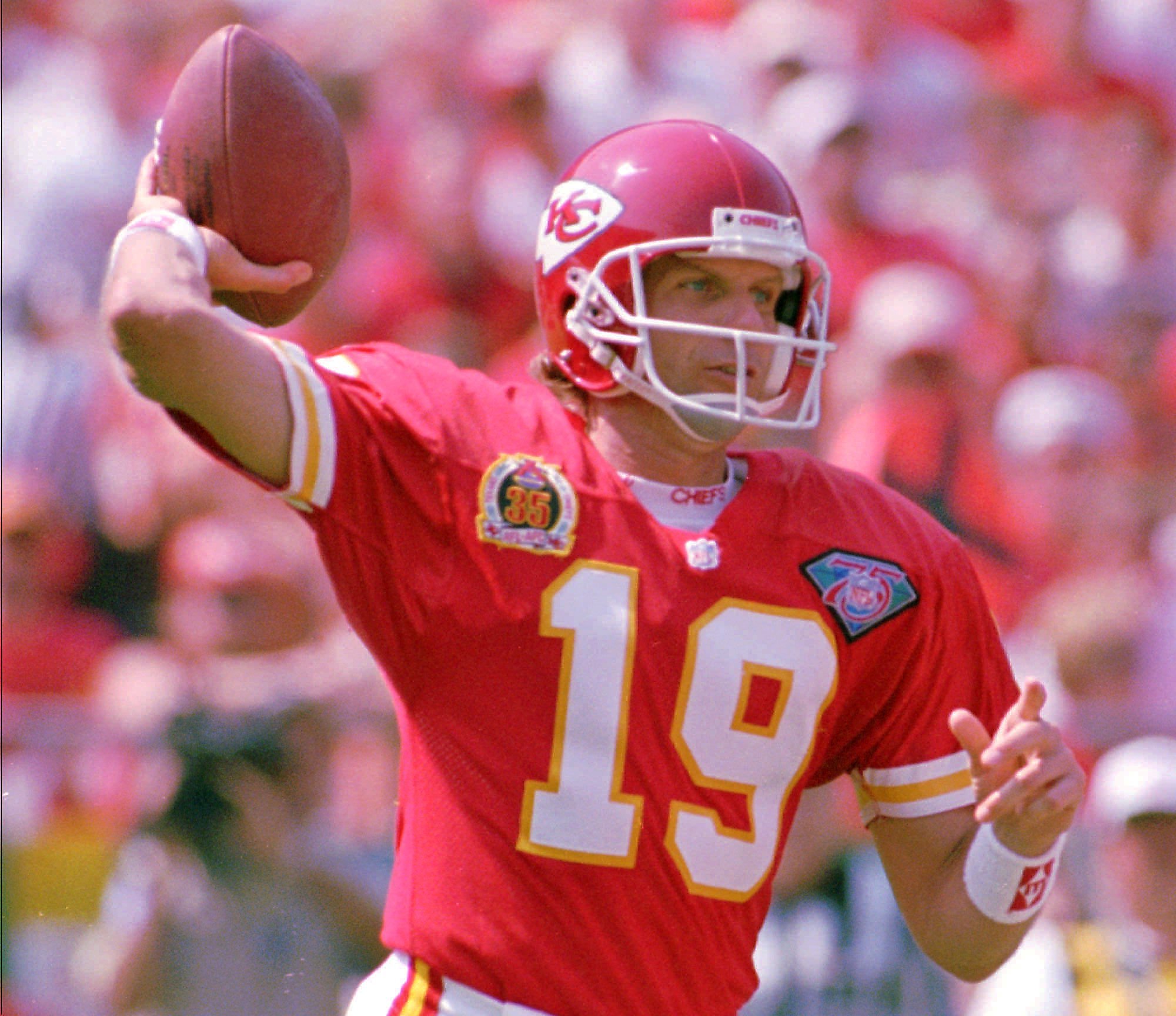
Following a period of injuries and the emergence of Steve Young as his successor, Joe Montana’s illustrious career with the San Francisco 49ers came to an end. In 1993, he was traded to the Kansas City Chiefs, a move that surprised many but offered a chance for the veteran quarterback to lead a new franchise. While his time in Kansas City was shorter and did not result in Super Bowl victories, it was a testament to his enduring passion for the game and his desire to compete at the highest level.
Bridging the Gap: Leadership in the Midwest
Arriving in Kansas City, Montana brought his wealth of experience and leadership to a Chiefs team that was looking to elevate its competitive standing. He provided a significant upgrade at the quarterback position, offering stability and a proven winning pedigree. His presence alone instilled confidence in his teammates and energized the fanbase.
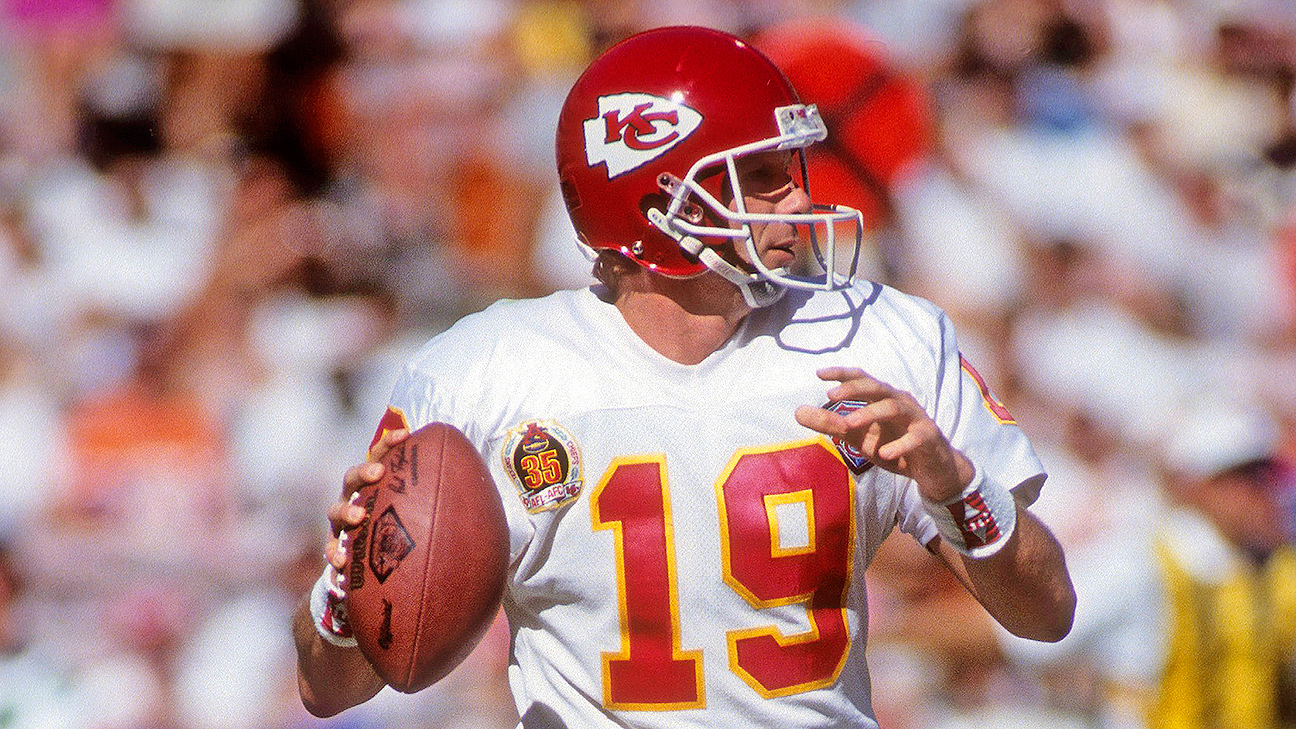
Montana’s tenure with the Chiefs was marked by solid performances, even as he navigated the later stages of his career. He led the team to the playoffs in the 1993 season, demonstrating that he could still make a tangible impact. In the AFC Divisional Playoff game against the Houston Oilers, Montana famously led a comeback victory, further cementing his reputation as a clutch performer. Although the Chiefs ultimately fell short of a Super Bowl appearance during his time there, Montana’s contribution was invaluable in fostering a winning culture and providing a mentorship for younger players.
His decision to join the Chiefs was not driven by a quest for more championships, but rather by a genuine love for the game and the opportunity to play at a high level. He demonstrated professionalism and dedication throughout his two seasons with the team, earning the respect of coaches, players, and fans alike in the Midwest. His presence in Kansas City, even for a brief period, remains a memorable chapter in the history of the franchise.
The Legacy Beyond the Field
Joe Montana’s impact extends far beyond the statistics and the championships. He transformed the quarterback position, demonstrating a rare combination of physical skill and mental fortitude. His influence can be seen in countless quarterbacks who have followed, adopting his methodical approach and his calm demeanor under pressure. The cities of San Francisco and Kansas City each hold a special place in his professional narrative, representing distinct yet equally important phases of his career.
While the question “What team did Joe Montana play for?” might seem straightforward, the answer encompasses a rich history of athletic achievement, strategic innovation, and enduring leadership that resonated across two major American cities and left an indelible mark on the sport of football. His legacy is not just defined by the uniforms he wore, but by the way he played the game and the inspiration he provided to millions.
LifeOutOfTheBox is a participant in the Amazon Services LLC Associates Program, an affiliate advertising program designed to provide a means for sites to earn advertising fees by advertising and linking to Amazon.com. Amazon, the Amazon logo, AmazonSupply, and the AmazonSupply logo are trademarks of Amazon.com, Inc. or its affiliates. As an Amazon Associate we earn affiliate commissions from qualifying purchases.