
New York City, often referred to as the “Big Apple,” is a destination that truly comes alive in all four seasons. From the crisp chill of winter to the humid warmth of summer, the weather plays an integral role in shaping the experiences of its millions of annual visitors. Understanding the typical temperatures and climatic nuances of this bustling metropolis is key to planning an unforgettable trip, whether you’re dreaming of ice skating at Rockefeller Center or strolling through Central Park under a canopy of vibrant autumn leaves. For any traveler, whether embarking on a solo adventure, a romantic getaway, a family vacation, or a business trip, knowing what to expect from the New York climate will ensure optimal comfort and enjoyment. This guide delves into the seasonal temperatures of New York City, offering insights into how the mercury’s rise and fall can influence your itinerary, packing choices, and overall tourism adventure.

Seasonal Overview of New York City Temperatures
New York City experiences a humid continental climate, characterized by distinct seasons, each bringing its own unique charm and set of temperature challenges. The transition between these seasons can sometimes be abrupt, with swings that keep meteorologists on their toes. However, general patterns hold true, providing a reliable framework for accommodation bookings and activity planning.
Embracing the Chill: Winter in New York City
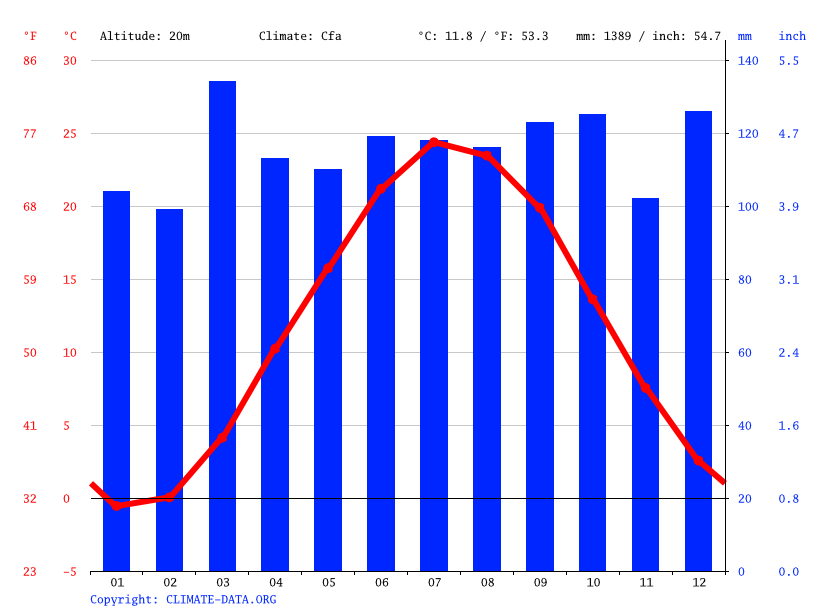
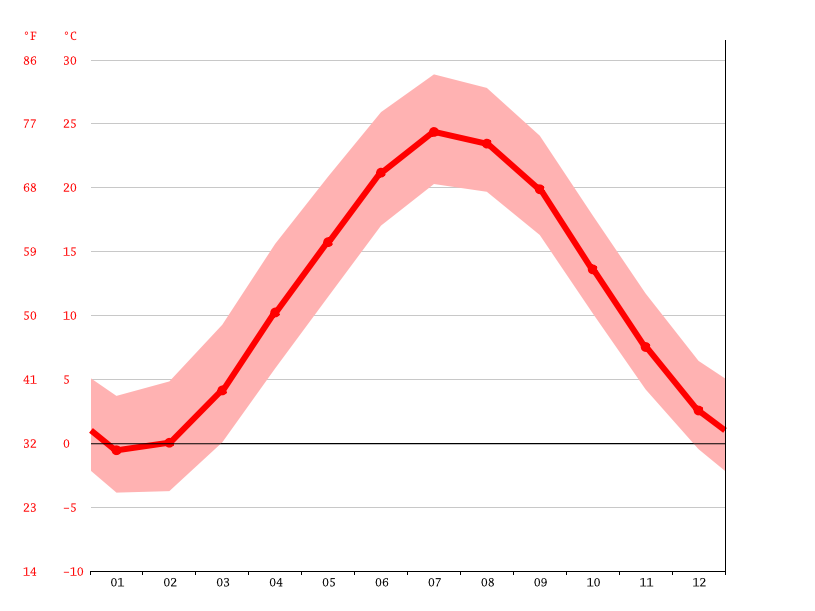
Winter in New York City, typically from December to February, is renowned for its cold temperatures, often accompanied by snow, making for a truly picturesque, albeit chilly, experience. Average temperatures during these months range from 28°F to 40°F (-2°C to 4°C). January is usually the coldest month, with daytime highs often hovering around freezing and nighttime lows dipping well below. Snowfall is common, transforming the city into a winter wonderland, especially iconic spots like Central Park and the streets adorned with holiday lights.
Despite the cold, winter is a magical time to visit. The holiday season, from late November through New Year’s Eve, brings a festive atmosphere that is unrivaled. Think ice skating at Rockefeller Center or Bryant Park, witnessing the famous Rockefeller Center Christmas Tree lighting, and enjoying the elaborate window displays on Fifth Avenue. For those seeking respite from the cold, New York City offers an abundance of indoor attractions. Catch a Broadway show, explore world-class institutions like the Metropolitan Museum of Art (The Met) or the Museum of Modern Art (MoMA), or delve into the rich history at the 9/11 Memorial & Museum. Cozy cafes and vibrant restaurants, ranging from upscale lifestyle dining experiences to budget travel friendly eateries, provide warm havens. Hotels like The Plaza Hotel or the St. Regis New York offer luxurious retreats, often with festive decor during this period, perfect for indulging in a bit of luxury travel. Packing warm layers, including a heavy coat, hat, gloves, and waterproof boots, is absolutely essential for comfortable exploration during this chilly season.
Spring’s Gentle Awakening: Mild and Malleable
Spring, from March to May, sees a gradual and often unpredictable warming trend. Early spring can still be quite cool, even bordering on winter-like, but by late April and May, temperatures become pleasantly mild. Average spring temperatures range from 40°F to 65°F (4°C to 18°C). March can be windy and still experience late-season snow flurries, while May offers some of the most delightful weather, with clear skies and comfortable warmth.
This season is ideal for visitors who enjoy outdoor activities without the intensity of summer heat or winter cold. Central Park bursts into bloom, and the city’s many other parks, such as Washington Square Park and Prospect Park in Brooklyn, become vibrant green spaces perfect for leisurely strolls or picnics. Rooftop bars and outdoor dining areas begin to open up, offering fantastic views and al fresco dining options. Tourism in spring often revolves around walking tours of neighborhoods like Greenwich Village or SoHo, exploring the diverse architecture and unique boutiques. Cherry blossoms bloom beautifully in various locations, notably at the Brooklyn Botanic Garden. Spring also marks the beginning of many outdoor festivals and street fairs. Accommodation during this period can vary; booking in advance is always recommended, especially for popular hotels like the Grand Hyatt Hotel or a charming boutique hotel in Lower East Side. Light jackets, sweaters, and comfortable walking shoes are key to enjoying the city’s spring charm.
Sizzling Summer Days: Heat and Humidity
Summer in New York City, from June to August, is characterized by warm to hot temperatures and often high humidity. Average summer temperatures typically range from 70°F to 85°F (21°C to 29°C), though heatwaves pushing temperatures well into the 90s°F (30s°C) are not uncommon. July is generally the hottest month, with oppressive humidity adding to the perceived heat.
Despite the heat, New York City summers are bustling and offer a wealth of outdoor activities. Locals and tourists alike flock to Coney Island for beach days and amusement park thrills. Governors Island provides a refreshing escape with its open spaces and scenic views. Free outdoor concerts, film screenings in parks, and street festivals are abundant, making summer a fantastic time for vibrant local culture experiences. Rooftop bars become prime spots for evening cocktails with stunning cityscapes, and the city’s numerous parks offer shaded areas for relaxation. Water taxis and ferries, such as those to the Statue of Liberty and Ellis Island, provide cool breezes. When planning travel during summer, it’s wise to consider hotels with good air conditioning and perhaps a pool, such as the Hotel Gansevoort. Light, breathable clothing, sunscreen, a hat, and plenty of hydration are crucial for navigating the city comfortably during its hotter months. Even during intense heat, indoor attractions like museums, air-conditioned shops along Fifth Avenue, and Broadway theaters remain popular refuges.
Autumn’s Golden Glow: Crisp and Inviting
Autumn, from September to November, is widely considered one of the most beautiful and pleasant times to visit New York City. Temperatures become comfortably cool and crisp, making it ideal for sightseeing and outdoor exploration. Average autumn temperatures range from 45°F to 65°F (7°C to 18°C). September is often an extension of summer, offering pleasant warmth, while October brings iconic fall foliage and perfectly mild conditions. November sees a noticeable drop in temperature, signaling the approach of winter.
The fall foliage in Central Park and other green spaces is spectacular, transforming the urban landscape into a vibrant canvas of reds, oranges, and yellows. This is a prime time for leisurely walks across the Brooklyn Bridge, exploring the elevated park of The High Line, or wandering through the historic streets of DUMBO. Major events like the New York City Marathon and the Macy’s Thanksgiving Day Parade draw massive crowds. Cultural tourism flourishes with new art exhibitions, theater seasons, and food festivals. The comfortable temperatures are perfect for exploring outdoor landmarks and enjoying the city’s vibrant street life. Accommodation can be in high demand, particularly in October, so booking well in advance for hotels like The Peninsula New York or Mandarin Oriental, New York is advisable. Layers are essential, as mornings can be cool and afternoons pleasant, with a light to medium jacket, sweaters, and comfortable walking shoes being standard attire.
Beyond the Thermometer: How Temperature Shapes Your NYC Experience
While understanding average temperatures is helpful, the actual “feel” of New York City weather can be influenced by various factors, including humidity, wind chill, and urban heat island effects. How you plan for these conditions significantly impacts your overall travel experience, from your packing list to your daily itinerary.
Packing Smart for Every Season
Successful travel to New York City hinges on smart packing, directly influenced by the season and expected temperatures. Regardless of the time of year, comfortable walking shoes are paramount, as much of the city is best explored on foot.
- Winter: Essential items include a heavy, waterproof winter coat, thermal layers (long underwear, warm socks), a warm hat, gloves or mittens, and waterproof, insulated boots. Scarves are also invaluable for protecting against wind chill.
- Spring/Autumn: Layering is key. Pack light jackets, sweaters, cardigans, and long-sleeved shirts that can be easily added or removed. A waterproof or windproof outer layer is advisable, especially in spring. Closed-toe, comfortable walking shoes are a must, along with an umbrella.
- Summer: Light, breathable fabrics like cotton and linen are best. Shorts, skirts, dresses, and t-shirts are standard. A light jacket or cardigan can be useful for air-conditioned indoor spaces or cooler evenings. Sandals or open-toe shoes are suitable, but bring comfortable walking shoes for extensive sightseeing. Sunscreen, a hat, and sunglasses are also essential.
Always check the local forecast a few days before your trip. New York City weather can be notoriously fickle, with sudden shifts, so staying updated is the best strategy.
Seasonal Activities and Attractions
The temperature directly dictates the types of activities and attractions that are most enjoyable. New York City is unique in its ability to offer diverse experiences year-round, catering to all weather conditions.
In the colder months, the focus shifts indoors. Broadway theaters, world-class museums such as the Guggenheim Museum, and the diverse culinary scene in neighborhoods like Stone Street in the Financial District, become prime destinations. Shopping along Fifth Avenue or exploring the vibrant markets in Chelsea Market also provide warm escapes.
As temperatures warm in spring and fall, the city’s outdoor spaces truly shine. From cycling along the Hudson River Greenway to picnicking in Prospect Park, or simply enjoying a coffee at an outdoor cafe in West Village, the comfortable weather invites extensive outdoor exploration. Landmarks like the Empire State Building, One World Observatory, and The Vessel at Hudson Yards offer breathtaking views that are clearer on crisp days. Walking across the Brooklyn Bridge is a must-do in moderate weather.
Summer’s heat encourages water-based activities or those that allow for quick cool-downs. Beyond Coney Island, urban beaches on Long Island are accessible. Many hotels offer suites with access to rooftop pools, providing a luxurious way to beat the heat. Ferries to Governors Island or a leisurely cruise around Manhattan offer refreshing breezes. The city’s numerous public pools also become popular spots.
Regardless of the season, New York City always has something to offer. The key is to embrace the weather for what it is and plan accordingly, leveraging the city’s incredible infrastructure of indoor and outdoor attractions.
Planning Your Perfect Trip: Best Times to Visit New York City
While New York City is a fantastic destination any time of year, certain periods offer particularly appealing temperature profiles that align with specific travel preferences.
- Spring (April-May) and Autumn (September-October) are often cited as the best times to visit due to the mild and pleasant temperatures, lower humidity, and beautiful natural scenery (blooming flowers in spring, fall foliage in autumn). These months are ideal for extensive walking and outdoor sightseeing, offering a comfortable balance for exploring both landmarks and vibrant neighborhoods. However, these are also peak tourism seasons, meaning higher accommodation prices and larger crowds.
- Winter (December-February), while cold, is unparalleled for holiday festivities. If you dream of a white Christmas or experiencing the magic of New Year’s Eve in Times Square, bundle up! Beyond the holidays, winter can offer lower prices for hotels and flights, making it an attractive option for budget travel after the festive peak.
- Summer (June-August) offers a lively atmosphere with many outdoor events and activities. If you don’t mind the heat and humidity, summer is perfect for enjoying Coney Island, rooftop bars, and outdoor concerts. It’s also a popular time for family trips, with children out of school, though the heat can be a challenge for some.
Ultimately, the “best” time to visit depends on what you wish to experience and your tolerance for various weather conditions. Each season in New York City presents a unique set of lifestyle and travel opportunities, from the romantic allure of a snowy evening to the energetic buzz of a summer festival.
In conclusion, the temperature in New York City is as dynamic and diverse as the city itself. From the frosty embrace of winter to the balmy days of summer, and the temperate transitions of spring and autumn, each season presents a distinct flavor of the Big Apple. By understanding these climatic patterns and preparing accordingly, travelers can ensure their trip to this iconic destination is not just comfortable, but truly unforgettable. Always check the latest forecast, pack strategically, and be ready to embrace the unpredictable, yet undeniably charming, weather of New York City.
LifeOutOfTheBox is a participant in the Amazon Services LLC Associates Program, an affiliate advertising program designed to provide a means for sites to earn advertising fees by advertising and linking to Amazon.com. Amazon, the Amazon logo, AmazonSupply, and the AmazonSupply logo are trademarks of Amazon.com, Inc. or its affiliates. As an Amazon Associate we earn affiliate commissions from qualifying purchases.