
Embarking on a culinary journey, especially one that involves slow-cooked barbecue, often brings up a crucial question: “What temperature is a Boston butt done?” This quintessential cut of pork, also known as pork butt or pork shoulder, is a cornerstone of delicious, melt-in-your-mouth pulled pork. Whether you’re planning a backyard barbecue in Texas or dreaming of experiencing authentic Southern cuisine during your travels, understanding the perfect internal temperature is key to achieving barbecue perfection. This guide will delve into the specifics of cooking a Boston butt, ensuring your next culinary adventure is a resounding success, no matter where your taste buds take you.
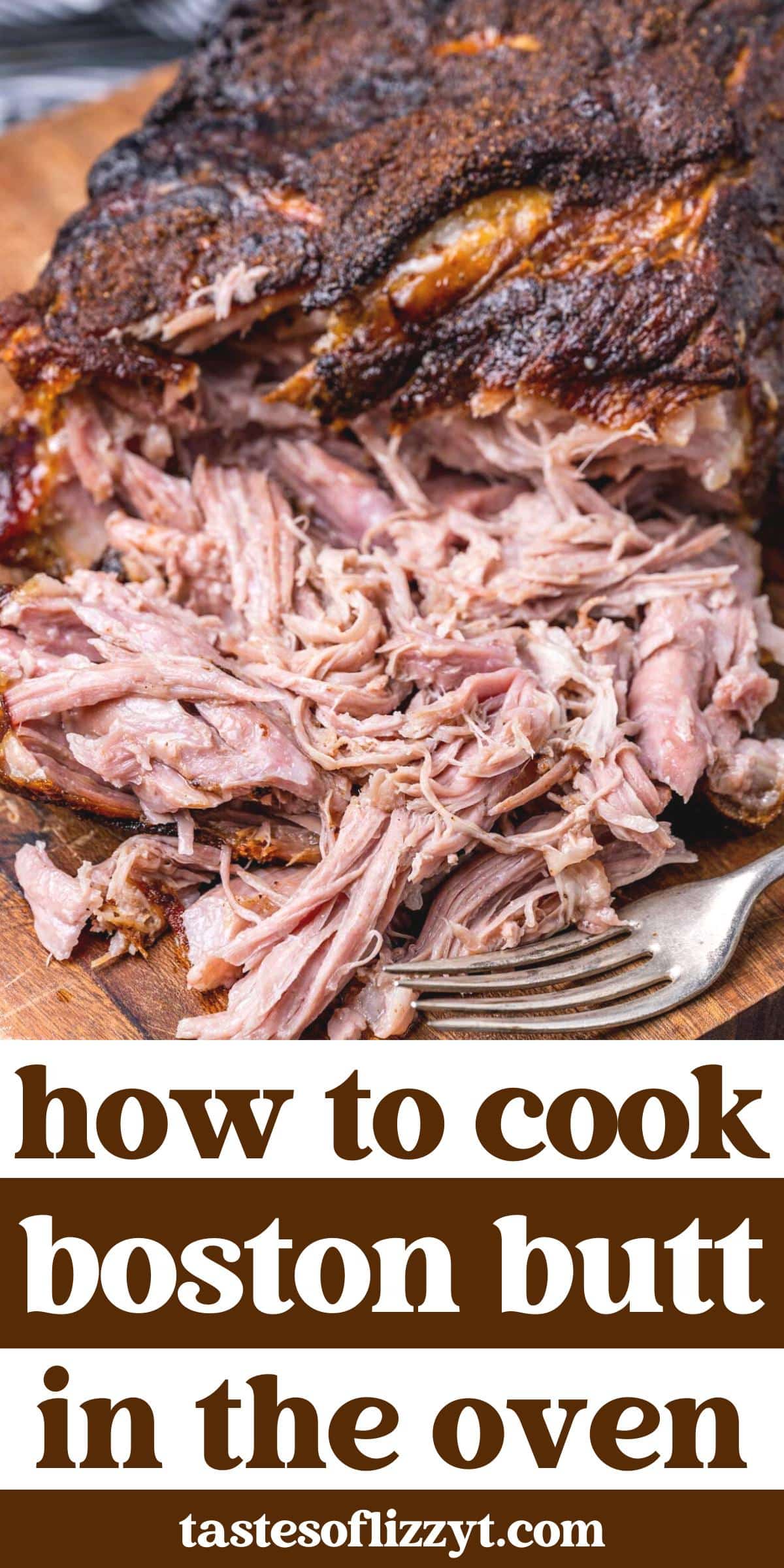
The beauty of a Boston butt lies in its rich marbling and connective tissues, which break down over long, slow cooking times, transforming a tough cut into an incredibly tender and flavorful masterpiece. Achieving this transformation hinges on cooking it to the right internal temperature and allowing it to rest properly. This isn’t just about reaching a specific number; it’s about understanding the science behind tenderization and embarking on a culinary experience that rivals any found in a renowned restaurant in New Orleans or a hidden gem on the Outer Banks.
Understanding the Cut and the Cooking Process
Before we dive into the precise temperatures, it’s essential to understand what a Boston butt is and why its cooking process differs from other cuts of pork. The Boston butt, originating from the upper portion of the pig’s shoulder, is a far cry from lean pork chops. It’s characterized by a significant amount of fat and collagen, which are not only desirable for flavor but also crucial for moisture and tenderness during extended cooking periods. This is precisely why it’s ideal for low-and-slow methods like smoking or braising.
The goal of cooking a Boston butt is not to cook it to a specific temperature for food safety alone, but to cook it until the collagen breaks down, rendering the meat incredibly tender and easy to shred. This process typically involves cooking the Boston butt to an internal temperature that is significantly higher than what might be considered “done” for other pork cuts. This elevated temperature ensures that the connective tissues have had ample time to liquefy, resulting in that coveted pull-apart texture.
The Target Internal Temperature for Tenderness
When asking “What temperature is a Boston butt done?”, the answer is not a single, rigid number, but rather a range that signifies optimal tenderness and flavor. While the U.S. Department of Agriculture (USDA) recommends a minimum internal temperature of 145°F (63°C) for pork to be considered safe to eat, this temperature will not yield tender, pull-apart Boston butt. For this particular cut, the target internal temperature for achieving that perfect, shreddable texture is between 195°F and 205°F (90°C and 96°C).
This higher temperature range allows the tough collagen within the muscle fibers to break down into gelatin. This gelatin not only tenderizes the meat but also adds a rich, unctuous mouthfeel. Think of it as a slow transformation, where heat patiently works to unlock the full potential of this flavorful cut. It’s a process that rewards patience and attention to detail, much like planning a meticulously curated itinerary for a trip to Florence or discovering the best gelato in Rome.
Factors Influencing the Cooking Time and Temperature:
Several factors can influence how long it takes to reach this target temperature and how the meat cooks:
- Size and Thickness: A larger or thicker Boston butt will naturally take longer to cook than a smaller one.
- Cooking Method: Smoking, oven roasting, and slow cooking in a crock pot all have different heat transfer rates and will affect cooking time.
- Temperature Consistency: Fluctuations in the cooking temperature can prolong the process. Maintaining a stable environment is key.
- Meat Quality and Marbling: The inherent fat content and marbling of the specific Boston butt can impact how quickly it cooks and tenderizes.
It’s crucial to remember that temperature is the most reliable indicator of doneness for a Boston butt, more so than time alone. While recipes might provide estimated cooking times, these are merely guidelines. Relying on a good meat thermometer is paramount.
Achieving the Perfect Internal Temperature: Methods and Tools
To successfully cook a Boston butt to its optimal temperature, employing the right methods and tools is essential. Whether you are a seasoned pitmaster in Kansas City or a home cook experimenting for the first time, precision in temperature monitoring will elevate your results. This section will guide you through the recommended practices and the indispensable tools that will ensure your Boston butt is perfectly tender and flavorful.
Smoking Your Boston Butt
Smoking is arguably the most popular and revered method for cooking Boston butt, producing that signature smoky flavor and tender texture. The low and slow approach is key here, allowing the meat to gradually reach its target internal temperature while infusing it with smoke.
- Preparation: Begin by trimming any excess hard fat cap, leaving about a quarter-inch for moisture and flavor. Apply your chosen rub generously to all sides of the Boston butt.
- Smoking: Preheat your smoker to a temperature between 225°F and 250°F (107°C and 121°C). Place the Boston butt directly on the grates.
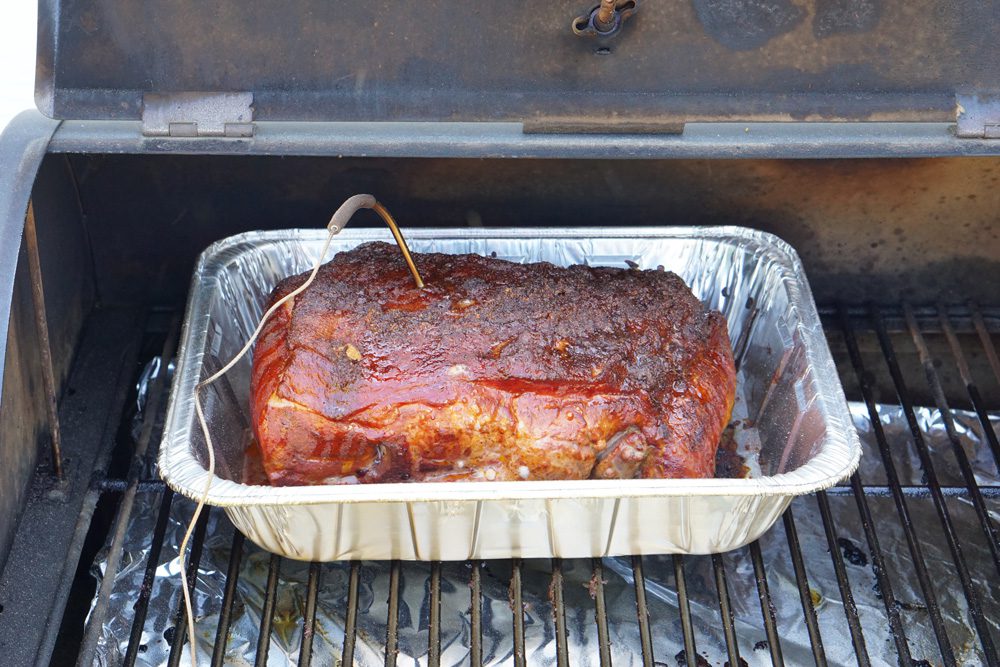
- Temperature Monitoring: Insert a leave-in probe thermometer into the thickest part of the Boston butt, avoiding any large pockets of fat. This will allow you to monitor the internal temperature throughout the smoking process without having to open the smoker lid frequently, which can disrupt the temperature.
- The Stall: Be prepared for “the stall,” a period where the internal temperature plateaus or even drops slightly. This is due to evaporative cooling on the surface of the meat. This is a normal part of the process and usually occurs when the internal temperature reaches around 150°F to 165°F (65°C to 74°C).
- Wrapping (Optional but Recommended): To push through the stall and retain moisture, many pitmasters opt to wrap the Boston butt in butcher paper or foil once it reaches around 160°F to 170°F (71°C to 77°C). This process, often called the “Texas Crutch,” helps to speed up cooking and keep the meat moist.
- Reaching Target Temperature: Continue to cook until the internal temperature reaches the target range of 195°F to 205°F (90°C to 96°C). The bark (the flavorful crust) should be dark and appealing.
- Resting: Once the target temperature is reached, remove the Boston butt from the smoker, keeping it wrapped if it was wrapped. Let it rest for at least 30 minutes to an hour, or even longer, in a cooler or a warm oven (turned off). This resting period is crucial for the juices to redistribute throughout the meat, ensuring it remains moist and tender when shredded.
Oven Roasting and Slow Cooking
While smoking is a beloved method, a Boston butt can also be deliciously prepared in an oven or a slow cooker, making it accessible even if you don’t have a smoker, perhaps while staying at a cozy bed and breakfast in the Cotswolds.
Oven Roasting
- Preparation: Season the Boston butt as desired and place it in a roasting pan. You can add a small amount of liquid to the bottom of the pan, such as water, broth, or apple cider, to help create steam.
- Cooking: Preheat your oven to a moderate temperature, typically between 300°F and 325°F (150°C and 160°C). Cover the roasting pan tightly with foil to trap moisture.
- Temperature Monitoring: Similar to smoking, use a meat thermometer to monitor the internal temperature. You will be aiming for the same 195°F to 205°F (90°C to 96°C) range for tenderness. This method may take longer than smoking due to the lower initial oven temperature and the necessity of a tight seal.
- Uncovering and Basting: Once the internal temperature starts to climb, you can remove the foil for the last hour or so to allow the exterior to brown and develop a nice crust. Baste the meat periodically with the pan juices.
- Resting: After reaching the target temperature, let the Boston butt rest, loosely tented with foil, for at least 30 minutes before shredding.
Slow Cooking (Crock Pot)
The slow cooker is perhaps the most convenient method, ideal for busy individuals who enjoy the results of slow cooking without constant supervision, perfect for a relaxing stay at a resort in the mountains.
- Preparation: Sear the Boston butt in a skillet if desired for added color and flavor, though this is optional. Place it in your slow cooker. Add your preferred liquids (broth, water, BBQ sauce) and seasonings.
- Cooking: Cook on the “low” setting for 8-10 hours, or on the “high” setting for 4-6 hours.
- Temperature Monitoring: While slow cookers can be finicky with precise temperature control, the extended cooking time on low will generally lead to tender meat. If you have a slow cooker with a thermometer probe, use it to check for the 195°F to 205°F (90°C to 96°C) range. If not, you can test for tenderness by attempting to pull the meat apart with forks; if it shreds easily, it’s done.
- Resting: Remove the Boston butt from the slow cooker and let it rest for about 15-20 minutes before shredding.
The Importance of a Meat Thermometer
Regardless of your chosen cooking method, a reliable meat thermometer is your most valuable tool. An instant-read thermometer or a leave-in probe thermometer will provide accurate readings, ensuring you don’t undercook or overcook your Boston butt. Overcooking can lead to dry, stringy meat, while undercooking will result in a tough, unappetizing texture. Investing in a good quality thermometer is an investment in consistently delicious barbecue, whether you’re preparing for a family gathering at your home in California or a celebratory meal in Argentina.
Resting and Shredding: The Final Steps to Perfection
Once your Boston butt has reached the magic temperature of 195°F to 205°F (90°C to 96°C), the journey isn’t quite over. The resting and shredding phases are just as critical to achieving that tender, succulent pulled pork that is the hallmark of a well-cooked Boston butt. This is where the magic truly solidifies, much like savoring the final moments of a breathtaking sunset over the Grand Canyon or appreciating the intricate details of the Sagrada Familia in Barcelona.
The Crucial Resting Period
The resting period is often overlooked but is absolutely vital. When meat cooks, its muscle fibers contract, pushing moisture towards the center. If you were to cut into the Boston butt immediately after it reaches the target temperature, much of this delicious juice would escape, leaving you with dry meat.
Allowing the Boston butt to rest allows the muscle fibers to relax and reabsorb those juices. This process, known as carryover cooking, also means the internal temperature will continue to rise slightly during the rest. Aim for a minimum rest of 30 minutes, but for larger cuts, an hour or even longer is highly beneficial. You can achieve this by keeping the Boston butt loosely tented with foil or by placing it in an insulated cooler (without ice) to maintain its temperature. This patience is rewarded with incredibly moist and flavorful pulled pork that will impress any guest, whether they are visiting from London or are local connoisseurs in Austin.
Shredding Techniques for Optimal Texture
After resting, it’s time for the satisfying task of shredding. The goal is to break down the meat into tender, bite-sized pieces that are perfect for sandwiches, tacos, or serving as a main course.
- Using Forks: The classic method involves using two forks. Insert one fork into the meat to hold it steady and use the other fork to pull and shred the meat away from the bone and into bite-sized pieces. The meat should be tender enough to shred with minimal effort.
- Bear Claws: Specialized “bear claw” shredders are also available and can make the process faster and more efficient, especially for larger quantities.
- Hand Shredding: For a truly rustic texture, you can also use your hands (once the meat has cooled enough to handle). The fat pockets and connective tissues will have broken down, making the meat easy to pull apart.
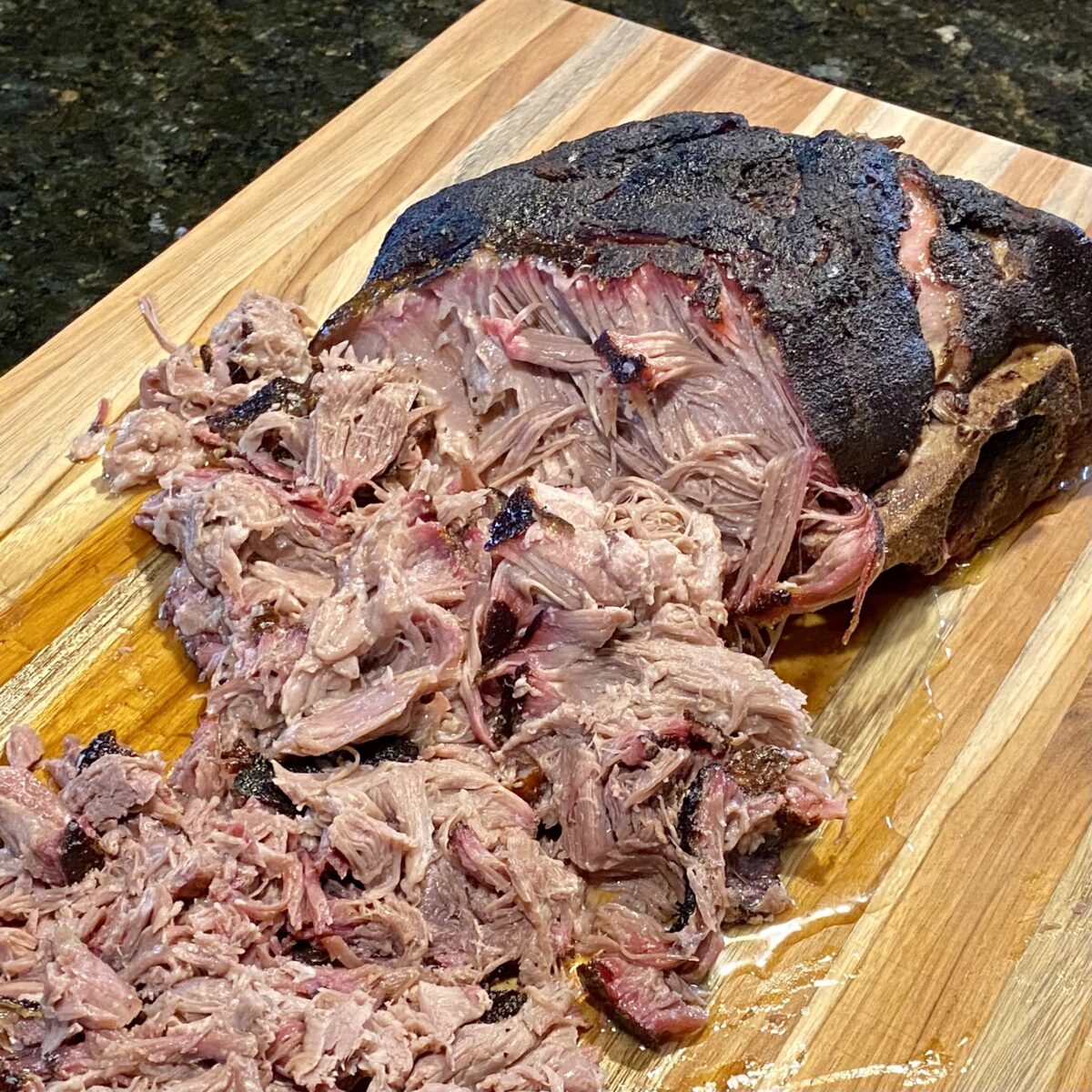
As you shred, you’ll notice the beautifully rendered fat and collagen that have melted into the muscle, contributing to the incredible flavor and tenderness. Incorporate some of the rendered juices from the resting stage back into the shredded meat to enhance its moisture and flavor. This attention to detail ensures that every bite is a testament to your culinary efforts, mirroring the dedication seen in the craftsmanship of a Rolex watch or the artistry of a Michelangelo painting.
By understanding the importance of reaching the correct internal temperature, employing the right cooking techniques, and giving your Boston butt the respect it deserves during the resting and shredding phases, you are well on your way to mastering this beloved barbecue staple. Whether you are cooking for a casual weekend meal or a special occasion, the journey to a perfectly cooked Boston butt is a rewarding one, filled with delicious anticipation and even more delicious results.
LifeOutOfTheBox is a participant in the Amazon Services LLC Associates Program, an affiliate advertising program designed to provide a means for sites to earn advertising fees by advertising and linking to Amazon.com. Amazon, the Amazon logo, AmazonSupply, and the AmazonSupply logo are trademarks of Amazon.com, Inc. or its affiliates. As an Amazon Associate we earn affiliate commissions from qualifying purchases.