
Understanding the current temperature in Alaska is more than just a passing curiosity for travelers; it’s a critical piece of information that dictates everything from packing choices to activity planning and overall trip enjoyment. The Last Frontier is a land of extremes, where temperatures can swing wildly not just between seasons but also between its distinct geographical regions. For anyone contemplating a journey to this magnificent state, delving into its climatic nuances is an essential first step in crafting an unforgettable Alaskan adventure.
Understanding Alaska’s Climate Zones for Travelers
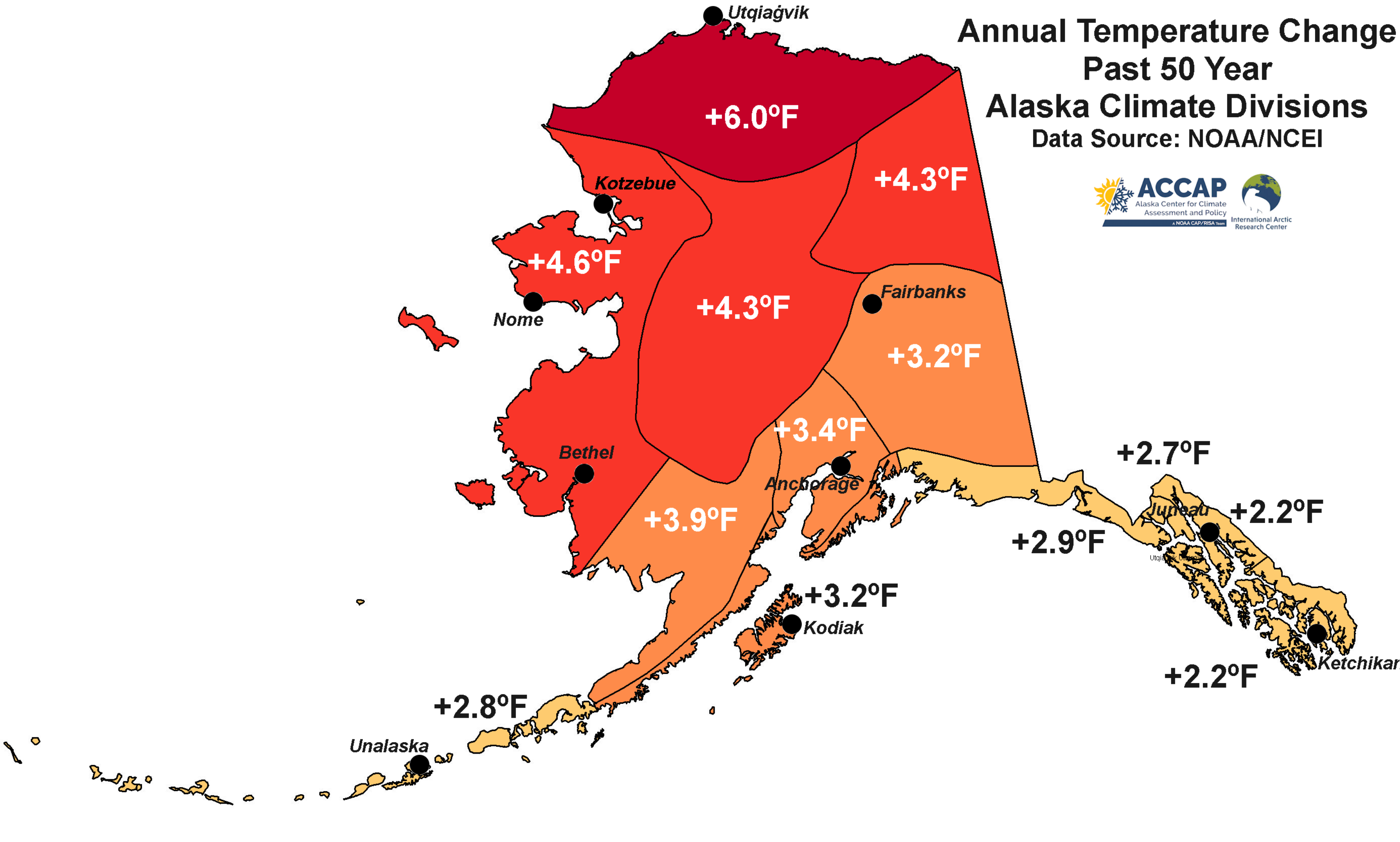
Alaska’s sheer size means that a single temperature reading rarely tells the whole story. The state encompasses several distinct climate zones, each with its own meteorological profile, profoundly influencing the travel experience. A savvy traveler must appreciate these differences to prepare adequately.
Coastal vs. Interior vs. Arctic Climates
The most significant climatic distinctions in Alaska can be broadly categorized into three main zones:
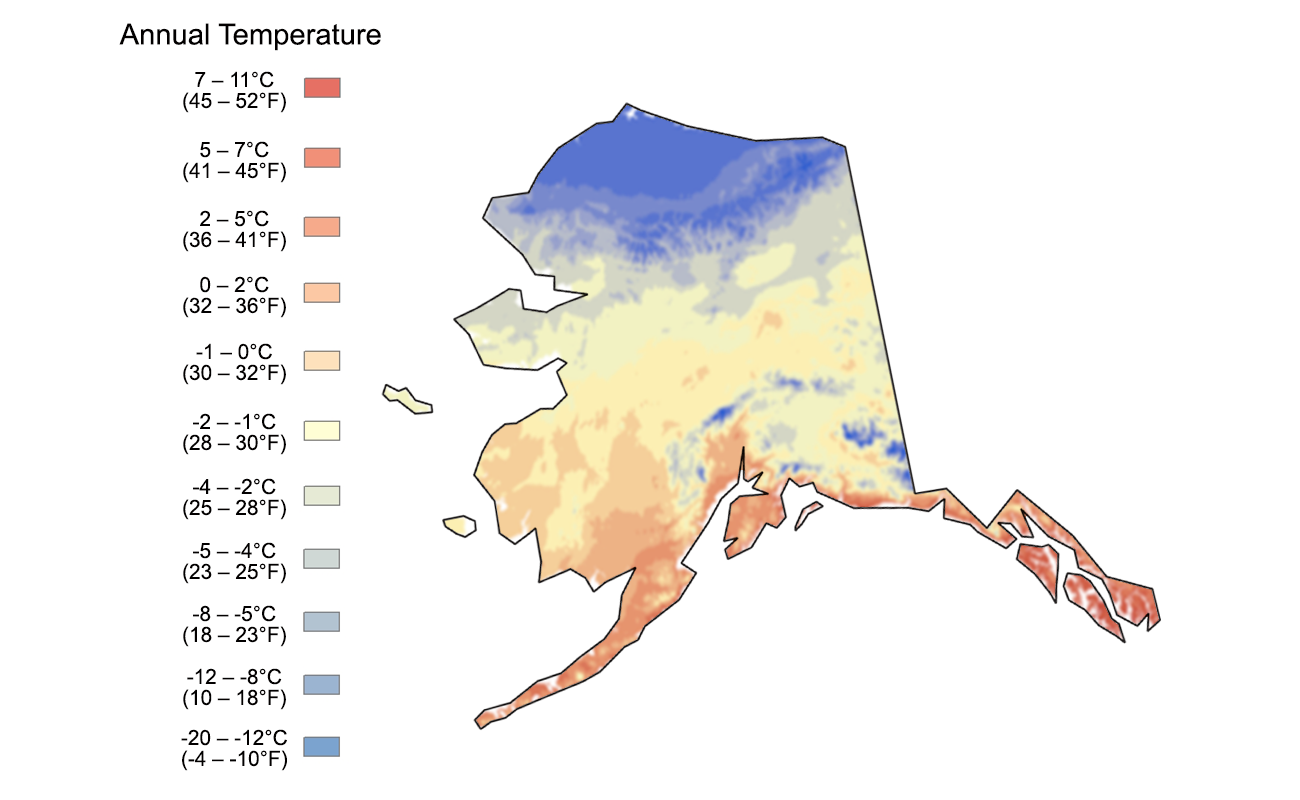
- Coastal (Southcentral and Southeast Alaska): This region, home to cities like Anchorage and Juneau, experiences a maritime climate. Characterized by milder winters and cooler summers compared to the interior, it also sees significantly more precipitation, especially in the panhandle. Temperatures in winter rarely plunge below 0°F (-18°C) in coastal areas like Anchorage, often hovering around 20-30°F (-7 to -1°C). Summers are comfortably cool, typically ranging from 55-70°F (13-21°C). The moderating influence of the Pacific Ocean keeps temperatures from reaching the extremes seen elsewhere.
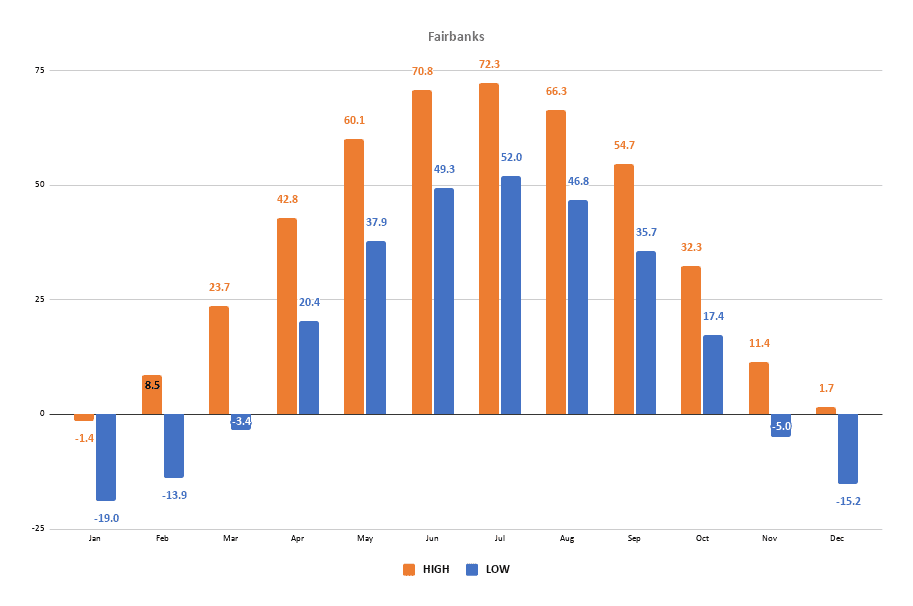
- Interior Alaska: Dominated by cities such as Fairbanks, this zone experiences a continental climate with vast seasonal temperature differences. Summers can be surprisingly warm, often reaching into the 70s and 80s°F (21-27°C), sometimes even higher. However, winters are famously brutal, with temperatures regularly dropping to -20°F (-29°C) to -40°F (-40°C), and occasionally even colder. This extreme cold is often accompanied by clear skies, making it prime territory for viewing the Northern Lights.
- Arctic Alaska (North Slope and Northwest): Stretching across the vast northern reaches, this region, including towns like Utqiagvik (formerly Barrow), is characterized by its polar climate. Winters are incredibly long, dark, and frigid, with average temperatures well below 0°F (-18°C) for many months. Summer offers a brief respite, with temperatures usually staying above freezing but rarely exceeding 50°F (10°C). The ground remains permafrost, and the landscape is dominated by tundra. Travel here requires specialized gear and expertise due to the challenging conditions.
Seasonal Temperature Variations and Travel Implications
Each season in Alaska offers a unique set of temperatures and corresponding travel opportunities and challenges.
- Winter (November-March): This is the season for snow sports, ice fishing, and aurora borealis viewing. Temperatures are generally at their lowest, with interior regions experiencing the most extreme cold. Coastal areas are comparatively milder but still cold and often snowy or rainy. Packing insulated layers, waterproof outerwear, and extreme cold-weather gear is paramount.
- Spring (April-May): A transitional period where temperatures begin to rise, snow melts, and daylight hours rapidly increase. While still chilly, especially at night, temperatures become more moderate, usually above freezing during the day in most populated areas. This shoulder season offers fewer crowds and unique experiences like spring skiing and early wildlife viewing, but travelers must be prepared for a mix of conditions, from lingering snow to mud.
- Summer (June-August): The peak travel season, characterized by long daylight hours, relatively warm temperatures, and vibrant landscapes. Temperatures across the state are at their highest, though still mild compared to many other destinations. This is ideal for hiking, fishing, cruising, and exploring national parks like Denali National Park and Preserve. Even in summer, evenings can be cool, and mountain elevations remain cold, necessitating layers.
- Autumn (September-October): Another shoulder season, offering stunning fall foliage and cooler, crisp temperatures. While still pleasant for outdoor activities, the days shorten, and the first snowfalls can begin, especially in interior and higher elevation areas. This is an excellent time for photography and wildlife viewing without the summer crowds, but preparedness for colder weather, especially at night, is crucial.
Real-Time Temperature Resources and Forecasting Tools
For an accurate picture of “what temperature it is in Alaska right now,” relying on current, real-time data is essential. Given the rapid weather changes and microclimates, up-to-the-minute information is invaluable for travelers.
Essential Weather Apps and Websites
Several reliable resources provide current temperatures and forecasts for Alaska. Travelers should familiarize themselves with these before and during their trip:
- National Weather Service (NWS) Alaska: The official source for Alaskan weather. Their website (weather.gov/alaska) provides detailed forecasts, current conditions, advisories, and radar for specific regions and towns. This is often the most accurate for localized conditions.
- AccuWeather and The Weather Channel: Popular global weather apps and websites that offer user-friendly interfaces, hourly forecasts, and extended outlooks for major Alaskan cities and towns. These are excellent for a quick overview.
- Local News Outlets: Anchorage and Fairbanks local news stations (e.g., KTUU, ADN, KTVF) often provide highly localized and detailed weather reports, particularly useful for understanding immediate conditions and road closures.
- Alaska Department of Transportation (DOT) Road Weather Information System (RWIS): For those driving, the DOT website offers real-time road conditions and sensor-based temperature readings along major highways, crucial for safe travel.
Interpreting Forecasts for Alaskan Adventures
Understanding weather forecasts in Alaska requires a nuanced approach:
- Focus on Microclimates: Remember that conditions can vary significantly over short distances. A forecast for Anchorage might not apply to a specific trail in the nearby Chugach Mountains. Always check forecasts for your specific destination, not just the nearest major city.
- Pay Attention to “Feels Like” Temperature: Wind chill in winter and humidity in summer can significantly impact how the temperature “feels.” Forecasts often include these metrics, which are more relevant to your comfort and safety than the ambient temperature alone.
- Prepare for Rapid Changes: Alaskan weather is notoriously fickle. A sunny morning can quickly turn into a rainy or snowy afternoon. Always pack layers and be ready to adapt to changing conditions, even if the forecast seems stable.
- Consider Elevation: If your travel plans involve hiking or visiting mountainous areas, remember that temperatures drop by approximately 3.5°F (2°C) for every 1,000 feet (300 meters) of elevation gain. High-altitude areas will always be colder than valley floors.
Packing for Alaskan Temperatures: A Traveler’s Guide
Knowing the temperature in Alaska right now, and what it’s likely to be during your trip, directly impacts your packing strategy. The key to comfortable and safe Alaskan travel is smart layering and the right gear.
Layering Strategies for Dynamic Weather
The “layering system” is universally recommended for Alaskan travel, allowing you to adapt to changing temperatures and activity levels:
- Base Layer: Moisture-wicking material (merino wool or synthetics) worn next to the skin. This layer helps regulate body temperature by pulling sweat away from the body, keeping you dry and warm in cold weather, or cool in warmer conditions. Avoid cotton, which absorbs moisture and loses its insulating properties when wet.
- Mid-Layer: Provides insulation. Fleece jackets, down vests, or wool sweaters are excellent choices. This layer traps warm air close to your body. Depending on the temperature, you might wear one or multiple mid-layers.
- Outer Layer (Shell): Your protection against the elements. A waterproof and windproof jacket and pants are crucial. Look for breathable options (like Gore-Tex) to prevent overheating. This shell keeps rain, snow, and wind out, preserving the warmth of your inner layers.
Essential Gear for Cold, Rain, and Wind
Beyond clothing layers, specific accessories and gear are vital for combating Alaskan temperatures:
- Headwear: A warm hat (beanie or wool cap) is essential, as significant body heat can be lost through the head. In colder months, a balaclava or neck gaiter provides additional face protection.
- Gloves/Mittens: Waterproof and insulated gloves or mittens are non-negotiable for protecting hands from the cold, especially during outdoor activities.
- Footwear: Waterproof, insulated hiking boots with good traction are paramount. Choose boots that can accommodate thick wool socks without being too tight, which can restrict circulation and lead to cold feet.
- Socks: Pack several pairs of wool or synthetic blend socks. Avoid cotton.
- Sun Protection: Even in cold weather, the sun’s glare, especially off snow and ice, can be intense. Sunglasses and sunscreen are important year-round.
- Insect Repellent: Particularly important during warmer months when mosquitoes and other biting insects can be prolific.
Temperature’s Influence on Alaskan Travel Experiences
The prevailing temperature profile of a given season or region fundamentally shapes the types of activities and experiences available to travelers in Alaska.
Winter Wonderland Activities (Dog Sledding, Northern Lights)
When temperatures plummet in interior Alaska and coastal areas are blanketed in snow, a different kind of magic unfolds.
- Dog Sledding: Cold temperatures are ideal for this iconic Alaskan activity. From short tours to multi-day expeditions, dog sledding is a thrilling way to experience the winter landscape. The lower the temperature (within safe limits), the more stable the snow and ice, making for better trail conditions.
- Northern Lights Viewing: While the aurora is a phenomenon of solar activity, clear, cold winter nights, particularly in the dark interior regions like Fairbanks, provide the best viewing opportunities. Below-freezing temperatures are often synonymous with the crisp, dry air needed for optimal visibility.
- Ice Sculpting and Winter Festivals: Extreme cold enables incredible ice art. Cities like Fairbanks host international ice sculpting competitions, drawing artists and visitors to marvel at ephemeral masterpieces created in sub-zero temperatures.
Summer Adventures (Hiking, Fishing, Wildlife Viewing)
As temperatures rise, Alaska transforms into a vibrant playground for outdoor enthusiasts.
- Hiking and Backpacking: Moderate summer temperatures (55-70°F or 13-21°C) create perfect conditions for exploring Alaska’s vast trail networks in areas like Denali National Park and Preserve, the Chugach State Park, and along the Alaska Range.
- Fishing: Warmer water temperatures bring salmon and other fish to Alaskan rivers and coastal waters, making summer prime time for fishing charters and guided excursions.
- Wildlife Viewing: Animals are most active during the milder summer months. Grizzlies, black bears, moose, caribou, and a myriad of bird species are more readily spotted as they forage and raise their young. Whale watching tours in places like Seward and Juneau also thrive in these conditions.
Shoulder Season Opportunities and Challenges
Spring and autumn, though less predictable temperature-wise, offer unique travel experiences for those willing to embrace the variable conditions.
- Lower Crowds and Prices: Milder temperatures mean fewer tourists, leading to potentially better deals on flights and accommodations.
- Unique Scenery: Spring melting transforms landscapes, creating dramatic waterfalls and lush greenery. Autumn brings spectacular fall colors across the tundra and forests.
- Variable Conditions: These seasons demand flexibility and comprehensive packing, as one might encounter anything from warm, sunny days to sudden snowfalls or torrential rain, often within the same week. Activities like glacier trekking might be accessible, but trails could be muddy or still covered in snow.
Regional Temperature Spotlights for Popular Destinations
To truly grasp “what temperature it is in Alaska right now” for your trip, it’s helpful to focus on key destinations.
Anchorage: The Urban Gateway
As Alaska’s largest city and primary entry point, Anchorage sits in the Southcentral region, benefiting from a relatively moderate coastal climate.
- Summer (June-August): Average highs range from 60-70°F (16-21°C), with lows around 50°F (10°C). Perfect for exploring urban trails, visiting the Alaska Native Heritage Center, or taking day trips to nearby natural attractions.
- Winter (December-February): Average highs are in the low 20s°F (-6°C), with lows in the teens°F (-10°C). While cold, it’s ideal for ice skating on local ponds, cross-country skiing, or enjoying the annual Fur Rondy Festival.
Fairbanks: Heart of the Interior
Fairbanks offers the quintessential interior Alaskan experience with its extreme temperature swings.
- Summer (June-August): Average highs can reach 70-80°F (21-27°C), with lows in the 50s°F (10-15°C). Long daylight hours (near 24 hours of sun) make it ideal for riverboat cruises on the Chena River and gold panning.
- Winter (December-February): Brutally cold, with average highs often below 0°F (-18°C) and lows dipping to -20°F (-29°C) or colder. This extreme cold, combined with dark nights, makes Fairbanks one of the best places globally for consistent Northern Lights viewing, especially around the University of Alaska Fairbanks or the Creamer’s Field Migratory Waterfowl Refuge.
Juneau: The Coastal Capital
Accessible primarily by air or sea, Juneau is nestled in the temperate rainforest of Southeast Alaska.
- Summer (June-August): Mild, with highs in the 60s°F (16-20°C) and lows in the 50s°F (10-14°C). This is prime time for whale watching, exploring the Mendenhall Glacier, and hiking through lush forests. Rain is common, so waterproof gear is a must.
- Winter (December-February): Highs hover around freezing (30-35°F or -1 to 2°C), with lows in the 20s°F (-7 to -1°C). While not as cold as the interior, winter brings significant snowfall, offering opportunities for skiing at Eaglecrest Ski Area and enjoying the quiet charm of the capital city.
Denali National Park and Preserve: Wilderness Extremes
Denali National Park and Preserve, home to North America’s tallest peak, Denali (Mount McKinley), experiences a subarctic continental climate with conditions heavily influenced by elevation.
- Summer (June-August): Temperatures at the park entrance (near Cantwell and Healy) range from 60-75°F (16-24°C) during the day, dropping to 40-50°F (4-10°C) at night. However, temperatures decrease significantly with altitude; higher elevations remain cold, even in summer. This is the only time the park road is largely accessible, allowing for bus tours and hiking.
- Winter (September-May): The park largely closes to vehicular traffic. Temperatures are extreme, often well below 0°F (-18°C). Limited winter access is available for snowshoeing, cross-country skiing, and photography for the truly hardy traveler.
Ultimately, the temperature in Alaska at any given moment is a dynamic, multifaceted entity. By understanding its regional and seasonal variations and utilizing reliable forecasting tools, travelers can make informed decisions that enhance their journey, ensuring comfort, safety, and a truly immersive experience in this wild and wonderful destination.
LifeOutOfTheBox is a participant in the Amazon Services LLC Associates Program, an affiliate advertising program designed to provide a means for sites to earn advertising fees by advertising and linking to Amazon.com. Amazon, the Amazon logo, AmazonSupply, and the AmazonSupply logo are trademarks of Amazon.com, Inc. or its affiliates. As an Amazon Associate we earn affiliate commissions from qualifying purchases.