
Florida, affectionately known as the Sunshine State, beckons travelers year-round with its pristine beaches, world-class theme parks, vibrant cities, and unique natural landscapes. Whether you’re planning a thrilling adventure to Orlando’s Walt Disney World Resort, a luxurious escape to Miami’s South Beach, or an eco-tourism journey through Everglades National Park, understanding the local temperature is paramount to a successful and enjoyable trip. The weather in Florida can vary significantly not just by season, but also by region, influencing everything from your packing list to your daily itinerary and even your choice of accommodation. From the subtropical warmth of the southern tip to the milder, more temperate climes of the Panhandle, this guide will delve into what temperatures you can expect across the Sunshine State throughout the year, helping you plan the perfect Florida experience tailored to your comfort and interests.
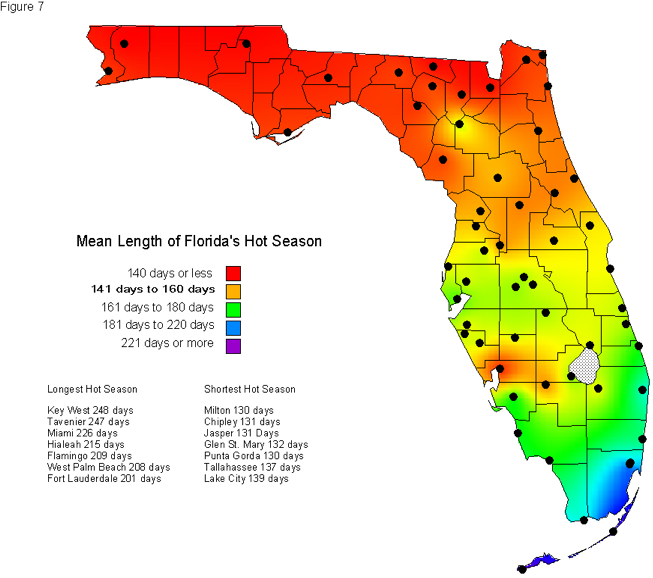
The allure of Florida is often tied to its consistent warmth, drawing millions seeking an escape from colder climates. However, “warm” can mean different things to different people, and the nuances of Florida’s climate truly shape the best way to enjoy its diverse offerings. From the humid embrace of summer to the delightfully mild days of winter, each season presents distinct opportunities and challenges for visitors. Planning your travel involves more than just booking flights and hotels; it means understanding the local weather patterns to maximize your enjoyment, whether you’re lounging by a resort pool, exploring historic landmarks, or engaging in thrilling outdoor activities.
Understanding Florida’s Climate: A Seasonal Guide
Florida’s climate is generally characterized as humid subtropical in the northern and central parts, transitioning to tropical in the southern regions, including The Florida Keys. This means hot, humid summers and mild to warm winters, with varying degrees of precipitation. Breaking down the year into distinct seasons helps illustrate the typical temperature trends and what to expect during your visit.
Winter Wonderland (December – February)
For many, Florida’s winter is its most appealing season. From December through February, the state experiences its driest and coolest period. Temperatures typically range from the low 60s to mid-70s Fahrenheit (15-24°C) during the day, making it ideal for outdoor activities without the oppressive heat and humidity of summer. Nighttime temperatures can drop into the 40s or 50s F (4-10°C), especially in northern and central regions, necessitating a light jacket or sweater.
This is peak season for “snowbirds” from colder northern climates, flocking to destinations like Miami, Fort Lauderdale, and Key West for their consistent warmth. Attractions like Universal Orlando Resort and Walt Disney World Resort remain popular, offering a more comfortable experience for navigating the parks. Golf courses are in prime condition, and beaches, while perhaps a bit cool for swimming for some, are perfect for sunbathing and leisurely strolls. The risk of hurricanes is practically nonexistent during this time.
Spring’s Embrace (March – May)
As winter gives way to spring, temperatures begin a steady climb, and the humidity slowly creeps back in. March and April offer some of the most pleasant weather, with average daily temperatures ranging from the high 60s to low 80s F (20-28°C). This period is characterized by plenty of sunshine and relatively low rainfall, making it another fantastic time to visit.
Spring break brings an influx of students and families, particularly to coastal cities like Daytona Beach and Panama City Beach. It’s an excellent time for water sports, exploring state parks, and enjoying outdoor festivals. By May, the heat and humidity become more noticeable, with temperatures often reaching the mid-80s F (30°C) and occasional afternoon thunderstorms signaling the transition towards summer. Sea temperatures become increasingly inviting for swimming and other aquatic adventures.
Summer’s Sizzle (June – August)
Florida’s summer is hot, humid, and wet. Daily temperatures frequently soar into the high 80s and low 90s F (30-35°C), often accompanied by high humidity that makes it feel even warmer. This is the rainy season, characterized by frequent afternoon thunderstorms that, while typically brief, can be intense. These storms often provide a temporary cooling relief.
The summer months also mark the official start of hurricane season (June 1st to November 30th), though the peak risk is usually from August through October. Despite the heat and rain, summer remains a popular time for family vacations, particularly due to school holidays. Theme parks like Busch Gardens in Tampa and water parks across the state become prime destinations. It’s also an excellent time for indoor attractions, museums, and enjoying Florida’s stunning coastline, where the warm waters of the Atlantic Ocean and the Gulf of Mexico are perfect for swimming and snorkeling.
Autumn’s Gentle Transition (September – November)
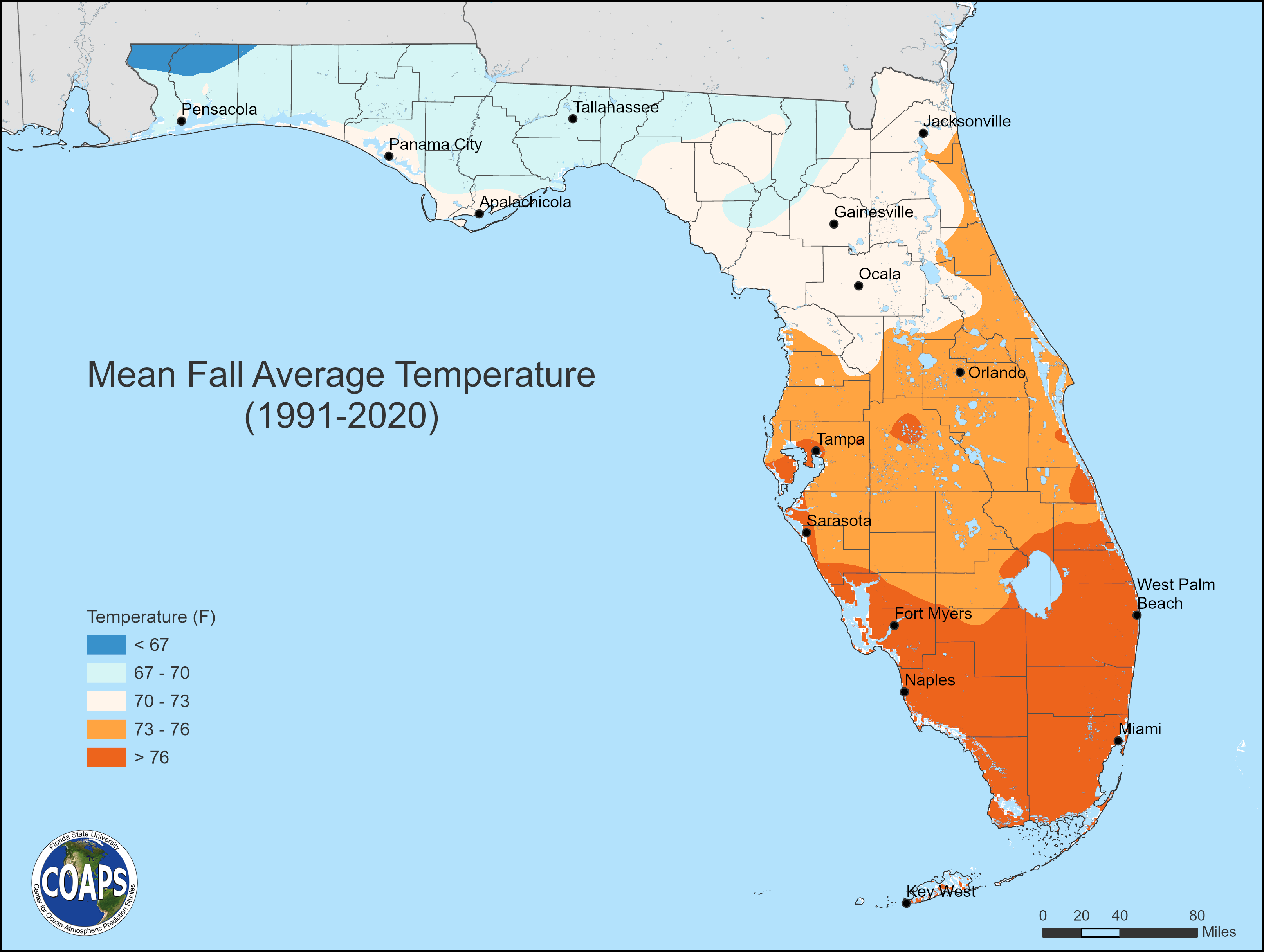
As summer gradually fades, autumn brings a welcome change in Florida. September and October are still warm, often mirroring late summer conditions with temperatures in the 80s F (27-32°C) and continued humidity. However, as November approaches, a noticeable crispness enters the air, particularly in the northern parts of the state.
The hurricane season continues through November, but the frequency typically decreases towards the end of the period. This “shoulder season” can be an excellent time to visit, offering fewer crowds, potentially lower accommodation prices, and pleasant weather, especially from mid-October onwards. It’s a great time for exploring natural attractions, enjoying outdoor dining, and experiencing local festivals without the intense summer heat or the peak-season crowds of winter. Average temperatures in November settle into the 70s F (21-26°C), making it ideal for everything from exploring historic St. Augustine to visiting the Kennedy Space Center.
Regional Temperature Variations Across the Sunshine State
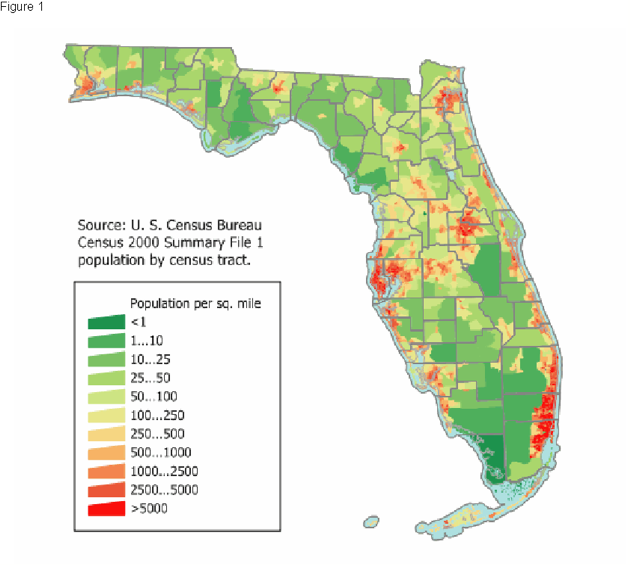
Florida is a large state, stretching over 400 miles from north to south. This considerable span, coupled with its proximity to both the Atlantic Ocean and the Gulf of Mexico, results in distinct regional temperature differences that are crucial for travelers to consider.
North Florida’s Milder Winters
Regions like Jacksonville, Tallahassee, and the Panhandle (including cities like Pensacola and Amelia Island) experience the most defined four seasons within Florida. Winters here are noticeably cooler than in the south, with average daytime temperatures in the 50s and 60s F (10-18°C) and nighttime lows frequently dipping into the 30s F (0-4°C). Frost can occur, and while rare, even occasional freezing temperatures are not unheard of. Summers are still hot and humid, but perhaps a touch less intense than South Florida. This region is ideal for those who prefer a taste of cooler weather during the winter while still enjoying plenty of sunshine, or for those seeking a less tropical summer experience.
Central Florida’s Balanced Climate
The central part of the state, home to major tourist hubs like Orlando, Tampa, and Daytona Beach, represents a sweet spot in Florida’s climate. Winters are mild and pleasant, with daytime temperatures typically in the 60s and 70s F (15-24°C), making it perfect for theme park visits and outdoor recreation. While cold snaps can occur, they are usually brief. Summers are consistently hot and humid, characteristic of Florida, with daily highs often in the high 80s to low 90s F (30-35°C), accompanied by afternoon thunderstorms. This region provides the quintessential Florida experience, balancing warm winters with hot summers, appealing to a wide range of travelers.
South Florida and The Keys: Tropical Warmth
South Florida, encompassing Miami, Fort Lauderdale, Palm Beach, and particularly The Florida Keys and Key West, boasts a truly tropical climate. Winters here are consistently warm, with daytime temperatures rarely dropping below the low 70s F (21-24°C), and often reaching the low 80s F (27°C). Nighttime lows are typically in the 60s F (15-20°C). This makes it a haven for those seeking year-round warmth, with comfortable conditions for beach activities, boating, and exploring the vibrant culture of cities like Miami. Summers are intensely hot and humid, with daily highs often in the low 90s F (32-35°C), and high humidity making it feel even warmer. The rainy season brings frequent afternoon showers. The proximity to the Caribbean and the Bahamas means that ocean breezes play a significant role in moderating coastal temperatures, providing some relief from the heat. For consistent, tropical warmth, South Florida is the destination of choice.
Planning Your Florida Trip Around the Thermometer
Understanding Florida’s temperatures isn’t just about curiosity; it’s a vital component of practical trip planning. The weather directly influences what you can do, where you can stay, and what you need to bring.
Activities and Attractions for Every Season
- Winter (December-February): Ideal for theme parks (less heat-related fatigue), golfing, hiking and biking in state parks, wildlife viewing (especially in the Everglades), and exploring cities. Outdoor dining is particularly pleasant.
- Spring (March-May): Excellent for beaches and water activities as the sea warms up, spring festivals, exploring botanical gardens, and continued enjoyment of theme parks before the peak summer heat.
- Summer (June-August): Perfect for water parks, swimming in the ocean or resort pools, indoor attractions like museums and aquariums, shopping, and enjoying lively nightlife. It’s crucial to plan outdoor activities for early mornings or late afternoons.
- Autumn (September-November): A great time for fishing, exploring coastal towns, less crowded theme park visits, and taking advantage of shoulder-season deals on cruises departing from Florida ports.
Accommodation Considerations: Beating the Heat or Chasing the Sun
Regardless of the season, air conditioning is a non-negotiable amenity in Florida accommodations. During the summer, a hotel or resort with a fantastic pool or easy beach access becomes a priority for cooling off. Many Florida resorts offer exceptional pool complexes, from lazy rivers to zero-entry pools, which can be a destination in themselves. In winter, while AC is still useful, the focus might shift to properties with heated pools or comfortable indoor lounges for cooler evenings. For those seeking long-term stays, particularly snowbirds, understanding seasonal utility costs (especially for cooling) can be important. Properties offering apartments or villas with outdoor living spaces are particularly attractive in the milder months.
Essential Packing Tips for Florida’s Weather
Your luggage will look very different depending on when and where you visit Florida:
- Summer: Light, breathable clothing (cotton, linen), swimsuits, wide-brimmed hats, sunglasses, high-SPF sunscreen, insect repellent (especially for evenings or natural areas), rain gear (a compact umbrella or lightweight poncho), and comfortable, waterproof sandals. Hydration is key, so consider a reusable water bottle.
- Winter: Layers are crucial. While days can be warm, mornings and evenings, especially in North and Central Florida, can be chilly. Pack t-shirts, long-sleeved shirts, light sweaters or hoodies, a medium-weight jacket, and comfortable walking shoes. Swimsuits are still a good idea for heated pools or warmer days in South Florida.
- Spring/Autumn: A mix of summer and winter essentials. Light clothing for warm days, a light jacket or cardigan for cooler evenings, and rain gear for sporadic showers.
Always check the local forecast for your specific destination just before your trip, as Florida weather can be unpredictable.
Making the Most of Florida’s Diverse Temperatures
Florida’s diverse climate allows it to cater to almost any traveler’s preferences, whether they crave endless sunshine, seek mild temperatures for active pursuits, or prefer a balance of both. The key is to align your expectations and itinerary with the expected temperatures.
The Best Time to Visit Florida: Tailoring Your Trip
- For Mild Weather and Outdoor Activities: The prime months are generally mid-October through May. During this period, particularly from November to April, the weather is most comfortable for theme parks, beaches, golfing, and exploring natural attractions.
- For Budget-Conscious Travelers and Water Lovers: June through September typically offers lower accommodation rates outside of major holiday weekends, and the warmest ocean temperatures. If you don’t mind the heat, humidity, and afternoon showers, this can be a rewarding time to visit, especially if you plan around water activities and indoor attractions.
- For Avoiding Crowds: The “shoulder seasons” of late April/May and September/October can be excellent. You’ll find a balance of pleasant weather and fewer tourists compared to the peak winter and spring break periods.
Consider that even within a season, different regions of Florida will offer different experiences. A winter trip to Sarasota might be perfect for enjoying Siesta Key Beach in pleasant 70-degree weather, while a trip to Jacksonville might require a jacket for evenings.
Conclusion: Embrace the Sunshine State
Ultimately, “What temperature is it in Florida?” isn’t a simple question with a single answer. It’s a dynamic reflection of a state that truly offers something for everyone, at almost any time of year. From the invigorating warmth of its winters to the vibrant, sun-drenched days of summer, Florida’s temperatures dictate the rhythm of life and tourism. By understanding these climatic patterns, travelers can make informed decisions, ensuring their journey to this North America gem in the United States is as comfortable and fulfilling as possible. Whether you’re chasing the sun, seeking adventure, or simply looking to relax, the Sunshine State awaits, ready to deliver a memorable experience perfectly tailored by its unique and inviting climate.
LifeOutOfTheBox is a participant in the Amazon Services LLC Associates Program, an affiliate advertising program designed to provide a means for sites to earn advertising fees by advertising and linking to Amazon.com. Amazon, the Amazon logo, AmazonSupply, and the AmazonSupply logo are trademarks of Amazon.com, Inc. or its affiliates. As an Amazon Associate we earn affiliate commissions from qualifying purchases.