
For travelers planning an escape to the middle of the Pacific, the allure of Hawaii lies in its reputation for eternal spring. When asking what the temperature is in these islands, the answer is rarely a simple number; it is a complex interplay of geography, trade winds, and microclimates. Understanding the climate of this archipelago is essential for anyone looking to optimize their wardrobe, schedule their excursions, and truly appreciate the natural majesty of the islands.
The Myth of Eternal Consistency
Many visitors arrive in Honolulu or Maui expecting uniform weather across the board. However, Hawaii’s climate is defined by its dramatic topography. Because the islands are essentially volcanic peaks rising from the ocean floor, they create their own weather patterns.
Coastal vs. Mountain Elevations
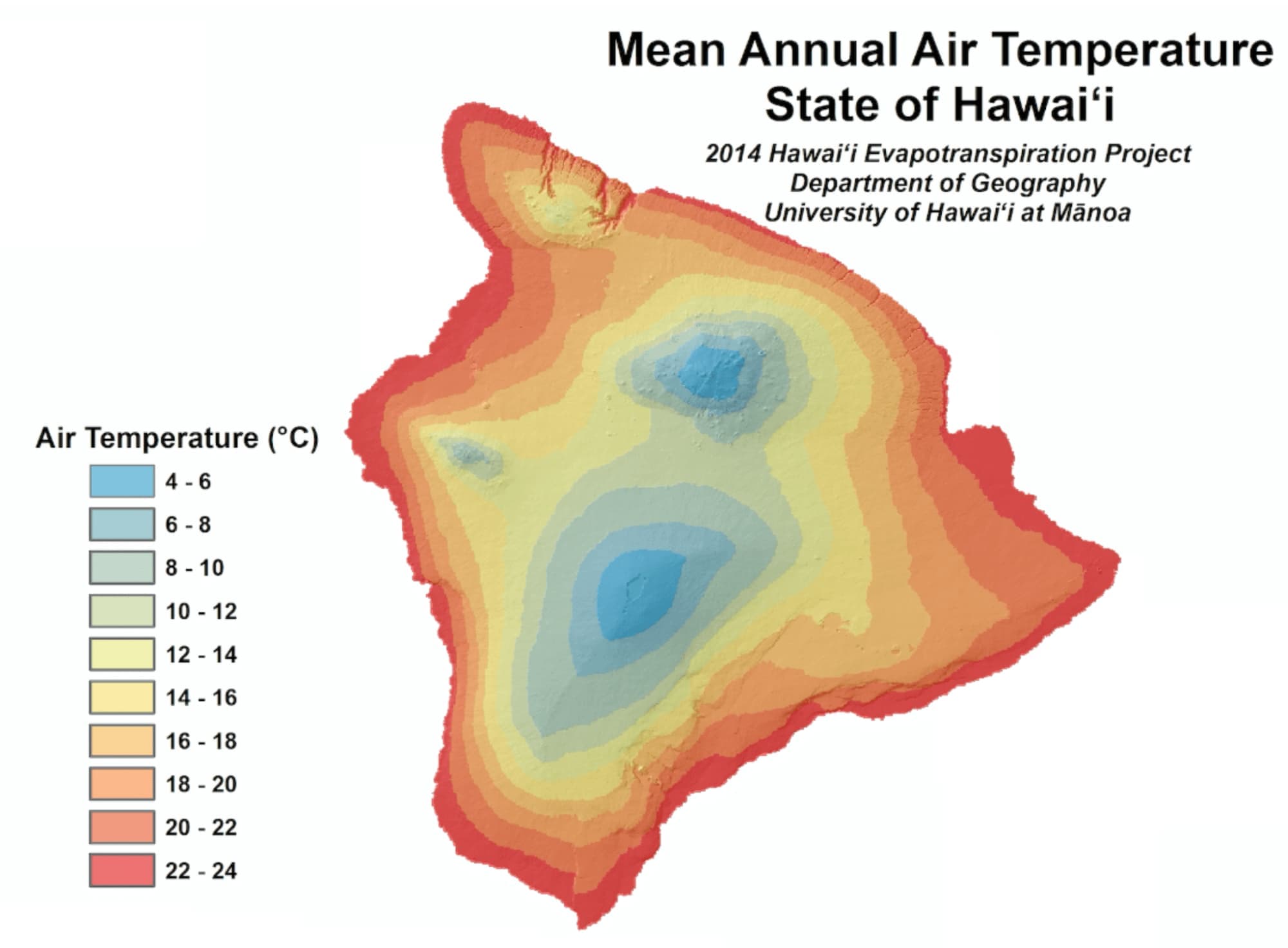
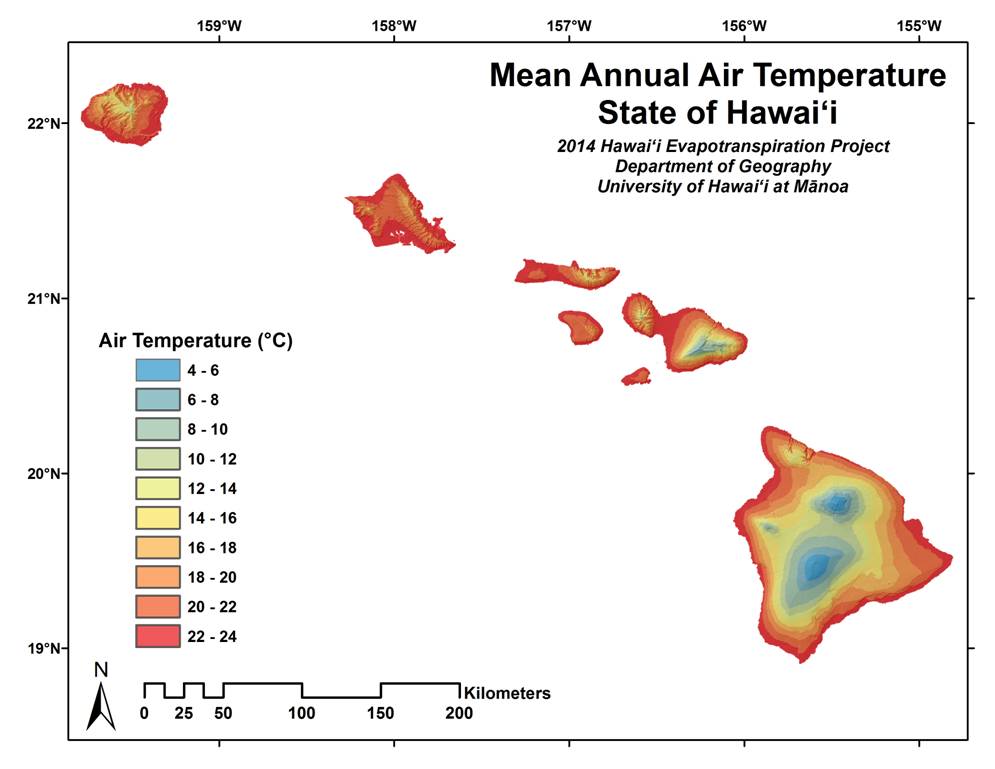
While the beaches of Waikiki might be bathing in a comfortable 80°F (27°C), the higher elevations of Haleakala on Maui or the slopes of Mauna Kea on the Big Island can drop to near-freezing temperatures, especially overnight. This vertical shift means that a traveler could theoretically experience tropical heat, temperate forests, and alpine cold all within a few hours of driving.
The Influence of Trade Winds
The consistent comfort of the Hawaiian islands is largely due to the northeast trade winds. These prevailing breezes act as a natural air conditioning system, tempering the humidity and keeping the air moving. When these winds die down—a phenomenon locals call “Kona weather”—the air can feel significantly heavier and warmer, a factor that seasoned travelers and local residents pay close attention to when planning outdoor activities.
Seasonal Fluctuations: Summer vs. Winter
While Hawaii does not experience the stark contrasts of four distinct seasons, there is a discernable difference between the warmer summer months and the cooler winter months. Knowing these subtle shifts can help you determine the best time for your specific travel goals, whether you are seeking sun-drenched beach days or the excitement of winter surfing.
The “Winter” Months (November to April)
During this period, temperatures at sea level generally range from the mid-60s to the low 80s Fahrenheit. This is the wet season, which brings more frequent showers, particularly on the windward (northeastern) sides of the islands, such as the lush landscapes of Kauai or the Hana coast. The trade winds can also be stronger, bringing in cooler air from the north. This is the peak time for surfers looking to catch the legendary swells on the North Shore of Oahu.

The “Summer” Months (May to October)
Summer in Hawaii is characterized by drier conditions and warmer ocean temperatures. Highs typically hover in the mid-to-high 80s, occasionally creeping into the 90s. The humidity is higher, but the near-constant breeze usually mitigates the heat. This is the optimal time for snorkeling in Molokini Crater or diving in the clearer, calmer waters found off the Kona Coast.
Navigating Microclimates Across the Islands
One of the most fascinating aspects of Hawaii for the traveler is the existence of distinct microclimates. You can stand in a desert-like environment and, by driving just ten miles inland, find yourself in a temperate rainforest. This diversity makes the destination perfect for those who dislike monotonous weather.
Windward vs. Leeward Sides
- Windward Sides: Facing the incoming trade winds, these regions—such as Hilo—receive significantly more rainfall. The result is an explosion of vibrant green vegetation, cascading waterfalls, and lush botanical gardens. If you are planning a trip to these areas, bring a light rain jacket, as showers can occur even on clear, sunny days.
- Leeward Sides: Protected by the mountain ranges, these sides—such as Lahaina or Kailua-Kona—are significantly drier and sunnier. These areas are ideal for travelers who prioritize beach time, sunbathing, and outdoor water sports.
High-Altitude Adventures
For those venturing up the mountains, particularly to visit the observatories on the Big Island, preparation is key. At 13,000 feet, the temperature can be 30 to 40 degrees lower than it is at the beach. Visitors who do not pack layers often find themselves unprepared for the biting chill of the summit. Always research the specific elevation of your destination, whether you are hiking the Kalalau Trail or visiting Volcanoes National Park.
Practical Tips for the Modern Traveler
When you are packing for Hawaii, the “layering” strategy is your best friend. Even if the forecast calls for a high of 85°F every day of your trip, the variability inherent in island geography requires flexibility.
Packing for the Climate
- Lightweight Basics: Focus on breathable fabrics like linen or moisture-wicking synthetics. They are essential for navigating the high-noon sun.
- Rain Protection: A compact, high-quality rain shell is worth its weight in gold. Tropical squalls are often short-lived but can be quite intense.
- The Mountain Layer: If you plan on any elevation gain, bring a fleece or a light down jacket. You will be grateful for it when the sun dips below the horizon at high altitudes.
- Sun Protection: Regardless of the temperature, the Hawaiian sun is intense. High-SPF sunscreen, polarized sunglasses, and a wide-brimmed hat are just as important as a thermometer when assessing how to spend your day.
Checking the Forecast
Apps and websites that provide localized weather data are far more accurate than generic island-wide forecasts. Look for reports that specify the district or town you are staying in, such as Princeville or Waimea. Because the weather changes rapidly, checking the forecast the morning of your activity is a standard practice for locals and seasoned tourists alike.
Ultimately, the temperature in Hawaii is rarely the deciding factor for travel, as the islands remain inviting year-round. Instead, the weather acts as a backdrop that shapes the island’s unique flora, fauna, and geography. By respecting the nuances of the climate—from the rainy windward valleys to the sun-baked leeward beaches—you can tailor your experience to find the perfect corner of paradise that matches your ideal temperature, ensuring your journey is as comfortable as it is breathtaking. Whether you are catching the sunrise from a summit or watching the sunset from the sands of Lanikai Beach, the warmth of Hawaii will stay with you long after the thermometer has returned to your home climate.
LifeOutOfTheBox is a participant in the Amazon Services LLC Associates Program, an affiliate advertising program designed to provide a means for sites to earn advertising fees by advertising and linking to Amazon.com. Amazon, the Amazon logo, AmazonSupply, and the AmazonSupply logo are trademarks of Amazon.com, Inc. or its affiliates. As an Amazon Associate we earn affiliate commissions from qualifying purchases.