
Planning a trip to New York City requires more than just booking flights and choosing the perfect accommodation; understanding the local climate is paramount to ensuring an unforgettable experience. New York, often referred to as the “Big Apple,” is renowned for its vibrant energy and iconic landmarks, but its weather patterns are just as dynamic, shifting dramatically with each season. From sweltering summer days to biting winter winds, the temperature in New York plays a crucial role in dictating what to pack, which activities to prioritize, and even where to stay. This guide delves deep into New York’s seasonal temperatures, offering insights into how to navigate its diverse climate like a seasoned traveler, whether you’re seeking a luxury escape or a budget-friendly adventure.
Understanding New York City’s Climate: A Four-Season Guide
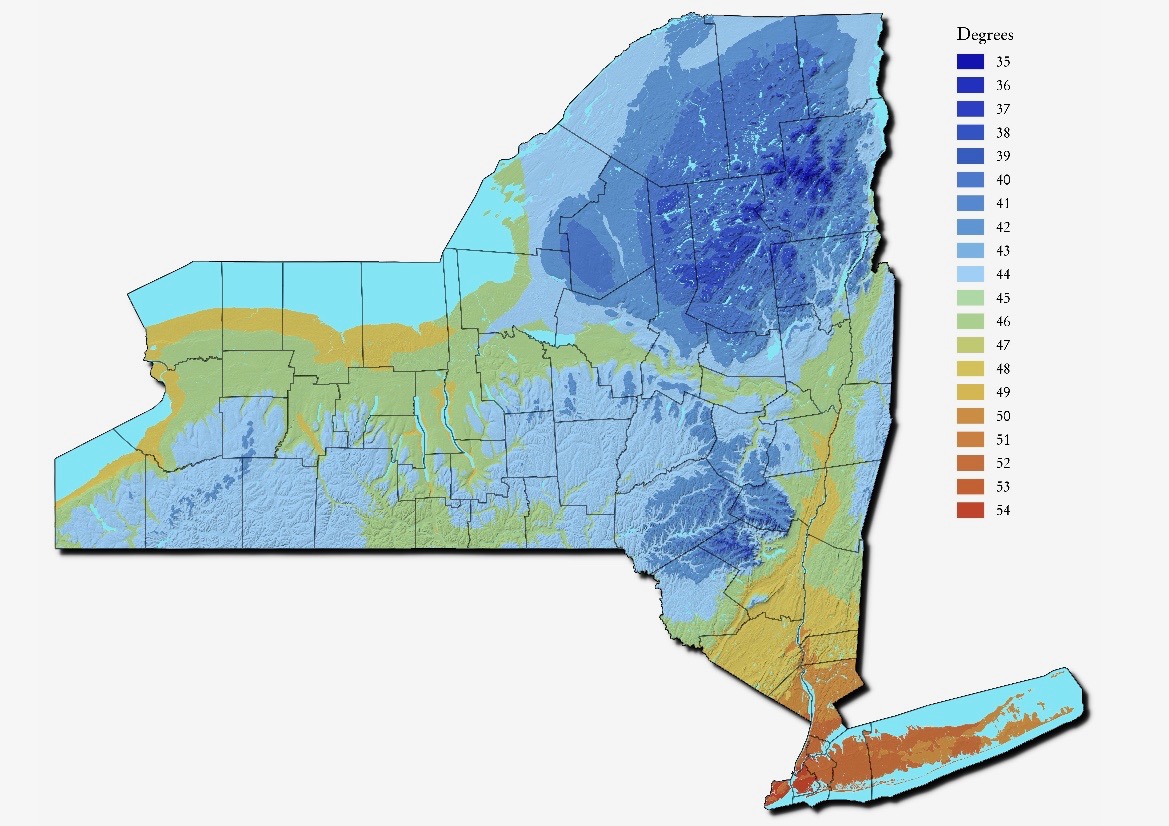
New York City experiences a humid continental climate, characterized by distinct seasons, each offering a unique charm and a specific range of temperatures. Knowing what to expect temperature-wise for each season is key to packing appropriately and making the most of your visit to this incredible metropolis.
Springtime in the City: Blooming and Mild (March to May)
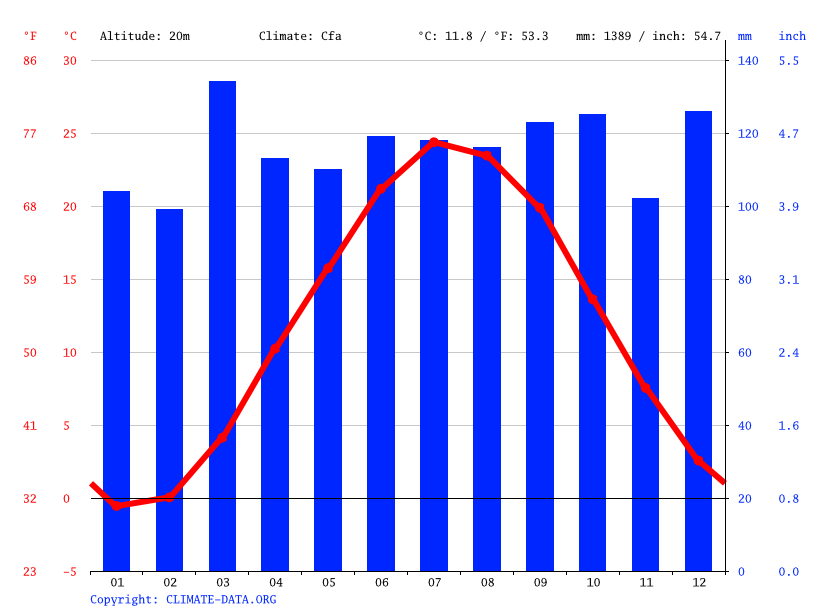
As winter’s chill recedes, New York blossoms into a temperate and increasingly pleasant spring. March can still feel quite chilly, with average temperatures ranging from 35-50°F (2-10°C), often bringing late-season snow flurries. However, by April and May, the city truly comes alive, boasting average temperatures between 45-65°F (7-18°C), with many days reaching a comfortable 70°F (21°C). Rainfall is moderate throughout spring, with occasional showers adding to the city’s fresh, clean feel.
Spring is an ideal time for travelers who enjoy milder weather and vibrant natural beauty. The blooming flowers in Central Park, the blossoming trees along the High Line, and the fragrant gardens across the boroughs provide breathtaking backdrops for leisurely strolls and photography. Outdoor dining begins to flourish, with restaurants opening up their patios and rooftop bars coming out of hibernation. Popular attractions like the Statue of Liberty and Ellis Island become more enjoyable to explore without the extreme heat or cold. For those considering accommodation, New York hotels with accessible outdoor spaces or rooms overlooking Central Park become particularly appealing. Packing layers is crucial for spring, as mornings can be crisp, while afternoons warm up considerably. A light jacket, sweaters, and comfortable walking shoes are essential for navigating the city’s diverse landscapes and impromptu adventures.
Summer in the Big Apple: Hot, Humid, and Vibrant (June to August)
New York City’s summers are characterized by warmth, humidity, and a buzzing energy that permeates every street corner. Average temperatures typically range from 70-85°F (21-29°C), but heatwaves pushing temperatures into the 90s°F (30s°C) with high humidity are not uncommon. Evenings remain warm, providing perfect conditions for alfresco dining and enjoying the city’s nightlife.
Despite the heat, summer is a peak tourist season, drawing visitors with its array of outdoor festivals, free concerts, and lively beach culture. Coney Island and the Rockaways offer refreshing escapes for beachgoers, while the city’s numerous parks host open-air movie nights and performances. Exploring iconic landmarks like the Empire State Building or Top of the Rock offers spectacular views, but it’s wise to plan visits during cooler parts of the day or take advantage of air-conditioned indoor spaces. Accommodation choices during summer should prioritize air conditioning, and hotels with rooftop pools or private balconies can provide a welcome respite from the urban heat. Light, breathable clothing, sunscreen, a hat, and plenty of hydration are non-negotiable for a summer visit. For families, attractions like the Bronx Zoo or the New York Aquarium offer engaging activities, often with shaded areas to beat the heat.
Autumn’s Embrace: Crisp Air and Fall Foliage (September to November)
Many consider autumn the most picturesque time to visit New York, and for good reason. The humidity of summer gives way to crisp, clear air, and the city’s parks explode with a riot of fall colors. September sees average temperatures around 60-70°F (15-21°C), gradually cooling to 45-55°F (7-13°C) in October and 35-45°F (2-7°C) by November. Rainfall is generally moderate, making for pleasant sightseeing conditions.
The comfortable temperatures and stunning scenery make autumn ideal for exploring New York’s neighborhoods on foot. A stroll across the Brooklyn Bridge offers panoramic views of the Manhattan skyline bathed in autumn hues, while a visit to Central Park reveals a breathtaking tapestry of reds, oranges, and yellows. This season is perfect for cultural excursions, with Broadway shows in full swing and museums like the Metropolitan Museum of Art or the Museum of Modern Art (MoMA) offering world-class exhibitions. The culinary scene thrives with harvest festivals and seasonal menus. Packing for autumn involves layering, much like spring, but with an emphasis on warmer outerwear as the season progresses. A stylish trench coat, warm sweaters, and comfortable boots are perfect for blending in with the sophisticated New York street style while staying comfortable. This is also a popular time for romantic getaways, with boutique hotels in areas like Greenwich Village or SoHo offering cozy and charming accommodation options.
Winter Wonderland: Chilly, Snowy, and Festive (December to February)
New York winters are undeniably cold, with average temperatures ranging from 25-40°F (-4-4°C), often dropping below freezing. Snowfall is common, transforming the city into a picturesque winter wonderland, especially during the holiday season. Occasional ice storms can occur, and biting winds from the Hudson River and East River can make it feel even colder.
Despite the chill, winter is a magical time to visit, particularly from Thanksgiving through New Year’s Day, when the city sparkles with festive decorations. Iconic holiday attractions include the Christmas tree at Rockefeller Center, ice skating in Bryant Park or Central Park, and the dazzling window displays along Fifth Avenue. While outdoor activities are limited by the cold, the city offers an abundance of indoor experiences, from world-class museums like the American Museum of Natural History to the vibrant performing arts scene on Broadway. Warm, waterproof clothing is essential: a heavy winter coat, gloves, hats, scarves, and waterproof boots are a must. For accommodation, seek out hotels with cozy lobbies, roaring fireplaces, or indoor amenities like heated pools and spas, which provide a luxurious escape from the cold. Business travelers will find navigating the city during winter can be challenging due to potential weather-related transit delays, so allowing extra travel time is advisable.
Planning Your New York City Trip: Seasonal Considerations
Understanding the temperatures is just the first step. To truly optimize your New York experience, it’s essential to integrate this knowledge into your planning, from what you pack to where you stay and what you do.
Packing Essentials for Every Season
Spring (March-May):
- Clothing: Layers are key. Light sweaters, long-sleeved shirts, blouses, light jackets (denim, trench coat), comfortable jeans/trousers, dresses/skirts for warmer days.
- Outerwear: A waterproof or water-resistant light jacket.
- Footwear: Comfortable walking shoes, closed-toe flats, or stylish sneakers. An umbrella is also a good idea.
Summer (June-August):
- Clothing: Breathable fabrics like cotton and linen. T-shirts, tank tops, shorts, light dresses, skirts. A light cardigan or shawl for air-conditioned indoor spaces.
- Outerwear: None needed typically, unless for a specific evening event or heavily air-conditioned venue.
- Footwear: Sandals, open-toe shoes, comfortable sneakers. Swimsuit if planning beach or pool visits.
- Accessories: Sunglasses, hat, sunscreen, reusable water bottle.
Autumn (September-November):
- Clothing: Medium-weight sweaters, long-sleeved shirts, jeans, trousers. Warmer dresses/skirts with tights.
- Outerwear: A medium-weight jacket (leather, bomber, peacoat) for early autumn, transitioning to a heavier coat as November approaches.
- Footwear: Comfortable walking boots, ankle boots, closed-toe flats.
- Accessories: Scarf for late autumn.
Winter (December-February):
- Clothing: Thermal base layers, heavy sweaters (wool, fleece), long-sleeved shirts, warm trousers or jeans.
- Outerwear: A heavy, insulated, waterproof winter coat (down or similar).
- Footwear: Waterproof, insulated boots with good grip.
- Accessories: Warm hat, gloves or mittens, thick scarf.
Accommodation Choices and Seasonal Demand
The temperature in New York directly influences demand and pricing for accommodation. Peak seasons like summer and the winter holidays see higher hotel rates and fewer availabilities, while the shoulder seasons (late spring, early autumn) and the heart of winter often offer better deals.
- Summer: When temperatures soar, hotels with outdoor pools, such as those found in Manhattan and Brooklyn, become highly sought after. Air conditioning is a non-negotiable amenity. Consider boutique hotels with rooftop bars or spacious suites for added comfort and leisure.
- Winter: During the colder months, a hotel’s indoor amenities become crucial. Look for accommodations with cozy lounges, fitness centers, indoor heated pools, or even in-room fireplaces if you’re seeking a luxurious stay. Proximity to subway stations is also a major plus to minimize outdoor exposure during commutes.
- Shoulder Seasons (Spring & Autumn): These seasons often provide the best value. You can find excellent deals on a range of accommodation types, from luxury hotels to serviced apartments, allowing you to enjoy the city’s comfortable temperatures without breaking the bank. These periods are perfect for booking longer stays in apartment-style accommodations, allowing for a more immersive local experience.
Always check for amenities relevant to the season when booking. Whether it’s a resort-style hotel with a spa for a relaxing winter break or an apartment with a private terrace for summer evenings, matching your accommodation to the season enhances your overall trip experience.
Navigating New York’s Attractions Year-Round
Every New York landmark offers a different experience depending on the weather.
- Outdoor Landmarks: Central Park, the High Line, Brooklyn Bridge, Statue of Liberty, and Ellis Island are best enjoyed in spring, summer, and autumn. While stunning after a fresh snowfall, winter visits require considerable bundling up. Summer requires early morning or late afternoon visits to avoid peak heat.
- Panoramic Views: Observation decks like the Empire State Building, Top of the Rock, and One World Observatory offer spectacular vistas year-round. On very cold or hot days, the indoor viewing areas are a welcome feature. Clear, crisp autumn days often provide the best visibility.
- Indoor Attractions: Museums such as the Metropolitan Museum of Art, the Museum of Modern Art, and the American Museum of Natural History, along with the vibrant Broadway theater district, Grand Central Terminal, and the shops along Fifth Avenue, are perfect for any weather. They provide excellent refuge from extreme temperatures and are especially popular during winter and on rainy days. Planning your itinerary with a mix of indoor and outdoor activities ensures flexibility regardless of the day’s temperature.
Lifestyle and Budgeting Across the Seasons
The time of year you visit New York can significantly impact both your travel style and your budget.
Luxury vs. Budget Travel in NYC
Peak Season (Summer & Winter Holidays):
- Luxury Travel: This is when New York truly shines for luxury travelers. Exclusive rooftop parties, high-end dining experiences, and premium hotel suites are in high demand. During the winter holidays, luxury shopping, bespoke experiences, and elaborate festive events cater to those seeking an opulent escape. Expect higher prices for flights, hotels, and sometimes even attractions.
- Budget Travel: While challenging, budget travel is still possible. Look for hotel alternatives like hostels or guesthouses further outside Manhattan in boroughs like Brooklyn or Queens. Utilize free attractions (e.g., walking the Brooklyn Bridge, exploring Central Park), take advantage of happy hour deals, and dine at local delis and food trucks. Booking well in advance is crucial to secure better prices.
Off-Peak / Shoulder Seasons (Late Winter, Early Spring, Late Autumn):
- Luxury Travel: These periods can offer excellent value for luxury travelers. You might find better deals on premium hotel suites, spa packages, and high-end dining experiences. The city is less crowded, allowing for a more serene and exclusive experience.
- Budget Travel: This is the sweet spot for budget-conscious travelers. Lower demand often translates to reduced prices for flights and accommodation. You can often find great deals on hotels that would be out of reach during peak season. Many attractions also offer off-season discounts, and dining deals are more prevalent. Early spring and late autumn, with their pleasant temperatures, offer the best balance of good weather and reasonable costs.
Family Trips and Business Stays
Family Trips:
- Summer: Ideal for families with school-aged children due to summer breaks. The warm weather allows for a wide range of outdoor activities like theme parks, zoos, and beaches. However, be prepared for crowds and higher prices.
- Winter Holidays: A magical time for families, with festive decorations and events like ice skating and holiday markets. Requires careful planning for cold weather and higher costs.
- Spring/Autumn: Excellent for families seeking milder temperatures and fewer crowds than peak summer. Activities like park exploration, museum visits, and Broadway shows are enjoyable without the extremes of summer heat or winter cold.
Business Stays:
- Year-Round: New York is a global business hub, so business travel occurs continuously. However, specific considerations based on temperature are important.
- Summer: Business attire might need to be lighter; factor in higher humidity. Hotels with excellent air conditioning and reliable transportation access are key.
- Winter: Warm overcoats, practical footwear, and allowing extra travel time due to potential weather disruptions are essential. Choosing hotels close to your meeting locations or with easy subway access minimizes time spent in the cold.
- Spring/Autumn: These seasons generally offer the most comfortable temperatures for business travel, making commuting and networking events more pleasant.
In conclusion, the temperature in New York is a central character in your travel narrative, shaping every aspect of your visit. From the balmy evenings of summer to the crisp air of autumn, the festive chill of winter, and the rejuvenating warmth of spring, New York City offers a kaleidoscope of experiences unique to each season. By understanding these climatic nuances and planning accordingly, you can ensure your trip is not just a visit, but a truly immersive and comfortable journey through one of the world’s most dynamic cities. So, check the forecast, pack smart, and prepare to embrace the ever-changing charm of New York, no matter the temperature.
LifeOutOfTheBox is a participant in the Amazon Services LLC Associates Program, an affiliate advertising program designed to provide a means for sites to earn advertising fees by advertising and linking to Amazon.com. Amazon, the Amazon logo, AmazonSupply, and the AmazonSupply logo are trademarks of Amazon.com, Inc. or its affiliates. As an Amazon Associate we earn affiliate commissions from qualifying purchases.