
Navigating the regulatory landscape of vehicle emissions testing can be a crucial aspect of planning any extended stay or road trip through Texas. As visitors and even new residents plan their journeys and logistics for 2025, understanding which counties mandate these inspections is paramount. Emissions testing, a measure designed to improve air quality and reduce pollution, can impact vehicle operability and travel plans if overlooked. This guide delves into the specifics of Texas emissions testing requirements, focusing on the counties expected to enforce these regulations in 2025, offering clarity for travelers and those considering a move within the Lone Star State.

Understanding Texas Emissions Inspection Program (IEP)
The Texas Implementation of the National Air Quality Standards (IEP), commonly referred to as the Emissions Inspection Program (IEP), is a state-mandated program aimed at reducing air pollution. The program’s scope and enforcement are not uniform across the entire state. Instead, it is concentrated in the most populous and economically active regions where air quality concerns are more pronounced. These areas are typically part of the Texas Air Quality Control Region, which has historically struggled to meet federal air quality standards.
The Rationale Behind Emissions Testing
The primary objective of the IEP is to ensure that vehicles operating within designated counties meet certain air pollution standards. Internal combustion engines, while essential for transportation, release various pollutants into the atmosphere, including carbon monoxide, hydrocarbons, and nitrogen oxides. These pollutants contribute to smog formation, acid rain, and can have detrimental effects on public health, leading to respiratory problems and other illnesses. By requiring regular emissions testing, Texas aims to identify vehicles that are not operating efficiently and are contributing disproportionately to air pollution. Prompt repairs can then bring these vehicles into compliance, thereby improving overall air quality in affected regions.
Program Scope and Exemptions
It is important to note that not all vehicles are subject to emissions testing. Generally, the program targets passenger cars and light-duty trucks. Specific exemptions often apply to:
- New Vehicles: Vehicles typically receive an exemption from emissions testing for their first five model years, provided they are registered in a testing county.
- Older Vehicles: Vehicles that are 25 years or older model year are often exempt. This exemption is based on the understanding that older vehicles may not have the same emissions control technology as modern cars and are typically driven fewer miles.
- Motorcycles: Motorcycles are generally exempt from the emissions testing requirements.
- Heavy-Duty Vehicles: Larger trucks and commercial vehicles may be subject to different regulations or may be exempt from the standard passenger vehicle emissions test.
- Electric and Hybrid Vehicles: Vehicles that produce zero tailpipe emissions, such as most electric vehicles, are typically exempt from the emissions testing requirements.
The specific details of these exemptions can change, so it is always advisable to consult the official Texas Department of Public Safety (DPS) or the Texas Commission on Environmental Quality (TCEQ) for the most up-to-date information.
Identifying Counties with Emissions Testing in 2025
The Texas Air Quality Control Region is divided into various areas, with the most stringent emissions testing requirements typically found in the non-attainment areas, those that have historically failed to meet federal air quality standards. These areas are generally located in the eastern and central parts of the state, particularly around major metropolitan centers. While legislative changes can occur, the core counties that have historically required emissions testing are expected to continue to do so in 2025.
Major Metropolitan Areas Requiring Testing
The most significant concentration of counties requiring emissions testing will likely remain in and around the state’s largest urban hubs. These areas have the highest vehicle density and, consequently, the greatest potential for emissions-related air quality issues.
-
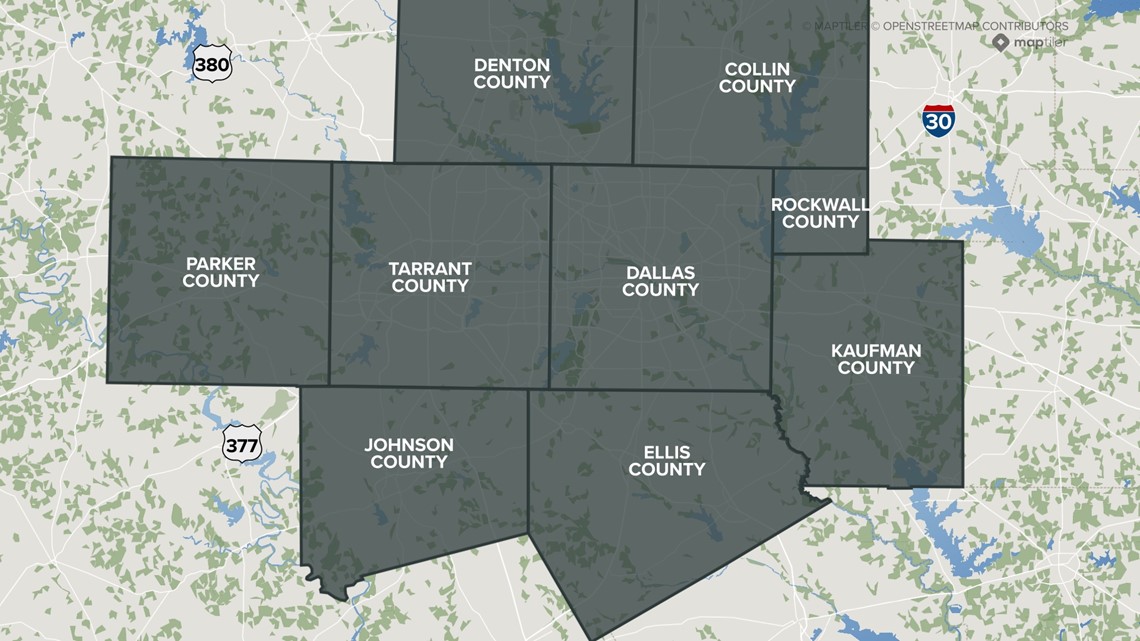
The Dallas-Fort Worth Metroplex: This sprawling metropolitan region is a consistent area for emissions testing. Counties typically included are:
- Collin County
- Dallas County
- Denton County
- Ellis County
- Fannin County
- Hunt County
- Johnson County
- Kaufman County
- Parker County
- Rockwall County
- Tarrant County
- Van Zandt County
- Wise County
- Montague County
-
The Houston-Galveston Area: Another heavily populated region with significant air quality concerns, this area will also likely continue its emissions testing mandates. Counties commonly included are:
- Brazoria County
- Chambers County
- Fort Bend County
- Galveston County
- Harris County
- Liberty County
- Montgomery County
- Waller County
- Wharton County
-
The Austin-Round Rock Metropolitan Area: As Texas continues to grow, so does the focus on air quality in its capital region.
- Bastrop County
- Caldwell County
- Hays County
- Travis County
- Williamson County
-
The San Antonio Metropolitan Area: The seventh-largest city in the United States, San Antonio and its surrounding areas also fall under emissions testing requirements.
- Bexar County
- Comal County
- Guadalupe County
- Kendall County
- Medina County
Other Potential Testing Counties
Beyond these major metropolitan clusters, other counties have historically been part of the emissions testing program due to their proximity to larger non-attainment areas or specific local air quality concerns. It is prudent for travelers and residents to verify their specific county’s status. Examples of counties that have been included in the past and may continue to be in 2025 include:
- El Paso County (Note: El Paso has its own unique air quality challenges and testing requirements.)
- Smith County (historically part of the program)
- Gregg County (historically part of the program)
- Bell County (historically part of the program)
- Coryell County (historically part of the program)
- Lampasas County (historically part of the program)
- McLennan County (historically part of the program)
- Milam County (historically part of the program)
- Hamilton County (historically part of the program)
- Potter County (historically part of the program)
- Randall County (historically part of the program)
How to Verify Emissions Testing Requirements
Given the dynamic nature of environmental regulations and the possibility of legislative amendments, it is essential for anyone planning to drive in Texas in 2025 to verify the current requirements. The most reliable sources for this information are:
- Texas Department of Public Safety (DPS): The DPS oversees vehicle registration and inspection. Their website is an excellent resource for understanding current inspection laws.
- Texas Commission on Environmental Quality (TCEQ): The TCEQ is the primary agency responsible for air quality in Texas and manages the Emissions Inspection Program. Their official publications and online resources will provide the most definitive list of counties and program details.
- Local County Tax Assessor-Collector Offices: These offices handle vehicle registration and can provide localized information on inspection requirements.
When registering a vehicle or bringing one into Texas, confirming the emissions testing status of the county of residence is a crucial step. For visitors, understanding if their travel route will take them through a testing county can help avoid unexpected delays or fines.
Implications for Travelers and New Residents
The requirement for emissions testing has direct implications for anyone planning to travel through or relocate to Texas in 2025.
For Visitors and Tourists
If your travel plans involve driving in Texas, particularly if you are driving your own vehicle, it is important to consider emissions testing requirements.
- Out-of-State Vehicles: While Texas does not typically require vehicles registered in other states to undergo its emissions testing, it is crucial to ensure your vehicle is in good mechanical condition and meets the general safety and operational standards of Texas. Some localized enforcement might occur, so maintaining your vehicle well is always advisable.
- Vehicle Rentals: Rental car companies operating within Texas are responsible for ensuring their fleet meets state inspection requirements. If you are renting a car for travel within a testing county, the vehicle will already be compliant.
- Route Planning: If you are driving a vehicle registered outside of Texas and are simply passing through a testing county, you generally do not need to get an inspection in Texas. However, it is always best practice to be informed of local laws to avoid any misunderstandings or potential citations.
For New Residents
For individuals planning to move to Texas and establish residency in 2025, understanding emissions testing is a critical part of the vehicle registration process.
- Vehicle Registration: Once you establish residency in Texas, you will need to register your vehicle with the state. If you are moving to a county that requires emissions testing, you will need to obtain a passing inspection certificate before you can complete your vehicle registration.
- Inspection Stations: There are numerous certified inspection stations throughout the state. These stations are authorized to perform both safety and emissions inspections. It is advisable to locate a reputable station in your new area.
- Two-Year Inspections: In Texas, vehicles requiring emissions testing also undergo a safety inspection. For new vehicles and those that pass emissions, these inspections are typically valid for two years. However, for older vehicles or those with specific issues, annual inspections may be required. Always check the latest regulations.
- Cost of Inspections: The cost of emissions and safety inspections is regulated by the state. While the exact fees can vary slightly, they are generally affordable and represent a necessary expense for vehicle ownership in designated counties.
Maintaining Vehicle Compliance for Smooth Travel
Ensuring your vehicle is compliant with Texas emissions testing requirements is a straightforward process if approached proactively.
Proactive Vehicle Maintenance
The best strategy for passing an emissions test is to maintain your vehicle regularly. This includes:
- Regular Oil Changes: Using the correct grade of oil and changing it at recommended intervals helps the engine run more efficiently.
- Spark Plug and Filter Replacements: Worn spark plugs and clogged air filters can significantly impact engine performance and emissions.
- Catalytic Converter Check: The catalytic converter is a vital component of the emissions control system. If it is damaged or malfunctioning, your vehicle will likely fail the test.
- Oxygen Sensor Functionality: Oxygen sensors monitor the amount of oxygen in the exhaust and help the engine’s computer adjust the air-fuel mixture for optimal combustion.
What to Expect During an Emissions Test
An emissions test typically involves connecting a diagnostic tool to your vehicle’s onboard diagnostic (OBD-II) port. This tool communicates with the vehicle’s computer to check for any diagnostic trouble codes (DTCs) that may indicate an emissions-related problem. For some older vehicles that may not have an OBD-II port, a “tailpipe” test might be conducted, which directly measures the pollutants coming from the exhaust.
- OBD-II Scan: This is the most common method for modern vehicles. The scan checks for codes related to the engine control module, catalytic converter, oxygen sensors, and other emissions control components.
- Tailpipe Test: For vehicles that predate the OBD-II system (generally model year 1995 and older, though this can vary), a tailpipe test may be performed. This involves inserting a probe into the exhaust pipe to measure the concentration of specific pollutants.
Addressing Failed Inspections
If your vehicle fails an emissions test, you will be given a report detailing the reasons for failure. You will then have a limited period (usually 60 days) to make the necessary repairs and have the vehicle re-inspected.
- Repair Waivers: In some cases, if you incur significant expenses on repairs aimed at passing the emissions test and still fail, you may be eligible for a repair waiver, allowing you to register your vehicle for a limited time. These waivers have specific criteria and are not guaranteed.
- Qualified Mechanics: It is recommended to take your vehicle to a qualified mechanic who is experienced in emissions diagnostics and repairs. They can identify and fix the underlying issues that caused the failure.
By staying informed about the counties that require emissions testing in 2025 and maintaining your vehicle, you can ensure a smooth and compliant experience while navigating the diverse landscapes and vibrant cities of Texas. This proactive approach is key to enjoying your travels or settling into your new home without unnecessary complications.
LifeOutOfTheBox is a participant in the Amazon Services LLC Associates Program, an affiliate advertising program designed to provide a means for sites to earn advertising fees by advertising and linking to Amazon.com. Amazon, the Amazon logo, AmazonSupply, and the AmazonSupply logo are trademarks of Amazon.com, Inc. or its affiliates. As an Amazon Associate we earn affiliate commissions from qualifying purchases.