
Alaska, a vast expanse of unparalleled natural beauty and rugged wilderness, often conjures images of immense landscapes, abundant wildlife, and a sense of remoteness. While its geographical size is undeniably impressive, many travelers and prospective visitors find themselves curious about the human element of this unique state. Specifically, the question often arises: What is the population of Alaska? Understanding the population density, distribution, and demographic makeup of Alaska offers a crucial perspective for those planning a visit, whether for a thrilling adventure, a relaxing resort stay, or an immersive cultural experience. This exploration delves into the numbers, the reasons behind them, and how they shape the Alaskan experience.

Understanding Alaska’s Population Landscape
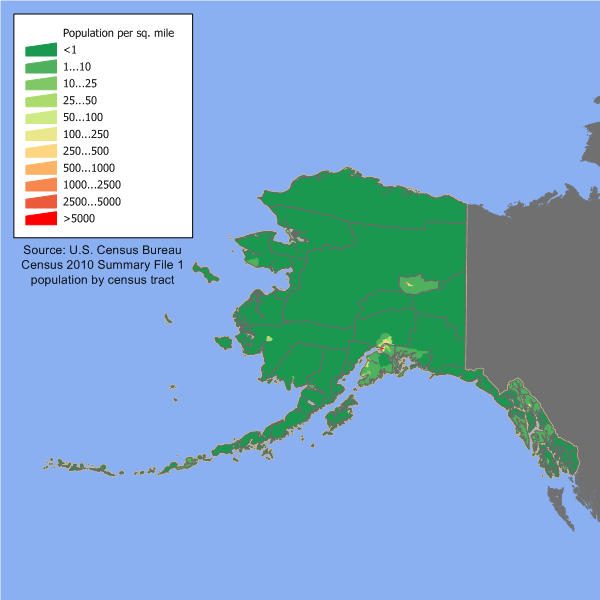
The population of Alaska is a defining characteristic that influences everything from the accessibility of its attractions to the intimacy of its cultural encounters. Unlike more densely populated states, Alaska’s human inhabitants are spread thinly across its immense territory. This sparsity is a direct consequence of its challenging climate, limited infrastructure in many areas, and the sheer scale of its natural environments.
As of recent estimates, the population of Alaska hovers around 733,583 residents. This figure, while seemingly modest for a state spanning over 665,000 square miles, is a crucial piece of information for anyone considering travel to or within Alaska. It means that large swathes of the state are virtually uninhabited, preserving their pristine natural beauty and offering a profound sense of solitude to those who venture there. This low population density is a key factor in Alaska’s appeal for those seeking to escape the hustle and bustle of urban life and reconnect with nature.
The distribution of this population is also noteworthy. The majority of Alaskans reside in and around a few key urban centers. The largest city, Anchorage, is home to a significant portion of the state’s residents, making it the primary hub for commerce, transportation, and many of Alaska’s most popular attractions. Other notable population centers include Fairbanks in the interior and the capital city, Juneau, nestled in the Panhandle. These cities serve as gateways for travelers, offering a range of accommodations from comfortable hotels to luxurious resorts, and providing access to guided tours, local cuisine, and a glimpse into Alaskan lifestyle.
Key Demographics and Their Impact on Tourism
The demographics of Alaska’s population play a vital role in shaping the tourism landscape. Understanding who lives in Alaska, their cultural heritage, and their relationship with the land provides a deeper appreciation for the experiences available to visitors.
The Indigenous Heritage of Alaska
A significant and integral part of Alaska’s population comprises its Indigenous peoples. These communities, including the Alaska Native peoples such as the Tlingit, Haida, Tsimshian, Athabascan, Yup’ik, Cup’ik, and Inupiat, have inhabited this land for millennia. Their rich cultural traditions, deep connection to the environment, and unique artistic expressions are a cornerstone of Alaska’s cultural tourism. Visitors have opportunities to learn about their history, witness traditional dances, explore authentic crafts, and understand their sustainable living practices. Many Indigenous-owned businesses and cultural centers across Alaska, particularly in areas like Juneau and Fairbanks, offer invaluable insights. Experiencing this cultural heritage is often a highlight for travelers seeking a more profound connection with the destination beyond the iconic natural landmarks.
Age Distribution and Its Implications
The age distribution of Alaska’s population also influences the types of tourism activities that are popular. While Alaska attracts visitors of all ages, there’s a notable presence of younger adults and families drawn to its outdoor adventures, as well as retirees who appreciate the state’s natural beauty and slower pace of life. This demographic balance ensures a diverse range of services and attractions, from family-friendly resorts with child-oriented activities to more adventurous expeditions catering to thrill-seekers. The demand for various types of accommodation, from budget-friendly apartments for longer stays to luxury suites for those seeking comfort, is also shaped by these demographic trends.
Alaska’s Population Centers: Hubs of Activity and Accommodation
While the image of Alaska is often one of vast, empty wilderness, its population centers are vibrant hubs of culture, commerce, and hospitality. These cities and towns are where most visitors begin their journeys, find their lodging, and access the services that make their Alaskan experience memorable.
Anchorage: The Gateway to Alaska
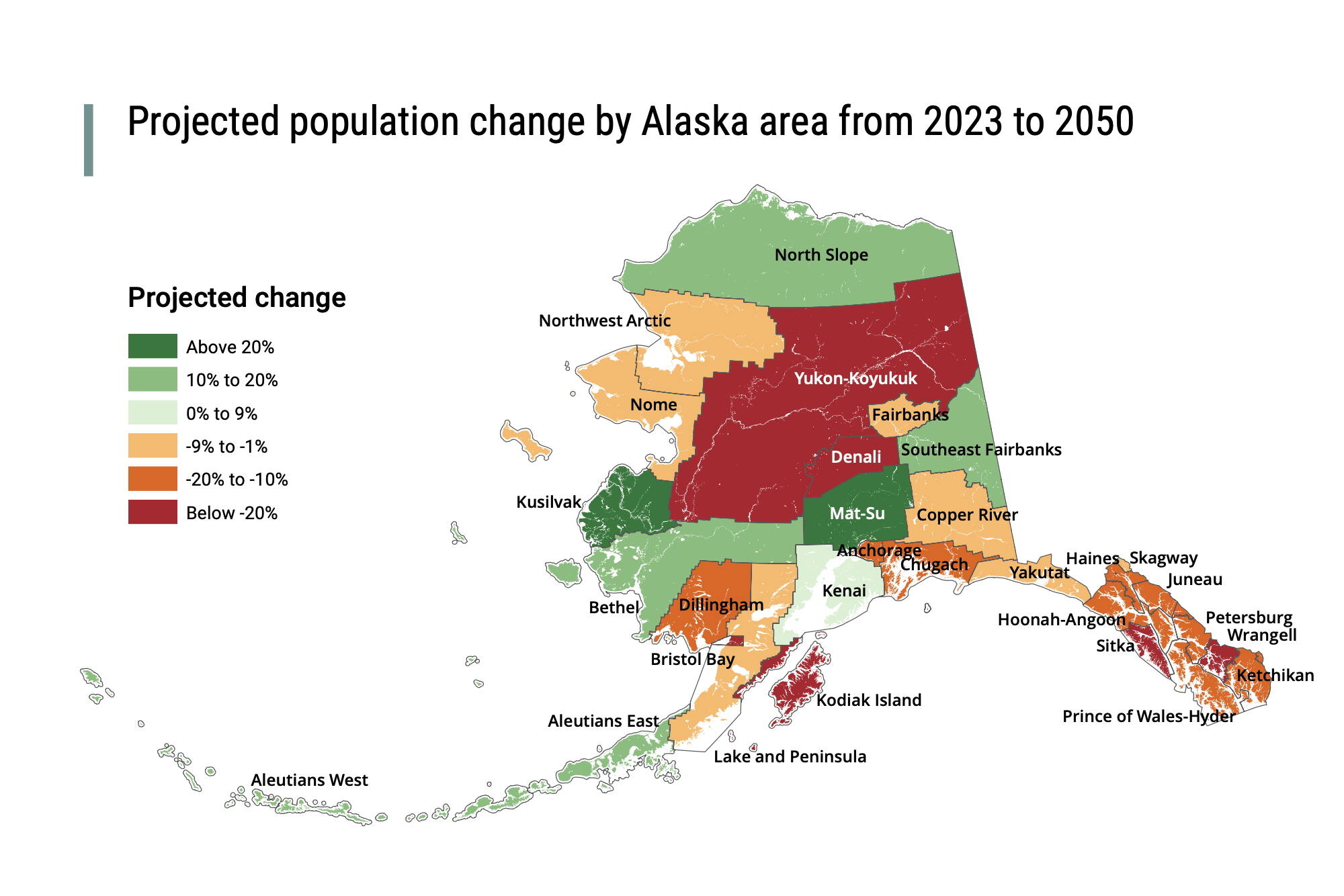
Anchorage is the undisputed population and economic heart of Alaska. With over 40% of the state’s population residing within its metropolitan area, it offers the most comprehensive range of services for travelers. Here, visitors will find a wide array of hotels, from international chains to boutique accommodations, catering to all budgets and preferences. Anchorage is also a major gateway for flights into Alaska, making it the logical starting point for many international and domestic visitors.
Beyond accommodation, Anchorage boasts a thriving culinary scene, numerous museums, and a lively arts community. It serves as a convenient base for exploring nearby Landmarks such as Denali National Park and Preserve and the Chugach State Park. Day trips and guided tours for wildlife viewing, glacier exploration, and scenic drives often depart from Anchorage. The city’s infrastructure supports a variety of Lifestyle choices for travelers, whether they are seeking Luxury Travel experiences with fine dining and upscale hotels, or Budget Travel options with hostels and affordable eateries. For families, Anchorage offers attractions like the Alaska Zoo and the Alaska Native Heritage Center, ensuring engaging experiences for all ages.
Fairbanks: The Interior’s Cultural and Natural Hub
Further inland, Fairbanks serves as the primary city in Alaska’s vast interior. Its population, though smaller than Anchorage, is significant enough to support a robust tourism infrastructure. Fairbanks is renowned for its access to the aurora borealis, making it a prime destination for winter tourism. Visitors can find various Accommodation options, including cozy cabins, hotels, and lodges, perfect for aurora viewing excursions.
The cultural offerings in Fairbanks are deeply rooted in the history of the Gold Rush and the resilience of its Indigenous communities. The University of Alaska Fairbanks contributes to the city’s intellectual and cultural vibrancy. For travelers interested in history and Landmarks, the Pioneer Park offers a glimpse into the past, while the Museum of the North showcases Alaska’s natural and cultural heritage. Fairbanks is also a launching point for exploring the Yukon River and the Trans-Alaska Pipeline System. The Lifestyle here often embraces outdoor activities year-round, from dog sledding and ice fishing in winter to hiking and river cruises in summer.
Juneau: The Capital’s Panhandle Charm
Juneau, Alaska’s capital, is unique in that it is not accessible by road, emphasizing its connection to the sea and its stunning natural surroundings. Nestled between mountains and the Gastineau Channel, Juneau is a popular cruise ship destination, attracting visitors seeking the dramatic beauty of Alaska’s Panhandle. The city offers a range of Hotels and Resorts, often with breathtaking views of the surrounding fjords and glaciers.
Juneau is the perfect place to experience Alaska’s raw nature up close. The Mendenhall Glacier is a must-see Landmark, easily accessible from the city. Other popular Activities include whale watching tours, kayaking, and hiking in the surrounding Tongass National Forest. The local culture in Juneau is a blend of Indigenous traditions and frontier spirit. Visitors can explore art galleries showcasing Native Alaskan art and enjoy fresh seafood at local restaurants. For those seeking an intimate Travel experience, Juneau provides a charming and picturesque setting.
The Impact of Sparse Population on the Alaskan Travel Experience
The low population of Alaska has a profound and defining impact on the Travel experience it offers. It is this very sparseness that draws many to its shores, seeking an escape from the crowded, built-up environments of more populated regions.
Embracing the Wilderness: Activities and Experiences
Alaska’s low population density directly translates into an abundance of untouched wilderness, providing unparalleled opportunities for Activities and Experiences. From the vastness of Denali National Park and Preserve, where wildlife roams freely, to the intricate network of fjords in the Inside Passage, the sheer scale of nature is awe-inspiring. This allows for intimate encounters with the natural world, whether you’re on a guided trek, a scenic flight, or simply observing the landscape from your Accommodation.
Popular Travel pursuits such as bear viewing in Kodiak Island, or exploring glaciers like the Exit Glacier near Seward, benefit immensely from the lack of overwhelming crowds. This creates a sense of personal discovery and adventure. The Tourism industry here often emphasizes small-group tours and personalized Experiences that highlight the unique environment. The Lifestyle for visitors can range from rugged Budget Travel, camping in remote areas, to more comfortable Luxury Travel, staying in secluded lodges that offer exceptional access to nature.
Accommodation and Infrastructure: A Unique Approach
The logistical challenges presented by Alaska’s low population and vast distances mean that Accommodation and infrastructure are often designed with remoteness and environmental preservation in mind. While major cities like Anchorage offer standard hotel amenities, venturing further afield reveals a different kind of lodging.
You might find charming, family-run inns in smaller towns, rustic Resorts nestled by pristine lakes, or even Villas offering ultimate seclusion. The concept of Long-term Stay accommodations might differ from what one expects in a metropolitan area, often focusing on cabins or apartments in the few established communities. Booking Accommodation in remote areas often requires advance planning due to limited availability and unique transportation methods. The emphasis is on providing comfort and a connection to the surrounding nature, rather than sheer volume. Amenities might include wood-burning stoves, private decks with stunning views, or easy access to hiking trails. This unique approach to Accommodation is an integral part of the Alaskan Travel experience, reflecting the state’s commitment to preserving its wild character.
LifeOutOfTheBox is a participant in the Amazon Services LLC Associates Program, an affiliate advertising program designed to provide a means for sites to earn advertising fees by advertising and linking to Amazon.com. Amazon, the Amazon logo, AmazonSupply, and the AmazonSupply logo are trademarks of Amazon.com, Inc. or its affiliates. As an Amazon Associate we earn affiliate commissions from qualifying purchases.