
For any discerning traveler, understanding the local time is far more than a mere curiosity; it’s a foundational element of seamless trip planning and execution. Whether you’re coordinating international flights, scheduling theme park visits, making dinner reservations, or simply aiming to avoid a rude awakening, knowing the precise time in your destination is paramount. When it comes to the diverse and dynamic landscape of Florida, a popular state within the USA, this awareness becomes even more critical due to its unique geographical spread across two distinct time zones.
Florida, often affectionately known as the “Sunshine State,” draws millions of visitors annually with its stunning beaches, vibrant cities, world-class attractions, and unique natural beauty. From the magical theme parks of Orlando to the Art Deco splendor of Miami, and the historic charm of St. Augustine to the tranquil shores of the Florida Panhandle, the state offers an unparalleled array of experiences. However, navigating these experiences efficiently necessitates a clear grasp of local time, especially when planning itineraries that might span different regions of the state or involve coordinating with individuals located elsewhere. This comprehensive guide will demystify Florida’s time zones, explain the nuances of Daylight Saving Time, and offer practical advice to ensure your travel plans unfold without a hitch.
Navigating Florida’s Time Zones: An Essential Travel Guide
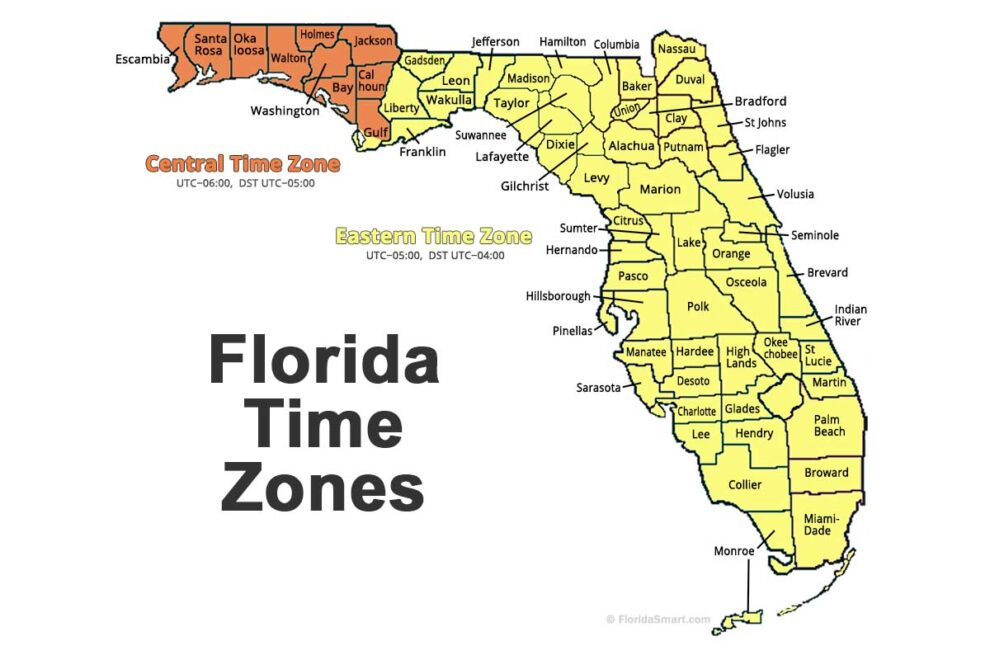
Understanding the time zones in Florida is the first step towards a well-organized trip. While the majority of the state operates on one primary time zone, a significant portion of its western reaches observes another, creating a need for careful attention, particularly for those traveling across the state.
Eastern Time Zone (ET): The Sunshine State’s Primary Standard
The vast majority of Florida operates on the Eastern Time Zone (ET). This encompasses nearly all of the peninsula and extends into parts of the Florida Panhandle. During standard time, this is referred to as Eastern Standard Time (EST), which is Greenwich Mean Time (GMT) minus five hours (GMT-5). When Daylight Saving Time is in effect, it shifts to Eastern Daylight Time (EDT), which is GMT minus four hours (GMT-4).
This dominant time zone covers all the major tourist hubs and metropolitan areas that draw international and domestic travelers alike. Cities such as Miami, Orlando (home to Walt Disney World Resort and Universal Orlando Resort), Tampa, Jacksonville, Fort Lauderdale, Sarasota, and the entire Florida Keys including Key West, all observe Eastern Time. For travelers flying into the major international airports like Miami International Airport, Orlando International Airport, or Tampa International Airport, their arrival times and subsequent activities will be governed by ET/EDT. This also means that attraction opening hours, restaurant reservation times, and local transportation schedules across these popular destinations will consistently adhere to Eastern Time, simplifying planning for visitors staying within these regions.
The Panhandle Anomaly: Central Time Zone (CT)
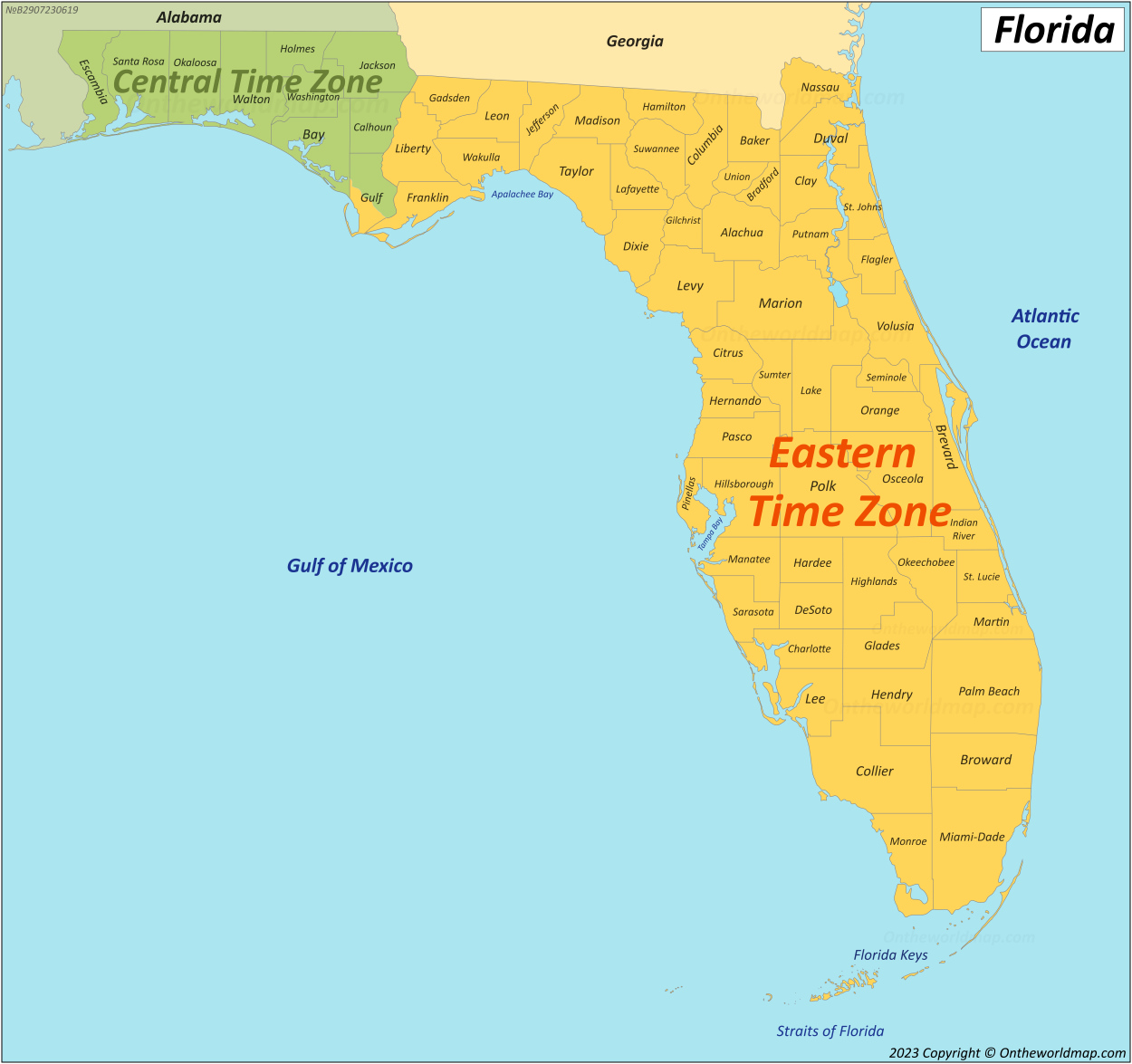
While the vast majority of Florida is in ET, a notable exception exists in the western part of the Florida Panhandle. Several counties in this region observe the Central Time Zone (CT). This includes Escambia, Santa Rosa, Okaloosa, and Walton counties, as well as the western part of Bay County. Cities like Pensacola, Destin, and Panama City Beach fall within this zone. During standard time, this is Central Standard Time (CST), which is GMT-6. During Daylight Saving Time, it becomes Central Daylight Time (CDT), which is GMT-5.
This means that if you are traveling from Tallahassee (which is in ET) westward towards Pensacola (in CT), you will cross a time zone boundary and effectively “lose” an hour. The dividing line generally follows the Apalachicola River to the north and then cuts across the panhandle. For travelers, this is a critical detail. Imagine booking a tour in Destin for 10:00 AM while staying in Panama City and forgetting about the time change – you could arrive an hour late or, conversely, an hour early for an appointment made from an ET mindset. Always double-check the time zone for specific addresses or counties in the Florida Panhandle to avoid any scheduling mishaps.
Understanding Daylight Saving Time (DST) in Florida
Beyond the geographical time zones, the annual observance of Daylight Saving Time (DST) adds another layer of consideration for travelers. This practice, common throughout the USA, shifts clocks forward and backward, impacting schedules and requiring vigilance.
The Annual Clock Change: When and Why
In the USA, Daylight Saving Time typically begins on the second Sunday in March, when clocks “spring forward” by one hour. It then ends on the first Sunday in November, when clocks “fall back” by one hour, returning to standard time. The primary purpose behind DST is to make better use of daylight, shifting an hour of daylight from the morning to the evening during warmer months.
For travelers, these clock changes can have a significant impact. If your trip dates coincide with these transitions, it’s crucial to verify all your bookings, especially flight times, hotel check-in/out times, and scheduled tours or reservations. An international flight arriving in March or departing in November could be affected, potentially leading to confusion if not accounted for. Similarly, any synchronized plans with travel companions or family members located in other time zones within or outside the USA will need careful adjustment during these periods. Modern smartphones and digital devices generally update automatically, but it’s always wise to confirm manually and, for critical schedules, consult official sources.
Florida’s Stance on “Sunshine Protection Act”
Interestingly, Florida has been at the forefront of a movement to make Daylight Saving Time permanent. In 2018, the state legislature passed the “Sunshine Protection Act”, a bill that, if approved by the U.S. Congress, would keep Florida on Daylight Saving Time year-round, effectively eliminating the “falling back” in November. The rationale behind this is to provide more daylight in the evenings for residents and tourists, boosting the state’s outdoor and tourism economy.
However, as of the current writing, the “Sunshine Protection Act” has not received federal approval. This means that Florida continues to observe the traditional “spring forward” and “fall back” twice a year, just like most other states in the USA. For travelers, this implies that you must continue to account for the seasonal time changes when planning your trips to Florida. While the future could bring a permanent shift, for now, the annual clock adjustments remain a reality to factor into your travel logistics.
Practical Tips for Travelers: Conquering Time Zone Challenges
Armed with the knowledge of Florida’s time zones and DST practices, travelers can implement several strategies to ensure a smooth, punctual, and stress-free journey.
Before You Go: Pre-Trip Time Management
Thorough preparation is key to avoiding time-related travel hiccups. Begin by meticulously reviewing all your travel documents and confirmations. Double-check the departure and arrival times on your flight itineraries, making sure they align with the local time zones of your origin and destination. Confirm your hotel check-in times and any pre-booked tours, excursions, or dining reservations. If you’re traveling from a significantly different time zone, mentally or physically adjusting to Florida’s time a day or two before departure can ease the transition and mitigate jet lag. Utilize world clock applications on your smartphone or computer to easily compare your home time with Florida’s local time, especially if coordinating with family or colleagues remaining at home. For road trips crossing into the Florida Panhandle’s Central Time Zone, map out where the time zone boundary lies and plan your schedule accordingly.
During Your Trip: Staying Synced
Once you arrive in Florida, most modern smartphones will automatically adjust to the local time, provided they are connected to a cellular network. However, it’s a good practice to manually verify your phone’s time against a reliable local source, such as a hotel clock or information display, especially if you’ve recently crossed the ET/CT boundary. Wear a watch that you can manually set to local time as a backup. When moving between the Eastern Time Zone and the Central Time Zone within Florida, be acutely aware of the change. Road signs near the time zone boundary often alert drivers, but always anticipate the adjustment. For international travelers, or those from far-flung parts of the USA, managing jet lag is also a critical “time challenge.” Strategies like staying hydrated, exposing yourself to natural light in the morning, and adjusting your sleep schedule gradually can help you adapt quickly to Florida’s time and maximize your enjoyment.
Beyond the Clock: Maximizing Your Florida Experience
Understanding the time in Florida extends beyond mere punctuality; it’s a tool to optimize your travel experience, allowing you to harness the rhythms of the day and make the most of the Sunshine State’s offerings.
Timing Your Activities: Making the Most of Daylight
Florida’s allure often lies in its outdoor activities, from soaking up the sun on South Beach to exploring the wilderness of the Everglades National Park. Being aware of the local time allows you to strategically plan your activities to take advantage of peak daylight hours, avoid midday heat, or capture stunning sunsets. For instance, visiting popular theme parks like Disney’s Magic Kingdom or Universal Studios Florida right at opening (rope drop) can help you experience more attractions before the crowds swell. Conversely, planning beach time for late afternoon can provide a beautiful backdrop for sunsets over the Gulf or Atlantic. Understanding sunrise and sunset times (which vary with the seasons and time zones) enables photographers to capture the best light and outdoor enthusiasts to plan their adventures safely.
Business and Communications: Staying Connected
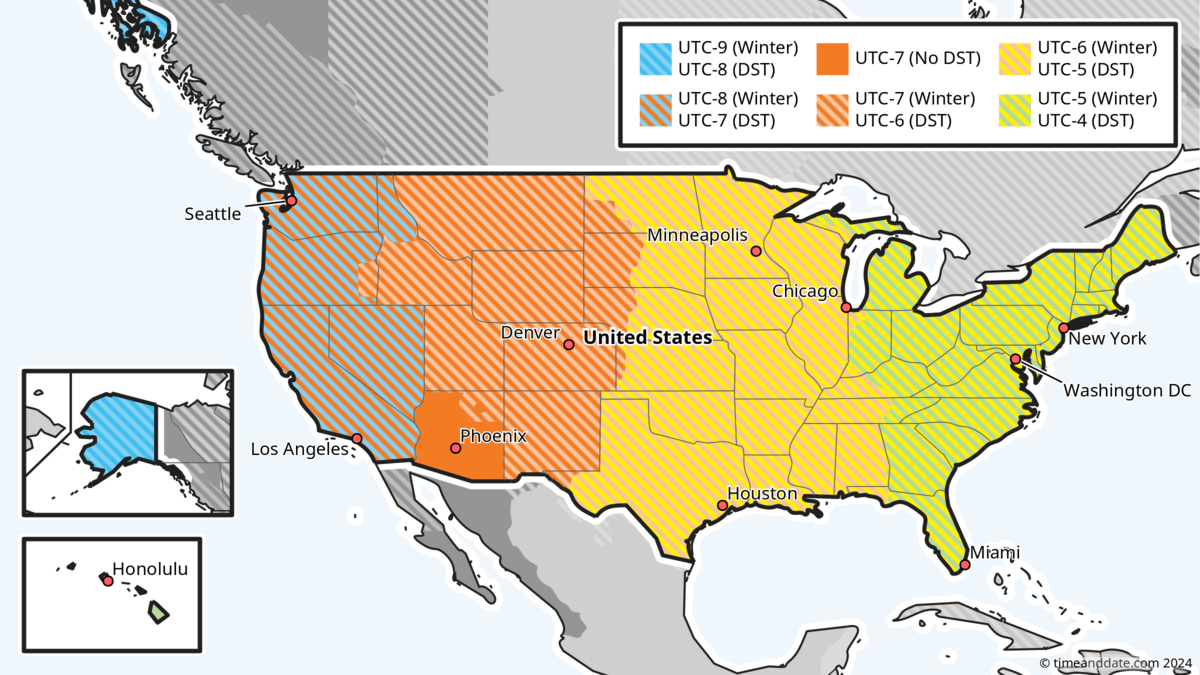
For business travelers or those needing to stay connected with work or family back home, being cognizant of Florida’s time is essential for effective communication. If you’re on a business trip in Miami and need to conference call with colleagues on the West Coast of the USA or in Europe, precise time zone calculations are non-negotiable to avoid scheduling conflicts. Similarly, international visitors making calls home to family or friends will need to factor in significant time differences. Using online time zone converters or world clock features on your phone can simplify these calculations, ensuring you connect at convenient times for all parties involved. A little planning here can prevent missed calls and maintain important connections throughout your travels.
In conclusion, knowing the time in Florida is a fundamental aspect of successful travel planning and enjoyment. From understanding the split between Eastern Time Zone and Central Time Zone to accounting for the nuances of Daylight Saving Time, being time-aware empowers you to navigate the Sunshine State efficiently and confidently. By taking a few proactive steps, you can ensure that every moment of your Florida adventure is spent savoring its beauty and excitement, rather than wrestling with time-related logistical challenges. Plan wisely, set your clock, and immerse yourself fully in the vibrant experiences that await you in Florida.
LifeOutOfTheBox is a participant in the Amazon Services LLC Associates Program, an affiliate advertising program designed to provide a means for sites to earn advertising fees by advertising and linking to Amazon.com. Amazon, the Amazon logo, AmazonSupply, and the AmazonSupply logo are trademarks of Amazon.com, Inc. or its affiliates. As an Amazon Associate we earn affiliate commissions from qualifying purchases.