
Understanding the time in a specific location like Texas, USA, might seem like a straightforward query, but for the discerning traveler, it’s the gateway to unlocking a seamless and enriching experience. Beyond merely knowing the current hour, comprehending Texas’s time zones is fundamental for meticulous travel planning, from coordinating flights and hotel check-ins to scheduling tours and immersing oneself in local culture. This expansive state, known for its vast landscapes, vibrant cities, and unique blend of history and modernity, offers a myriad of experiences that are intricately tied to the rhythm of its local time. Whether you’re a business traveler with a packed itinerary, a family seeking memorable adventures, or a luxury seeker looking for bespoke experiences, timing is everything. This guide delves into the specifics of Texas’s time zones and how this crucial knowledge empowers you to maximize every moment of your journey through the Lone Star State, touching upon travel, tourism, accommodation, landmarks, and diverse lifestyle opportunities.
Navigating Time Zones in the Lone Star State
The colossal expanse of Texas means that while most of the state observes a single time zone, a small but significant portion operates on another. This dual system, coupled with the annual shift to Daylight Saving Time, necessitates a clear understanding for anyone planning to traverse its impressive distances.
Understanding Central Standard Time (CST) and Mountain Standard Time (MST)
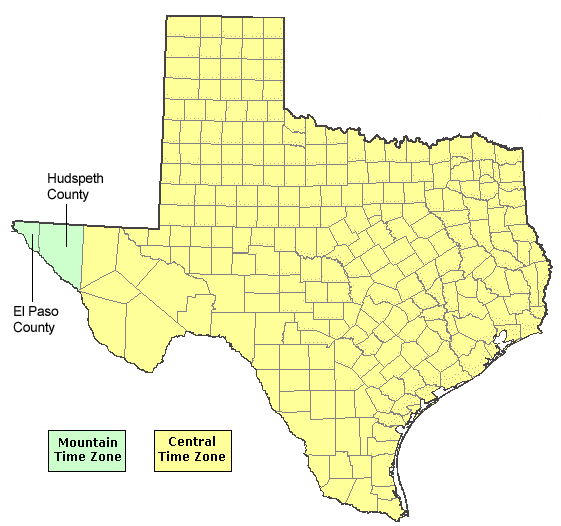
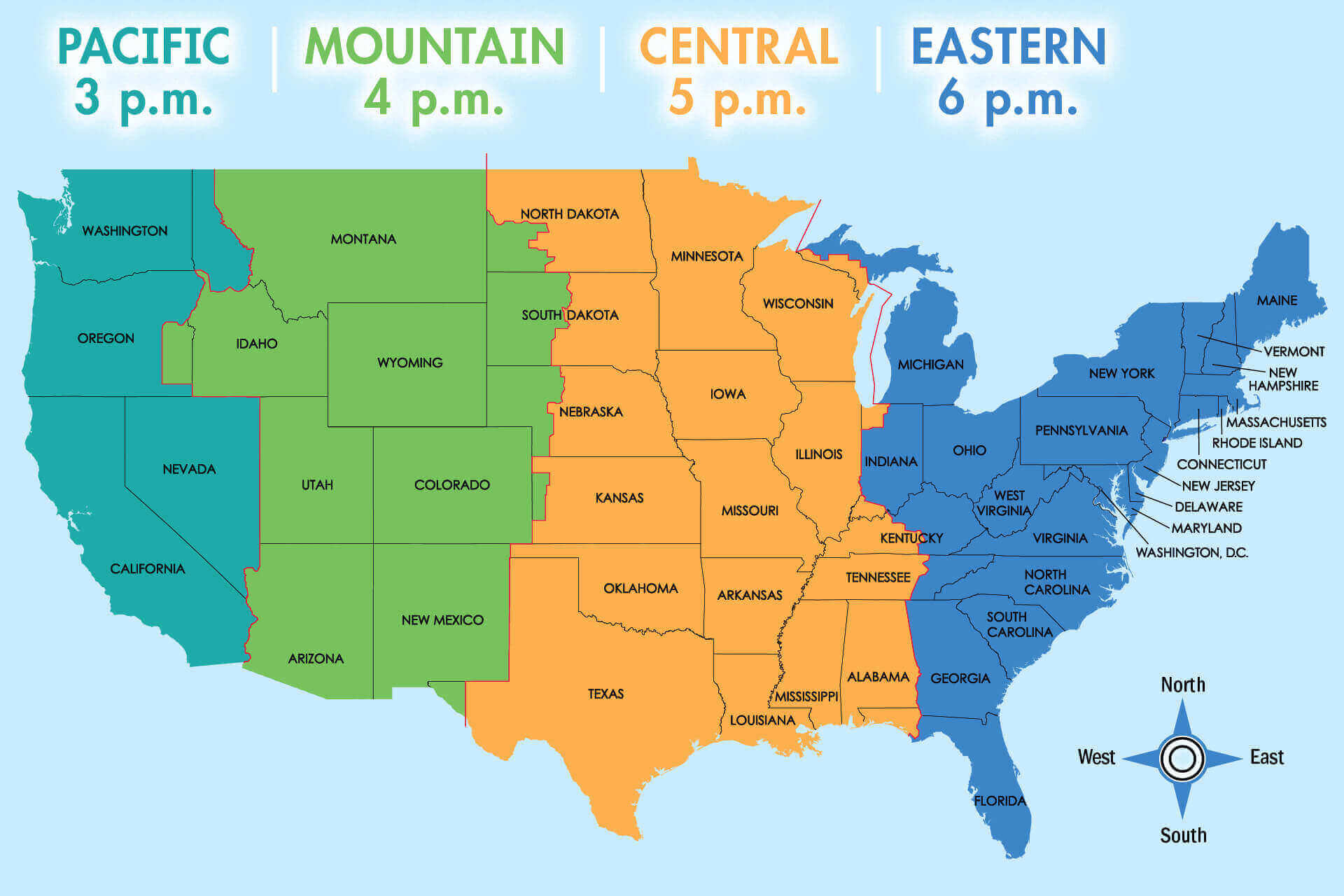
The vast majority of Texas operates on Central Standard Time (CST), which is UTC-6 during standard time and UTC-5 during Daylight Saving Time (observed as Central Daylight Time, CDT). Major cities like Houston, Dallas, Austin, and San Antonio all fall within this time zone. This means that when planning your visits to iconic landmarks such as Space Center Houston, exploring the Dallas Arts District, enjoying the live music scene in Austin, or experiencing the historic Riverwalk in San Antonio, you will be operating on CST/CDT.
However, a small western sliver of Texas observes Mountain Standard Time (MST), which is UTC-7 during standard time and UTC-6 during Daylight Saving Time (observed as Mountain Daylight Time, MDT). This includes El Paso County and Hudspeth County in West Texas. For travelers arriving in El Paso to explore the majestic Franklin Mountains State Park or visit the Chamizal National Memorial, it’s crucial to remember that you’ll be an hour behind the rest of the state. This time difference is especially vital for coordinating cross-state travel, business meetings, or simply communicating with friends and family in other parts of Texas.
Daylight Saving Time further complicates matters, as clocks are moved forward by one hour on the second Sunday in March and back by one hour on the first Sunday in November. This annual adjustment means that for several months of the year, Texas operates on CDT or MDT. Staying informed about these changes is paramount for preventing missed appointments, confusion with flight schedules, or a late arrival for a highly anticipated tour. A quick check of a reliable time zone converter or local weather app can save a traveler considerable stress and ensure a smooth transition across time zones.
Planning Your Texas Adventure: Time, Travel & Tourism
Understanding the intricate clockwork of Texas’s time zones transcends mere curiosity; it forms the backbone of efficient travel and immersive tourism. Every aspect of your journey, from the moment you book your flight to the instant you depart, is influenced by the local time.
Seamless Travel Planning: From Arrival to Departure
For those flying into the state, major hubs like Dallas/Fort Worth International Airport (DFW) or George Bush Intercontinental Airport (IAH) are busy gateways. Coordinating arrival times with hotel check-ins, especially for international travelers experiencing significant time zone shifts, is critical. A flight landing in Dallas at 3 PM CST might feel like midnight to someone arriving from Europe or Asia, making early hotel check-in requests or pre-booked airport transfers essential. Similarly, if your itinerary includes an internal flight to El Paso, remember the one-hour time difference that will adjust your actual arrival time relative to your departure from a CST city.
Beyond flights, understanding local time impacts your accommodation bookings. Most hotels adhere to standard check-in and check-out times, typically around 3 PM and 11 AM respectively. Knowing the precise local time ensures you don’t arrive too early and face a wait, or worse, miss your check-out deadline, incurring extra charges. Travelers arriving on red-eye flights or departing late might consider booking an extra night or negotiating a late check-out to align with their body clock and travel schedule, optimizing comfort and convenience.
Jet lag, an inevitable companion for many long-haul travelers, can significantly impact the initial days of a trip. Awareness of the time difference allows for proactive strategies: gradually adjusting sleep schedules before departure, staying hydrated, avoiding excessive caffeine or alcohol, and trying to adapt to the local time upon arrival by exposing oneself to natural light during the day. This careful preparation ensures you’re refreshed and ready to experience all that Texas has to offer, rather than spending precious vacation time recovering from fatigue.
Experiencing Texas: Timing Your Activities and Attractions
Texas’s diverse landscape and vibrant cultural scene offer an endless array of attractions, all of which operate on local time. Effective time management is key to maximizing your exploration, whether you’re delving into history, enjoying nature, or savoring local flavors.
-
Destinations & Attractions: Each major city in Texas boasts unique highlights. In Houston, visitors flock to the Space Center Houston and the world-class institutions of the Museum District. Dallas offers profound historical insights at The Sixth Floor Museum at Dealey Plaza and artistic wonders in the Dallas Arts District. Austin, famously dubbed the Live Music Capital of the World, invites relaxation at Barton Springs Pool and tours of the majestic Texas State Capitol. San Antonio captivates with the legendary The Alamo and the serene beauty of the San Antonio Missions National Historical Park. Further west, El Paso provides access to the rugged beauty of Franklin Mountains State Park. All these attractions have specific operating hours, and checking them against local time is crucial, especially when traveling between different time zones within the state. Booking tickets online in advance, noting the local time, often saves time and guarantees entry.
-
Local Culture & Food: Texas’s culinary scene is a destination in itself, renowned for its authentic Texas barbecue and delectable Tex-Mex cuisine. Restaurants, food trucks, and local markets operate on local time, and popular spots often have long waits during peak dining hours. Planning your meals around these times, perhaps opting for an early dinner or a late lunch, can enhance your gastronomic journey. Festivals, rodeos, and live music performances, especially prominent in Austin, are scheduled according to local time. Missing the start of a show or a parade due to time zone confusion would be a regrettable oversight for any culture enthusiast.
-
Activities & Tips: For outdoor enthusiasts, Texas offers vast natural playgrounds like Big Bend National Park and Padre Island National Seashore. Activities such as hiking, bird watching, or beachcombing are often best enjoyed during specific times of day, like early mornings to avoid the heat or late afternoons for spectacular sunsets. Knowing the precise local time helps plan these excursions safely and enjoyably, ensuring you have ample daylight and avoid extreme weather conditions. Furthermore, understanding typical local rhythms – when stores open, when traffic is heaviest, or when locals engage in leisure activities – allows travelers to blend in, avoid crowds, and experience the state more authentically.
Accommodation & Lifestyle: Making the Most of Your Texas Stay
Beyond merely sightseeing, the quality of your stay in Texas is significantly shaped by your accommodation choices and how these integrate with your broader lifestyle preferences. Time considerations are surprisingly central to optimizing both.
Choosing the Right Stay: Hotels, Resorts, and More
The decision of where to stay in Texas is as varied as the state itself. From opulent luxury resorts to charming boutique hotels, family-friendly apartments, and budget-conscious long-term stays, the options are extensive. Timing plays a subtle yet critical role in the booking process and the overall experience. Booking windows, for instance, are directly tied to local time; an “early bird” discount might expire at midnight local time, or a last-minute deal could pop up just hours before check-in. Being aware of the local clock allows travelers to capitalize on these opportunities, potentially securing better rates or preferred rooms.
When comparing different accommodation options, it’s not just about price and location, but also amenities and services, and when these are available. A hotel’s restaurant might close early, the pool might have specific hours, or the business center might only be staffed during certain times of the day. For properties like the sophisticated Omni Dallas Hotel, the vibrant JW Marriott Austin, the historic Hotel Emma in San Antonio, or the ultra-luxurious The Post Oak Hotel at Uptown Houston, services are often available for extended hours, but even they have schedules. Understanding these schedules in local time ensures that facilities align with your travel plans, whether you need a late-night gym session or an early breakfast before an excursion.

For longer stays, especially in apartments or villas, coordination for key collection or service appointments is paramount. Miscalculating local time could lead to inconvenient delays or missed arrangements. Reviews and comparisons of accommodations often mention the ease of check-in/check-out and staff responsiveness – experiences that are frequently affected by clarity around local timing.
Lifestyle Considerations: From Business Trips to Family Vacations
How you approach time in Texas is deeply intertwined with your travel lifestyle and the purpose of your visit.
-
Business Stays: For the business traveler, time is currency. Texas’s major cities are bustling economic hubs, attracting professionals from around the globe. Coordinating meetings across different time zones, especially with colleagues or clients in different parts of the USA or internationally, requires precise time zone awareness. Conference schedules, presentations, and networking events are all strictly timed according to the local clock. Punctuality is paramount, and a thorough understanding of Texas time zones, including Daylight Saving adjustments, prevents costly misunderstandings and ensures a professional and productive trip.
-
Family Trips: Family vacations demand meticulous planning to keep everyone happy and energized. Adjusting children to a new time zone can be challenging, often requiring extra buffer time for activities and early nights. Planning visits to attractions like theme parks, zoos, or children’s museums around peak and off-peak hours (which are determined by local time) can significantly enhance the experience, reducing wait times and managing energy levels. Booking family-friendly accommodations with amenities that cater to various schedules, such as breakfast buffets with flexible hours, becomes particularly valuable.
-
Luxury Travel: For those indulging in luxury travel, time management translates into bespoke experiences crafted to perfection. Whether it’s a private tour of a vineyard, a gourmet dining experience, or an exclusive spa treatment, these high-end activities are often scheduled with meticulous precision. Knowing the local time ensures that every personalized itinerary unfolds flawlessly, allowing travelers to savor every moment without rushing or logistical glitches. The expectation of seamless service in luxury travel is intrinsically linked to perfect timing.
-
Budget Travel: Even for budget-conscious travelers, understanding time is a resource. Maximizing daylight hours for sightseeing, taking advantage of happy hour deals for meals, or utilizing public transport during off-peak times can make a significant difference. Early morning visits to popular attractions can save on entry fees or provide a more serene experience, while late afternoon check-ins might unlock cheaper rates for accommodations. Every minute counts when traveling on a budget, and smart time management helps extend your dollar further.
Ultimately, integrating into the local rhythm of Texas goes beyond simply knowing the time. It’s about understanding the pulse of the cities, the flow of daily life, and how to align your personal schedule to fully embrace the culture, hospitality, and boundless opportunities this remarkable state presents. From the minute hands ticking across Central Standard Time to the nuanced adjustments for Mountain Standard Time in El Paso, every second contributes to an unforgettable journey through the heart of America.
LifeOutOfTheBox is a participant in the Amazon Services LLC Associates Program, an affiliate advertising program designed to provide a means for sites to earn advertising fees by advertising and linking to Amazon.com. Amazon, the Amazon logo, AmazonSupply, and the AmazonSupply logo are trademarks of Amazon.com, Inc. or its affiliates. As an Amazon Associate we earn affiliate commissions from qualifying purchases.