
Chicago, a vibrant metropolis situated on the southwestern shores of Lake Michigan, is renowned for its architectural marvels, world-class museums, and a culinary scene that tantalizes every palate. However, for any traveler planning a visit, understanding the prevailing weather conditions is paramount to ensuring a memorable and comfortable experience. The “Windy City,” as it’s famously known, boasts a climate characterized by distinct seasons, each offering a unique perspective on this dynamic urban landscape. From the bracing chill of winter to the sun-drenched warmth of summer, Chicago’s weather plays a significant role in shaping its atmosphere, influencing the types of activities available, and dictating the wardrobe essentials for visitors. This guide delves into the nuances of Chicago’s climate throughout the year, providing insights to help you pack wisely and plan your adventures seamlessly, whether you’re interested in exploring its iconic landmarks, indulging in its diverse tourism offerings, or finding the perfect accommodation.
Understanding Chicago’s Seasonal Climate
Chicago experiences a humid continental climate, meaning it has significant temperature variations between seasons, with hot summers and cold winters. This climatic pattern is largely influenced by its proximity to Lake Michigan and its inland location. The lake moderates temperatures to some extent, preventing extreme fluctuations that might occur further inland, but it also contributes to lake-effect snow in the winter and can create cooler breezes in the summer.
Spring: A Gentle Awakening
Spring in Chicago (typically March through May) is a season of transition. While March can still feel very much like winter, with lingering snow and biting winds, the city gradually sheds its icy cloak as April arrives. Temperatures begin to climb, often reaching into the 50s and 60s Fahrenheit (10-20°C) by late April and May. However, spring is also characterized by unpredictable weather. Warm, sunny days can quickly give way to chilly, overcast skies, and rain showers are common. The wind, a constant companion in Chicago, can make even milder temperatures feel cooler.
This season is an excellent time to visit for those who prefer fewer crowds and blooming nature. Parks begin to green up, and outdoor cafes start to buzz with activity. It’s an ideal period for exploring museums like the Art Institute of Chicago or the Field Museum, enjoying indoor attractions, or embarking on some early-season architectural boat tours on the Chicago River before the summer heat fully sets in. Packing layers is crucial for spring in Chicago; think light jackets, sweaters, and a waterproof outer layer.
Summer: The Vibrant Peak
Summer in Chicago (June through August) is the city’s peak tourist season. The weather is generally warm to hot, with average daytime temperatures ranging from the mid-70s to the mid-80s Fahrenheit (24-29°C). Humidity can be high, making some days feel quite muggy. Thunderstorms are also a common occurrence during the summer months, often rolling in unexpectedly in the late afternoon or evening. These storms can be dramatic and impressive, offering a spectacle of lightning and thunder against the city skyline.
This is the time to fully embrace Chicago‘s outdoor offerings. Miles of lakefront beaches beckon, from North Avenue Beach to Oak Street Beach, perfect for sunbathing, swimming, or simply enjoying the panoramic views of the skyline. The city’s numerous parks, including Millennium Park with its iconic Cloud Gate sculpture, come alive with festivals, concerts, and outdoor markets. Navy Pier is a hub of activity, offering amusement rides, dining, and entertainment. For those seeking experiences, summer is the prime time for rooftop bars, outdoor dining, and exploring neighborhoods like Wicker Park or Lincoln Park. Light, breathable clothing, sunscreen, sunglasses, and a hat are essential. Don’t forget a light raincoat or umbrella for those sudden summer showers. When it comes to accommodation, booking well in advance is highly recommended during this popular period.
Autumn: A Crisp Beauty
Autumn in Chicago (September through November) is often considered one of the most beautiful times to visit. The oppressive heat and humidity of summer give way to crisp, cool air, and the city’s parks and tree-lined streets erupt in a stunning display of fall foliage. September typically enjoys pleasant, mild temperatures, often in the 60s and 70s Fahrenheit (15-25°C). As October progresses, temperatures begin to drop into the 50s and 40s Fahrenheit (10-4°C), and by November, winter’s chill starts to creep back in, with frost becoming more common.
Autumn is a fantastic time for tourism in Chicago. The crowds thin out, making it easier to explore popular attractions like the Shedd Aquarium or the Adler Planetarium. The vibrant colors of fall provide a breathtaking backdrop for exploring neighborhoods and enjoying walking tours. The food scene truly shines, with cozy restaurants offering seasonal menus. For those interested in lifestyle travel, this is a great time for leisurely strolls along the Magnificent Mile for some high-end shopping or exploring art galleries. Packing a mix of layers is key: sweaters, long-sleeved shirts, a medium-weight jacket, and perhaps a scarf and gloves as November approaches.
Winter: The Artic Embrace
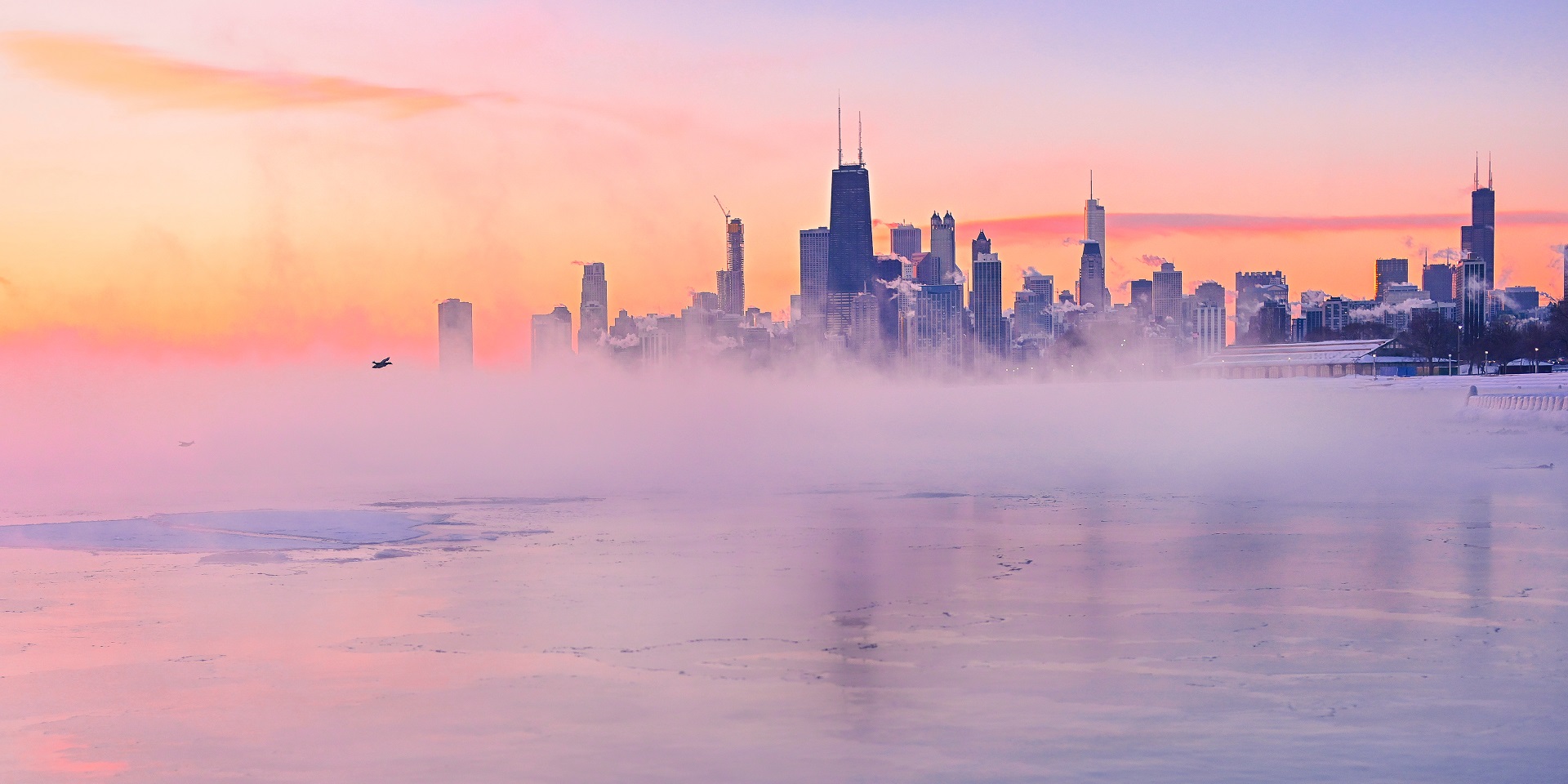
Winter in Chicago (December through February) is undeniably cold, earning it its moniker as the “Windy City” in a more literal sense. Temperatures frequently drop below freezing, often into the single digits Fahrenheit (-15°C or lower), and wind chills can make it feel even more severe. Snowfall is common, ranging from light dusting to significant blizzards, which can disrupt transportation. The lakefront can freeze over in parts, creating dramatic icy landscapes.
Despite the harsh weather, Chicago transforms into a winter wonderland, especially around the holidays. The city is adorned with festive lights, and events like the Magnificent Mile Lights Festival add a sparkle to the darkness. Millennium Park‘s McCormick Tribune Ice Rink offers a quintessential winter experience. For those who don’t mind the cold, this is an excellent time for budget travel, as hotel rates can be significantly lower. Indoor activities abound, from exploring the aforementioned museums to catching a Broadway show or enjoying the city’s renowned dining scene. Think sophisticated, warm layers: heavy parkas, thermal base layers, hats, gloves, scarves, and waterproof boots are non-negotiable. If your travel plans involve experiencing the city’s holiday charm, a visit in December is magical, though bundled up you must be. For those seeking extended stays, finding cozy accommodation with good heating and close proximity to public transport is highly advisable.

Factors Influencing Chicago’s Weather
Beyond the general seasonal patterns, several factors play a crucial role in shaping the day-to-day weather experienced in Chicago. Understanding these can provide further insight for travelers.
The Impact of Lake Michigan
The presence of Lake Michigan is perhaps the single most significant factor influencing Chicago‘s climate. The vast body of water acts as a thermal regulator. In the summer, it provides a cooling breeze, offering respite from the inland heat. This lake breeze can be quite pronounced, especially in areas close to the shore, and can create temperature differences of several degrees between the lakefront and farther inland. Conversely, in the autumn and winter, the relatively warmer waters of the lake release heat, moderating the extreme cold that would otherwise be felt.
However, Lake Michigan also contributes to weather phenomena. “Lake-effect snow” is a common occurrence in the winter months. When cold air masses move over the warmer lake waters, they pick up moisture. As this air moves inland over the colder land, the moisture condenses and falls as snow, often in concentrated bands along the western shore of the lake, which includes Chicago and its surrounding suburbs. This can lead to significant snow accumulation in specific areas, even when other parts of the city see little to no snow. The lake can also contribute to fog, especially in the spring and fall, as warm, moist air moves over cooler lake waters.
Wind Patterns and the “Windy City” Nickname
Chicago‘s nickname, the “Windy City,” is not solely attributed to its political rhetoric, as some might believe, but also to its persistently windy conditions. Prevailing winds often come from the west, but the city’s location on the shores of a large body of water means that winds can also blow off the lake, bringing cooler temperatures, higher humidity, or even lake-effect snow. The open expanse of the lake and the relatively flat terrain surrounding it allow winds to gain momentum before reaching the urban core. These winds can be a welcome, refreshing presence in the summer but can significantly amplify the biting cold of winter, making temperatures feel much lower than the thermometer indicates.
Travelers should always be prepared for wind, regardless of the season. In the summer, it can be a pleasant cooling factor, but in the spring and fall, it can require an extra layer. In the winter, wind is a major consideration, necessitating robust outerwear for any outdoor exploration. Even on a sunny day, a brisk wind can make it feel colder than expected, influencing the choice of clothing when exploring areas like Grant Park or walking along the Lakefront Trail.
Preparing for Your Chicago Visit
Knowing what to expect weather-wise is a cornerstone of planning a successful trip to Chicago. Whether you’re a seasoned traveler or embarking on your first major city adventure, a little preparation goes a long way in ensuring comfort and maximizing enjoyment.
Packing Essentials for Every Season
The key to comfortable travel in Chicago, regardless of when you visit, is layering.
- Spring: Pack light to medium layers. Include a waterproof and windproof jacket, sweaters, long-sleeved shirts, and comfortable walking shoes. An umbrella is also a good idea.
- Summer: Light, breathable clothing is essential. Think t-shirts, shorts, sundresses, and comfortable sandals or walking shoes. Don’t forget sunscreen, sunglasses, a hat, and a light rain jacket or poncho for sudden thunderstorms.
- Autumn: Similar to spring, layers are crucial. Pack sweaters, long-sleeved tops, a medium-weight jacket, jeans or trousers, and comfortable walking shoes. A scarf and gloves may be necessary for late October and November.
- Winter: This is where serious warmth is needed. A heavy, insulated, waterproof and windproof parka is a must. Thermal base layers, warm sweaters, waterproof pants, insulated gloves or mittens, a warm hat that covers your ears, and sturdy, waterproof, insulated boots are non-negotiable.

Embracing the Outdoors and Indoor Adventures
Chicago offers a wealth of experiences for every type of weather. When the sun is shining and temperatures are pleasant, take advantage of the city’s numerous parks and outdoor attractions. Walk along Navy Pier, explore Lincoln Park Zoo, or take a Chicago Architecture Foundation Center River Cruise to admire the city’s stunning buildings from a unique perspective. The city’s vibrant street art and public sculptures, such as those found in Millennium Park, are best enjoyed in good weather.
When the weather turns inclement, Chicago boasts a world-class array of indoor attractions. The Museum Campus, home to the Field Museum, Shedd Aquarium, and Adler Planetarium, provides hours of educational and engaging entertainment. The Art Institute of Chicago houses an impressive collection spanning centuries and cultures. For performing arts enthusiasts, the city offers numerous theaters, including the historic Chicago Theatre, showcasing Broadway shows, local productions, and concerts. Even the simple act of dining in one of Chicago‘s acclaimed restaurants, from Michelin-starred establishments to cozy neighborhood eateries, can be a fulfilling way to spend a chilly or rainy afternoon or evening.
Ultimately, the weather in Chicago is a dynamic element that contributes to its unique character. By understanding the seasonal patterns and being prepared with appropriate clothing and flexible plans, visitors can fully immerse themselves in everything this incredible city has to offer, no matter what the forecast may bring. Whether you’re captivated by the summer vibrancy, the autumn colors, the winter charm, or the spring bloom, Chicago promises an unforgettable travel experience.
LifeOutOfTheBox is a participant in the Amazon Services LLC Associates Program, an affiliate advertising program designed to provide a means for sites to earn advertising fees by advertising and linking to Amazon.com. Amazon, the Amazon logo, AmazonSupply, and the AmazonSupply logo are trademarks of Amazon.com, Inc. or its affiliates. As an Amazon Associate we earn affiliate commissions from qualifying purchases.