
Embarking on an adventure to Alaska, the “Last Frontier,” promises breathtaking landscapes, unparalleled wildlife encounters, and a sense of vast wilderness unlike anywhere else on Earth. This immense and majestic state, larger than Texas, California, and Montana combined, offers an experience that transcends the ordinary. However, its unique geographical position and sheer scale mean that prospective travelers often overlook a crucial element in their planning: understanding Alaska’s time zone. While it might seem like a minor detail, mastering the temporal nuances of Alaska is fundamental to a seamless, enjoyable, and well-organized trip. From coordinating flights and tours to managing hotel check-ins and even battling jet lag, the “what time is it in Alaska?” question holds more significance than you might initially imagine. This comprehensive guide will delve into everything you need to know about Alaska’s time, ensuring your journey to this incredible corner of the United States is perfectly synchronized with its natural rhythms and logistical demands.
Understanding Alaska’s Time Zone: More Than Just a Number
The notion of time can feel fluid in a place like Alaska, where summer days stretch into near-perpetual daylight and winter nights dominate the landscape. Yet, for practical purposes, the state adheres to a precise time standard. Grasping this framework is your first step toward effective travel planning.
The Alaska Time Zone Explained
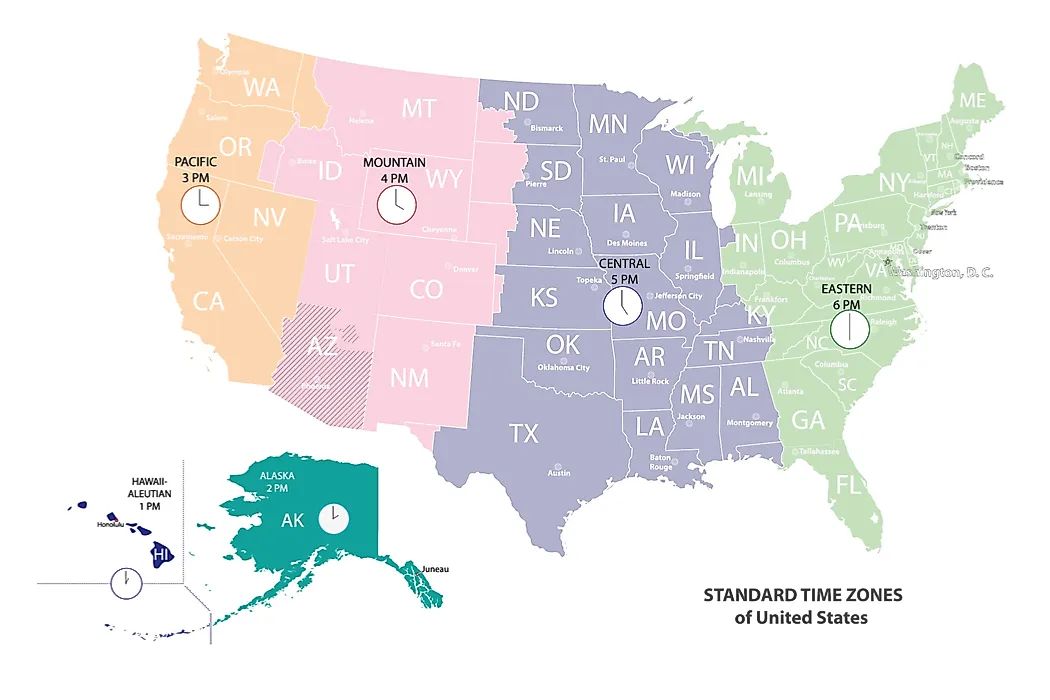
The vast majority of Alaska operates within the Alaska Time Zone (AKST/AKDT). During standard time, which is observed in winter, Alaska Standard Time (AKST) is UTC-9, meaning it is nine hours behind Coordinated Universal Time. When Daylight Saving Time is in effect during the summer months, it shifts to Alaska Daylight Time (AKDT), which is UTC-8, or eight hours behind Coordinated Universal Time.
To put this into perspective relative to the contiguous United States:
- Alaska is one hour behind Pacific Time.
- Alaska is two hours behind Mountain Time.
- Alaska is three hours behind Central Time.
- Alaska is four hours behind Eastern Time.
This time difference is a significant factor, especially for travelers arriving from the East Coast or even the Midwest, effectively losing half a day of standard waking hours during their journey.
Historical Context and Geographic Realities
Alaska’s unique time zone isn’t arbitrary; it’s a consequence of its immense size and extreme western longitude. While the United States has four primary time zones in its contiguous states, Alaska is so far north and west that it necessitates its own designation. A small portion of the Aleutian Islands and St. Lawrence Island actually fall into the Hawaii-Aleutian Time Zone (HST/HDT), which is UTC-10, making them even further removed. This geographic reality underscores the logistical challenges and the need for travelers to be acutely aware of their precise location within the state. The sheer vastness of Alaska means that while most major cities like Anchorage, Fairbanks, and Juneau share the same time, traveling across its expanse can sometimes feel like moving through different temporal pockets due to travel time, even if the clocks don’t change.
Daylight Saving in the Last Frontier
Like most of the United States, Alaska observes Daylight Saving Time, typically moving clocks forward one hour on the second Sunday in March and back one hour on the first Sunday in November. This shift means that for roughly eight months of the year, Alaska operates on AKDT (UTC-8). For visitors, this translates into even longer periods of daylight during the peak summer travel season, sometimes experiencing “midnight sun” where the sun barely dips below the horizon. While incredibly beautiful, this phenomenon can also disorient one’s internal clock, making a firm grasp of the actual time zone crucial for maintaining a schedule.
Planning Your Alaskan Adventure: Time Zone Impacts on Travel
Ignoring Alaska’s time zone can lead to missed flights, forfeited tours, and unnecessary stress. Thoughtful planning, with time at its core, ensures your itinerary unfolds smoothly.
Flights and Connections: The Art of Scheduling
Air travel is often the primary mode of entry into Alaska. Most international and domestic flights land at Ted Stevens Anchorage International Airport (ANC). When booking flights, especially those with connections, always pay close attention to the arrival and departure times in local time zones. A flight departing Chicago at 8:00 AM Central Time might arrive in Anchorage at 11:00 AM Alaska Daylight Time, but you’ve actually been traveling for seven hours. Missing a connection due to miscalculating the time difference is a common pitfall. For those combining an Alaskan trip with a stopover in Canada, such as Vancouver or Calgary, remember that British Columbia is on Pacific Time, aligning with Alaska’s difference.

Optimizing Tour and Activity Bookings
Alaska is an adventurer’s paradise, offering everything from glacier cruises in Kenai Fjords National Park and bear viewing in Kodiak Island to flightseeing tours over Denali National Park and fishing charters in Homer. These activities often have strict departure times and can be expensive. Double-check all booking confirmations for local times, and set reminders on your phone to automatically adjust to Alaska time. Arriving late could mean missing your once-in-a-lifetime whale watching excursion or your only opportunity to trek on the Mendenhall Glacier near Juneau. Communication with tour operators, particularly regarding any potential delays, is also key.
Navigating Local Transport and Logistics
Whether you plan to explore via the scenic Alaska Railroad, the Alaska Marine Highway (ferry system), or rental car, understanding schedules is paramount. Train departures from Seward or Talkeetna are set, as are ferry sailings between coastal communities like Ketchikan and Sitka. Even simple tasks like picking up a rental car or catching a local bus require adherence to local time. Ensure all your devices are set to automatically update their time zone, or manually adjust them upon arrival to avoid confusion.
Packing for the Perpetual Day (or Night)
While not directly related to the clock, the extreme daylight variations in Alaska are intrinsically linked to its time zone. During summer, the sheer amount of daylight can disrupt sleep patterns, causing a form of “social jet lag.” Bring an eye mask, earplugs, and consider melatonin to help regulate your sleep. Conversely, in winter, the short days mean many activities will occur in darkness. This impacts visibility for driving, operating hours for attractions, and even your personal energy levels. Being prepared for these light cycles, informed by the time of year and the time zone, is crucial for comfort and safety.
Accommodating Your Alaskan Stay: Hotels, Resorts, and Local Rhythms
Your chosen accommodation serves as your home base in Alaska, and its operations are strictly governed by local time. From check-ins to dining, awareness of the clock is essential.
Checking In and Out: Synchronizing with Your Hotel
Most hotels, whether a cozy B&B in Girdwood or a major establishment like Hotel Captain Cook in Anchorage, have standard check-in times (often 3:00 PM or 4:00 PM local time) and check-out times (usually 11:00 AM or 12:00 PM local time). If you’re arriving on a red-eye flight from the East Coast, the time difference might mean you land much earlier than your standard check-in. Communicate with your hotel in advance if you anticipate an early arrival or late departure. They might be able to offer an early check-in or luggage storage, allowing you to explore without your bags. Similarly, be mindful of your check-out time when planning your last day’s activities to avoid unexpected fees.
Dining and Amenities: Adapting to Local Hours
Restaurant hours, spa bookings, pool access, and even concierge services operate on local Alaska time. While major cities like Anchorage and Fairbanks might have more extended dining options, in smaller towns and remote lodges, kitchens often close earlier, and services might be limited outside peak hours. Always confirm operating hours, especially if you have specific dietary needs or wish to book a popular amenity. For instance, a late evening arrival might mean limited food options if you haven’t accounted for the time difference and restaurant closing times.
Choosing the Right Accommodation
The location of your accommodation can also subtly influence your experience with Alaska time. Staying in a downtown Fairbanks hotel like Pike’s Waterfront Lodge might offer blackout curtains to combat summer’s extended daylight, whereas a cabin in a more remote area may not. Resorts like Alyeska Resort in Girdwood are designed to cater to diverse schedules with multiple dining options and activities, but still adhere to a local clock for efficiency. When booking, consider how the property’s amenities align with your anticipated schedule, especially in light of the time zone adjustment.
The Wilderness Lodge Experience
Remote wilderness lodges, often accessible only by bush plane, offer an immersive Alaskan experience. While they often have a more relaxed schedule compared to urban hotels, their activities – such as guided hikes, fishing excursions, or wildlife viewing trips – are still time-sensitive, often dictated by optimal conditions (e.g., tides for clamming, specific times for bear viewing). Guests still need to be punctual for shared meals and activities, and understanding the local lodge time is crucial, especially if they are coming from an area outside of the main Alaska time zone.
Experiencing Alaska: Landmarks, Culture, and the Timeless Wilderness
The unique temporal landscape of Alaska plays a significant role in how you interact with its famous sites and vibrant culture.
Iconic Landmarks and Their Operating Hours
From the Anchorage Museum to the Alaska Wildlife Conservation Center near Girdwood or the Iditarod Trail Sled Dog Race Headquarters in Wasilla, attractions across the state have specific opening and closing times. During the summer, many popular sites extend their hours due to the longer daylight, but they are still fixed. In the shoulder seasons (spring and fall) or winter, hours can be significantly reduced. Always check the official websites for the most up-to-date information for landmarks such as Chugach State Park, Wrangell-St. Elias National Park and Preserve, or the Alaska SeaLife Center in Seward to ensure you maximize your visit. Don’t forget popular photo ops, like the Trans-Alaska Pipeline viewing points near Fairbanks, which are accessible 24/7, but best enjoyed in daylight.
Immersing in Local Culture and Events
Alaska’s local culture is rich with festivals, art walks, and community events, particularly during the summer. These events, whether a salmon bake in Valdez or a local fair in Palmer, are scheduled according to local Alaska time. To truly immerse yourself, research local event calendars in advance and factor in the time zone. Participating in a local Native Alaskan cultural dance performance or attending a unique regional festival can be a highlight, but requires timely arrival.
The Perception of Time in the Alaskan Wild
Beyond the clock, Alaska offers a unique perception of time. During the summer months, the phenomenon of the “midnight sun” can make it feel as if time has stopped, or at least significantly slowed down. Hiking at 10:00 PM in full daylight can be exhilarating but also disorienting. Conversely, in winter, the short periods of daylight and long nights can create a sense of hurried activity during the day and a vast, quiet expanse of darkness. For those hoping to witness the Aurora Borealis (Northern Lights), patience is key, as the best viewing times are often late at night or in the early morning hours, which can feel very late if you are still adjusting to the time zone. This ethereal display, visible in places like Fairbanks, truly transports you to a different temporal realm.
Photography and Optimal Lighting
For photographers, understanding both the time zone and the extreme light cycles is invaluable. The golden hour, when light is soft and warm, can last for hours during the Alaskan summer, offering unparalleled opportunities for landscape and wildlife photography. However, it might occur at times that feel unusual compared to lower latitudes. Conversely, in winter, the golden hour can be fleeting, sandwiched between long blue hours. Planning your photo excursions around these natural light patterns, while keeping track of actual Alaska time, will ensure you capture the stunning beauty of the state at its best.
Lifestyle in the Last Frontier: Adapting to Alaskan Time
Ultimately, a successful trip to Alaska involves more than just knowing the time; it’s about adapting your personal lifestyle to its unique temporal rhythm.
Battling Jet Lag: Tips for a Smooth Transition
For travelers from outside the Alaska Time Zone, jet lag is a real concern. Shifting three to five hours can significantly impact your energy levels and enjoyment. Here are some tips for a smoother transition:
- Pre-adjust: A few days before your trip, start shifting your sleep schedule by an hour or two in the direction of Alaska time.
- Stay Hydrated: Drink plenty of water before, during, and after your flight to combat dehydration, which can worsen jet lag symptoms.
- Manage Light Exposure: Upon arrival, expose yourself to natural light during the day to help reset your circadian rhythm. Avoid excessive light in the evening if you’re trying to sleep.
- Eat Lightly: Opt for lighter meals on your travel days to aid digestion and reduce discomfort.
- Limit Caffeine and Alcohol: While tempting, these can interfere with sleep quality.
- Stay Active: Gentle exercise can help alleviate symptoms, but avoid strenuous activity right before bedtime.
Different Traveler Lifestyles
- Luxury Travel: Even with personalized services and private charters, luxury travelers still operate within the bounds of Alaska time. Private tours of Glacier Bay National Park or exclusive wilderness retreats will have their own schedules, which must be respected. The emphasis here is on seamless integration of these schedules into a relaxed experience.
- Budget Travel: For budget-conscious travelers, adherence to strict public transport schedules (e.g., Alaska Railroad or local buses) and hostel check-in/out times is even more critical, as missed connections or late departures can lead to additional, unplanned expenses.
- Family Trips: Managing children’s sleep schedules amidst time zone changes and extended daylight requires extra planning. Pack eye masks for kids, maintain consistent routines as much as possible, and factor in downtime to prevent overtiredness. Activities in Anchorage or Fairbanks should be timed to avoid meltdowns.
- Business Stays: Business travelers will need to be particularly diligent about conference calls, meetings, and deadlines that might span multiple U.S. or even international time zones (e.g., communicating with partners in Europe or Asia). Accurate time conversion apps and a reliable watch are indispensable.
The Local Perspective: Living with Extreme Light Cycles
For permanent residents of Alaska, adapting to the extreme light cycles is a way of life. Many have developed strategies like heavy curtains or light therapy lamps to manage their internal clocks. Observing how locals manage their daily routines can offer valuable insights for visitors, especially during the summer’s continuous daylight or the winter’s extended darkness.
In conclusion, understanding “What Time Alaska?” is far more than a trivial query; it’s a foundational element of successful travel planning and an immersive experience in the Last Frontier. From the precise UTC offsets of Alaska Standard Time and Daylight Time to the profound impact of the midnight sun and polar nights on your daily rhythms, every aspect of your Alaskan adventure will be influenced by the clock. By diligently factoring in the time zone differences for flights, accommodations, tours, and personal well-being, you can ensure your journey through Alaska’s breathtaking wilderness is as smooth, enjoyable, and unforgettable as the landscape itself. Embrace the unique temporal rhythm of this extraordinary state, and you’ll unlock a truly seamless exploration of its wonders.
LifeOutOfTheBox is a participant in the Amazon Services LLC Associates Program, an affiliate advertising program designed to provide a means for sites to earn advertising fees by advertising and linking to Amazon.com. Amazon, the Amazon logo, AmazonSupply, and the AmazonSupply logo are trademarks of Amazon.com, Inc. or its affiliates. As an Amazon Associate we earn affiliate commissions from qualifying purchases.