
Embarking on a journey, whether for leisure or business, often culminates in the eagerly anticipated moment of arriving at your accommodation. The promise of a comfortable bed, a refreshing shower, and a place to unwind after a long trip is paramount to a successful travel experience. Yet, a common point of confusion for many travelers revolves around one seemingly simple question: “What time are hotel check-ins?” While a straightforward answer might seem elusive, understanding the nuances of standard check-in protocols, the operational reasons behind them, and the strategies available to travelers can transform a potentially stressful arrival into a seamless transition. This comprehensive guide will demystify hotel check-in times, offering insights into various accommodation types, flexible options, and expert tips to ensure your stay begins as smoothly as possible.
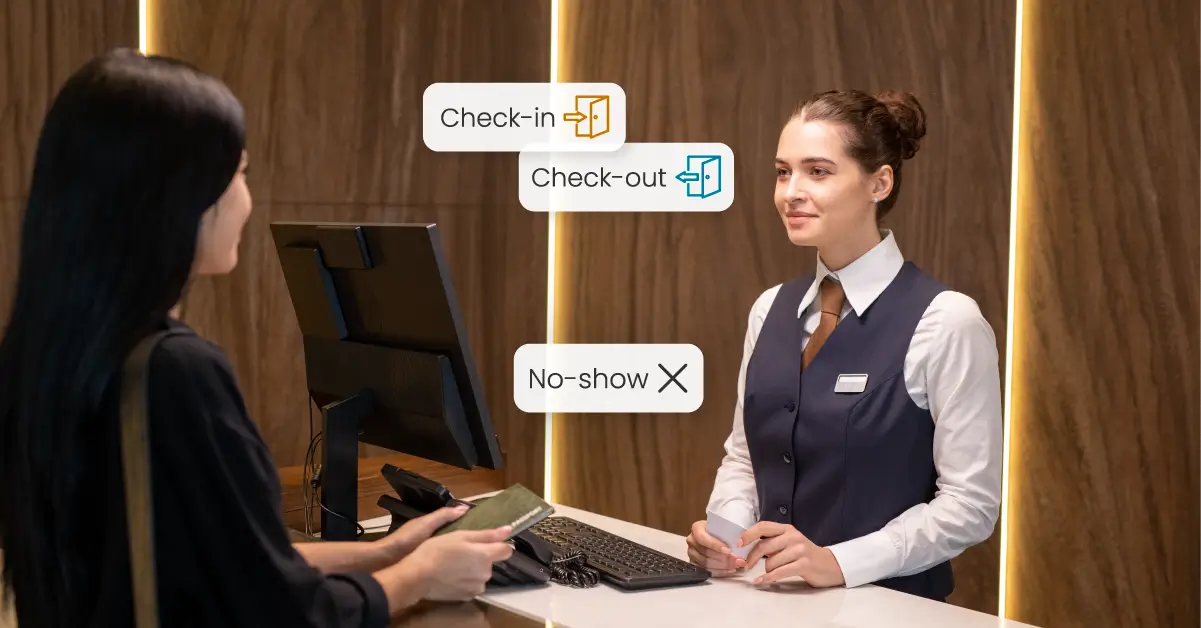
The Standard Hotel Check-In Protocol
The concept of a “standard check-in time” is a cornerstone of the hospitality industry, designed to facilitate the efficient operation of hotels and similar accommodations worldwide. For most travelers, this often means aligning their arrival with a predetermined window, typically in the mid-afternoon.
Unpacking the 3 PM / 4 PM Standard
The vast majority of hotels, from budget-friendly inns to luxurious five-star establishments, adhere to a standard check-in time that falls between 3:00 PM and 4:00 PM local time. This timeframe is not arbitrary; it’s meticulously planned to allow hotel staff ample opportunity to prepare rooms for new guests. For example, a stay at the Hilton Garden Inn in New York City will typically have a 3:00 PM check-in, while the opulent Ritz-Carlton in Paris might opt for 4:00 PM, reflecting the additional time required for meticulous room inspections and amenity restocking.
This standard applies broadly across various accommodation types, including traditional hotels, many resorts, and even some vacation rentals managed by larger property companies. Travelers planning a trip to a vibrant destination like Tokyo or a serene retreat in the Swiss Alps should always anticipate these mid-afternoon windows when booking flights and arranging ground transportation. Understanding this benchmark is the first step toward proactive travel planning and managing expectations upon arrival.
Why These Times? The Operational Rationale
The selection of 3:00 PM or 4:00 PM as standard check-in times is a strategic decision rooted in the complex operational logistics of running a hotel. It creates a necessary buffer between the departure of previous guests and the arrival of new ones.
Firstly, room turnover is paramount. Most hotels have a standard check-out time of 11:00 AM or 12:00 PM. This four to five-hour window is critical for the housekeeping staff. Consider a bustling hotel like the Mandalay Bay Resort on the Las Vegas Strip, which can have thousands of rooms to clean daily. Each room requires a thorough cleaning, disinfection, linen changes, restocking of toiletries, and a final inspection to meet the hotel’s cleanliness standards. This process cannot be rushed without compromising quality and guest satisfaction.
Secondly, the timing allows for maintenance and minor repairs. Between guests, it’s an opportune moment for the engineering or maintenance team to address any small issues that might have arisen during the previous stay – a flickering light, a leaky faucet, or a loose fixture. This preventative maintenance ensures that each new guest arrives to a fully functional and pristine environment.
Thirdly, the window supports staff management and resource allocation. Housekeeping, front desk, and bell services can be effectively scheduled to manage the peak activity during check-out and subsequent preparation for check-in. This structured approach prevents bottlenecks and ensures that staff are available to assist guests efficiently, whether they are departing or arriving. For a family planning a Disney World vacation and staying at an official resort, this coordinated effort ensures that even during peak seasons, rooms are ready for eager guests.
Finally, inventory management and room assignment benefit from this structure. The front desk team uses this time to finalize room assignments, accommodate special requests (e.g., specific views, connecting rooms), and ensure that all guest preferences are met before arrival. This meticulous planning is crucial for delivering a personalized and satisfactory stay, whether you’re at a boutique hotel in Kyoto or a large convention center hotel in Orlando.
Navigating Early Arrivals and Late Departures
While standard times provide structure, modern travel often doesn’t fit neatly into these prescribed windows. Flights arrive at dawn, and departures can be scheduled late into the night. Fortunately, most accommodations offer flexibility, though it often requires proactive communication and, in some cases, an additional fee.
Securing an Early Check-In: Tips and Tricks
Arriving at your destination well before the standard check-in time can leave you feeling stranded, especially after a long international flight from London to Sydney. However, several strategies can increase your chances of securing an early check-in:
- Communicate in Advance: The most effective strategy is to contact the hotel directly a few days before your arrival. Inform them of your estimated early arrival time. While they can’t guarantee an early check-in, they can note your request and prioritize your room if one becomes available. This is particularly helpful for smaller, independent establishments like a charming bed and breakfast in Provence.
- Be Flexible with Room Type: If you’re willing to accept a different room type than originally booked, the hotel might be able to accommodate you sooner. For instance, if your reserved suite isn’t ready, but a standard room is, they might offer that as a temporary solution.
- Leverage Loyalty Programs and Status: Guests with elite status in a hotel’s loyalty program (e.g., Marriott Bonvoy Platinum Elite, Hilton Honors Diamond) often receive early check-in as a perk, subject to availability. This is a significant advantage for frequent travelers.
- Consider the Day of the Week and Season: Early check-in is more likely on a Tuesday morning during the off-season than on a Saturday morning during peak tourist season in a popular destination like Cancun. Hotels are generally less occupied mid-week, increasing their flexibility.
- Ask Upon Arrival: Even if you haven’t pre-arranged it, politely ask the front desk upon arrival. They might have a room ready, especially if you arrive just an hour or two before standard check-in.
The Art of the Late Check-Out: Extending Your Stay
Just as early arrivals can pose a challenge, late departures can leave travelers with hours to kill before a flight. A late check-out can significantly enhance your comfort and overall travel experience.
- Request in Advance, But Confirm on Departure Day: Similar to early check-in, it’s wise to request a late check-out in advance. However, the hotel often cannot confirm until the morning of your departure, once they have a clearer picture of incoming arrivals and room availability. A quick call to the front desk after breakfast can usually secure an extension.
- Be Realistic with the Time: Most complimentary late check-outs extend until 1:00 PM or 2:00 PM. Anything later might incur a fee. If you need to stay until evening, you might be charged for a half-day or even a full day.
- Loyalty Status Benefits: Again, elite status in hotel loyalty programs frequently includes late check-out as a standard benefit, often until 2:00 PM or 4:00 PM, which is particularly useful for business travelers in cities like Frankfurt or Singapore.
- Consider a “Day Use” Room: Some hotels offer “day use” rates, allowing you to book a room for a few hours during the day without an overnight stay. This is perfect for travelers with a very late flight who need a place to relax and freshen up.
When Flexibility Comes with a Fee
It’s important to recognize that providing early check-in or late check-out often incurs additional operational costs for the hotel. Housekeeping staff may need to be brought in earlier or kept later, and it might mean holding a room empty for an extra night to accommodate a very early arrival, or blocking an incoming guest from their desired room for a late check-out.
Consequently, hotels often charge a fee for guaranteed early check-ins or late check-outs that extend significantly beyond the standard times. This could range from a nominal hourly fee for an extra two hours to a half-day rate for extending until 6:00 PM. Always inquire about potential charges when making your request. Transparency in these discussions will help you decide if the convenience is worth the cost. For a high-demand property, such as a beachfront resort in Maldives, these fees might be more common due to the high turnover rate and premium on room availability.
Beyond the Hotel: Check-In Times for Diverse Accommodations
While traditional hotels largely follow the 3 PM / 4 PM rule, the broader world of accommodation offers a spectrum of check-in experiences, each with its own rhythm and requirements. Understanding these differences is key when planning your trip, especially if your itinerary involves varied types of stays, from a bustling city center to a tranquil rural escape.
Resorts, Villas, and Vacation Rentals
Resorts, particularly larger ones with extensive amenities like the Atlantis Resort in Dubai or a ski resort in Aspen, generally align with standard hotel check-in times (3 PM or 4 PM). Their operational scale mirrors that of large hotels, necessitating a structured approach to room turnover. However, given their often expansive grounds and numerous activities, many resorts excel at providing facilities for early arrivals or late departures. You might be able to store luggage, use pools, restaurants, or spas, or even access changing rooms before your suite is ready.
Villas and private vacation rentals (often booked through platforms like Airbnb or Vrbo) present a different scenario. Check-in times are highly variable and often depend on the individual host or property management company. Some hosts are incredibly flexible, especially if there isn’t a guest checking out the same day. Others might have stricter times, perhaps 4 PM or 5 PM, to allow for thorough cleaning and maintenance by a dedicated team. Key handover can also differ, ranging from in-person meetings to lockboxes or smart locks with digital codes. Always review the specific check-in instructions provided by the host well in advance, especially for a remote villa in Tuscany or a charming cottage in the English countryside.

Boutique Hotels and Unique Stays
Boutique hotels, known for their personalized service and distinctive character, often offer more flexibility than their larger chain counterparts. A small, family-run boutique hotel in Amsterdam might be more willing to accommodate an early check-in simply because they have fewer rooms to manage and a more direct relationship with their guests. Their check-in times might still nominally be 3 PM, but the chances of an earlier entry are often higher.
Unique accommodations, such as treehouses, glamping sites, or historic castles turned into hotels, can have very specific check-in procedures. For example, a treehouse hotel in the Pacific Northwest might require guests to check in at a central lodge before being escorted to their specific dwelling. Similarly, a remote eco-lodge might have a narrow check-in window to coincide with shuttle services. Always scrutinize the check-in details for these types of stays, as they can significantly impact your arrival logistics.
Hostels and Budget-Friendly Options
Hostels and other budget accommodations generally maintain standard check-in times, often between 2 PM and 3 PM, to manage a high volume of transient guests. However, they are typically very accommodating when it comes to early arrivals. While your dorm bed or private room might not be ready, most hostels offer secure luggage storage, common areas, and facilities like showers, allowing you to freshen up and explore the city while you wait. This is a common practice for backpackers exploring cities like Berlin or Bangkok. Late check-outs are less common and often incur a fee, as beds are quickly turned over for new arrivals.
Strategies for a Seamless Travel Experience
Knowing the rules and exceptions is one thing; actively implementing strategies to enhance your travel experience is another. Proactive planning and smart choices can make all the difference, particularly when dealing with the inevitable unpredictability of travel.
Proactive Communication is Key
As repeatedly emphasized, direct communication with your accommodation provider is your most powerful tool. Whether it’s a grand hotel in Rome or a cozy guesthouse in Dublin, sending a polite email or making a phone call a few days prior to your arrival can clarify expectations and unlock potential flexibility.
When contacting them, provide your booking details, estimated arrival time, and clearly state your request (early check-in or late check-out). Be realistic with your expectations and understand that while they will do their best, availability dictates their capacity to fulfill special requests. This simple step can prevent frustration and ensure that staff are aware of your needs, allowing them to prepare accordingly.
Leveraging Loyalty Programs and Status
If you travel frequently, investing in a hotel loyalty program can yield substantial benefits beyond just earning points. As mentioned, elite status often comes with guaranteed (or highly prioritized) early check-in and late check-out privileges. These benefits can significantly streamline your travel, especially during business trips to major hubs like London Heathrow or leisure trips to popular tourist destinations. For example, members of IHG Rewards with Gold or Platinum status often enjoy these perks. Consider concentrating your stays with one or two hotel brands to climb the loyalty ladder and unlock these invaluable conveniences.
What to Do with Your Luggage
Even if your room isn’t ready, you don’t have to lug your bags around the city. Almost all hotels and hostels offer complimentary luggage storage for guests. This service is invaluable for early arrivals or late departures. Simply check in with the front desk, and they will securely store your bags until your room is ready or until you’re ready to depart for the airport. This allows you to immediately start exploring your destination, grab a meal, or attend a business meeting without the burden of your belongings. For instance, if you arrive early for your stay near the Eiffel Tower in Paris, you can drop your bags and head straight for sightseeing.
For vacation rentals, luggage storage options might be more limited. Some hosts might offer it, while others might suggest third-party services available in major cities, such as Nannybag or Bounce, which partner with local shops and businesses.
Exploring Your Destination Before You Check-In
With your luggage securely stored, the world is your oyster! Turn that waiting period into an opportunity to kickstart your trip.
- Grab a Local Meal: Seek out a nearby cafe or restaurant to sample local cuisine and soak in the atmosphere.
- Visit a Nearby Landmark: If you’re in Barcelona, drop your bags and head straight to the Sagrada Familia for some initial sightseeing.
- Walk Around: A leisurely stroll can help you orient yourself and discover hidden gems in your immediate vicinity.
- Check Out Hotel Amenities: If staying at a resort, you can often start using the pool, gym, or other facilities even before your room is ready.
This approach transforms a potentially inconvenient wait into an enjoyable extension of your travel experience, proving that even early arrivals can be opportunities for discovery.
The Future of Check-In: Technology and Innovation
The hospitality industry is constantly evolving, with technology playing an increasingly significant role in enhancing guest experiences. The traditional front desk check-in process is slowly giving way to more streamlined, digital alternatives, promising greater convenience and autonomy for travelers.
Mobile Check-In and Keyless Entry
Many major hotel chains, including Marriott and Hyatt, have embraced mobile check-in via their dedicated apps. This allows guests to check in remotely, often even before arriving at the property. Upon arrival, travelers can bypass the front desk entirely and proceed directly to their rooms.
Complementing mobile check-in is keyless entry, where your smartphone acts as your room key. Using Bluetooth technology, guests can unlock their room doors simply by holding their phone near the sensor. This eliminates the need for physical key cards, reduces waiting times at the front desk, and offers a more seamless and personalized arrival experience. Imagine landing at Sydney Airport, taking a taxi to your hotel, and walking straight to your room without a single interaction, all managed through your mobile device.
These innovations are particularly beneficial for business travelers on tight schedules or those arriving late at night when a quick, hassle-free entry is paramount. While still evolving, these technologies are becoming standard in modern hotels and will likely reshape how we interact with accommodations in the coming years.

AI-Powered Concierge Services
Beyond check-in, artificial intelligence is beginning to transform the entire guest experience. AI-powered concierge services, often integrated into hotel apps or provided via in-room smart devices, can handle various requests that traditionally required human interaction. From ordering room service to requesting extra towels, setting wake-up calls, or even providing local recommendations for attractions like the Great Barrier Reef or restaurants in Hong Kong, these digital assistants offer instant support.
While not directly impacting check-in times, these services contribute to the overall efficiency and personalization of a stay, freeing up human staff to address more complex guest needs. This trend suggests a future where the entire hotel experience, from booking to check-out, is increasingly tailored and friction-free, making the question of “What time are hotel check-ins?” less about a rigid schedule and more about when you’re ready to start enjoying your perfectly managed trip.
In conclusion, understanding hotel check-in times is more than just knowing a specific hour; it’s about appreciating the operational ballet behind the scenes, leveraging available flexibilities, and employing smart travel strategies. By being informed and proactive, travelers can transform potential inconveniences into opportunities for exploration, ensuring their stay begins on a high note, regardless of their arrival time.
LifeOutOfTheBox is a participant in the Amazon Services LLC Associates Program, an affiliate advertising program designed to provide a means for sites to earn advertising fees by advertising and linking to Amazon.com. Amazon, the Amazon logo, AmazonSupply, and the AmazonSupply logo are trademarks of Amazon.com, Inc. or its affiliates. As an Amazon Associate we earn affiliate commissions from qualifying purchases.