
New York City, often referred to as the “Crossroads of the World” and “The City That Never Sleeps,” pulsates with an energy unlike any other. Whether you’re planning a trip to immerse yourself in its vibrant culture, coordinating a critical business meeting with partners on Wall Street, or simply wondering when to call a friend who’s enjoying a Broadway show, understanding the time in New York is fundamental. This bustling metropolis operates on a specific time zone that dictates everything from daily commutes and market openings to the best time to experience its world-class attractions. For anyone engaging with NYC, whether from afar or preparing for an arrival, mastering the nuances of its clock is an essential part of the travel experience.
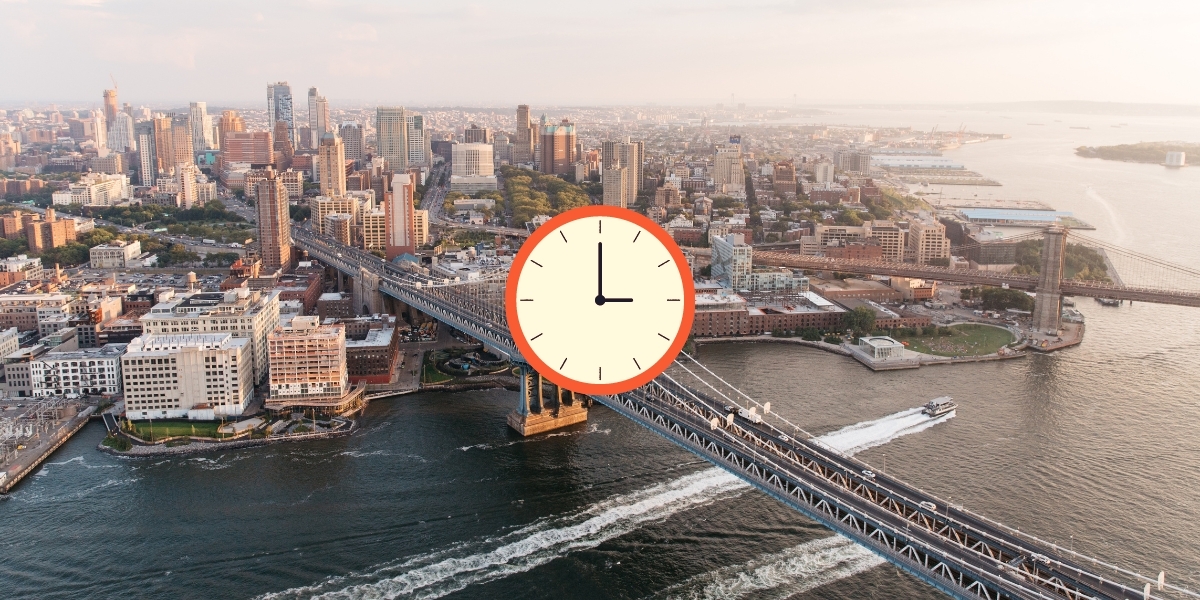
Beyond merely knowing the current hour, delving into New York’s time zone offers insights into how its global rhythms affect everything from booking accommodation and planning tours to managing jet lag and maximizing your precious sightseeing hours. This guide will demystify New York’s time, provide practical tips for travelers and remote communicators, and explore how this temporal consideration fits into the broader context of experiencing one of the world’s most iconic destinations.
Understanding New York’s Time Zone
At its core, the question “What time are they in New York?” is about understanding the Eastern Time Zone. This zone governs not only New York but a significant portion of the eastern United States and Canada, playing a crucial role in global commerce, media, and communication.
Eastern Time Zone (ET) Explained
New York observes Eastern Time, which encompasses two distinct phases throughout the year:
- Eastern Standard Time (EST): This is the base time, observed during the colder months, roughly from early November to mid-March. EST is UTC-5, meaning it is five hours behind Coordinated Universal Time.
- Eastern Daylight Time (EDT): During the warmer months, typically from mid-March to early November, New York shifts to Eastern Daylight Time. EDT is UTC-4, making it four hours behind Coordinated Universal Time. This advancement by one hour is part of the broader practice of Daylight Saving Time.
The decision to adopt Daylight Saving Time is largely driven by the aim to make better use of daylight, allowing for lighter evenings in spring and summer. This impacts daily schedules, from business hours to tourism activities, and is a key factor to consider when planning your visit or communications.
Navigating Daylight Saving Time in NYC
Daylight Saving Time (DST) in New York begins on the second Sunday in March when clocks “spring forward” one hour. It concludes on the first Sunday in November when clocks “fall back” one hour. This biannual change is significant for travelers and those interacting with NYC remotely.
- For Travelers: If your travel dates coincide with these changes, be sure to adjust your watches and devices. Most modern smartphones do this automatically, but it’s always wise to double-check to avoid missing flights, train connections, or crucial appointments. This adjustment also impacts your internal clock, potentially exacerbating jet lag if you’re arriving from a distant time zone.
- For Remote Communicators: For those scheduling calls or virtual meetings with contacts in New York, being aware of the DST shifts is paramount. A meeting scheduled for 9 AM EST in February will be 9 AM EDT in May, which means your relative time difference will have shifted by an hour. Always confirm the time zone with your contacts, specifying EST or EDT if there’s any ambiguity, or better yet, use a universal time converter.
Time Differences with Key Global Cities
Understanding New York’s time in relation to other major global cities is essential for international travelers, businesses, and families. Here’s a brief comparison (assuming New York is on EDT / UTC-4, and other cities adjust for their local DST where applicable):
- Los Angeles (PST/PDT): 3 hours behind New York.
- Chicago (CST/CDT): 1 hour behind New York.
- London (GMT/BST): 5 hours ahead of New York.
- Paris/Berlin/Rome (CET/CEST): 6 hours ahead of New York.
- Dubai (GST): 8 hours ahead of New York.
- Tokyo (JST): 13 hours ahead of New York.
- Sydney (AEST/AEDT): 14-15 hours ahead of New York (depending on their DST).
This snapshot illustrates the vast differences that can impact everything from catching up with family to scheduling international video conferences. Planning is key, and numerous online tools and apps can help you manage these disparities effortlessly.
The Impact of Time Zones on Your New York Experience
Beyond mere numbers, New York’s time zone profoundly affects the practicalities and enjoyment of your visit. From battling the notorious jet lag to orchestrating your packed itinerary, a strategic approach to time management can elevate your entire New York lifestyle.
Conquering Jet Lag for a Seamless Arrival
One of the most immediate effects of crossing multiple time zones to reach New York is jet lag. This disruption to your body’s natural circadian rhythm can lead to fatigue, irritability, and difficulty concentrating, potentially dulling the excitement of your initial days in the city.
- Pre-Arrival Adjustment: Start shifting your sleep schedule a few days before your trip. If you’re traveling east to New York, try to go to bed an hour earlier each night. If traveling west, stay up a bit later.
- Hydration and Light Meals: During your flight, stay well-hydrated and avoid heavy, greasy foods. Light snacks and plenty of water or juice can make a significant difference.
- Embrace the Local Time: Upon arrival, immediately immerse yourself in New York’s rhythm. If it’s daytime, resist the urge to nap, even if you’re exhausted. Get outside into the natural light, which helps reset your internal clock.
- Strategic Napping: If you absolutely must nap, keep it short (20-30 minutes) and early in the afternoon. Avoid long naps that can disrupt nighttime sleep.
- Manage Caffeine and Alcohol: While a coffee might seem like a quick fix, excessive caffeine can interfere with sleep. Similarly, alcohol might make you drowsy initially, but it often leads to disturbed sleep later.

By actively managing jet lag, you ensure that you’re well-rested and energized to fully experience all the incredible sights and sounds NYC has to offer.
Planning Ahead: Business, Calls, and Reservations
Effective time management extends beyond personal well-being to the logistical aspects of your trip. Whether for business stays or leisure travel, careful planning around New York’s clock is paramount.
- Business Meetings: For professionals, confirming meeting times in EDT or EST is non-negotiable. Leverage tools like World Clock or Google Calendar’s time zone features to avoid scheduling conflicts with colleagues in Los Angeles, London, or Tokyo. Early morning New York calls might be late evening for Asian counterparts, while late afternoon calls cater to European offices.
- Dining Reservations: New York’s culinary scene is world-renowned, with popular restaurants often requiring reservations weeks or even months in advance. Be mindful of local booking times. A 6 PM reservation is standard for dinner, but if you’re coming from a very different time zone, your body might still be adjusting.
- Attraction and Show Tickets: Timed entry tickets are common for popular landmarks like the Statue of Liberty, Empire State Building, or Broadway shows. Purchase these in advance and slot them carefully into your itinerary, keeping in mind the operating hours, which can vary by season or day of the week.
- Accommodation Booking: When booking hotels or apartments, note check-in and check-out times. Most hotels (e.g., Hyatt, Marriott, Hilton) adhere to a 3 PM check-in and 11 AM check-out. If you arrive early or depart late, inquire about early check-in, late check-out, or baggage storage options.
Optimizing Your Sightseeing Schedule
New York is a treasure trove of experiences, and intelligently structuring your days ensures you don’t miss out.
- Early Bird Advantage: For popular spots like the Metropolitan Museum of Art (The Met) or a morning stroll through Central Park, arriving shortly after opening can help you beat the crowds and enjoy a more serene experience.
- Evening Magic: Many New York landmarks take on a different glow at night. Consider visiting the Empire State Building or Top of the Rock at Rockefeller Center in the evening for breathtaking city lights. Times Square is, of course, best experienced after dark.
- Neighborhood Exploration: Dedicate specific blocks of time to explore neighborhoods like Greenwich Village for its bohemian charm, SoHo for shopping and galleries, or Harlem for its rich history and culture. This minimizes travel time between attractions and allows for a more immersive experience.
- Flexibility is Key: While planning is crucial, New York also rewards spontaneity. Leave some gaps in your schedule for unexpected discoveries, a pop-up market, or simply lingering longer at a favorite spot.
Experiencing New York: Beyond the Clock
While time management is vital, the true essence of New York lies in its boundless attractions, diverse culture, and unparalleled lifestyle. Understanding the clock allows you to better immerse yourself in these facets.
Iconic Landmarks and Attractions
New York is home to some of the world’s most recognizable landmarks and attractions, each offering a unique glimpse into the city’s heart.
- Statue of Liberty and Ellis Island: A journey to these historical beacons in New York Harbor is a must. Ensure you book ferry tickets and pedestal/crown access well in advance, as slots fill up quickly.
- Central Park: This urban oasis offers respite and recreation. Spend hours exploring its meandering paths, beautiful gardens, and hidden gems.
- Times Square and Broadway: The dazzling lights and energy of Times Square are unforgettable. Catch a world-class Broadway show for an quintessential NYC experience.
- Museums: New York boasts an incredible array of museums, from the vast collections of the Metropolitan Museum of Art and the modern masterpieces at the Museum of Modern Art (MoMA) to the poignant exhibits at the 9/11 Memorial & Museum at the World Trade Center.
- Observation Decks: Gain a bird’s-eye view from the Empire State Building, Top of the Rock, or the newer One World Observatory. Each offers a distinct perspective of the Manhattan skyline.
- Brooklyn Bridge: Walk or bike across this iconic structure for stunning views of Manhattan and Brooklyn.
These landmarks are not just places; they are integral to the city’s story and its appeal as a global tourism hub.
Where to Stay: Accommodation for Every Traveler
New York offers a bewildering array of accommodation options to suit every budget and lifestyle. From luxury hotels to budget-friendly apartments, your choice of stay can greatly enhance your New York adventure.
- Luxury Hotels: For those seeking unparalleled service and amenities, Midtown Manhattan and the Upper East Side boast establishments like The Plaza Hotel and The Ritz-Carlton New York, offering opulent suites and bespoke experiences.
- Boutique Hotels: Neighborhoods like SoHo, Greenwich Village, and the Lower East Side are known for their stylish, unique boutique hotels that offer a more intimate and localized feel.
- Budget-Friendly Options: While New York can be expensive, affordable hotels and hostels can be found, particularly in areas like Long Island City (Queens) or parts of Brooklyn, which offer excellent subway access to Manhattan.
- Apartment Rentals: Platforms like Airbnb and Vrbo offer a chance to live like a local, with options ranging from cozy studios to spacious villas in residential areas across all five boroughs: Manhattan, Brooklyn, Queens, The Bronx, and Staten Island.
- Hotels for Business or Family Trips: Large chain hotels often offer excellent amenities for business travelers and families, including conference facilities, fitness centers, and larger rooms.
When selecting your accommodation, consider its proximity to subway lines and the attractions you plan to visit, as efficient transportation is key in NYC.

New York Cuisine and Culture
Beyond the visible landmarks, New York’s soul lies in its incredibly diverse food scene and rich cultural tapestry. From humble street carts to Michelin-starred restaurants, the city is a gastronomic paradise.
- Iconic New York Eats: Don’t leave without trying a slice of New York-style pizza, a freshly baked bagel with schmear, or a pastrami sandwich from a classic deli.
- Global Flavors: Explore the culinary delights of diverse neighborhoods: authentic Chinese food in Chinatown, Italian in Little Italy, or vibrant Latin American cuisine in Washington Heights or The Bronx.
- Arts and Entertainment: Beyond Broadway, immerse yourself in New York’s performing arts scene. Catch a jazz performance in Greenwich Village, see a classical concert at Carnegie Hall or Lincoln Center, or explore independent galleries in Chelsea.
- Festivals and Events: The city hosts countless festivals, parades, and free events year-round. Check local listings for what’s happening during your visit to experience New York’s dynamic culture firsthand.
In conclusion, knowing what time it is in New York is more than just a matter of checking a clock; it’s a fundamental aspect of planning, experiencing, and connecting with this magnificent city. Whether you’re a first-time tourist navigating jet lag, a seasoned business traveler coordinating global teams, or simply an admirer of New York’s indelible spirit, understanding its time zone is your first step towards a seamless and unforgettable experience in the city that truly sets its own pace. By respecting the clock, you unlock the full potential of your New York adventure, ensuring every moment counts in this timeless destination.
LifeOutOfTheBox is a participant in the Amazon Services LLC Associates Program, an affiliate advertising program designed to provide a means for sites to earn advertising fees by advertising and linking to Amazon.com. Amazon, the Amazon logo, AmazonSupply, and the AmazonSupply logo are trademarks of Amazon.com, Inc. or its affiliates. As an Amazon Associate we earn affiliate commissions from qualifying purchases.