

Navigating alcohol purchase laws can sometimes feel complex, as regulations vary significantly not just from country to country, but even state to state within the [United States]. In [California], the rules are relatively straightforward, designed to balance public safety with the convenience of residents and tourists alike. This comprehensive guide will illuminate the specific hours for alcohol sales, explore the nuances between different types of establishments, and provide practical tips for visitors to ensure a seamless and legally compliant experience during their stay in the [Golden State].
Understanding California’s Alcohol Sales Laws
At the heart of [California]’s alcohol regulations lies a consistent state-wide policy regarding the hours of sale. This uniformity simplifies matters considerably for both residents and visitors, as you won’t typically encounter vastly different purchase windows from one city to another within the state for standard sales.
The Standard Hours: When the Sales Window Opens and Closes
The general rule in [California] for alcohol sales, applicable across the state, dictates that alcoholic beverages can be purchased between 6:00 AM and 2:00 AM daily. This 20-hour window provides ample opportunity for both on-premise consumption (in bars, restaurants, and other licensed venues) and off-premise purchases (from grocery stores, liquor stores, and convenience stores).
This consistent schedule means that whether you’re starting your day with a mimosa at a brunch spot in [Beverly Hills], picking up a bottle of local [Sonoma County] wine for an evening picnic by the [Golden Gate Bridge], or enjoying a late-night cocktail in [Hollywood], the hours of availability remain the same. The 2:00 AM cutoff is strictly enforced, meaning that establishments must cease serving and selling alcohol at this time. This standard applies seven days a week, including weekends and most holidays, ensuring a predictable framework for everyone.
Differentiating Between On-Premise and Off-Premise Sales
While the hours of sale are generally consistent, it’s important to understand the distinction between “on-premise” and “off-premise” sales, as they dictate where and how alcohol can be consumed.
On-Premise Sales: This refers to alcohol sold and consumed at the same location. Examples include:
- Bars and Nightclubs: These establishments are primarily focused on serving alcoholic beverages for immediate consumption on their premises.
- Restaurants: While serving food, restaurants with liquor licenses can sell alcoholic drinks to patrons to accompany their meals.
- Hotels and Resorts: Many offer mini-bars in rooms, room service, and dedicated hotel bars or lounges where guests can purchase and consume alcohol. For example, a stay at the [Grand Hyatt Hotel] in [San Francisco] would offer various on-site options for drinks.
- Event Venues: Concert halls, stadiums, and other event spaces often have licenses to sell alcohol during events.
For on-premise sales, the 6:00 AM to 2:00 AM rule applies directly to when drinks can be ordered and served to customers.
Off-Premise Sales: This refers to alcohol sold in packaged form for consumption elsewhere. Examples include:
- Grocery Stores: Major chains like [Safeway], [Ralphs], [Whole Foods Market], and [Trader Joe’s] all sell beer, wine, and spirits (though spirits might be restricted to certain sections or dedicated liquor stores depending on local interpretation or store policy).
- Liquor Stores: Dedicated stores specializing in a wide variety of alcoholic beverages.
- Convenience Stores: Smaller shops that stock a selection of beer and wine, and sometimes spirits.
When purchasing alcohol off-premise, remember that the 6:00 AM to 2:00 AM window still applies. You cannot buy a six-pack of beer from a convenience store after 2:00 AM, nor before 6:00 AM. The primary difference is that any alcohol purchased off-premise must be consumed in a private setting, not in public areas, due to open container laws which we will discuss later.
The Role of Local Jurisdictions
While [California] state law sets the fundamental framework for alcohol sales, it’s worth noting that local jurisdictions (counties and cities) retain some authority to implement more restrictive measures. However, for the general hours of sale (6 AM to 2 AM), these are rarely, if ever, altered by local ordinances. Local control is more commonly exercised in areas such as:
- Licensing Density: Limiting the number of alcohol licenses in a specific neighborhood.
- Zoning Restrictions: Preventing new bars or liquor stores from opening in certain residential areas or near schools.
- Permit Requirements: Adding specific permit requirements for outdoor dining with alcohol or live music venues.
For the average traveler or resident, the statewide 6:00 AM to 2:00 AM rule remains the most critical piece of information for planning alcohol purchases. This consistency across diverse locales, from the bustling streets of [Santa Monica] to the serene landscapes of [Yosemite National Park] (where licensed establishments within park boundaries will adhere to state laws), makes it easier to navigate.
Navigating Alcohol Purchases for the California Visitor
For those visiting [California], understanding the timing of alcohol sales is just one piece of the puzzle. Integrating this knowledge with practical advice can enhance your travel experience, whether you’re exploring [Disneyland], hiking in [Death Valley], or relaxing at a beach resort.
From San Francisco to San Diego: Regional Nuances and What to Expect
While the alcohol sale hours are statewide, the culture and availability of alcohol can subtly shift depending on your location.
- Urban Centers: In major cities like [San Francisco], [Los Angeles], and [San Diego], you’ll find an abundance of options, from high-end cocktail bars to vibrant breweries and diverse liquor stores. The late 2:00 AM closing time is actively utilized, especially in entertainment districts.
- Wine Regions: In areas like [Napa Valley], [Sonoma County], and [Paso Robles], while the 6 AM to 2 AM rule applies, the focus during the day is often on wine tasting rooms, which typically have their own specific operating hours (often closing earlier than 2 AM) and tasting protocols. These are tourist attractions in themselves, offering unique experiences.
- Rural Areas: In more rural or less populated areas, while the laws remain the same, the sheer number of establishments selling alcohol might be fewer, and some smaller stores or bars might close earlier due to less demand. It’s always wise to check local operating hours if you’re in a remote location.
Regardless of where you are, always carry a valid government-issued ID if you plan to purchase or consume alcohol. [California] is very strict about age verification.
Hotel Bars and Resort Amenities: Convenience and Considerations
Hotels and resorts are a common accommodation choice for travelers in [California], ranging from budget-friendly options to luxurious five-star establishments. Many offer convenient access to alcoholic beverages:
- Mini-bars and Room Service: Most upscale hotels provide mini-bars stocked with various alcoholic beverages, available 24/7 for guest convenience. Purchases made this way are technically ‘billed’ to your room and fall under the hotel’s license. Similarly, room service often includes alcoholic selections, adhering to the 6 AM to 2 AM service window.
- On-site Bars and Restaurants: Nearly every hotel with dining facilities will have a bar or lounge. These operate under the standard 6 AM to 2 AM hours for serving drinks. This offers a great way to enjoy a drink without having to leave your accommodation, especially after a long day of exploring. Consider a stay at a place like the [Ritz-Carlton Laguna Niguel] which offers exquisite dining and bar experiences right on-site.
- Poolside Service: Many resorts, particularly in sunny areas like [Palm Springs] or coastal regions, offer poolside food and beverage service, including alcoholic drinks, within the permitted hours.
When staying at a hotel, always be mindful of internal hotel policies which might sometimes have slightly earlier last call times than the state law permits, based on their operational decisions.
Grocery Stores, Liquor Stores, and Convenience Stores: Where to Buy for Off-Premise Enjoyment
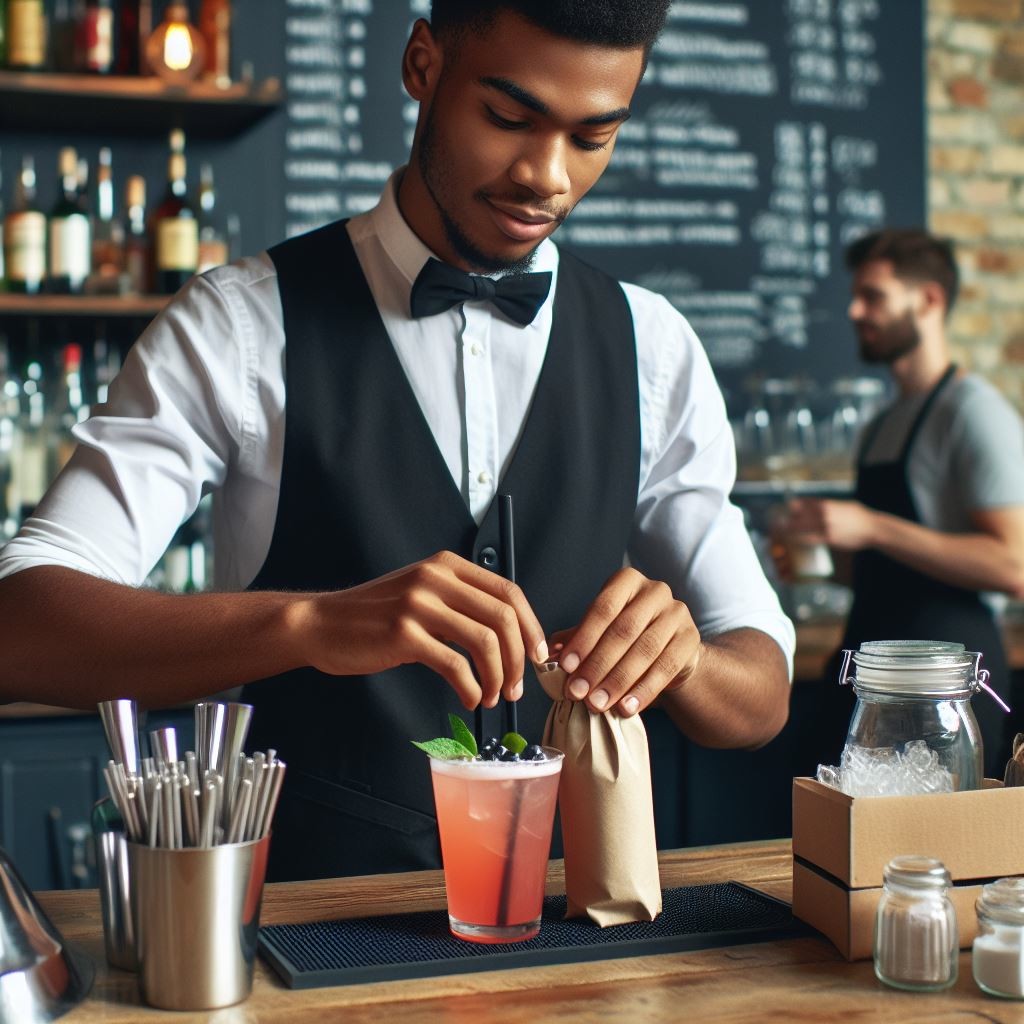
For those planning to enjoy a drink in their hotel room, Airbnb, or at a private gathering, knowing where to purchase alcohol is essential.
- Grocery Stores: As mentioned, large supermarkets like [Safeway], [Ralphs], [Whole Foods Market], and [Trader Joe’s] are excellent options for buying beer, wine, and usually spirits. They offer competitive prices and a vast selection.
- Liquor Stores: For a broader and more specialized selection of spirits, craft beers, and fine wines, dedicated liquor stores are your best bet. Staff are often knowledgeable and can provide recommendations.
- Convenience Stores: Chains like 7-Eleven often carry basic selections of beer and wine. These are handy for quick purchases, especially if you’re looking for something after other stores have closed for the evening but before the 2:00 AM cutoff.
Remember to factor in the 2:00 AM cut-off time when planning your purchases. If you anticipate wanting a drink after this hour, it’s prudent to buy it before then. And always ensure you have valid identification ready.
Beyond the Bottle: California’s Diverse Beverage Culture
[California]’s beverage scene extends far beyond simply knowing when you can buy alcohol. It’s a vibrant tapestry woven with world-class vineyards, innovative craft breweries, and a growing appreciation for sophisticated non-alcoholic options, all contributing to the state’s rich tourism and lifestyle appeal.Exploring California’s Wine Country
[California] is synonymous with wine, and its wine regions are major tourist destinations. [Napa Valley] is arguably the most famous, home to prestigious wineries and gourmet dining experiences. Equally celebrated are [Sonoma County], known for its diverse terroir and charming towns, and [Paso Robles], an emerging region gaining recognition for its robust reds.- Tasting Room Hours: While the state’s 6 AM to 2 AM law dictates general sales, wine tasting rooms typically operate during daytime hours, often from 10 AM or 11 AM to 4 PM or 5 PM. It’s crucial to check the specific hours of individual wineries you plan to visit, as many require reservations, especially on weekends or for special tours.
- Tours and Experiences: Wineries offer much more than just tastings; many provide tours of their vineyards and cellars, pairing experiences, and special events. These are often integral parts of a [California] travel itinerary, offering insights into local culture and agriculture.
Visiting wine country is a unique way to experience [California]’s lifestyle, focusing on artisanal production and the appreciation of fine beverages in scenic settings.
Craft Beer and Distillery Scenes
Beyond wine, [California] boasts an incredibly robust craft beer scene. [San Diego], for instance, is often hailed as one of the craft beer capitals of the [United States], with a plethora of breweries offering innovative brews. [Los Angeles] and [San Francisco] also have thriving brewery districts. Similarly, artisan distilleries producing everything from small-batch whiskeys to unique gins are gaining popularity.
- Brewery Taprooms and Distillery Tours: Like wineries, these establishments have their own specific taproom hours, which may or may not extend to the 2 AM limit, often closing earlier. Many offer tours that explain the brewing or distilling process, followed by tastings. This offers another distinct facet of [California]’s beverage tourism.
These scenes contribute significantly to the local economy and offer specialized experiences for connoisseurs and casual enthusiasts alike, often highlighting local ingredients and innovative techniques.
Non-Alcoholic Alternatives and Mocktails
Reflecting a broader shift in lifestyle and wellness trends, [California] also excels in providing sophisticated non-alcoholic options. Most high-end restaurants and bars now offer extensive mocktail menus, crafted with the same care and creativity as their alcoholic counterparts. Specialty non-alcoholic spirits, beers, and wines are also readily available in many stores and dedicated shops. This ensures that everyone, regardless of their drinking preferences, can partake in the state’s vibrant culinary and social scene.
Responsible Consumption and Enjoyment in the Golden State
While knowing when and where to buy alcohol is important, equally crucial is understanding the laws governing its consumption and doing so responsibly. [California] maintains strict regulations to ensure public safety.
Age Restrictions and Identification Requirements
The legal drinking age in the [United States] is 21. [California] strictly enforces this, and establishments selling or serving alcohol are required to verify age.
- Valid ID: Always carry a valid, government-issued photo identification, such as a driver’s license, state ID card, or passport. Even if you appear to be well over 21, you may still be asked for ID.
- Strict Enforcement: Don’t be surprised if you’re asked for ID multiple times, even in the same establishment. This is standard practice to comply with the law. Attempting to use a fake ID or purchasing alcohol for minors carries severe penalties.
Open Container Laws
[California] has strict open container laws. This means:- No Public Consumption: It is illegal to consume alcoholic beverages in public places, such as on streets, sidewalks, parks, beaches, or in any vehicle, unless specifically permitted by a local ordinance or at a licensed event.
- Vehicle Regulations: It is illegal to have an open container of alcohol in a vehicle, even if you are a passenger. Any alcohol purchased must be sealed and transported in the trunk or a place not readily accessible to anyone in the vehicle. This is particularly important for tourists renting cars.
Adhering to these laws is not just about avoiding fines; it’s about respecting local customs and contributing to a safe environment for everyone.
Driving Under the Influence (DUI) Laws
[California] has some of the strictest driving under the influence (DUI) laws in the nation.- Zero Tolerance: For drivers under 21, [California] has a “zero tolerance” policy, meaning any detectable amount of alcohol in their system can lead to a DUI.
- Legal Limit: For drivers 21 and older, the legal limit for blood alcohol concentration (BAC) is 0.08%. Even if your BAC is below this, you can still be charged with a DUI if your driving is impaired.
- Severe Penalties: DUI convictions carry severe penalties, including hefty fines, license suspension, mandatory alcohol education programs, and even jail time.
Plan Ahead: If you plan to drink, do not drive. Utilize ridesharing services like [Uber] or [Lyft], taxis, public transportation, or designate a sober driver. Many hotels offer shuttle services, and tour companies in wine country often provide transportation. Prioritizing safety ensures that your travel memories are positive ones.
Enjoying California Safely and Legally
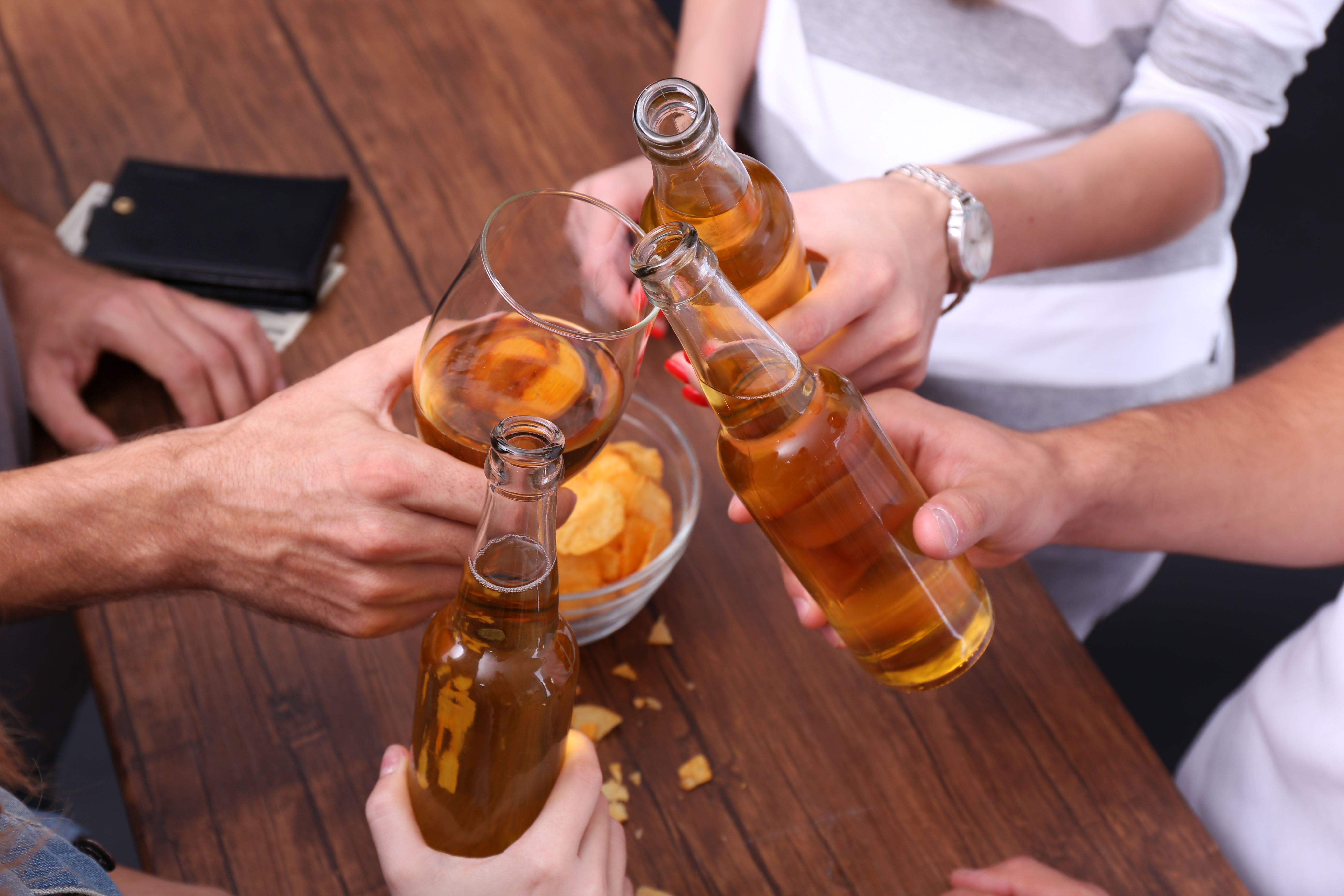
[California] offers an incredible array of experiences, and enjoying its diverse beverage culture is certainly part of the appeal for many visitors. By understanding and respecting the state’s alcohol laws, you can ensure your trip is not only memorable but also trouble-free. The state’s 6:00 AM to 2:00 AM alcohol sales window provides ample opportunity to responsibly explore its wines, craft beers, and spirits.From world-class destinations to intimate local gems, [California] invites you to discover its unique charm. Whether you’re staying in luxurious accommodation, exploring famous landmarks, or indulging in local food and activities, integrating a mindful approach to alcohol consumption will only enhance your journey through this magnificent state. Enjoy the sunshine, the scenery, and the sips responsibly, making the most of every moment in the [Golden State].
LifeOutOfTheBox is a participant in the Amazon Services LLC Associates Program, an affiliate advertising program designed to provide a means for sites to earn advertising fees by advertising and linking to Amazon.com. Amazon, the Amazon logo, AmazonSupply, and the AmazonSupply logo are trademarks of Amazon.com, Inc. or its affiliates. As an Amazon Associate we earn affiliate commissions from qualifying purchases.