
Understanding hotel check-in times is a fundamental aspect of travel planning that can significantly impact your arrival experience. Whether you’re arriving after a long flight or planning a leisurely journey, knowing the standard check-in window ensures a smooth transition into your accommodation. This guide delves into the intricacies of hotel check-in times, exploring the common practices, factors influencing them, and how to navigate potential variations.
The Standard Hotel Check-In Window
Most hotels adhere to a general check-in time, typically falling between 2:00 PM and 4:00 PM. This timeframe is not arbitrary; it’s carefully orchestrated to allow sufficient time for the hotel’s housekeeping and maintenance teams to prepare rooms for arriving guests.

Why the Standard Time? The Housekeeping Cycle
The primary reason for a designated check-in time is the post-check-out cleaning and preparation process. When a guest departs, their room requires thorough cleaning, inspection, and restocking of amenities. This involves:
- Room Cleaning: Bedding is changed, bathrooms are sanitized, floors are cleaned, and the entire room is tidied.
- Maintenance Checks: Staff often perform a quick check for any minor maintenance issues that may have arisen during the previous guest’s stay.
- Amenity Replenishment: Toiletries, coffee supplies, stationery, and other in-room amenities are refilled.
- Quality Assurance: A final inspection ensures the room meets the hotel’s standards before a new guest is welcomed.
This entire process, when multiplied across numerous rooms, requires a significant operational window. By setting a check-in time of 2:00 PM or 3:00 PM, hotels allow a substantial period, often from 11:00 AM or 12:00 PM (the typical check-out time), to complete these tasks efficiently and ensure every room is ready for occupancy.
The Significance of Check-Out Time
Understanding your hotel’s check-out time is just as crucial as knowing the check-in time. Most hotels have a check-out policy of 11:00 AM or 12:00 PM. This provides the housekeeping staff with the necessary hours to prepare for the influx of arriving guests. If guests overstay their check-out time, it can create a domino effect, potentially delaying room readiness for those arriving later in the day.
Variations Across Hotel Types and Brands
While a 2:00 PM to 4:00 PM check-in window is common, it’s essential to recognize that variations exist. Different types of hotels and even specific brands may implement slightly different policies:
- Luxury Hotels and Resorts: High-end establishments, such as those in the Ritz-Carlton or Four Seasons portfolios, might offer earlier check-in times or more flexible arrangements as part of their premium service. They may also have dedicated staff to expedite room preparation.
- Boutique Hotels: These smaller, often independently owned properties might have more personalized check-in policies, sometimes accommodating earlier arrivals if rooms are available.
- Budget Hotels and Motels: Establishments focused on affordability may have a more rigid schedule, with a later check-in time, such as 4:00 PM, to maximize housekeeping efficiency.
- Extended Stay Hotels and Apartment Hotels: Properties designed for longer stays, like Marriott Executive Apartments or Aparthotels, might have different operational models, but a standardized check-in time still generally applies for logistical reasons.
- Unique Accommodations: Properties like bed and breakfasts or unique rentals might have entirely different check-in procedures, often more flexible and based on owner availability.
Always consult your specific hotel’s policy, as these general guidelines may not apply universally.
Early Check-In: Possibilities and Policies
Arriving earlier than the standard check-in time is a common desire for travelers. Fortunately, hotels often accommodate early check-in requests, though it’s not always guaranteed.
How to Request Early Check-In
The best approach to securing an early check-in is through proactive communication:
- Contact the Hotel in Advance: The most effective method is to call or email the hotel a day or two before your arrival. Inquire about the possibility of checking in early and express your estimated arrival time. This allows the hotel to note your request and plan accordingly.
- Mention it During Booking: Some booking platforms or hotel websites offer a field for special requests. You can note your preference for early check-in here, but it’s still advisable to follow up with a direct communication.
- Arrive and Inquire: If you haven’t arranged it in advance, you can always approach the front desk upon arrival and ask if your room is ready. Many hotels will accommodate if the room has already been cleaned and inspected.
Factors Influencing Early Check-In Availability
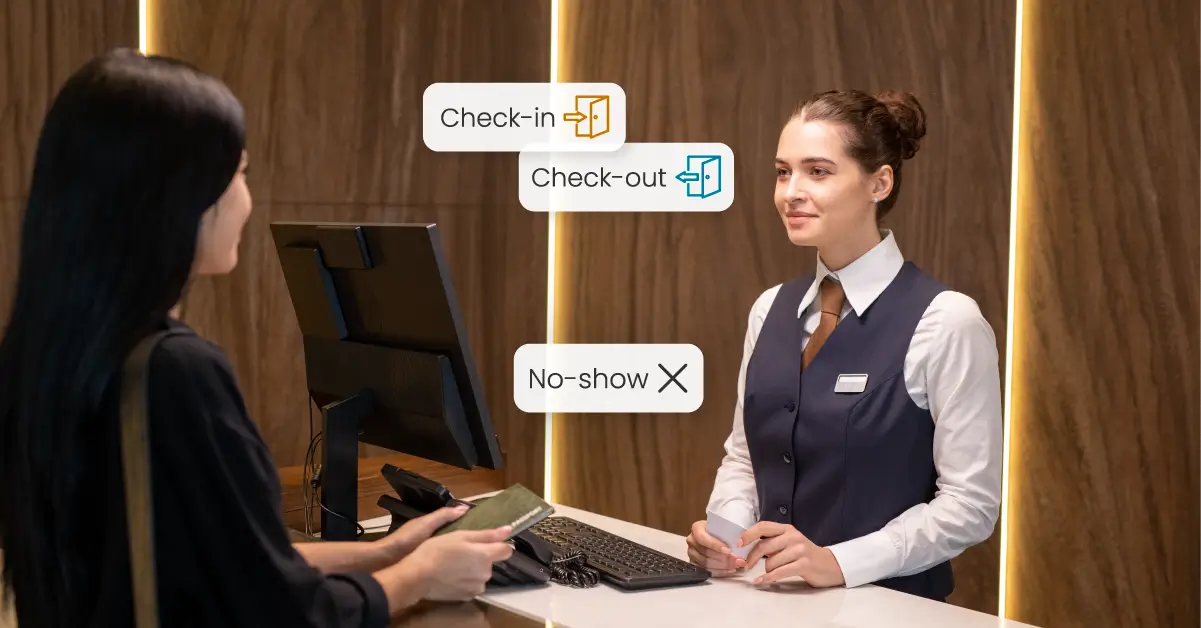
Several factors determine whether an early check-in is feasible:
- Hotel Occupancy: If the hotel is fully booked and many guests are checking out on the same day you are arriving, it’s less likely that rooms will be ready early. Conversely, during off-peak seasons or if the hotel has a lower occupancy, early check-in is more probable.
- Room Status: The availability of a cleaned and prepared room is paramount. Even if the hotel wants to accommodate you, they cannot if your assigned room is still being serviced.
- Front Desk Discretion: Ultimately, the decision often rests with the front desk staff based on the day’s operational flow and their ability to manage guest arrivals.
Potential Fees and Alternatives
While many hotels offer early check-in as a courtesy, some may charge a fee, especially if you require guaranteed early access.
- Guaranteed Early Check-In: If an early check-in is critical for your plans, you can often book a “guaranteed early check-in.” This usually involves paying for the previous night to ensure the room is exclusively yours from a much earlier time, often from the morning.
- Luggage Storage: If your room isn’t ready upon arrival, most hotels will happily store your luggage. This allows you to explore the local area, grab a meal, or relax in a common area while you wait. This is a standard service and typically free of charge.
- Utilizing Hotel Amenities: Many hotels offer amenities like lounges, business centers, or even spa facilities that you can use while waiting for your room. This can turn a waiting period into a productive or relaxing experience.
Late Check-Out: Extending Your Stay
Just as early check-in is a consideration for arrivals, late check-out is a popular request for departures. While most hotels have a fixed check-out time, extending it is sometimes possible.
How to Request Late Check-Out
Similar to early check-in, communication is key:
- Ask the Day Before: The best time to request a late check-out is the day before your scheduled departure. This gives the hotel ample time to assess its occupancy and housekeeping schedule.
- Inquire at the Front Desk: You can also ask the front desk on the morning of your departure. Availability will depend heavily on the day’s bookings.
- Loyalty Programs: Many hotel loyalty programs, particularly at higher tiers, offer late check-out privileges as a benefit. Check your membership status with brands like Marriott Bonvoy or Hilton Honors.
Factors Influencing Late Check-Out Availability
- Hotel Occupancy: This is the most significant factor. If the hotel is expecting a full house with many arrivals on your departure day, granting late check-outs will be difficult.
- Housekeeping Schedule: The hotel’s ability to service rooms efficiently after guests depart plays a role. If they have a backlog or a high volume of departures, they may be less inclined to allow late check-outs.
- Duration of Extension: A request for a short extension (e.g., an extra hour or two) is more likely to be granted than a request for a significantly later check-out time.
Late Check-Out Fees and Alternatives
- Complimentary Late Check-Out: For a short extension (e.g., until 1:00 PM or 2:00 PM), many hotels will grant this for free, especially if they are not fully booked.
- Half-Day or Full-Day Rates: For significant late check-outs (e.g., past 4:00 PM), hotels often charge a fee, which might be equivalent to half a day’s rate or even a full day’s rate.
- Luggage Storage: If your late check-out request cannot be accommodated, you can almost always have your luggage stored at the hotel. This allows you to continue enjoying the city or your activities without the burden of your belongings.
- Utilizing Hotel Facilities: As with early check-in, you can often use the hotel’s common areas, restaurants, or amenities after checking out, provided you’ve arranged for luggage storage.
Maximizing Your Arrival and Departure Experience
Navigating hotel check-in and check-out times efficiently can significantly enhance your travel experience. By understanding the underlying reasons for these policies and employing strategic communication, you can often secure the flexibility you need.
Planning Your Journey Around Check-In Times
- Factor in Travel Time: When booking flights or planning road trips, consider the hotel’s check-in time. If you anticipate arriving significantly before check-in, plan activities for the interim, such as visiting a nearby landmark like the Eiffel Tower or enjoying a meal.
- Consider Airport Hotels: If you have a very early flight or a late arrival, staying at an airport hotel might be a practical solution, as these often have more flexible check-in policies to accommodate transient travelers.
- Group Travel: For group bookings, designate one person to handle check-in to streamline the process, especially if multiple rooms are involved.

Effective Communication is Key
- Be Polite and Pleasant: A friendly and respectful demeanor with front desk staff can go a long way in securing favors like early check-in or late check-out.
- Be Specific with Your Requests: Clearly state your desired check-in or check-out time and the reason if it’s pertinent (e.g., an early flight).
- Confirm in Writing: If you receive confirmation for an early check-in or late check-out, it’s wise to get it in writing (via email) or have the front desk agent note it in your reservation.
By being informed and proactive, you can transform potential logistical challenges into seamless transitions, allowing you to focus on enjoying your stay, whether it’s in a bustling city like New York City or a serene resort in Bali. Understanding these hotel policies is a vital skill for any seasoned traveler.
LifeOutOfTheBox is a participant in the Amazon Services LLC Associates Program, an affiliate advertising program designed to provide a means for sites to earn advertising fees by advertising and linking to Amazon.com. Amazon, the Amazon logo, AmazonSupply, and the AmazonSupply logo are trademarks of Amazon.com, Inc. or its affiliates. As an Amazon Associate we earn affiliate commissions from qualifying purchases.