
The Boston Marathon is not just a race; it’s a global spectacle, a vibrant cultural event deeply embedded in the fabric of Boston and a bucket-list experience for tourists worldwide. For anyone planning to witness this historic event, whether as a dedicated supporter or a curious traveler seeking to soak in the local atmosphere, knowing the official start times is paramount. Unlike many races with a single gunshot start, the Boston Marathon employs a carefully orchestrated, phased approach, ensuring both safety and optimal race conditions for its diverse field of participants.
Understanding the Phased Start for an Iconic Race
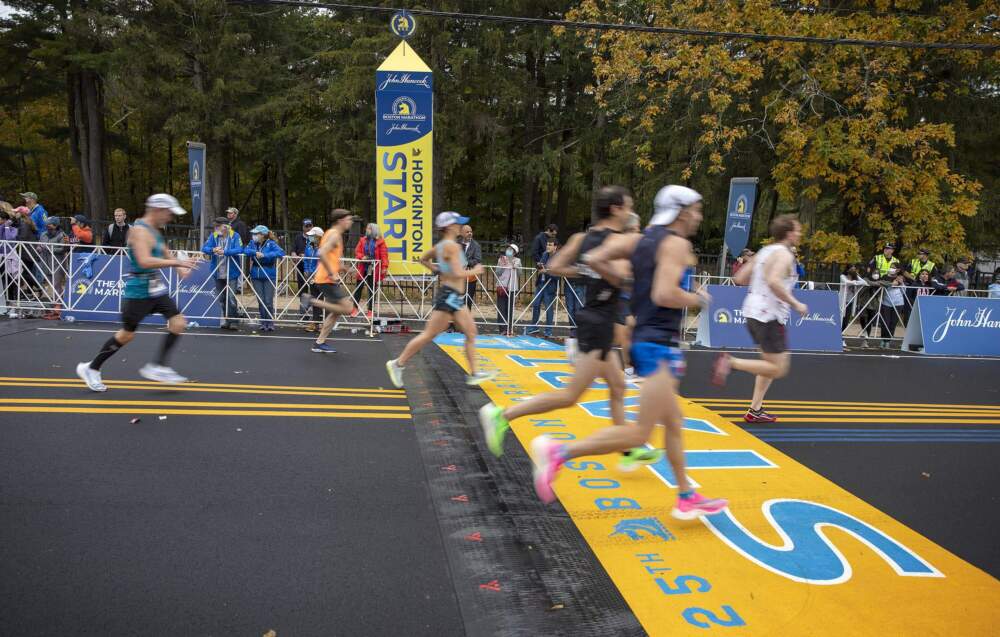
The Boston Marathon, traditionally held on Patriots’ Day, the third Monday of April, utilizes a wave start system. This method segments the thousands of runners into smaller groups, released at staggered intervals from the starting line in Hopkinton, Massachusetts. This system significantly reduces congestion on the course, enhances runner safety, and allows athletes of similar paces to run together, optimizing the experience for everyone involved – including the spectators who line the 26.2-mile route.
The Rationale Behind Waves and Corrals
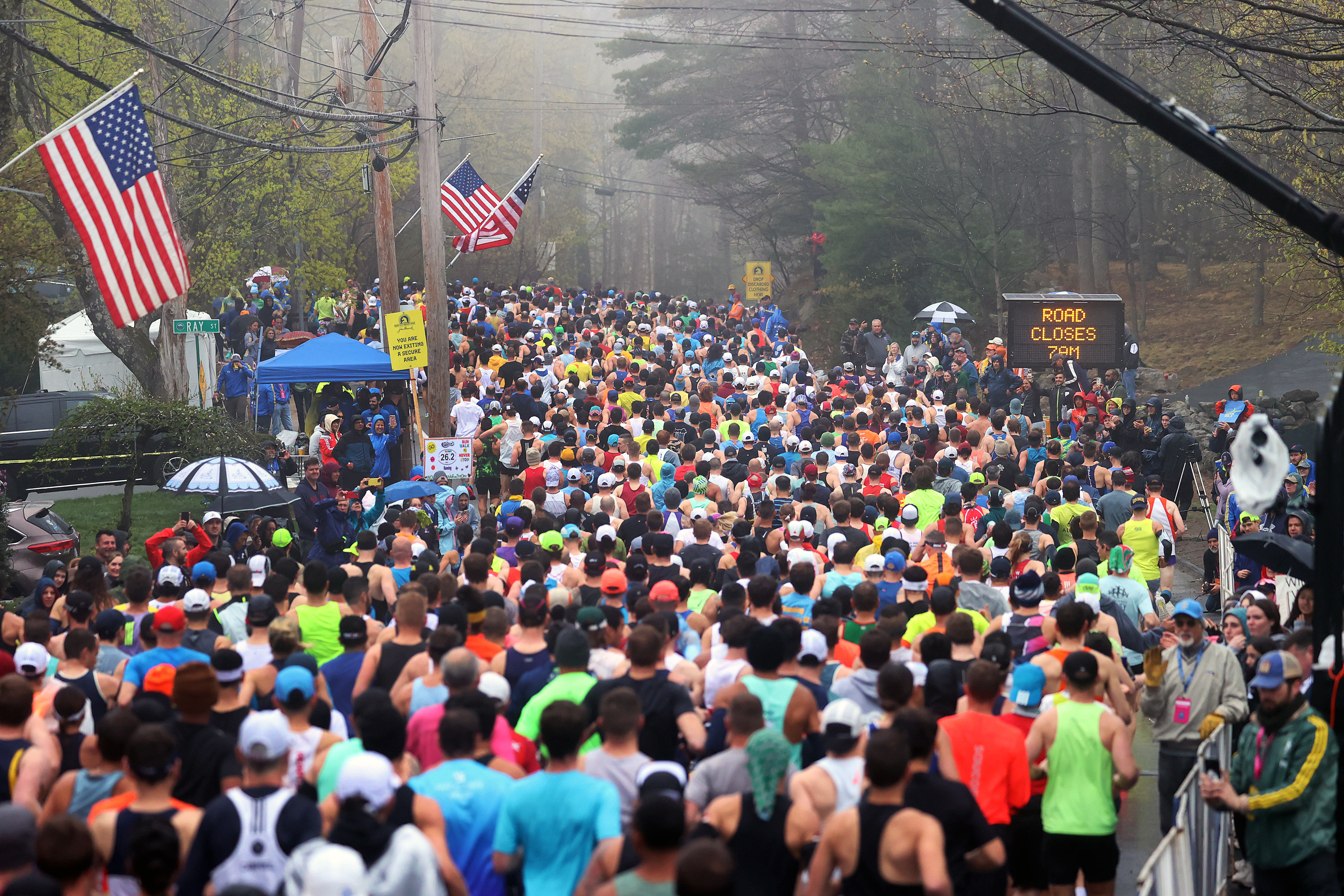
The primary reason for the wave start is logistical. With tens of thousands of participants, a mass start would be chaotic and dangerous. By dividing runners into waves and further into corrals within those waves (based on their qualifying times), the race organizers facilitate a smoother flow from the start. This careful planning also impacts the timing of when the first runners reach various points along the course, a critical detail for tourists hoping to catch a glimpse of the action.
Typical Start Times for Different Divisions
While exact times can vary slightly year to year due to minor adjustments by the Boston Athletic Association (B.A.A.), the general schedule for the Boston Marathon remains consistent. Spectators should note that these are the times the races officially start, not necessarily when runners will pass their specific viewing locations.
- Elite Wheelchair Athletes: The very first athletes to depart Hopkinton are usually the elite men’s and women’s wheelchair divisions. These races typically kick off around 9:00 AM EST. Their early start allows them to navigate the course with fewer obstacles and provides a clear window for their impressive athletic display.
- Handcycle and Duos: Shortly after the wheelchair athletes, the handcycle and duo participants begin their journey, often around 9:02 AM EST. These divisions add another layer of inspiration and diversity to the race, showcasing incredible determination.
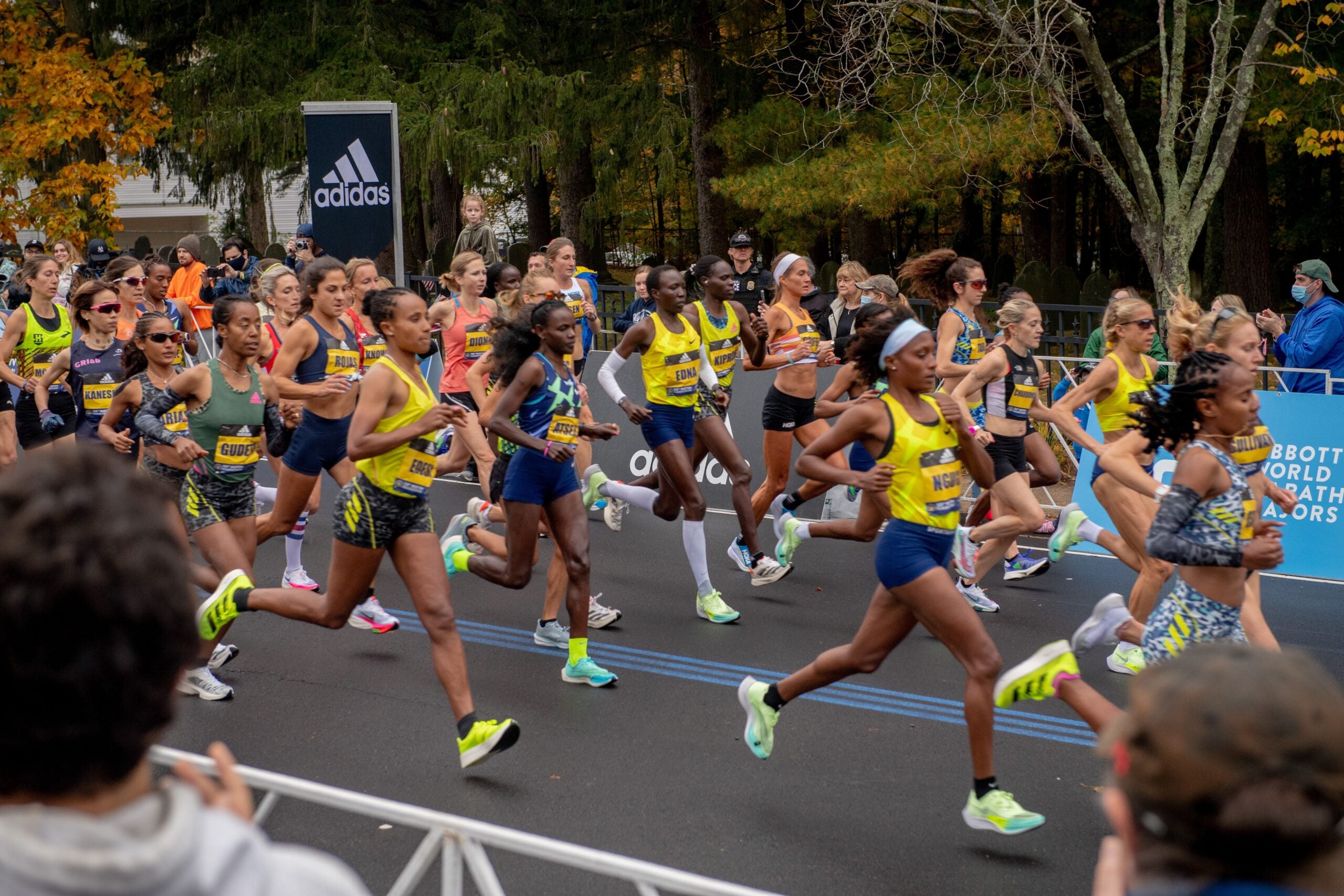
- Elite Men: The fastest male runners in the world, the elite men’s field, usually commence their race around 9:37 AM EST. This is often when the competitive spirit truly ignites, as these athletes vie for the coveted champion title.
- Elite Women: The elite women typically follow soon after, around 9:47 AM EST. The strategic spacing of elite fields allows for clear broadcasting and distinct competitive narratives for both categories.
- Para Athletics Divisions: Various para athletics divisions, including vision impaired, amputee, and intellectual impairment categories, often have their start integrated around the elite fields or as a distinct wave, typically starting around 9:50 AM EST.
- Wave 1: The first general wave of qualified runners, often the fastest amateur athletes, typically starts around 10:00 AM EST. This wave comprises thousands of dedicated runners who have met stringent qualifying standards.
- Wave 2: Following Wave 1, the second wave usually departs around 10:25 AM EST.
- Wave 3: The third wave steps off the starting line approximately at 10:50 AM EST.
- Wave 4: The final wave of runners typically begins their marathon around 11:15 AM EST. This staggered approach means that runners will be continually streaming past spectator points for several hours after the first wave begins.
For tourists, this means that the action is sustained throughout the morning and early afternoon, offering multiple opportunities to cheer on participants as they make their way towards Boston.
Planning Your Spectator Experience: Key Timings and Locations
Experiencing the Boston Marathon as a tourist is an unparalleled opportunity to witness history, athleticism, and community spirit firsthand. Strategic planning based on these start times is essential for maximizing your enjoyment.
The Starting Line in Hopkinton: An Early Morning Buzz
If you’re eager to witness the initial energy and the official start of the race, heading to Hopkinton is an option, though it requires very early planning and navigating road closures. The town transforms into a hub of excitement hours before the first start time, with runners gathering, final preparations being made, and the unique atmosphere of anticipation filling the air. Arriving well before 8:00 AM is advisable to secure a good spot and account for travel time.
Prime Viewing Spots Along the Route
The 26.2-mile course offers numerous fantastic viewing locations, each with its own character and timeline for when runners will pass:
- Wellesley Scream Tunnel (Miles 12-13): Expect the first elite runners to reach Wellesley around 9:55 AM (elite men) and 10:05 AM (elite women). The “Scream Tunnel,” created by students of Wellesley College, is an electrifying experience, offering a burst of energy for runners around the halfway point. This is a must-see for tourists looking for vibrant crowd interaction.
- The Newton Hills (Miles 16-21): The challenging Newton Hills, including the infamous Heartbreak Hill, see elite runners typically between 10:20 AM and 10:45 AM. This section is iconic for its demanding nature, and watching runners conquer these ascents is a testament to their endurance. It offers a dramatic viewing experience for spectators.
- Kenmore Square (Mile 25): As runners approach the final stretch, Kenmore Square becomes a pulsating area of anticipation. The first elite finishers will pass through here around 11:00 AM, with the steady stream of general runners continuing for hours. The energy here is palpable, as runners realize they are nearly at the finish.
The Finish Line on Boylston Street: Anticipating the First Finishers
The grand finale unfolds on Boylston Street in Boston’s Back Bay area. The earliest elite wheelchair athletes can cross the finish line as early as 10:20 AM, with elite men’s champions often arriving around 11:15 AM and elite women around 11:25 AM. Spectator access to the finish line area itself is often restricted or requires special credentials, but the surrounding blocks of Boylston Street and Copley Square offer fantastic opportunities to absorb the atmosphere and celebrate the finishers. Arrive early to secure a good spot, as this area fills up quickly.
Beyond the Start Time: Immersing in Boston Marathon Culture
Attending the Boston Marathon as a tourist is about more than just witnessing the race; it’s about experiencing the profound local culture and community spirit that surrounds it. The entire weekend leading up to Patriots’ Day is brimming with activities designed for both participants and spectators.
Pre-Race Festivities and Expo
The official Boston Marathon Expo, typically held at the Hynes Convention Center in the days preceding the race, is a must-visit. Here, runners pick up their bibs, but it’s also a vibrant marketplace for fitness brands, a hub for race information, and a gathering spot for the international running community. For tourists, it offers a fascinating glimpse into the scale and passion behind the marathon, complete with interactive displays and official merchandise. Many local businesses also host special events and offers during this period.
Local Business Engagement and Marathon-Themed Events
Throughout Boston and the surrounding towns along the course, local businesses embrace the marathon spirit. Restaurants offer special menus, pubs become lively gathering points for pre- and post-race celebrations, and shops display marathon-themed decorations. Exploring the neighborhoods like Back Bay, Kenmore Square, and even the small towns like Framingham and Natick in the days around the marathon offers a unique perspective on Massachusetts culture and its enduring connection to this historic event. Look for public art installations, live music, and charity events that often coincide with the marathon festivities.
Post-Race Celebrations and Community Spirit
Once the final runners cross the finish line and Boylston Street clears, the celebration doesn’t end. Many runners, their families, and spectators flock to local establishments to recount their experiences, share meals, and revel in the collective accomplishment. The atmosphere is one of immense pride and camaraderie, a testament to the community’s resilience and its embrace of this challenging and inspiring event. Walking around Boston in the evening after the race, you’ll see countless finishers proudly wearing their medals, their faces etched with effort and triumph, embodying the spirit of the city.
Essential Tips for Tourists Attending the Marathon
To ensure a seamless and enjoyable marathon experience, tourists should be prepared for large crowds and significant logistical changes in Boston and its suburbs.
Public Transportation and Road Closures
Public transportation, specifically the MBTA (subway and commuter rail), is the most efficient way to navigate Boston on Marathon Monday. Numerous roads along the race route and in downtown Boston are closed for extended periods, making driving impossible and taxis scarce. Plan your route in advance, check MBTA schedules for any service changes or additional trains, and purchase tickets beforehand to avoid queues. Walking is also a great way to explore, especially in central Boston, but be aware of pedestrian diversions due to security.
Weather Preparedness and Hydration
April weather in Boston can be unpredictable. Be prepared for anything from warm sunshine to cold rain, and even gusty winds. Dress in layers, wear comfortable walking shoes, and consider bringing a compact umbrella or raincoat. Hydration is key, even as a spectator; carry a reusable water bottle. Sunscreen is also advisable, regardless of the forecast, given the long hours spent outdoors.
Respecting the Runners and Local Community
The Boston Marathon is a serious athletic endeavor for participants and a cherished event for locals. When cheering, offer positive encouragement to all runners, and avoid blocking their path or impeding race officials. Be mindful of public spaces, use designated trash receptacles, and respect private property. Remember that many residents live along the course, and their routines are significantly impacted by the race.
Where to Find Real-Time Updates
For the most current information regarding start times, road closures, public transportation changes, and spectator guidelines, always refer to the official Boston Athletic Association (B.A.A.) website. Local news outlets in Boston also provide extensive coverage and real-time updates leading up to and during the event. Planning your day with official information ensures you have the best possible experience at one of the world’s most celebrated road races.
LifeOutOfTheBox is a participant in the Amazon Services LLC Associates Program, an affiliate advertising program designed to provide a means for sites to earn advertising fees by advertising and linking to Amazon.com. Amazon, the Amazon logo, AmazonSupply, and the AmazonSupply logo are trademarks of Amazon.com, Inc. or its affiliates. As an Amazon Associate we earn affiliate commissions from qualifying purchases.