
The rhythmic pulse of global finance often beats in New York City, a metropolis synonymous with ambition, innovation, and, of course, the bustling activity of its stock exchanges. While the city offers a dazzling array of experiences, from iconic landmarks to vibrant cultural districts, a fundamental question for many, particularly those with an interest in the financial world, revolves around the operational hours of its most prominent financial institution: the New York Stock Exchange (NYSE). Understanding when the NYSE closes is not just a matter of curiosity; it can be crucial for investors, traders, and even those simply observing the ebb and flow of the global economy.
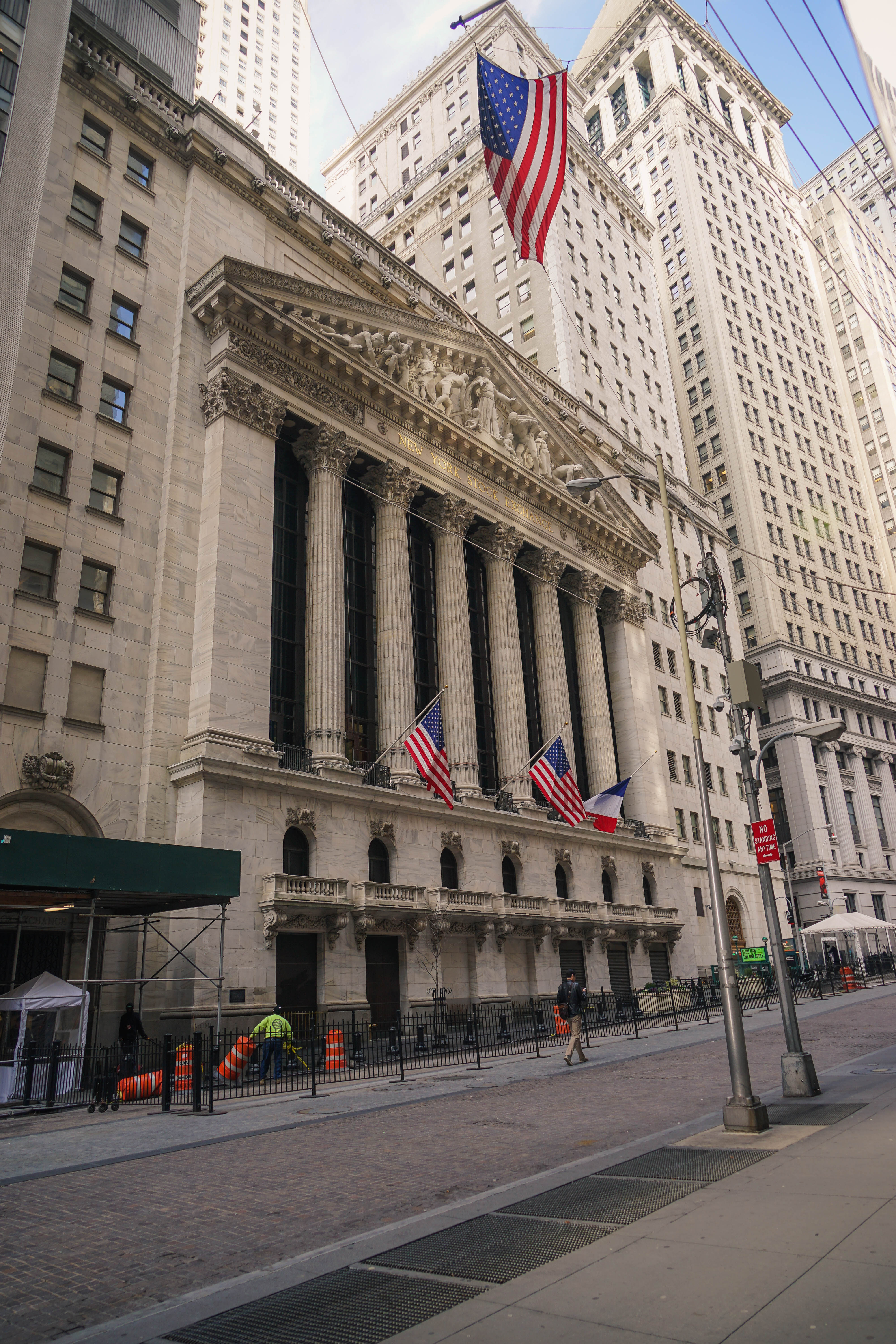
The NYSE, a cornerstone of Wall Street, operates on a defined schedule, a crucial element for market participants worldwide. Its closing time is a signal that the day’s trading on the primary market has concluded, paving the way for post-market activities and the analysis of the day’s performance. This schedule is not arbitrary; it’s a carefully managed system designed to facilitate orderly trading and ensure fairness for all participants. For travelers to New York, a visit to the Financial District offers a tangible connection to this powerful economic engine. Walking past the imposing New York Stock Exchange building on Wall Street, one can almost feel the energy that emanates from within, even after the trading floor has quieted for the day.
Understanding the NYSE Trading Schedule
The New York Stock Exchange adheres to specific trading hours designed to accommodate both domestic and international markets. This standardization is vital for maintaining market efficiency and preventing confusion.
Regular Trading Hours
The standard trading day for the New York Stock Exchange begins with the opening bell and concludes with the closing bell. These hours are consistently observed on most business days, barring any special circumstances or holidays.
The New York Stock Exchange typically opens at 9:30 AM Eastern Time (ET) and closes at 4:00 PM Eastern Time (ET) on regular trading days. This means that for six and a half hours, the market is open for buying and selling securities. This period is the core of the trading day, when the majority of transactions occur and market trends are most actively established. For investors and traders, this window is critical for executing their strategies and reacting to market news.
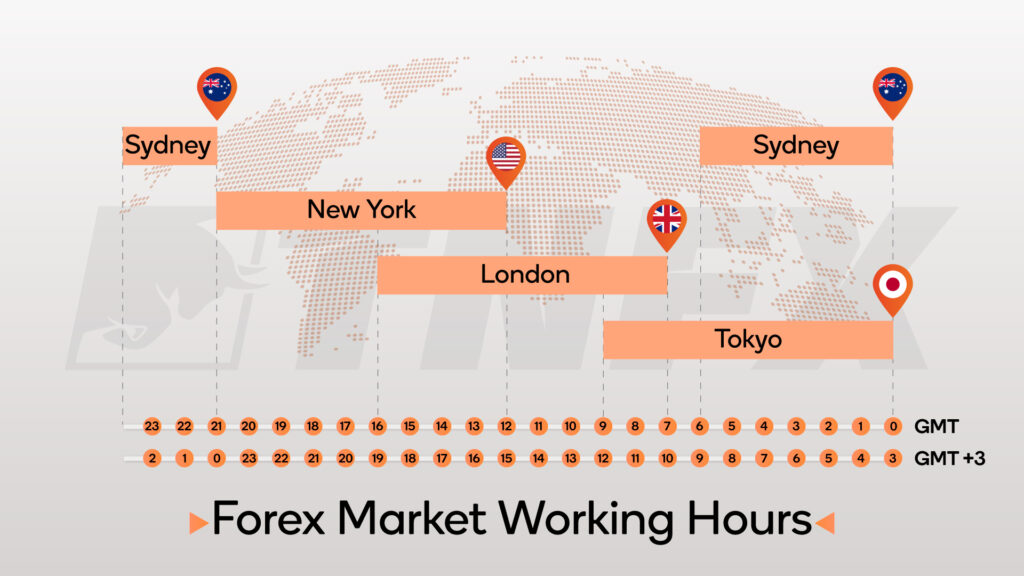
It’s important to note that New York observes Eastern Time (ET), which is either Eastern Standard Time (EST) or Eastern Daylight Time (EDT) depending on the time of year. During the spring and summer months, EDT is in effect, while EST is observed during the fall and winter. This shift, dictated by daylight saving time, does not alter the actual clock hours of trading but is a crucial consideration when calculating time differences with other global financial centers. For instance, if you are in London, which observes Greenwich Mean Time (GMT) or British Summer Time (BST), you would need to account for the time difference to understand when the New York Stock Exchange opens and closes in relation to your local time.
Pre-Market and After-Hours Trading
While the regular trading session defines the primary operational period, it’s worth acknowledging that trading activities extend beyond these hours. Pre-market trading allows investors to place orders and trade securities before the official opening bell. Similarly, after-hours trading, or post-market trading, continues after the closing bell. These sessions, while typically characterized by lower trading volumes and potentially wider price swings, offer additional flexibility for market participants to react to news or events that emerge outside of regular trading hours.
However, when the question “What time did the New York Stock Exchange close today?” is posed, it almost universally refers to the conclusion of the regular trading session at 4:00 PM ET. The post-market session, while active, is a distinct phase.
Factors Influencing NYSE Closing Time
While the 4:00 PM ET closing time is the norm, there are specific instances when the New York Stock Exchange may deviate from its regular schedule. These deviations are usually announced well in advance and are designed to accommodate significant events or holidays.
Early Closings
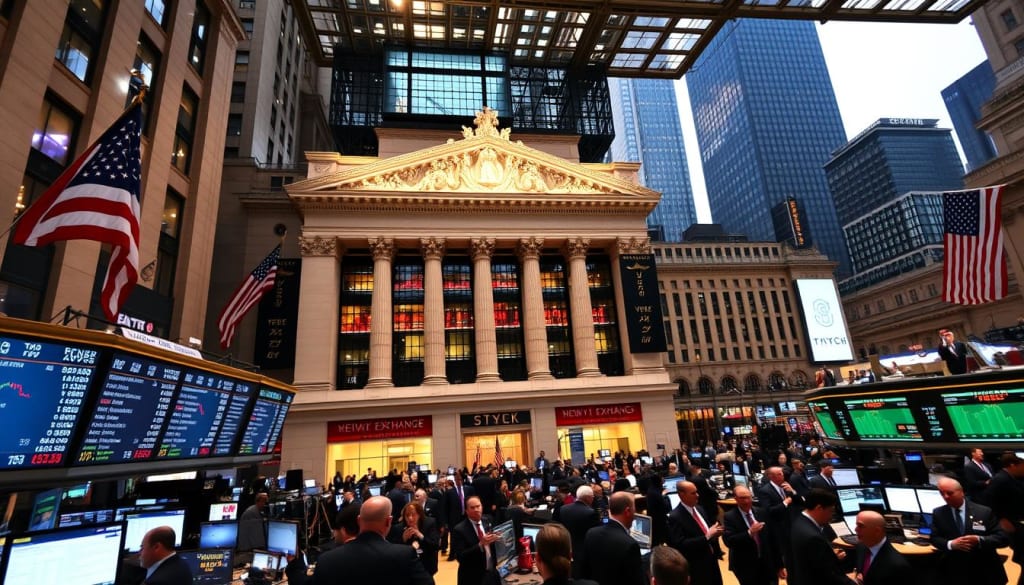
The New York Stock Exchange can, and sometimes does, close early on certain days. These early closings are most commonly associated with the day after the Thanksgiving Day holiday. In recent years, the NYSE has often closed at 1:00 PM ET on the Friday following Thanksgiving Day. This tradition is a nod to the holiday season and allows market participants to begin their holiday observances a bit earlier. This is a well-established exception to the standard closing time and is factored into the annual trading calendar.
Another instance of potential early closing can occur around other major holidays. For example, the day before certain holidays, like Christmas Eve, the market might operate on a shortened schedule, closing at 1:00 PM ET. These early closings are not as frequent as the regular closing time but are an important part of the NYSE’s operational calendar. It is always advisable for anyone interested in trading or monitoring market activity to consult the official NYSE trading calendar for the most accurate information regarding early closings or any other schedule adjustments.
Market Holidays
The New York Stock Exchange observes a number of holidays throughout the year, during which the market is closed entirely. These holidays are generally aligned with federal holidays in the United States.
Key market holidays that result in a complete closure of the NYSE include:
- New Year’s Day
- Martin Luther King, Jr. Day
- Presidents’ Day
- Good Friday
- Memorial Day
- Juneteenth National Independence Day
- Independence Day (July 4th)
- Labor Day
- Thanksgiving Day (the fourth Thursday in November)
- Christmas Day
When a holiday falls on a weekend, the NYSE will typically observe the holiday on the nearest weekday. For example, if Independence Day falls on a Saturday, the market will likely be closed on Friday, July 3rd. Conversely, if it falls on a Sunday, the market will likely be closed on Monday, July 5th.
These closures are significant for the global financial markets, as they temporarily remove one of the world’s most influential trading venues from operation. Understanding these holiday closures is as important as knowing the daily closing time, especially for international investors who need to plan their trading activities around these periods.
Planning Your Visit and Financial Insights
For travelers visiting New York City, especially those with an interest in finance, understanding the NYSE’s operational rhythm can add another layer to their experience. While the building itself is an iconic sight, knowing when the market is active versus when it’s closed can provide a deeper appreciation for the city’s economic heart.
Experiencing the Financial District
A trip to the Financial District of New York offers a unique perspective on the city’s global significance. Walking down Wall Street, you’ll encounter not only the imposing facade of the New York Stock Exchange but also the historic Federal Hall, a landmark where George Washington was inaugurated as the first President of the United States. The architecture of this area speaks volumes about the history of American commerce and governance. Nearby, you can find the Charging Bull statue, a popular spot for photos, symbolizing American financial optimism.
While the trading floor itself is not open to the public, the surrounding streets buzz with activity throughout the day. Observing the flow of people, the financial professionals heading to and from meetings, and the general atmosphere can be a fascinating experience. Consider visiting during the regular trading hours to witness the city at its most economically vibrant. After the New York Stock Exchange closes at 4:00 PM ET, the pace might shift, but the energy of the district remains palpable, perhaps transitioning into the evening’s business and social scene.
For those interested in learning more about the history of finance and the New York Stock Exchange, several museums and educational institutions in New York offer exhibits that delve into these topics. A deeper understanding of the market’s operations, its historical context, and its impact on the world can greatly enhance your visit to this iconic part of New York City. Whether you are an investor, a traveler, or simply curious, the rhythm of the New York Stock Exchange is an integral part of the New York story, and knowing its closing time provides a crucial marker in understanding that narrative.
LifeOutOfTheBox is a participant in the Amazon Services LLC Associates Program, an affiliate advertising program designed to provide a means for sites to earn advertising fees by advertising and linking to Amazon.com. Amazon, the Amazon logo, AmazonSupply, and the AmazonSupply logo are trademarks of Amazon.com, Inc. or its affiliates. As an Amazon Associate we earn affiliate commissions from qualifying purchases.