
Navigating the intricacies of alcohol sales in a state as diverse and dynamic as Texas can be a crucial aspect of planning any trip, whether you’re a local resident or a visitor looking to experience the authentic Texan lifestyle. Understanding the specific regulations surrounding when and where you can purchase beer is not just a matter of convenience; it’s essential for responsible enjoyment and avoiding unexpected disappointments. This guide delves into the beer sales laws in Texas, focusing on the operational hours of beer retailers, and how these might influence your culinary explorations and evening plans.
Understanding Texas Alcohol Sales Laws
The Lone Star State operates under a complex framework of alcohol laws, influenced by a mix of historical context, local control, and statewide regulations. These laws dictate not only what can be sold but also when and by whom. For beer sales, the critical factors to consider are the type of retailer, the day of the week, and the specific local ordinances that may be more restrictive than the state’s baseline.
State-Level Regulations
At the state level, the Texas Alcoholic Beverage Commission (TABC) is the primary authority. While the TABC sets broad guidelines, a significant aspect of alcohol sales in Texas is the principle of local option. This means that individual counties and even cities can vote on whether to permit or prohibit the sale of alcohol, and if permitted, they can impose further restrictions on sales hours and types of alcohol sold.
General Hours of Operation:
Generally, the state allows beer sales from 7:00 AM to midnight on weekdays and Saturdays. Sundays present a unique situation, with sales typically permitted from 10:00 AM to midnight. However, this is where local option becomes paramount.
The Impact of Local Option
The concept of “wet” and “dry” counties is well-known in Texas. A “dry” county prohibits the sale of alcohol altogether, meaning you won’t find any beer stores, bars, or restaurants serving alcoholic beverages. In “wet” counties, sales are permitted, but the specific hours can vary significantly.
Sunday Sales:
While statewide law permits Sunday beer sales from 10:00 AM to midnight, many local jurisdictions have opted out of allowing Sunday sales or have implemented earlier closing times. This means that if you are in a particular city or county, you might find that beer stores close much earlier than midnight on Sundays, or are not open at all.
Weekday vs. Weekend:
Weekday sales generally align with the state’s midnight cut-off. However, some local ordinances might impose earlier closing times, especially on weeknights, to align with community standards or to address concerns about late-night alcohol consumption.
“Super Bowl” Restrictions:
A notable exception to the general closing hours occurs on Sundays when a professional football game, such as one involving the Dallas Cowboys, is broadcast statewide. In such instances, beer sales are permitted until 1:00 AM on Monday morning, allowing fans to continue their celebrations. This is a specific, albeit popular, adjustment to the usual Sunday closing time.
Types of Retailers and Their Sales Hours
The type of establishment where you intend to purchase beer can also influence sales hours. Texas law distinguishes between different types of permits, each with its own set of operating regulations.
Package Stores (Off-Premise Retailers)
These are the dedicated beer stores where you purchase alcohol to consume elsewhere. They are often referred to as “liquor stores” or “package stores.”
Weekday and Saturday Hours:
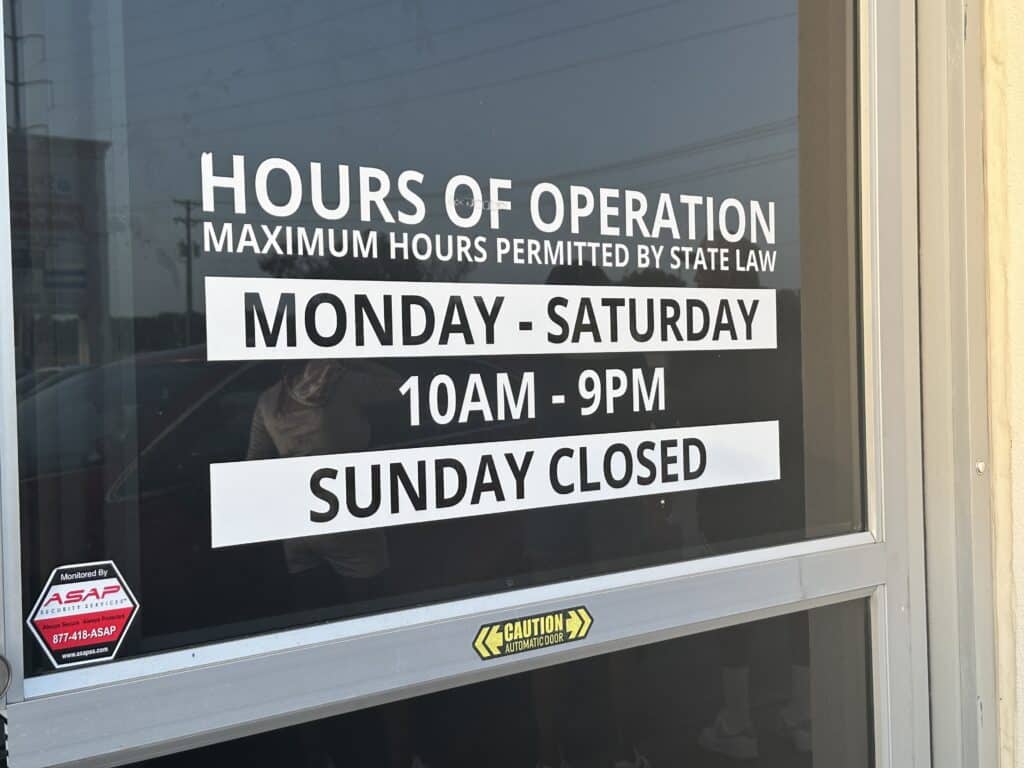
Most package stores are permitted to sell beer from 10:00 AM to 9:00 PM, Monday through Saturday. This differs slightly from the general midnight cut-off for bars and restaurants, as package stores are for off-premise consumption. However, again, local ordinances can further restrict these hours. For instance, some cities might require package stores to close as early as 6:00 PM or 7:00 PM on weekdays.
Sunday Hours for Package Stores:
Sunday sales for package stores are a more recent development in Texas and are subject to even stricter local control. In many “wet” areas, package stores are allowed to sell beer on Sundays, but often with restricted hours, typically from 12:00 PM to 10:00 PM. However, if a county or city has not specifically voted to allow Sunday package sales, these stores will be closed on Sundays. This is a critical point for weekend visitors.
Bars and Restaurants (On-Premise Retailers)
Establishments that sell beer for immediate consumption on their premises, such as bars, pubs, and restaurants, operate under slightly different rules.
Weekday and Saturday Hours:
These venues can generally sell beer from 7:00 AM until midnight, Monday through Saturday. This allows for early morning breakfast spots to serve beer as well as late-night entertainment venues.
Sunday Hours for Bars and Restaurants:
On Sundays, bars and restaurants can typically sell beer from 10:00 AM until midnight. As mentioned earlier, this window can be extended to 1:00 AM on Monday morning if a major professional football game is being broadcast statewide. However, local ordinances can still enforce earlier closing times on Sundays.
Planning Your Beer Purchases in Texas
To ensure a seamless experience when purchasing beer in Texas, it’s advisable to adopt a proactive approach to understanding the local laws.
Researching Local Ordinances
The most effective way to avoid confusion is to research the specific laws of the city or county you will be visiting. A quick online search for “[city name] alcohol sales hours” or “[county name] wet/dry status” can often yield the necessary information. The Texas Alcoholic Beverage Commission website also provides resources and links to local option election results.
Considering Your Itinerary
If your travel plans involve attending events, dining at specific restaurants, or visiting attractions in different parts of the state, it’s wise to factor in potential variations in beer sales hours. For example, if you are planning a weekend getaway to a smaller town outside of major metropolitan areas like Houston or Austin, you might find more restrictive hours, especially on Sundays.
Designated Driver and Responsible Consumption
Regardless of the sales hours, responsible alcohol consumption is always paramount. If you plan to enjoy beer, always designate a sober driver or utilize rideshare services. Many bars and restaurants in Texas offer non-alcoholic beverage options and promote responsible service.
Exceptions and Special Considerations
While the general rules provide a framework, Texas law does include several exceptions and special considerations that can affect beer sales.
Holiday Sales
Specific holidays can sometimes influence alcohol sales. For example, on Christmas Day, all alcohol sales are prohibited. On other holidays like Thanksgiving and Election Day, sales may be restricted depending on local ordinances. However, for most national holidays falling on weekdays or Saturdays, the standard hours typically apply.
Special Event Permits
Temporary permits can be issued for special events, such as festivals or private parties. These permits may allow for extended or varied sales hours, but they are specific to the event and do not change the general retail regulations.
Driving and Purchasing Alcohol
It’s important to note that Texas has strict laws regarding open containers in vehicles and driving under the influence. Even if beer stores are open late, always adhere to these laws.
By understanding the nuances of Texas’s beer sales laws, particularly the interplay between state regulations and local options, you can better plan your visit and ensure you can enjoy a cold beer at your convenience, responsibly, and in accordance with the law. Whether you’re exploring the vibrant nightlife of San Antonio or enjoying a barbecue in a rural town, being informed will enhance your Texan experience.
LifeOutOfTheBox is a participant in the Amazon Services LLC Associates Program, an affiliate advertising program designed to provide a means for sites to earn advertising fees by advertising and linking to Amazon.com. Amazon, the Amazon logo, AmazonSupply, and the AmazonSupply logo are trademarks of Amazon.com, Inc. or its affiliates. As an Amazon Associate we earn affiliate commissions from qualifying purchases.