
Navigating the nuances of alcohol sales can be a crucial part of planning any trip, especially when visiting a state with specific regulations like Texas. Understanding the operating hours for purchasing alcoholic beverages, particularly beer, ensures that travelers can responsibly enjoy local offerings and plan their itineraries accordingly. This guide delves into the regulations governing when stores stop selling beer across the Lone Star State, offering clarity for visitors and residents alike.
Understanding Texas Alcohol Sales Laws
The sale of alcohol in Texas is governed by a complex set of laws overseen by the Texas Alcoholic Beverage Commission (TABC). These regulations aim to promote public safety and responsible consumption. Key to understanding beer sales is recognizing that while state law sets a baseline, local municipalities often have the authority to enact stricter ordinances. This means that the exact closing times for beer sales can vary significantly from one city or county to another.
State-Mandated Hours
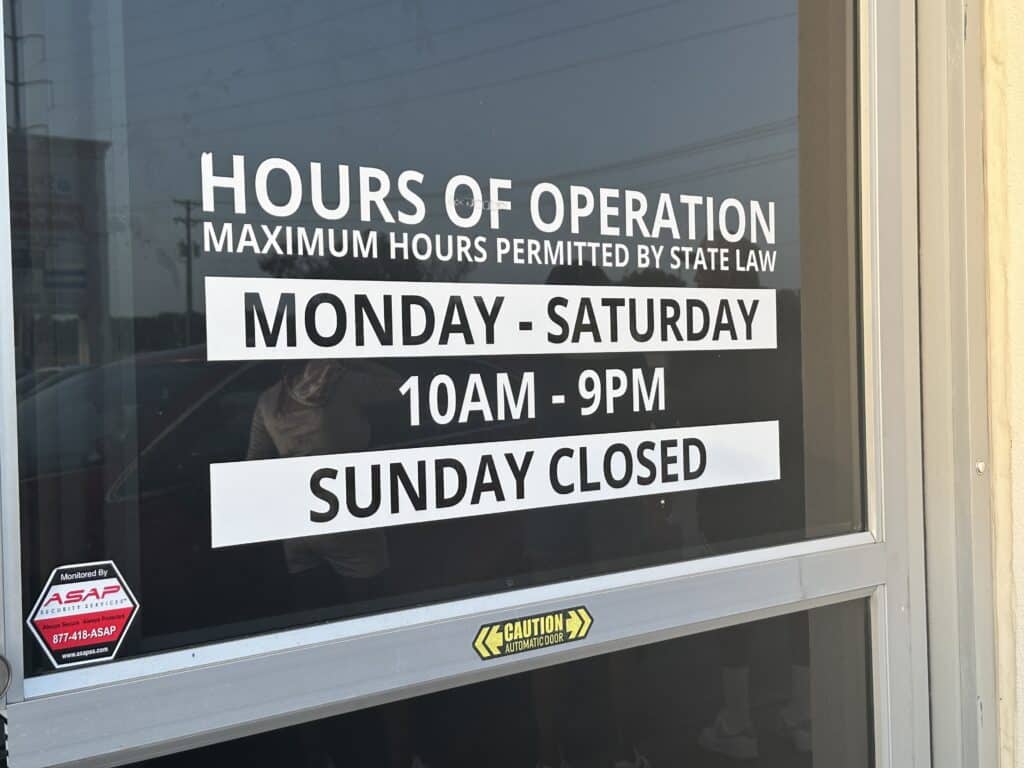
At the state level, Texas law dictates the general framework for alcohol sales. Generally, beer and wine sales are permitted from 7 a.m. to 2 a.m. Monday through Saturday. On Sundays, the permissible hours are slightly different, typically beginning at noon and also concluding at 2 a.m. However, this is the statewide framework, and it’s essential to remember that local option elections can alter these times.
Local Option Elections and Their Impact
The concept of “local option” is fundamental to understanding alcohol sales in Texas. Communities can vote on whether to allow or prohibit the sale of alcoholic beverages within their borders. Furthermore, they can vote on specific types of alcohol (e.g., beer and wine only, or liquor) and on the specific hours of sale. This creates a patchwork of regulations across the state. For instance, a dry county or city will not permit any alcohol sales, while a wet county or city will adhere to state laws or its own locally approved hours.
- Wet vs. Dry Counties: A significant number of counties in Texas have chosen to be “dry” counties, meaning they prohibit the sale of alcohol. In these areas, you will not be able to purchase beer, regardless of the time of day. Travelers should be aware of this distinction when planning stops in different regions.
- “Blue Laws” and Sunday Sales: Historically, many states, including Texas, had “blue laws” that restricted commerce on Sundays. While many of these have been repealed or relaxed, Sunday alcohol sales still often have a later start time (noon) compared to weekdays.
- Municipal Ordinances: Even within a wet county, individual cities may have their own ordinances that further restrict sales hours. This means that the closing time for beer sales in Dallas might differ from that in Houston, even though both are in wet counties.
When Do Stores Stop Selling Beer in Major Texas Cities?
Given the variability, it’s helpful to look at the typical closing times in some of Texas’s most popular tourist destinations and major metropolitan areas. It’s always advisable to confirm with a local establishment or conduct a quick online search for the specific city you are visiting.
North Texas (Dallas-Fort Worth Metroplex)
The Dallas-Fort Worth Metroplex is a sprawling region, and while generally considered “wet,” individual cities and counties within it have their own rules.
- Dallas: In the city of Dallas itself, grocery stores, convenience stores, and liquor stores that sell beer and wine typically stop sales at midnight on weekdays and Saturdays. On Sundays, sales usually begin at noon and end at midnight. Bars and restaurants with liquor licenses can serve until 2 a.m. every day of the week, but they must stop serving alcohol at that time.
- Fort Worth: Similar to Dallas, Fort Worth generally follows the pattern of midnight closing for off-premise beer sales (i.e., from a store). On-premise sales at bars and restaurants can extend until 2 a.m. Sunday sales also typically start at noon.
- Arlington: As a city within the Metroplex, Arlington also adheres to local ordinances that often align with the midnight cutoff for off-premise sales.
It’s important to note that in some specific areas or for certain types of establishments, exceptions or further restrictions might apply. Always a good idea to double-check with the specific store or establishment.
Central Texas (Austin, San Antonio)
This vibrant region offers a rich cultural experience, and understanding local drinking laws can enhance your visit.
- Austin: The state capital, Austin, generally permits beer and wine sales in grocery and convenience stores until midnight, seven days a week. Bars and restaurants licensed for full service can continue serving until 2 a.m. Sunday sales follow the standard noon start time.
- San Antonio: In San Antonio, off-premise beer sales typically conclude at midnight from Monday through Saturday. On Sundays, sales can begin at noon and end at midnight. Establishments serving alcohol for on-premise consumption can operate until 2 a.m.
Gulf Coast (Houston, Galveston)
The coastal areas of Texas offer a different vibe, and their alcohol sales regulations reflect local preferences.
- Houston: As the largest city in Texas, Houston generally allows grocery and convenience stores to sell beer until midnight on weekdays and Saturdays. Sundays follow the noon to midnight schedule. Bars and restaurants serving alcohol for on-premise consumption can serve until 2 a.m.
- Galveston: The popular tourist island of Galveston has regulations that are often more accommodating to its tourism industry. Off-premise beer sales are typically permitted until midnight every night of the week. Some establishments may have later hours for on-premise consumption, adhering to the 2 a.m. state limit.
West Texas (El Paso)
El Paso, situated on the border with Mexico, has its own unique cultural influences, which can also be reflected in its regulations.
- El Paso: In El Paso, off-premise beer sales are generally permitted until midnight on weekdays and Saturdays. On Sundays, the hours are typically from noon until midnight. Establishments serving for on-premise consumption can serve until 2 a.m.
Special Considerations for Travelers
When traveling through Texas, keeping a few key points in mind can prevent any unwelcome surprises when trying to purchase beer.
Understanding Off-Premise vs. On-Premise Sales
It’s crucial to differentiate between purchasing beer for consumption elsewhere (off-premise) and buying it at a bar or restaurant for immediate consumption (on-premise). While stores typically stop selling beer at midnight (or earlier in some localities), bars and restaurants licensed to serve alcohol can generally serve patrons until 2 a.m., even if they can no longer sell it to-go.
Sunday Sales and Holiday Restrictions
As mentioned, Sunday sales have a later start time, typically noon. While most major holidays are covered by the general state hours, it’s worth noting that specific local ordinances might have additional restrictions on holidays. However, for most standard days, the midnight cutoff for off-premise sales is the most common rule.
The Role of the Texas Alcoholic Beverage Commission (TABC)
The Texas Alcoholic Beverage Commission website is an invaluable resource for detailed information on alcohol laws. While it may be more geared towards licensees, it can provide clarity on the broader legal framework. For travelers, the most practical approach is often to check with local convenience stores, grocery stores, or restaurants directly regarding their specific hours of operation for alcohol sales.
Planning Your Purchases
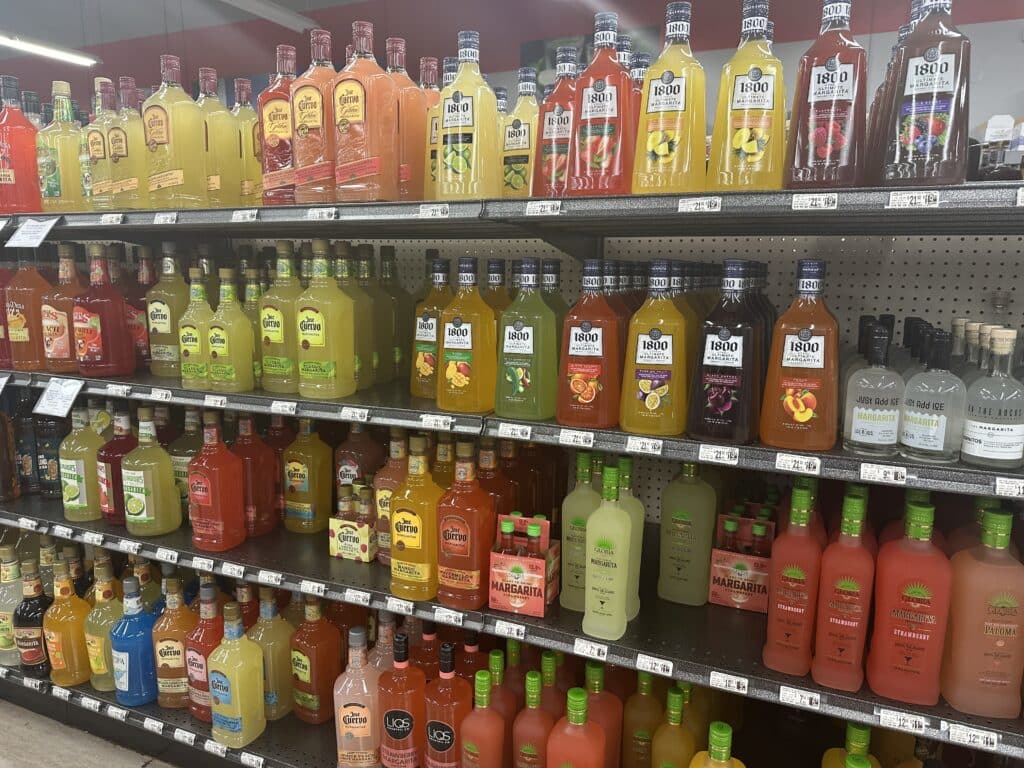
For visitors planning to stock up for a hotel stay or a picnic at a park like Big Bend National Park, it’s wise to make your beer purchases earlier in the evening, especially if your stay is outside a major metropolitan area or if you are in a smaller town. Knowing the cutoff time can help you avoid disappointment and ensure you have everything you need for your planned activities. For example, if you’re staying at a resort near San Antonio and plan a late-night gathering, a pre-midnight trip to a local H-E-B or Spec’s would be advisable.
By understanding these regulations, travelers can confidently navigate Texas and enjoy its offerings responsibly, ensuring their trip is both enjoyable and legally compliant.
LifeOutOfTheBox is a participant in the Amazon Services LLC Associates Program, an affiliate advertising program designed to provide a means for sites to earn advertising fees by advertising and linking to Amazon.com. Amazon, the Amazon logo, AmazonSupply, and the AmazonSupply logo are trademarks of Amazon.com, Inc. or its affiliates. As an Amazon Associate we earn affiliate commissions from qualifying purchases.