
The vibrant city of Austin, Texas, is renowned for its eclectic music scene, delicious barbecue, and quirky culture. However, for many visitors and locals alike, one of Austin’s most fascinating attractions is a nightly spectacle of nature: the emergence of its colossal Mexican free-tailed bat colony. These incredible creatures, numbering in the millions, make their home each year under the iconic Congress Avenue Bridge, transforming the evening sky into a breathtaking display. Understanding when and how to witness this natural phenomenon is key to experiencing one of Austin’s most unique attractions.
The Congress Avenue Bridge Bat Colony: A Natural Marvel
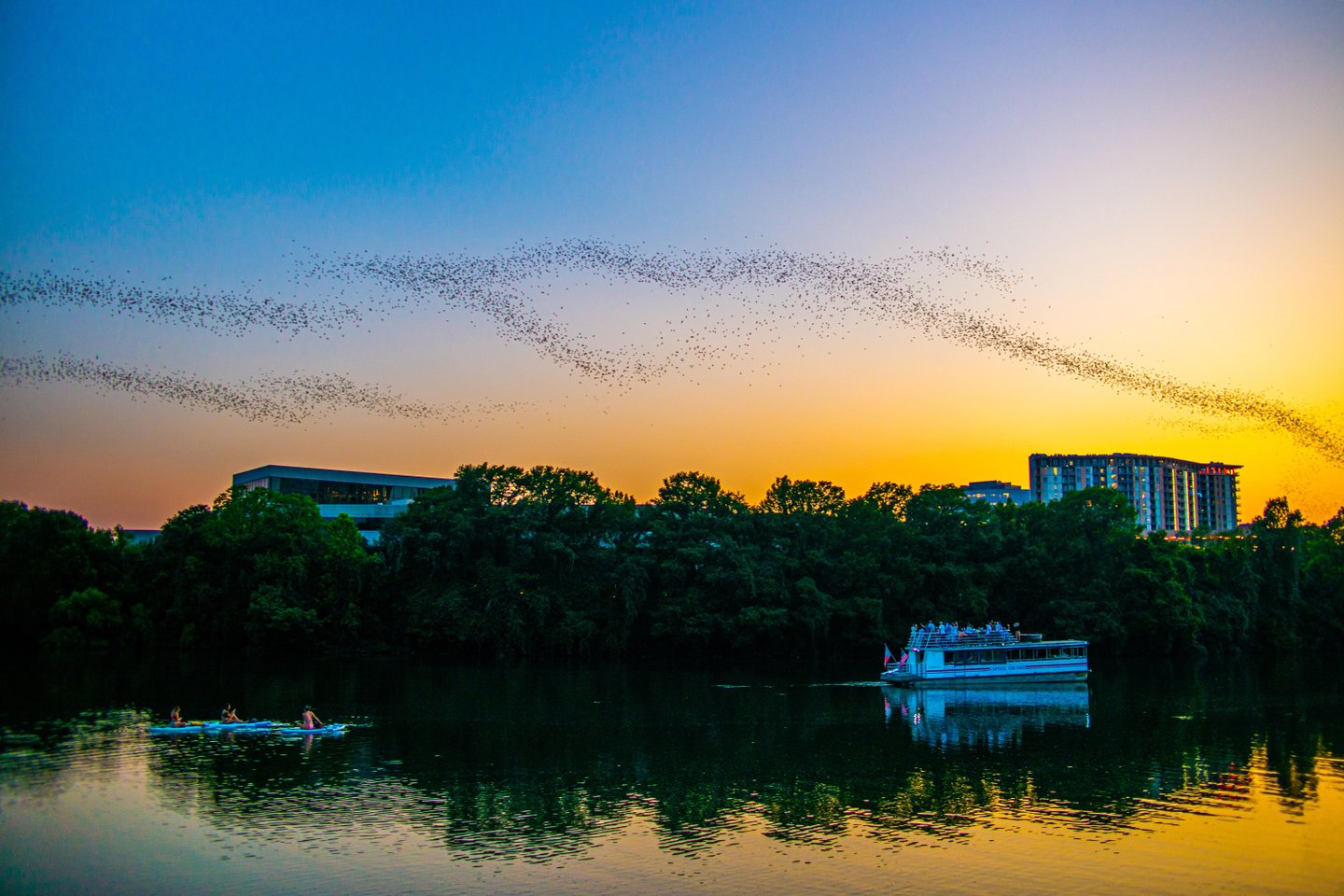
The Congress Avenue Bridge in Austin is more than just a vital transportation artery; it’s a world-renowned roost for North America’s largest urban bat colony. The colony, primarily composed of Mexican free-tailed bats (Tadarida brasiliensis), began to take up residence under the bridge in the mid-1980s after renovation work created a suitable habitat. What was once an unknown phenomenon has now become a must-see Austin landmark and a significant draw for tourism.
Understanding the Bats’ Behavior and Their Importance
These bats are migratory, arriving in Austin in the spring and departing in the fall. Their presence is not just a spectacle; they play a crucial role in the local ecosystem. Primarily insectivores, these bats consume vast quantities of agricultural pests like corn rootworms and cotton bollworms, as well as mosquitoes, helping to control insect populations naturally. It is estimated that the colony can eat up to 20 tons of insects each night. This ecological service is invaluable, contributing to the health of local agriculture and reducing the need for pesticides.
The bats typically emerge from their roost shortly after sunset. The exact timing, however, is influenced by several factors, including the season, weather conditions, and the intensity of the sun. Generally, they are most active during the warmer months, from approximately March through October.
Seasonal Emergence Patterns
Spring Arrival (March – April): As the weather warms, the pregnant female bats migrate north to Texas to give birth. By April, the colony begins to swell with new mothers and their pups. This is when the bat emergence becomes more noticeable, though the numbers are still growing.
Peak Season (May – August): The summer months are the prime time to witness the Congress Avenue Bridge bat flight. By May, the colony reaches its peak population, often exceeding 1.5 million individuals. The nightly emergence is spectacular, with the bats swirling out from under the bridge in a massive, flowing river of wings. This is also when the majority of young bats are learning to fly and join the nightly foraging trips.
Autumn Departure (September – October): As the weather begins to cool and insects become scarcer, the bats prepare for their southward migration. While large numbers can still be seen in September, the colony gradually diminishes. By October, most of the bats will have departed Austin for warmer climates, signaling the end of the nightly spectacle for the year.
When to Arrive: Timing Your Bat Viewing Experience
The most common question regarding the Austin bats is, “What time do they come out?” The answer is not a fixed hour but rather a window that changes daily. The bats are sensitive to light and temperature. They will not emerge until it is dark enough to feel safe from predators and the temperature is conducive to flight.
The Sunset Connection: A Daily Countdown
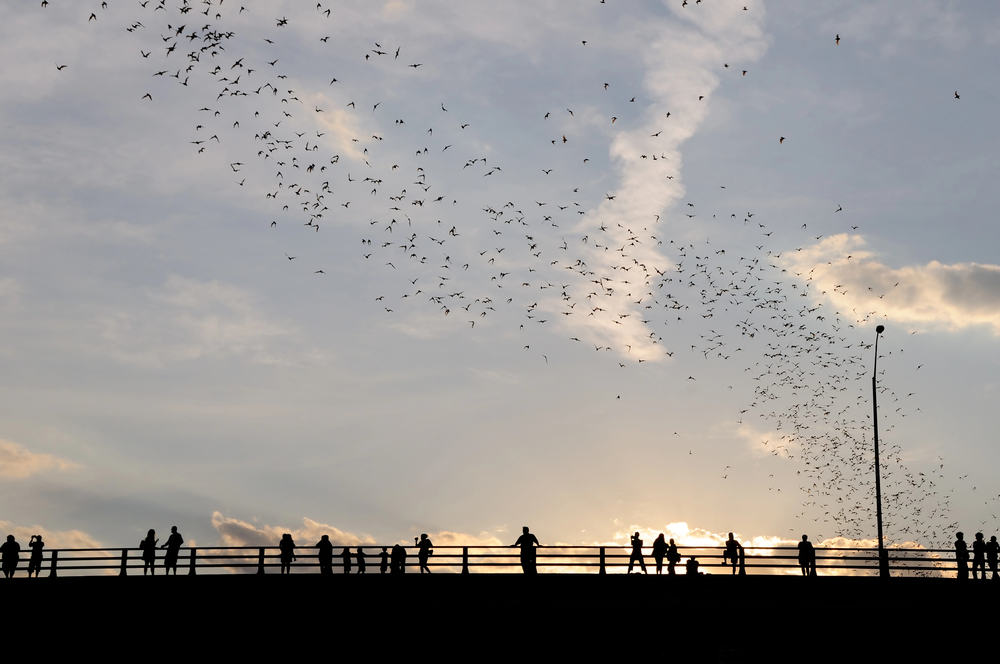
The emergence of the bats is intrinsically linked to sunset. On average, the bats begin to emerge 15 to 30 minutes after sunset. However, this is a general guideline.
Sunset Times in Austin:
- Spring (March-April): Sunset is typically between 7:00 PM and 7:30 PM. You can expect the bats to start appearing between 7:15 PM and 8:00 PM.
- Summer (May-August): Sunset can range from around 7:30 PM to 8:30 PM. The bats will usually emerge between 8:00 PM and 9:00 PM.
- Autumn (September-October): Sunset times shift back to between 7:00 PM and 7:30 PM. The bats will likely emerge between 7:15 PM and 8:00 PM, though their numbers will be dwindling.
Factors Influencing Emergence:
- Temperature: Bats are more likely to emerge on warmer evenings. If the temperature drops significantly after sunset, they may delay their emergence or emerge in smaller numbers.
- Weather: Cloudy or rainy conditions can affect bat activity. On very wet nights, the bats may stay in their roost. Conversely, a warm, clear evening is ideal for bat watching.
- Daylight Savings: Remember to account for Daylight Saving Time changes, as these will shift sunset times.
The Best Viewing Strategy: Arriving at the Congress Avenue Bridge about 30-45 minutes before sunset is recommended. This allows ample time to find a good viewing spot, whether you choose to stand on the bridge itself, watch from the Ann W. Richards Congress Avenue Bridge pedestrian and bicycle path, or opt for a vantage point from the Statesman Bat Observation Center on the south side of the lake. Many visitors also enjoy watching from boats on Lady Bird Lake, offering a unique perspective of the swirling mass of bats against the city skyline.
Planning Your Bat Viewing Trip: Accommodation and Tips
To make the most of your Austin bat viewing experience, consider planning your visit with the timing and the nature of the event in mind. This natural spectacle is a popular tourist activity, so some preparation can enhance your enjoyment.
Finding the Perfect Stay: Hotels and Accommodation
Austin offers a wide range of accommodation options to suit every traveler’s needs and budget, from luxurious resorts to comfortable apartments. For those prioritizing proximity to the Congress Avenue Bridge and the vibrant downtown area, consider these options:
- Hotels near the Congress Avenue Bridge: Several hotels are within walking distance or a short drive of the bridge. The Fairmont Austin and the JW Marriott Austin offer premium suites and amenities, providing a luxurious base for your Austin adventures. For a slightly more boutique experience, consider the Hotel San José or the Austin Motel. These offer a quintessential Austin lifestyle vibe.
- Resorts and Villas: If you’re looking for a more extended stay or a family trip, exploring resort options outside the immediate downtown core might be appealing, offering more space and amenities like pools and on-site dining. However, for the specific purpose of bat viewing, staying closer to the bridge is generally more convenient.
- Apartment Rentals: For longer stays or families, apartment rentals can provide a home-away-from-home feel, often with kitchen facilities and more living space. Websites dedicated to accommodation comparison and booking can help you find suitable options.
When booking, consider the lifestyle you desire for your trip. Luxury travel enthusiasts will find opulent choices, while budget travel advocates can also find affordable and comfortable places to stay. Family trips might benefit from places with larger rooms or access to family-friendly amenities. For business stays, convenient locations and amenities like reliable Wi-Fi and meeting spaces are crucial.

Tips for an Unforgettable Bat Watching Experience
- Check Bat Activity Reports: While the bats are generally present from March to October, their activity levels can vary. The Texas Parks and Wildlife Department or local Austin tourism websites often provide updates on bat activity.
- Be Patient: The emergence is a gradual process. Settle in and enjoy the anticipation. Sometimes the first few bats can be a sign of what’s to come.
- Bring Binoculars: While not essential, binoculars can enhance your view, especially if you are watching from a distance.
- Respect the Bats: Maintain a quiet environment to avoid disturbing the bats. Avoid loud noises or flashing lights, as this can disrupt their behavior.
- Consider a Guided Tour: Several Austin tourism companies offer guided bat watching tours, which can provide valuable insights into the bats’ behavior and ecology from knowledgeable guides. Some tours even offer specialized viewing platforms or boat excursions.
- Capture the Moment (Responsibly): Photography is permitted, but avoid using flash, which can startle the bats. The natural light after sunset can create dramatic silhouettes.
- Explore Local Cuisine and Culture: After the bat viewing, Austin has a wealth of culinary delights and cultural experiences to explore. Indulge in some world-famous Texas barbecue, catch live music at one of the city’s many venues, or visit local landmarks like the Texas State Capitol.
The Congress Avenue Bridge bat colony is a testament to the natural wonders that can be found even in urban environments. By understanding their habits and planning your visit accordingly, you can witness this extraordinary spectacle and add an unforgettable experience to your Austin itinerary. It’s a reminder that sometimes, the most awe-inspiring attractions are not man-made but are gifts from the natural world.
LifeOutOfTheBox is a participant in the Amazon Services LLC Associates Program, an affiliate advertising program designed to provide a means for sites to earn advertising fees by advertising and linking to Amazon.com. Amazon, the Amazon logo, AmazonSupply, and the AmazonSupply logo are trademarks of Amazon.com, Inc. or its affiliates. As an Amazon Associate we earn affiliate commissions from qualifying purchases.