
The Lone Star State boasts a vibrant culture, stunning landscapes, and a burgeoning culinary scene. Whether you’re planning a luxurious escape to the rolling hills of the Texas Hill Country, a family adventure to San Antonio to explore the historic Alamo and the charming Riverwalk, or a sophisticated city break in Dallas or Houston, understanding local regulations, especially those pertaining to alcohol sales, can significantly enhance your travel experience. This is particularly true when planning evening dining, impromptu picnics, or simply unwinding after a day of exploring Texas‘s many attractions.
For many travelers, a key aspect of immersing oneself in local culture involves enjoying regional beverages, whether it’s a craft beer from a Texas brewery, a glass of wine from a vineyard in the Texas Hill Country, or a spirit to complement a delicious meal. Knowing the operating hours of liquor stores is not just a matter of convenience; it’s an integral part of planning your itinerary, ensuring you can procure your desired refreshments at the right time. This guide aims to provide clarity on Texas‘s liquor store closing times, ensuring your travel plans in this vast and diverse state run smoothly and without unexpected hiccups.
The regulations surrounding alcohol sales in Texas are often a topic of interest for both residents and visitors. These laws can vary not only by state but also by county and even city, adding a layer of complexity to what might seem like a simple question. Fortunately, by understanding the general framework and key considerations, you can navigate these regulations with ease.
Understanding Texas’s Alcohol Sales Regulations
Texas operates under a system of local option elections, meaning that individual counties and municipalities have the authority to decide whether or not to permit the sale of alcoholic beverages, and under what conditions. This decentralization is the primary reason for the varied closing times and sales restrictions you might encounter across the state.
Dry, Damp, and Wet Counties: A Crucial Distinction
The first and most critical factor influencing liquor store hours is the designation of the county in which a store is located. Texas has three main categories:
- Wet Counties: These counties permit the sale of alcohol. However, even within wet counties, there can be dry or damp precincts (cities or areas within the county) that have their own specific regulations.
- Dry Counties: In these counties, the sale of alcoholic beverages is prohibited entirely. You will not find any liquor stores, bars, or restaurants serving alcohol in a dry county.
- Damp Counties: These counties allow the sale of alcohol for off-premise consumption (like in liquor stores and grocery stores) but may prohibit on-premise consumption (in bars and restaurants) or have other specific restrictions.
When planning your trip, it’s always a good idea to research the status of the county you’ll be visiting. This information is readily available online and can save you a frustrating search for a store that simply doesn’t exist in that location. For instance, if you’re staying at a resort in a particularly remote area, knowing whether the surrounding county is wet or dry is paramount.
State-Mandated Sales Hours
Beyond the local option, Texas state law also sets the overarching framework for when alcohol can be sold. These are general guidelines that apply to most wet areas, though local ordinances can impose stricter limitations.
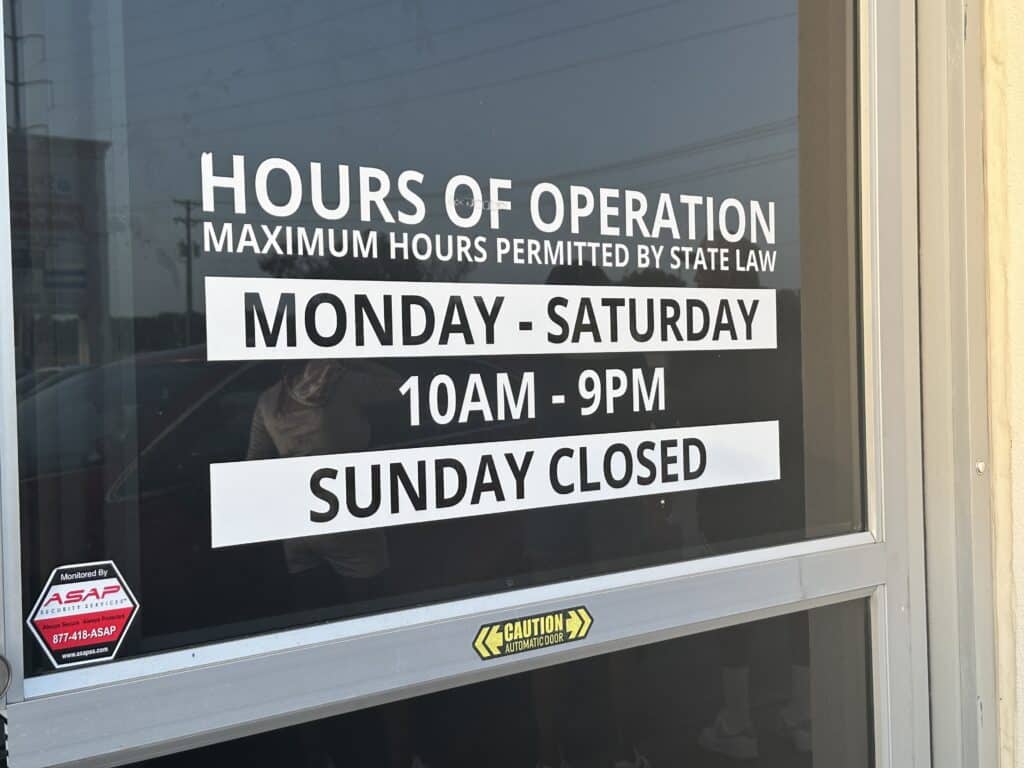
- Weekdays (Monday-Friday): Liquor stores are typically permitted to sell alcohol from 10:00 AM until 9:00 PM.
- Saturdays: Sales are generally allowed from 10:00 AM until 9:00 PM.
- Sundays: This is where things get a bit more complicated. Texas law prohibits the sale of liquor for off-premise consumption on Sundays. However, beer and wine can be sold in grocery stores and convenience stores starting at 10:00 AM and can continue until 1:00 AM the following Monday. So, while you won’t find a dedicated liquor store open on a Sunday, you can still purchase beer and wine for your stay.
- Holidays: Specific holidays, such as Thanksgiving Day, Christmas Day, and New Year’s Day, often have restrictions on alcohol sales. Stores may be closed or have limited hours on these days. It’s always wise to check ahead if your visit coincides with a major holiday.
It’s important to note that these are the latest permissible hours. Many individual businesses may choose to close earlier than the state-mandated cutoff time. Factors such as location (e.g., a store in a quiet residential area versus a busy shopping district), local competition, and even staffing can influence a store’s decision on its precise operating hours.
Navigating City-Specific Variations and Special Occasions
While county designations and state laws provide the foundation, cities and towns within Texas often have their own unique ordinances that can further refine alcohol sales. This is especially true for major tourist destinations where local authorities aim to balance the needs of residents with the demands of the tourism industry.
Major Cities and Their Nuances
- Austin: As the state capital and a vibrant hub for music and culture, Austin generally follows the state-mandated hours for liquor stores. However, specific districts or neighborhoods might have local variations. For instance, areas catering to a large student population might have slightly different hours compared to more suburban or upscale areas.
- Houston: Houston, a sprawling metropolis, has a complex system of municipal regulations. While liquor stores typically adhere to the state’s 9:00 PM closing time on weekdays and Saturdays, you might find some exceptions or even earlier closings, particularly in certain residential areas. Sunday sales of beer and wine in grocery and convenience stores are generally permitted as per state law.
- San Antonio: Known for its rich history and festivals like Fiesta San Antonio, San Antonio‘s alcohol sales are governed by both state and city laws. During major events, temporary permits and extended hours might be in effect for certain establishments, but for regular liquor store operations, the standard 9:00 PM closing on weekdays and Saturdays generally applies.
- Dallas: Similar to Houston, Dallas has a large and diverse population, leading to a variety of local ordinances. While the 9:00 PM weekday and Saturday closing is standard for liquor stores, it’s always prudent to check the specific hours of operation for stores in the neighborhood you’re visiting.
The “Blue Laws” and Sunday Sales
The most significant variation from the weekday schedule occurs on Sundays. As mentioned, liquor stores (those primarily selling spirits) are generally closed all day. However, grocery stores, convenience stores, and supermarkets can sell beer and wine for off-premise consumption. The 10:00 AM to 1:00 AM window for beer and wine sales on Sundays is a common thread across most of Texas, but always confirm if you’re in a particularly conservative or unique municipality. Some very small towns or specific communities within a larger city might still have more restrictive “blue laws” in place.
Tips for Travelers: Ensuring a Smooth Experience
When planning your Texas getaway, whether you’re staying at a luxurious resort like the JW Marriott San Antonio Hill Country Resort & Spa or a charming boutique hotel in Galveston, anticipating your needs regarding alcohol purchases can prevent last-minute scrambles.
Pre-Trip Research is Key
Before you even pack your bags or book your accommodation, take a few minutes to research the specific county and city you’ll be visiting. A quick search for “[county name] Texas alcohol sales laws” or “[city name] Texas liquor store hours” can provide valuable insights. Websites for local city governments or chambers of commerce are often good resources.
Utilize Online Tools and Apps
Several travel apps and websites offer information on local businesses, including their operating hours. While not always perfectly up-to-date, they can serve as a good starting point. Many liquor stores also have their own websites or social media pages where they post their hours and any special announcements.
Consider Your Accommodation’s Offerings
Many hotels and resorts in Texas, especially those catering to tourists, offer on-site bars or restaurants that serve alcohol. Some may even have small convenience stores or offer mini-bar services. If you’re staying at a place like the Hotel Emma in San Antonio, you’ll likely have convenient access to beverages without needing to venture far. For longer stays or families looking to stock up, understanding local store hours remains essential.

Plan for Sundays and Holidays
If your trip includes a Sunday, or if you’re visiting around a major holiday, make your alcohol purchases in advance. Stock up on Saturday evening or on the day before the holiday to ensure you have what you need. This is particularly important if you’re in a more rural area where liquor store options might be limited.
By keeping these guidelines in mind, you can easily navigate the landscape of Texas alcohol sales and ensure that your vacation is filled with relaxation and enjoyment, rather than logistical challenges. Whether you’re exploring the historic San Antonio Missions or enjoying the vibrant nightlife of Austin, a little planning goes a long way in making your Texas experience truly unforgettable. Remember, the goal is to savor the flavors and experiences Texas has to offer, and understanding local customs and regulations is part of that enriching journey.
LifeOutOfTheBox is a participant in the Amazon Services LLC Associates Program, an affiliate advertising program designed to provide a means for sites to earn advertising fees by advertising and linking to Amazon.com. Amazon, the Amazon logo, AmazonSupply, and the AmazonSupply logo are trademarks of Amazon.com, Inc. or its affiliates. As an Amazon Associate we earn affiliate commissions from qualifying purchases.