
For anyone planning a trip to the Lone Star State, understanding the local customs and regulations is key to a seamless and enjoyable experience. While Texas is famous for its vast landscapes, vibrant cities, and rich history, it also has a unique set of laws governing alcohol sales. Whether you’re a seasoned traveler exploring diverse cultures or a first-timer looking for the best spots to unwind, knowing when and where you can purchase a cold beer can significantly impact your itinerary, especially when planning dining experiences, nightlife, or simply stocking up your hotel mini-fridge.
Texas’s alcohol laws, overseen by the Texas Alcoholic Beverage Commission (TABC), have evolved over the years, often reflecting a blend of historical traditions and modern consumer demands. These regulations can vary based on the type of establishment, the day of the week, and even the specific county or city you’re in. From the bustling streets of Houston to the live music venues of Austin, and the historic charm of San Antonio, each destination offers its own flavor, but the underlying alcohol laws provide a common framework that all visitors should be aware of. This guide will delve into the specifics, helping you navigate the world of beer sales in Texas so you can focus on enjoying your travel, accommodation, and the distinct Texas lifestyle.
Understanding Texas Alcohol Laws: A Traveler’s Guide
Navigating the intricacies of alcohol laws can sometimes feel like a puzzle, especially when you’re in an unfamiliar place. In Texas, the rules are generally straightforward once you understand the basic distinctions between “on-premise” and “off-premise” sales, and how different days of the week are treated. These regulations directly impact your tourism and lifestyle choices, from where you dine to how you plan your evening entertainment.
General Beer Sales Hours
The most common question travelers have revolves around the general operating hours for beer sales. These hours are typically divided into two categories: establishments where you consume alcohol on-site (on-premise) and those where you purchase it to take elsewhere (off-premise).
On-Premise Sales: Bars, Restaurants, and Lounges
When you’re enjoying a meal at a restaurant, unwinding at a hotel bar, or catching a game at a local pub, you’re engaging in on-premise consumption. The rules for these establishments are designed to accommodate a diverse range of social activities.
- Monday to Friday: Beer can generally be sold starting at 7:00 AM. For most bars and restaurants, sales typically conclude at midnight. However, many establishments, particularly in larger cities like Dallas or Fort Worth, hold a “late-hours permit,” allowing them to continue selling beer until 2:00 AM. This is a crucial detail for travelers looking to experience the vibrant Texas nightlife, as it means many entertainment districts remain lively well past midnight.
- Saturday: Similar to weekdays, beer sales usually begin at 7:00 AM. The standard closing time is 1:00 AM on Sunday morning, but with a late-hours permit, sales can extend until 2:00 AM. This extended window on Saturday nights is a boon for those seeking to maximize their weekend travel experiences, whether it’s enjoying live music in Austin or a late dinner in Houston.
- Sunday: Historically, Sunday sales had more restrictions, a legacy of “blue laws.” However, recent changes have significantly relaxed these rules. On Sundays, on-premise beer sales can now begin at 10:00 AM. This change particularly benefits the brunch culture, allowing restaurants and hotel dining rooms to serve mimosas, Bloody Marys, and beer alongside breakfast fare earlier in the day. Sales typically conclude at midnight, but again, a late-hours permit can extend this to 2:00 AM. This uniformity greatly simplifies planning for visitors, removing much of the previous confusion around Sunday purchases.
- Holidays: For most public holidays, the hours generally follow the standard weekday or weekend schedule, depending on which day of the week the holiday falls. Major holidays like New Year’s Day, Memorial Day, or Labor Day don’t typically impose unique restrictions beyond the usual daily framework, making it easier for tourists to plan celebratory events or leisure activities.
Off-Premise Sales: Grocery Stores, Convenience Stores, and Liquor Stores
For those staying in an Airbnb, a hotel suite with a kitchen, or simply wanting to enjoy a beer back in their room, understanding off-premise sales is essential. This category includes grocery stores, convenience stores, and dedicated beer/wine stores.
- Monday to Friday: Beer can be purchased for off-premise consumption from 7:00 AM until midnight. This provides ample time for travelers to stock up on their favorite brews after a day of sightseeing or before settling into their accommodation for the evening.
- Saturday: Sales begin at 7:00 AM and extend until 1:00 AM on Sunday morning. This offers an extended window for weekend preparations, perfect for those planning a picnic in a Texas park or a relaxed evening at their resort.
- Sunday: Thanks to more recent legislative changes, off-premise beer sales on Sundays now begin at 10:00 AM and continue until midnight. This is a significant shift from previous laws that limited Sunday sales and greatly improves convenience for travelers. It means you no longer have to wait until noon or plan ahead if you realize you’re out of beer on a Sunday morning.
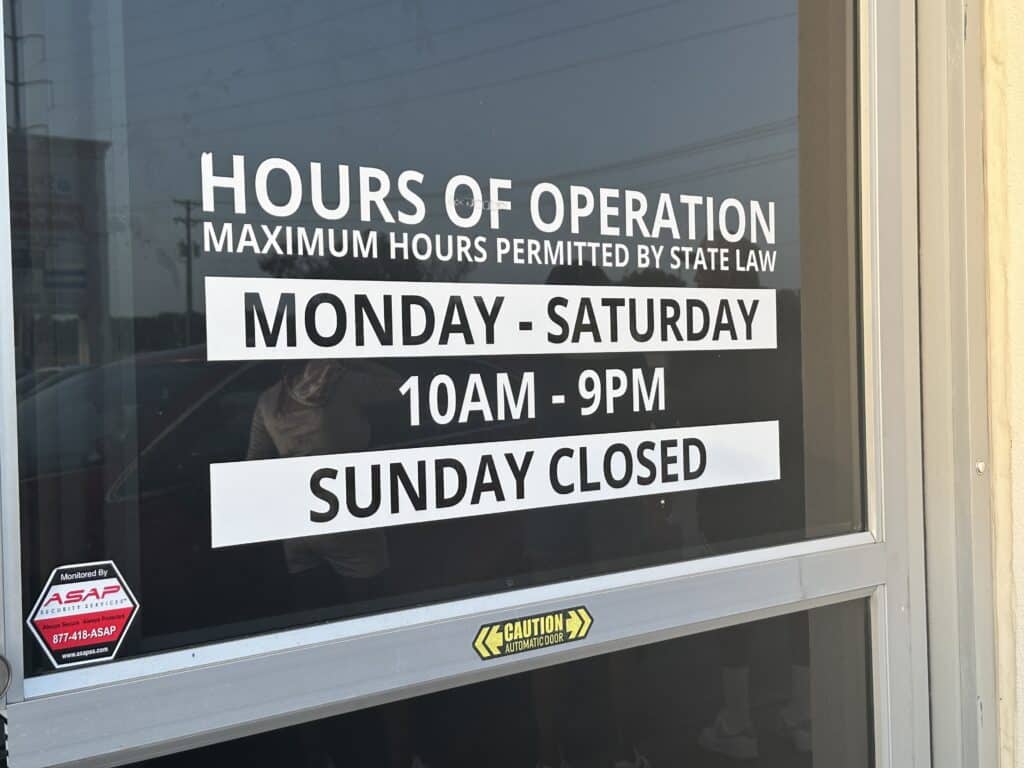
- Liquor Stores: It’s important to note that liquor stores (selling distilled spirits) have different hours. They are generally open Monday through Saturday from 10:00 AM to 9:00 PM and are closed all day on Sundays and on certain public holidays such as Thanksgiving, Christmas, and New Year’s Day. While this article focuses on beer, knowing this distinction is crucial for travelers who might also be looking for spirits.
Sunday Sales and the “Blue Law” Legacy
The evolution of Sunday alcohol sales in Texas is a fascinating aspect of its legislative history, rooted in what were once known as “blue laws.” These laws, which limited or prohibited certain commercial activities on Sundays, were once common across the United States. In Texas, they heavily impacted alcohol sales for decades, particularly on Sundays.
Historically, Sunday beer sales for off-premise consumption were only allowed after noon, and bars could not serve alcohol until noon. This often caused confusion for visitors, especially those arriving on Sunday mornings or planning brunch outings. However, the legislative session in 2021 brought about significant reforms, modernizing these laws to better align with contemporary lifestyles and the demands of the tourism industry.
As a result, both on-premise and off-premise beer sales can now legally begin at 10:00 AM on Sundays. This change has been widely welcomed by the hospitality sector, particularly by restaurants and hotels offering brunch services, as it allows them to serve beer, wine, mimosas, and Bloody Marys from the start of their Sunday service. For travelers, this means a more consistent and predictable experience, eliminating the need to wait or adjust plans around outdated restrictions. This positive shift contributes to a more seamless and enjoyable Texas travel and tourism experience.
Beyond the Basics: Local Variations and Special Cases
While the general statewide rules provide a good foundation, Texas is a vast state with a strong tradition of local control. This means that certain nuances, especially regarding “wet” versus “dry” areas and the specific rules for craft breweries, can add layers to the alcohol sales landscape. Understanding these variations is vital for comprehensive travel planning, ensuring your lifestyle choices are accommodated wherever you roam.
Wet vs. Dry Counties: A Historical Glimpse
One of the most unique aspects of Texas alcohol laws is the concept of “wet” and “dry” areas, a legacy of Prohibition. Even today, local jurisdictions (counties, cities, or even precincts within a county) have the power to decide whether to allow the sale of alcoholic beverages, and to what extent.
- Dry Areas: In a completely dry county or precinct, the sale of all alcoholic beverages is prohibited. This means no beer, wine, or liquor can be sold, even in grocery stores or restaurants. While the number of completely dry areas has significantly decreased over the years due to local option elections, they still exist. For travelers planning a road trip through rural Texas, it’s advisable to check the status of smaller towns or counties if purchasing alcohol is part of their itinerary.
- Partially Dry Areas: More commonly, you might encounter “partially dry” areas. These jurisdictions might allow beer and wine sales but prohibit liquor sales, or they might permit off-premise sales but not on-premise. For instance, a county might be “wet” for beer and wine at grocery stores but “dry” for all alcohol at bars and restaurants, or vice-versa.
- Impact on Tourism: The wet/dry status can significantly impact tourism. A tourist staying in a hotel in a dry area would find no hotel bar or restaurant serving alcohol, nor any local stores selling beer. They would have to travel to an adjacent wet area to purchase alcohol. Major tourist destinations like Dallas, Houston, Austin, and San Antonio are overwhelmingly wet, meaning visitors will have no issues finding alcohol. However, when venturing off the beaten path, a quick online search for “alcohol sales [city/county name] Texas” can provide clarity and prevent unexpected surprises. This local control emphasizes the importance of researching specific destinations as part of your overall accommodation and travel planning.
Brewery and Winery Sales: A Growing Trend
The craft beer and wine industries have exploded in Texas over the last decade, becoming significant tourist attractions. Many travelers now seek out local breweries, distilleries, and wineries as part of their lifestyle and tourism experiences. The laws for direct sales from these establishments have also evolved to support this growing sector.
- Breweries: Texas craft breweries can sell beer directly to consumers for on-premise consumption (tastings, pints in their taproom) and, crucially, for off-premise consumption (cans, bottles, growlers to take home). The hours for on-premise consumption generally follow the standard bar hours (7:00 AM to midnight/2:00 AM depending on permits, with 10:00 AM start on Sundays). For off-premise sales from a brewery, the hours are also similar to grocery stores: 10:00 AM to midnight Monday-Saturday, and 10:00 AM to 10:00 PM on Sundays. This allows visitors to purchase unique local brews as souvenirs or to enjoy back at their accommodations. Popular brewery districts can be found in cities like Austin (e.g., along the “brewery circuit”) and Houston.
- Wineries: Texas wineries, particularly in regions like the Texas Hill Country (near Fredericksburg) and Grapevine Wineries, are also allowed to sell their products directly to consumers. Wine sales for off-premise consumption from a winery follow similar hours: 10:00 AM to 9:00 PM Monday-Saturday, and 10:00 AM to 9:00 PM on Sundays. On-premise consumption for tastings and by the glass generally aligns with restaurant hours. Visiting a Texas winery offers a distinct cultural experience, often paired with beautiful scenery and local food.
Major Events and Special Permits
Texas is a hub for major events, from sporting spectacles at AT&T Stadium in Arlington to music festivals like South by Southwest in Austin or the Houston Livestock Show and Rodeo. For these large-scale gatherings, special permits can often be obtained that modify standard alcohol sales hours.
Event organizers can apply for permits that allow for extended sales hours within the venue’s confines, often permitting sales to continue later than standard bar hours, or to begin earlier, depending on the nature of the event. This is particularly common at sports stadiums, concert venues, and fairgrounds. While the general public won’t need to worry about the permit details, it’s good to know that if you’re attending a major event, alcohol sales within the venue might follow a different schedule tailored to the event’s duration, ensuring your entertainment and lifestyle choices are fully catered to during your visit. Always check event-specific guidelines, as these can supersede general rules within the event footprint.
Planning Your Texas Trip: Lifestyle and Accommodation Considerations
Understanding beer sales hours and local regulations is more than just about avoiding a dry spell; it’s about enhancing your overall travel experience in Texas. Integrating this knowledge into your lifestyle and accommodation planning can help you maximize enjoyment, discover local culture, and make informed choices during your stay.
Pairing Beer Culture with Texas Experiences
Texas offers a diverse array of experiences, and local beer culture can be woven into many of them, creating memorable tourism opportunities.
- Craft Beer Trails: Cities like Austin, Dallas, and Houston boast burgeoning craft beer scenes. Many breweries offer tours and tastings, allowing you to sample unique local brews and learn about the brewing process. Planning a “brewery crawl” is a popular activity, and knowing the sales hours helps you schedule your stops efficiently, ensuring you can purchase your favorites to take back to your hotel. This is an excellent way to experience the local lifestyle and support small businesses.
- Food Pairings: Texas cuisine is legendary, from BBQ to Tex-Mex. Many restaurants pride themselves on offering extensive beer lists to complement their dishes. Knowing when you can order a beer helps you plan your dining times, especially for brunch where the 10:00 AM Sunday start for alcohol sales is a welcome change. Experiencing a perfectly paired craft beer with authentic Texas BBQ is a culinary highlight for many visitors.
- Festivals and Events: Throughout the year, Texas hosts numerous festivals, from music and arts to food and beverage. Many of these events feature local breweries and offer special permits for extended alcohol sales. Checking the event schedule and any specific alcohol policies beforehand will ensure you can fully participate in the festivities, whether you’re at a music festival in Austin or a county fair in a smaller town.
- Historical Landmarks: Imagine a day exploring the Alamo in San Antonio, wandering through the Dallas Arts District, or marveling at the wonders of NASA Space Center Houston. Afterwards, unwinding with a cold local beer at a nearby pub or restaurant can be the perfect cap to a day of cultural immersion. Knowing the closing times for on-premise sales helps you choose your post-sightseeing spot without rushing. Even in natural landmarks like Big Bend National Park, where stores are scarce, knowing the state-wide rules for off-premise sales helps you plan your provisions before heading into more remote areas.
Accommodation Choices and Their Beverage Policies
Your choice of accommodation can also be influenced by and influence your approach to alcohol purchases in Texas.
- Hotels with Bars and Lounges: Many hotels, from luxury resorts to boutique hotels, feature their own bars or lounges. These establishments typically adhere to the on-premise sales hours mentioned earlier (7:00 AM to midnight/2:00 AM, with 10:00 AM Sunday start). Staying at a hotel with an on-site bar offers convenience, especially if you arrive late or prefer to relax without venturing out. Resorts in popular destinations like Galveston or the Texas Hill Country often have extensive beverage services, enhancing the overall lifestyle experience.
- Minibars and Room Service: For many travelers, the convenience of a hotel minibar or room service is a key amenity. Hotels are permitted to stock minibars with beer (and other alcoholic beverages) and offer alcoholic drinks via room service during the same on-premise hours as their bars. This is particularly appealing for business travelers or those seeking a private, relaxed evening in their suite.
- Apartments and Villas (e.g., Airbnb): If you opt for a self-catering apartment or villa, knowing the off-premise sales hours is crucial. You’ll rely on grocery stores and convenience stores to stock your fridge. The ability to purchase beer until midnight on weekdays and Sundays, and until 1:00 AM on Saturdays, offers flexibility for your grocery runs. This is especially beneficial for longer stays or family trips where cooking and dining in might be preferred for budget travel or a more homely feel.
- Long-term Stays and Extended Visits: For those on long-term stays or business trips, integrating into the local rhythm often means understanding the everyday practicalities, including alcohol purchases. The consistent hours across the week, now including earlier Sunday sales, simplify daily planning and grocery shopping.
In conclusion, while the question “What Time Do They Quit Selling Beer In Texas?” seems simple, the answer reveals a nuanced system designed to balance tradition with modern demands. For travelers, this understanding enriches the journey, allowing for better planning of their tourism activities, accommodation choices, and overall Texas lifestyle experience. Whether you’re toasting to a stunning sunset in Big Bend National Park, enjoying a craft brew along the Riverwalk in San Antonio, or simply stocking your hotel fridge, Texas offers plenty of opportunities to responsibly enjoy its spirited offerings. Plan ahead, explore the local scene, and immerse yourself in all the Lone Star State has to offer.
LifeOutOfTheBox is a participant in the Amazon Services LLC Associates Program, an affiliate advertising program designed to provide a means for sites to earn advertising fees by advertising and linking to Amazon.com. Amazon, the Amazon logo, AmazonSupply, and the AmazonSupply logo are trademarks of Amazon.com, Inc. or its affiliates. As an Amazon Associate we earn affiliate commissions from qualifying purchases.