
Planning a trip to the Golden State, whether for its sun-kissed beaches, vibrant cities, or world-class attractions, often involves considering its dynamic social scene. From enjoying a gourmet meal with a fine wine in Napa Valley to toasting at a bustling Los Angeles nightclub or unwinding with a craft beer at a San Diego brewery, alcohol frequently plays a role in the quintessential California experience. However, an essential question for many travelers and residents alike is: what are the rules around alcohol sales, particularly when do they stop? Understanding California’s alcohol laws is crucial for a smooth and enjoyable visit, ensuring you can plan your evenings responsibly and without unexpected interruptions.

The answer to when alcohol sales cease in California is generally straightforward and remarkably consistent across the entire state: 2:00 AM. This applies to virtually all establishments licensed to sell alcoholic beverages, regardless of whether they are for on-site consumption (like bars, restaurants, and clubs) or off-site consumption (such as grocery stores, liquor stores, and convenience stores). While there’s often a common misconception that major cities or tourist hubs might have extended hours, the 2:00 AM cutoff is a statewide mandate enforced by the California Department of Alcoholic Beverage Control (ABC). Knowing this fundamental rule is your first step to navigating the California nightlife and purchasing landscape effectively.
The Golden State’s Standard Alcohol Sale Hours
California’s approach to alcohol sales is designed to balance consumer access with public safety and order. The 2:00 AM cessation of sales is a cornerstone of this regulatory framework, applying equally to various types of licensed establishments. This consistency helps to simplify enforcement and provides a clear expectation for both vendors and consumers.
On-Sale Establishments: Bars, Restaurants, and Nightlife
When you’re out enjoying the vibrant nightlife in cities like San Francisco, Los Angeles, or San Diego, you’ll quickly become familiar with the 2:00 AM cutoff. Bars, nightclubs, and restaurants that serve alcohol on their premises must stop serving and selling alcoholic beverages at this time. Often, you’ll hear the term “last call” ringing out around 1:30 AM or 1:45 AM, signaling that patrons have a final opportunity to place their drink orders before the taps run dry and bottles are put away.
This 2:00 AM rule directly impacts your evening plans if you’re staying in one of California’s many luxurious hotels or charming boutique accommodations. While hotel bars can be a convenient option for a late-night drink, they too must adhere to this statewide regulation. So, if you’re planning a late-night toast in your suite at a Grand Hyatt Hotel or a resort in Palm Springs, make sure to factor in the last call for on-site services. Understanding this helps you manage expectations for a seamless and enjoyable travel experience, whether you’re looking for a quiet nightcap or an extended evening of dancing and socializing.
Off-Sale Establishments: Grocery Stores and Liquor Shops
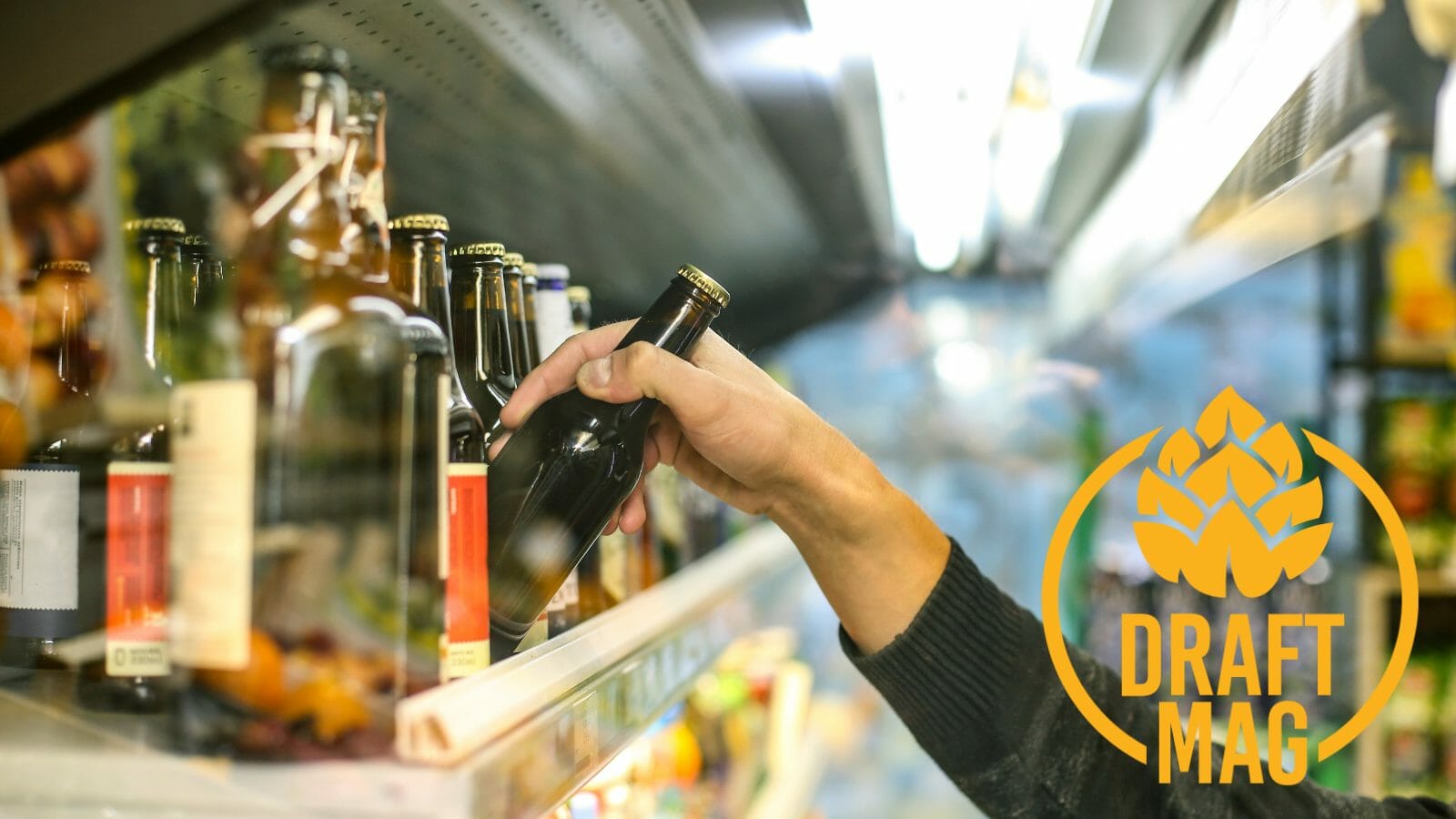
The same 2:00 AM rule applies to establishments selling alcohol for off-site consumption. This means that if you’re planning to stock your hotel mini-fridge, bring a bottle of wine back to your vacation rental in Sonoma Valley, or simply grab a six-pack for later, you’ll need to make your purchase before 2:00 AM. Grocery stores, convenience stores, and dedicated liquor stores across California are legally bound to stop selling alcohol at this time.
Conversely, the earliest these off-sale establishments can begin selling alcohol again is 6:00 AM. This four-hour window, from 2:00 AM to 6:00 AM, is a “dry” period during which no alcohol sales are permitted anywhere in the state. For travelers staying in self-catering accommodations or those who enjoy a drink in the privacy of their room after a long day of exploring attractions like Disneyland or Universal Studios Hollywood, this knowledge is invaluable for planning ahead. A quick stop at a local supermarket or liquor store before the 2:00 AM deadline can save you from an unexpected disappointment later in the evening.
Navigating Nuances and Exceptions to the Rule
While the 2:00 AM to 6:00 AM restriction is broadly applied, understanding the underlying regulatory framework and addressing common misconceptions can provide a fuller picture for any traveler exploring California.
The Regulatory Landscape: California’s ABC Department
The California Department of Alcoholic Beverage Control (ABC) is the primary state agency responsible for regulating the manufacture, distribution, and sale of alcoholic beverages in California. The ABC issues licenses, enforces alcohol laws, and ensures compliance with state statutes, including the 2:00 AM cutoff. Their oversight is comprehensive, covering everything from the smallest corner store to the largest hotel chains and entertainment venues.
It’s the ABC’s regulations that establish the uniform hours of sale, aiming to prevent issues related to excessive consumption and public disorder. While local municipalities may have some say over other aspects of alcohol regulation, such as zoning for new establishments or specific conditions for licenses, they generally cannot override the statewide 2:00 AM closing time for alcohol sales. This centralized control ensures a consistent experience for consumers and businesses alike across the diverse landscape of California.
Special Occasions and Local Considerations
A common query revolves around whether special occasions, such as New Year’s Eve, permit extended alcohol sales. Contrary to popular belief and practices in some other states, California does not have a statewide provision for extending alcohol sales hours for holidays or major events. Even on New Year’s Eve, the 2:00 AM cutoff remains firmly in place. While you might find events winding down or moving to non-alcoholic festivities after this time, the sale of alcohol will cease.
There can be specific, temporary permits issued for certain large-scale events that might dictate different hours, but these are rare and typically involve very controlled environments, not a general extension for the public. For instance, a festival might have specific alcohol service hours that conclude earlier than 2:00 AM for logistical reasons, but they will not extend beyond it. Local ordinances are more likely to dictate earlier closing times for specific venues or areas if there are local concerns, but these are exceptions to the standard rather than the rule for the statewide 2:00 AM cessation. For instance, some smaller towns might enforce earlier last calls, but these are localized decisions and not common for the statewide stopping time which is quite rigid. Always check local guidelines if you are traveling to a lesser-known destination.
Beyond the Clock: Other Important Alcohol Laws for Travelers
Understanding the precise hours of alcohol sales is vital, but it’s just one piece of the puzzle. California has a comprehensive set of alcohol laws designed to promote public safety and responsible consumption. For travelers, being aware of these additional regulations can significantly enhance your visit, ensuring a trouble-free experience.
Age Verification and Responsible Consumption
In California, as across the entire United States, the legal drinking age is 21. This rule is strictly enforced. Any establishment selling alcohol, whether a bar, restaurant, or grocery store, has the right—and often the requirement—to ask for valid identification to verify age. For travelers, this means always carrying a government-issued photo ID (such as a driver’s license or passport) if you plan on purchasing or consuming alcohol.
Attempting to purchase alcohol for someone under 21, or providing it to them, carries significant legal penalties. Likewise, using a fake ID can result in serious legal repercussions, including fines, license suspension, and even jail time. California establishments are diligent in checking IDs, so be prepared and always act responsibly. The emphasis on responsible consumption extends beyond age; establishments can refuse service to visibly intoxicated individuals, even if they are of legal drinking age.
Open Container Laws and Public Consumption
California has strict open container laws, which are important for travelers to note. Generally, it is illegal to possess an open container of alcohol in public places, such as on sidewalks, streets, parks, and beaches. This means you cannot walk down the street with an open beer or a glass of wine. While this might seem restrictive to visitors from countries with more lenient public drinking laws, it’s a key aspect of maintaining public order in the state.
There are exceptions, of course. Alcohol can be consumed on the premises of licensed establishments (like restaurant patios or beer gardens) or at specially permitted events in public spaces. Always look for signage or inquire if you are unsure about the legality of consuming alcohol in a particular outdoor area.
A critical aspect of open container laws also pertains to vehicles. It is illegal for drivers or passengers to have an open container of alcohol in a vehicle. If you purchase alcohol for off-site consumption, ensure it remains sealed and preferably stored in the trunk of your car until you reach your destination, whether that’s your hotel room, a private residence, or a designated picnic area.
Driving Under the Influence (DUI) Regulations
California has some of the strictest Driving Under the Influence (DUI) laws in the nation, and for good reason. The legal blood alcohol concentration (BAC) limit for most drivers is 0.08%. For commercial drivers, it’s even lower at 0.04%, and for drivers under 21, any detectable amount of alcohol can lead to a DUI conviction (“zero tolerance”).
The consequences of a DUI conviction in California are severe, including hefty fines, license suspension, mandatory alcohol education programs, and potential jail time. These penalties apply equally to residents and visitors. Therefore, if you plan to enjoy alcoholic beverages, never get behind the wheel. California’s major cities and tourist areas offer excellent alternatives, including ride-sharing services (Uber, Lyft), taxis, and public transportation. Planning for a designated driver or utilizing these services is not just a recommendation; it’s an absolute necessity for your safety and legal compliance.
Maximizing Your California Experience with Responsible Indulgence
Embracing California’s vibrant lifestyle often includes enjoying its diverse beverage scene. By understanding and respecting the state’s alcohol laws, you can ensure your trip is not only memorable but also safe and responsible.
Planning Your Evening: Nightlife and Dining in California
The 2:00 AM alcohol sales cutoff doesn’t mean your evening has to end abruptly. Instead, it encourages a more structured approach to nightlife and dining. If a late-night drink is part of your travel plans, consider arriving at bars or clubs earlier. Many establishments offer fantastic happy hour deals or early evening specials, allowing you to enjoy the atmosphere and a drink or two without feeling rushed.
For those staying in hotels or vacation rentals, a simple strategy is to purchase any desired alcoholic beverages for in-room consumption from an off-sale establishment before the 2:00 AM deadline. This way, you can continue your conversations or relaxation in the privacy of your accommodation without breaking any laws. Many resorts and hotels in California are situated near grocery or liquor stores, making this a convenient option. Whether you’re planning a romantic dinner, a lively night out with friends, or a quiet evening in, a little foresight goes a long way.
Exploring California’s Diverse Beverage Scene
California is celebrated globally not just for its landmarks and weather, but also for its contributions to the world of beverages. Beyond the bustling nightlife of cities, the state boasts renowned wine regions like Napa Valley and Sonoma Valley, where you can indulge in wine tastings and vineyard tours during daylight hours. The craft beer scene has exploded, especially in cities like San Diego, offering countless breweries to explore. Cocktail culture is thriving in Los Angeles and San Francisco, with innovative mixologists crafting unique drinks.
Embrace these experiences within the legal framework. Visit wineries during their operational hours, enjoy a tasting flight at a brewery, or savor a meticulously crafted cocktail at a bar. The richness of California’s beverage offerings is immense, providing endless opportunities for discovery and enjoyment for those who respect the rules.
In conclusion, the answer to “What time do they stop selling alcohol in California?” is a consistent 2:00 AM statewide. This applies to all licensed establishments, both for on-site and off-site consumption, with sales resuming at 6:00 AM. By keeping this key timing in mind, along with other crucial laws regarding age verification, open containers, and DUI, travelers can seamlessly integrate into California’s vibrant social fabric. Responsible planning and adherence to these regulations will undoubtedly enhance your visit, allowing you to fully enjoy everything the Golden State has to offer, from its iconic landmarks to its dynamic lifestyle, without any unexpected hitches. Cheers to a safe and unforgettable journey!