
Understanding the nuances of hotel check-in times is fundamental to a smooth and enjoyable stay. While many travelers might assume a universal standard, the reality is far more varied, influenced by operational logistics, hotel policies, and even the type of accommodation. This guide delves into the typical check-in timelines, the reasons behind them, and how to navigate them for an optimal arrival experience.
The Standard Check-In Window
The most common check-in time across hotels worldwide, from bustling New York City establishments to serene Maldivian resorts, falls between 2:00 PM and 4:00 PM. This window is not arbitrary; it’s a carefully calculated period designed to facilitate seamless transitions between departing and arriving guests.

Why This Specific Time?
The primary driver behind the 2:00 PM to 4:00 PM check-in window is the housekeeping and maintenance schedule. Hotels operate on a tight turnaround, especially during peak seasons.
- Room Preparation: Guests typically check out between 10:00 AM and 12:00 PM. This leaves a crucial window for the housekeeping department to thoroughly clean, inspect, and restock rooms. This includes changing linens, cleaning bathrooms, replenishing amenities, and ensuring all appliances and fixtures are in working order.
- Staffing Logistics: Housekeeping teams often work in shifts. The period between check-out and the afternoon check-in allows for the completion of a full cleaning cycle for a significant portion of rooms.
- Front Desk Operations: The front desk also needs time to process check-outs, handle any administrative tasks related to departing guests, and prepare for the influx of new arrivals. Having a designated check-in window prevents overwhelming the staff and ensures that each arriving guest receives adequate attention.
- Preventing Early Arrivals from Disrupting Departures: If guests could check in at any time, those arriving very early might inadvertently interrupt housekeeping services or find their rooms not yet ready, leading to guest dissatisfaction. A set time creates a clear expectation.
Variations by Hotel Type and Brand
While 2:00 PM to 4:00 PM is the general rule, certain hotel types and brands may deviate:
- Luxury Hotels and Resorts: Properties like the Ritz-Carlton or Four Seasons often pride themselves on impeccable service and flexibility. They may offer slightly earlier check-in times, sometimes as early as 1:00 PM, or be more accommodating with early arrivals if rooms are ready. However, even in these establishments, guaranteed early check-in often incurs a fee.
- Budget Hotels and Motels: Properties like Motel 6 or smaller independent inns might have later check-in times, sometimes not before 3:00 PM or even 4:00 PM. This can be due to more limited staffing or a less intensive cleaning process.
- Boutique Hotels: These can vary widely, but many aim for a personalized experience and might offer more flexible check-in, often around 3:00 PM.
- Extended Stay Hotels: For properties like Extended Stay America or serviced apartments, check-in times might be more flexible, particularly if there’s a 24-hour front desk.
Navigating Early Check-In and Late Arrivals
Life doesn’t always adhere to hotel schedules. Flights can be delayed, or itineraries might require an earlier arrival. Fortunately, there are strategies to manage these situations.
Requesting Early Check-In
- Contact the Hotel in Advance: The most effective approach is to contact the hotel directly a day or two before your arrival. Clearly state your requested check-in time and the reason (e.g., early flight landing).
- Check the Hotel’s Policy: Many hotel websites explicitly state their check-in and check-out times and often have a section on early arrival requests.
- Be Prepared for Fees: Guaranteed early check-in, especially if it’s before the standard time, usually comes with an additional charge. This fee can range from a percentage of the nightly rate to a flat fee.
- Arrive and Inquire: If you haven’t pre-arranged early check-in or if your request wasn’t guaranteed, you can still arrive at the hotel and inquire at the front desk. If a room has been cleaned and is ready, they might allow you to check in without an extra charge. This is more likely during less busy periods.
- Utilize Hotel Amenities: If early check-in isn’t possible, most hotels offer facilities where you can store your luggage. This allows you to start exploring the city, enjoy breakfast, or relax in the lobby without being burdened by your bags. You can also often use amenities like the gym or pool while waiting for your room.
Dealing with Late Arrivals
Most hotels have front desks that operate well into the evening, but some may have specific late check-in procedures.
- Inform the Hotel: If you anticipate arriving after the standard check-in window, particularly if it’s very late (e.g., after 10:00 PM or 11:00 PM), it’s crucial to inform the hotel in advance. This ensures they make necessary arrangements.
- 24-Hour Front Desks: Many larger hotels and chain properties, like Marriott or Hilton, offer 24-hour front desk service, making late check-ins seamless.
- After-Hours Procedures: For hotels with limited hours, they may provide instructions for late arrivals, such as a secure key pick-up box or a contact number to reach an on-call staff member. Failure to inform the hotel might result in your reservation being considered a no-show, potentially leading to forfeiture of the room or charges.
- Check-In Deadlines: Be aware that some hotels might have a cut-off time for check-ins, even with advance notice, especially if they operate with minimal overnight staff.
Check-Out Times and Their Impact
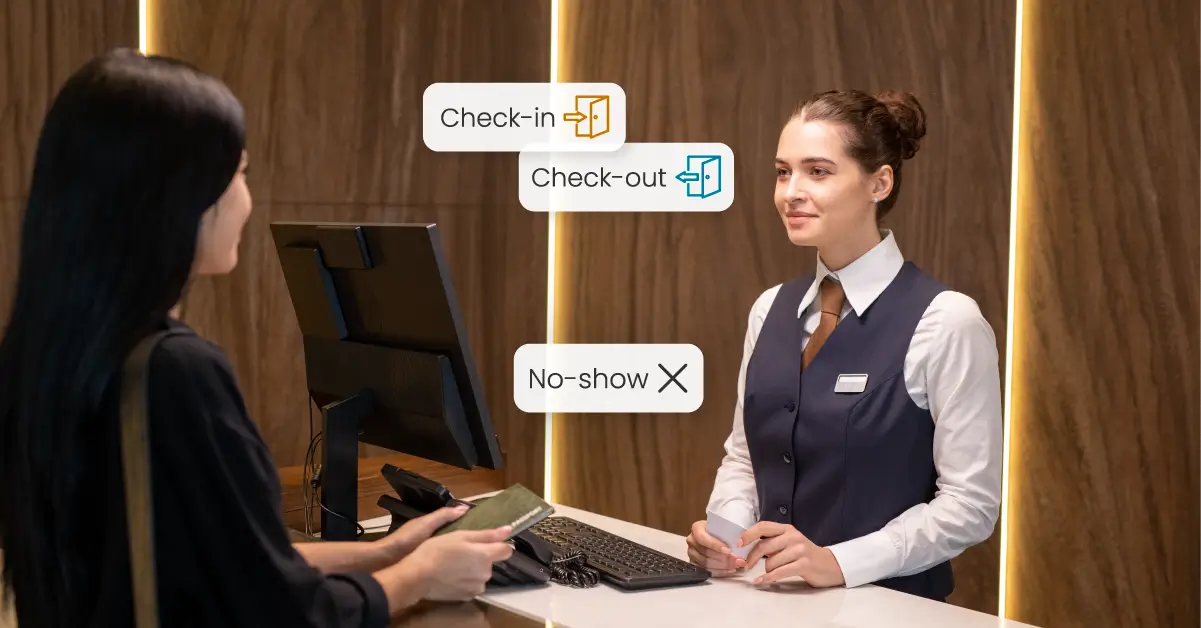
Just as check-in times are structured, so are check-out times, typically falling between 10:00 AM and 12:00 PM. This period is equally critical for hotel operations.
The Importance of Adhering to Check-Out Times
- Housekeeping Efficiency: As mentioned earlier, the check-out window provides the necessary time for housekeeping to prepare rooms for incoming guests. If guests overstay, it can create a domino effect, delaying cleaning for subsequent arrivals and potentially impacting the hotel’s ability to accommodate all guests on time.
- Resource Management: Hotels rely on predictable turnover to manage their resources, including staffing, laundry services, and inventory of amenities.
- Guest Experience: Sticking to the check-out time ensures that the hotel can maintain its service standards for all guests.
Options for Late Check-Out
Similar to early check-in, late check-out can sometimes be arranged, though it’s less commonly guaranteed without a fee.
- Requesting Late Check-Out: Inquire at the front desk the day before or the morning of your departure. Availability often depends on the hotel’s occupancy for that day. If the hotel is fully booked, late check-outs are usually not permitted.
- Fees for Late Check-Out: Some hotels offer a grace period (e.g., until 1:00 PM) for free, while others charge a fee for extended stays, which might be a half-day rate or a full-day rate depending on how late you wish to stay.
- Luggage Storage: If a late check-out isn’t possible, most hotels will happily store your luggage for a few hours after you’ve vacated your room. This allows you to continue enjoying the city or use hotel facilities before your departure.
Special Considerations for Various Accommodation Types
While the general principles apply broadly, different types of stays might have unique check-in and check-out considerations.
Resorts and Vacation Rentals
- Resorts: Often focused on leisure, resorts in places like Cancun or Bali might have more relaxed check-in policies, sometimes catering to flight schedules. However, the 3:00 PM to 4:00 PM window is still common for large properties to manage extensive amenities and guest services. Package deals or all-inclusive options might also influence arrival and departure timings.
- Vacation Rentals (e.g., Airbnb, Villas): These are managed by individuals or smaller companies, so check-in times can be highly variable. Some have self-check-in via lockboxes, allowing for great flexibility, while others require meeting a host at a specific time. It is imperative to confirm the exact check-in procedure and time well in advance with the property owner or manager. The “check-in” might be more about gaining access to the property rather than receiving a hotel-style welcome.
Business Stays and Conference Hotels
- Business Hotels: Hotels catering to business travelers, often located near airports or convention centers in cities like Chicago, may experience peak check-in times later in the afternoon as business travelers arrive from flights. They are usually well-equipped to handle efficient check-ins and check-outs.
- Conference Venues: When attending a conference, check-in times are often dictated by the event schedule. Hotels hosting large events might stagger check-in times or have dedicated registration areas to manage the influx of attendees. It’s wise to arrive with ample time before the conference begins.
Maximizing Your Arrival and Departure Experience
A little planning and communication can transform the potentially stressful moments of checking in and out into seamless transitions.
Proactive Communication is Key
Always refer to your booking confirmation for the official check-in and check-out times. If your travel plans deviate from these times, reach out to the hotel before your arrival. A quick email or phone call can save you a lot of hassle and potentially allow for a smoother experience.
Understand Your Rights and Hotel Policies
Familiarize yourself with the hotel’s policies regarding early check-in, late check-out, and luggage storage. These are usually available on their website. Knowing these policies empowers you to make appropriate requests and understand the hotel’s position.

Leverage Loyalty Programs
If you are a member of a hotel’s loyalty program (e.g., Hilton Honors, Marriott Bonvoy), you might be eligible for perks like complimentary late check-out or even early check-in depending on your membership tier and hotel availability.
By understanding the standard timelines, the reasons behind them, and how to effectively communicate your needs, you can ensure that your hotel arrival and departure processes contribute positively to your overall travel experience.
LifeOutOfTheBox is a participant in the Amazon Services LLC Associates Program, an affiliate advertising program designed to provide a means for sites to earn advertising fees by advertising and linking to Amazon.com. Amazon, the Amazon logo, AmazonSupply, and the AmazonSupply logo are trademarks of Amazon.com, Inc. or its affiliates. As an Amazon Associate we earn affiliate commissions from qualifying purchases.