
For many travelers, understanding the intricate fabric of a destination goes beyond just its scenic vistas and popular attractions. It involves grasping the local rhythms, cultural nuances, and even the practicalities of daily life, which can sometimes include civic events like elections. While “What time do Alaska polls close?” might seem like a niche query for a traveler, it unexpectedly opens a window into the state’s unique geography, vastness, and the distinct characteristics that make planning a trip to the Last Frontier an unparalleled experience. Delving into this question provides insights into Alaska’s time zones, the implications of its sprawling landscapes, and how local events contribute to the immersive journey that awaits visitors.

Navigating Alaska’s Expansive Time Zones: A Traveler’s Guide
Alaska’s sheer size dictates a complex approach to time, far more nuanced than what travelers might encounter in most other states. Understanding this is paramount not only for civic engagement but also for logistical travel planning, communication, and even appreciating local schedules.
The Alaska Time Zone (AKT) and Beyond
Most of Alaska observes the Alaska Time Zone (AKT), which is four hours behind Eastern Standard Time (EST) during standard time and four hours behind Eastern Daylight Time (EDT) during daylight saving time (AKDT). This means if it’s noon in New York City, it’s 8 AM in much of Alaska. However, a significant exception exists: the westernmost portion of the Aleutian Islands, specifically west of 169°30′ W longitude, observes Hawaii Standard Time (HST), which is one hour behind AKT. This subtle but crucial detail means that if you are traversing this remote chain, your watch will need another adjustment. For a traveler, this multi-time zone reality impacts everything from flight connections in Anchorage or Fairbanks to coordinating activities with tour operators in the far west.
Practical Implications for Your Itinerary
When planning your Alaskan adventure, recognizing these time differences is more than a minor detail; it’s a critical component of effective itinerary management.
- Flight Schedules and Connections: Flights connecting through major hubs like Seattle or Minneapolis will involve significant time shifts. Arriving in Alaska can feel like gaining hours, while departing often means losing them, potentially impacting jet lag and energy levels.
- Communication with Home: Keeping in touch with family and friends will require careful consideration of time zones to avoid inconvenient calls.
- Tour and Excursion Bookings: Confirm all local times for excursions, especially if you’re venturing to the Aleutian Islands. Missing a departure due to a time zone miscalculation could be costly and disrupt your entire plan.
- Business Hours: Be mindful that local businesses, restaurants, and attractions operate on AKT (or HST in the Aleutians). Planning ahead ensures you don’t arrive when places are closed or during off-peak hours you didn’t intend.
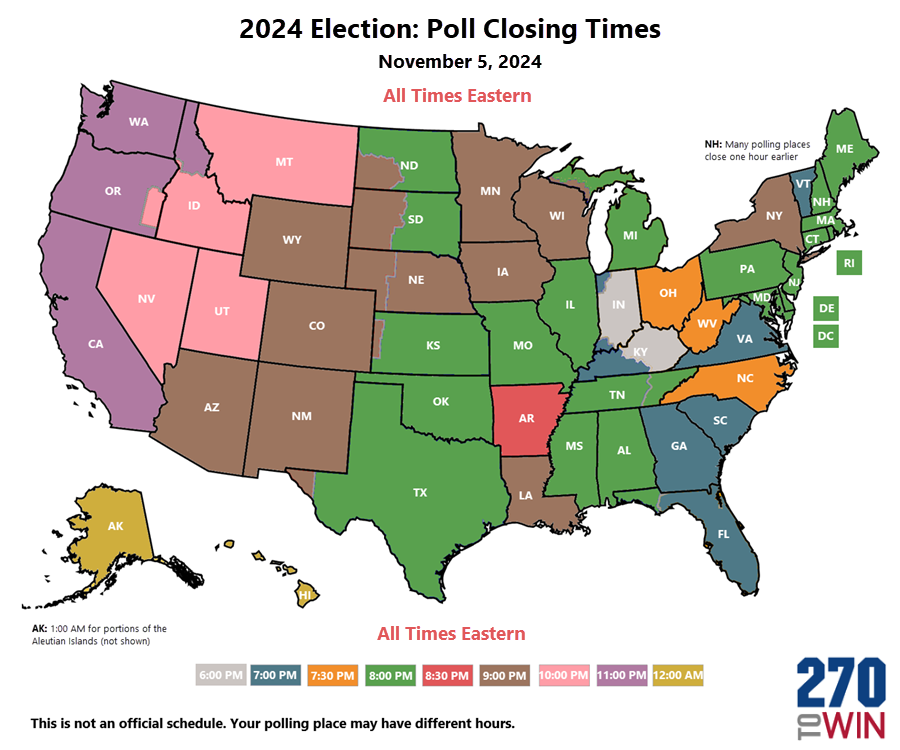
The “polls close” question directly highlights this complexity: official poll closing times, like many other scheduled events, are set according to local time. The vast majority of Alaska’s polls close at 8:00 PM AKT. However, in the few precincts within the Aleutian Islands that observe HST, they would close at 8:00 PM HST, which is effectively 9:00 PM AKT. This geographical spread and time zone differentiation underscore the unique challenges and characteristics of the state itself, making it a truly immersive destination.
Understanding Local Rhythms: Civic Life and Travel in the Last Frontier
Beyond the practicalities of time zones, understanding the local rhythms of civic life can offer a deeper appreciation for the communities you visit. Elections, while seemingly political, are integral to a community’s fabric and can subtly influence the atmosphere and services available to travelers.
Elections as a Snapshot of Community
In Alaska, where communities can be isolated and self-reliant, elections are significant events. They are opportunities for residents to shape their future, often bringing communities together, especially in smaller towns and villages. For a curious traveler, observing this civic engagement can be a fascinating window into Alaskan life. You might notice heightened local discussions, community gatherings, or even specific local events leading up to or following an election. These moments offer a chance to witness the unique spirit of Alaskans firsthand. While specific events directly tied to an election might not be part of typical tourist itineraries, the general atmosphere can reflect the community’s engagement.

When the State Decides: Poll Closing Times Across the Regions
As mentioned, across most of Alaska, polls typically close at 8:00 PM Alaska Time (AKT) on election day. This applies to major cities like Anchorage, Fairbanks, and the state capital, Juneau, as well as most of the expansive rural areas. The exception remains the Aleutian Islands west of 169°30′ W, where polls close at 8:00 PM Hawaii Standard Time. This translates to 9:00 PM AKT, meaning these remote island communities are the last in the state to conclude voting. For a traveler, this information, while perhaps not directly impacting their day-to-day sightseeing, underlines the incredible diversity and logistical considerations inherent to Alaska. It demonstrates how local governance adapts to the state’s extreme geographical spread and distinct regional identities.
Planning Your Trip Around Alaska’s Unique Calendar
Beyond elections, other elements of Alaska’s calendar can significantly influence a traveler’s experience. From seasonal festivals to the sheer isolation of certain areas, thoughtful planning is key.
Major Events and Local Observances
Alaska is host to a variety of unique events that attract visitors and locals alike. Major events such as the Iditarod Trail Sled Dog Race in March, the Alaska State Fair in late summer, or various Native Alaskan cultural festivals throughout the year can impact travel logistics. During these times, accommodations might be scarce, prices higher, and local services more stretched. Similarly, understanding school holidays or local fishing seasons might influence crowd levels in popular areas like the Kenai Peninsula or around Denali National Park. Being aware of these rhythms allows travelers to either immerse themselves in the local excitement or plan their visit to avoid peak times if seeking solitude.
Remote Areas: Planning for Unique Logistical Considerations
Traveling to Alaska’s more remote regions, such as the Arctic Circle communities of the North Slope Borough or villages along the Yukon River, presents unique challenges and rewards. Here, access is often limited to small planes or boats, and services can be minimal. The “polls close” question resonates even more profoundly in these contexts, highlighting the effort required to facilitate civic participation across such vast, sparsely populated areas. For travelers, this translates to:
- Limited Services: Be prepared for fewer dining, lodging, and shopping options. Advanced booking is essential.
- Transportation Dependability: Weather can dramatically impact flight schedules to remote airfields. Flexibility in your itinerary is crucial.
- Cultural Sensitivity: These communities have strong traditions and tight-knit social structures. Respecting local customs and being mindful of your impact is paramount.
Understanding that even an election requires extensive logistical planning in Alaska helps frame the perspective needed for planning a remote adventure there.
Beyond the Ballot Box: Experiencing Alaska’s Diverse Culture
Ultimately, the seemingly simple question of poll closing times is a microcosm of Alaska’s larger narrative—a story of immense scale, diverse landscapes, and resilient communities. Engaging with this depth enriches any travel experience.
Engaging with Alaskan Heritage
Alaska’s heritage is a vibrant tapestry woven from Native Alaskan traditions, Russian colonial history, and the rugged spirit of pioneers and prospectors. Travelers can delve into this rich past by visiting cultural centers in Anchorage and Fairbanks, exploring Russian Orthodox churches in places like Sitka or Kodiak, or experiencing the unique art and totem poles of the Inside Passage. These cultural touchpoints offer a deeper understanding of the values and communal bonds that define Alaskan life, including how civic duties are performed across vast distances and different time zones.
From Anchorage to the Arctic: Regional Nuances
The experience of Alaska varies dramatically from one region to another. Anchorage offers urban amenities and a gateway to south-central adventures. Southeast Alaska (the Inside Passage) is defined by temperate rainforests and island communities accessible primarily by ferry or plane. Interior Alaska, home to Fairbanks, boasts extreme temperatures, the Arctic Circle, and the vast expanse of Denali National Park. Further north, communities near the Arctic Ocean face unique challenges and possess profound ancestral knowledge adapted to the extreme environment. Each region has its own character, economy, and rhythm, which influences how civic events like elections are conducted and perceived. For the discerning traveler, understanding these regional nuances, even down to how time is kept for poll closing, allows for a more respectful, informed, and ultimately, more enriching journey through the diverse landscapes and cultures of Alaska.
LifeOutOfTheBox is a participant in the Amazon Services LLC Associates Program, an affiliate advertising program designed to provide a means for sites to earn advertising fees by advertising and linking to Amazon.com. Amazon, the Amazon logo, AmazonSupply, and the AmazonSupply logo are trademarks of Amazon.com, Inc. or its affiliates. As an Amazon Associate we earn affiliate commissions from qualifying purchases.