
Arizona, a state synonymous with the scorching sun and vast desert landscapes, presents a unique spectacle as daylight gracefully recedes. Understanding when darkness descends is crucial for any traveler, whether you’re planning a stargazing excursion in the desert, aiming to catch a breathtaking sunset over the Grand Canyon, or simply navigating your way back to your accommodation after a day of exploration. This comprehensive guide delves into the factors influencing sunset times in Arizona, offering practical tips and insights for making the most of your Arizona adventure.
The Rhythmic Dance of Daylight: Understanding Arizona’s Sunset
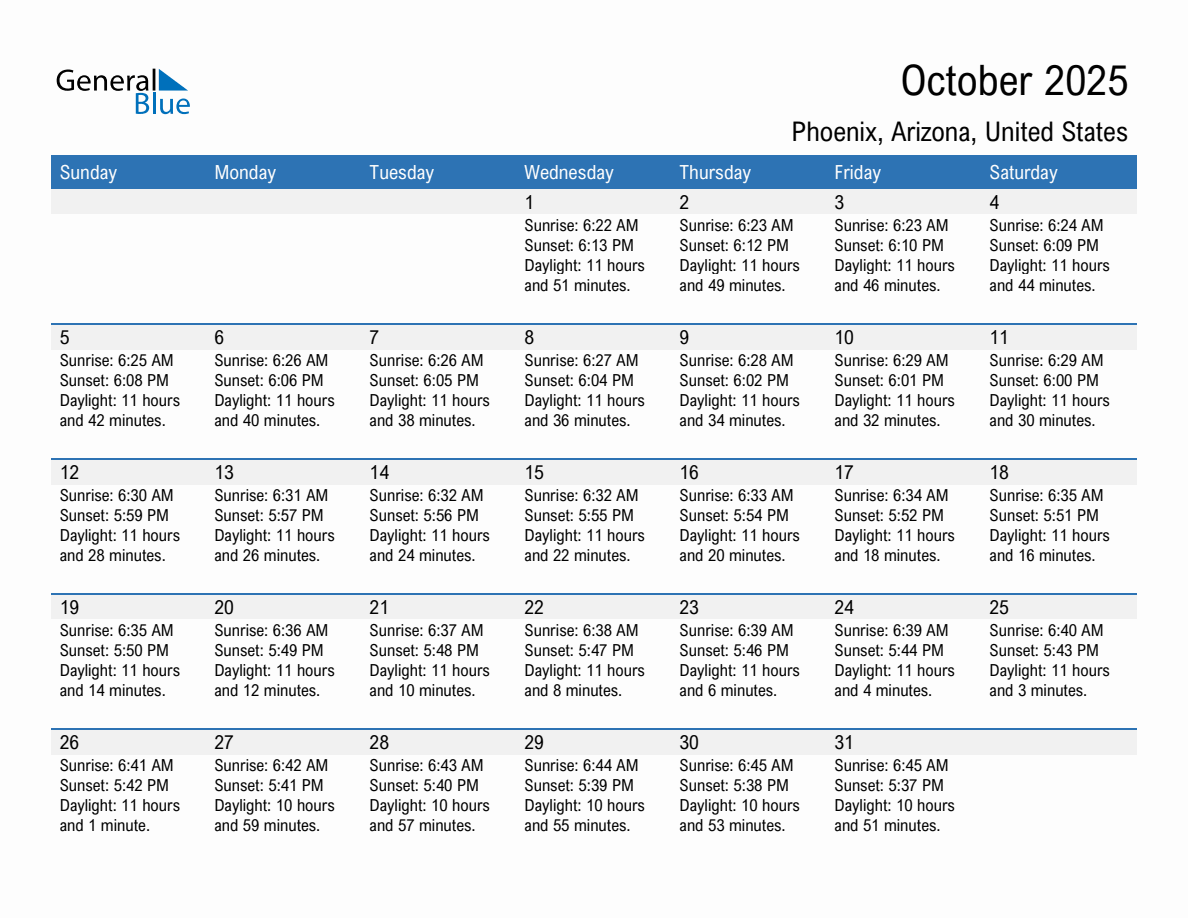
The precise moment the sun dips below the horizon in Arizona is not a static event. It’s a dynamic phenomenon influenced by several key astronomical and geographical elements. The most significant drivers are the Earth’s axial tilt and its orbit around the Sun, which dictate the changing length of days throughout the year, and of course, Arizona’s time zones.

Seasonal Shifts and Their Impact on Sunset
Throughout the year, the amount of daylight Arizona receives fluctuates significantly. This is most pronounced between the summer and winter solstices.
Summer Solstice: The Longest Days
Around June 20th or 21st, the Northern Hemisphere, including Arizona, is tilted most directly towards the Sun. This results in the longest days of the year, with sunset occurring considerably later. In Phoenix, for instance, on the summer solstice, you might find the sun setting as late as 8:30 PM MST. This extended daylight is a boon for outdoor enthusiasts, allowing for extended hikes, leisurely tourism activities, and ample time to soak in the natural landmarks. Imagine finishing a day exploring the vibrant Sedona red rocks and still having daylight to enjoy dinner with a view.
Winter Solstice: The Shortest Days
Conversely, around December 21st or 22nd, the Northern Hemisphere is tilted furthest away from the Sun, resulting in the shortest days. Sunset times are significantly earlier during these months. In Phoenix, you can expect the sun to set around 5:00 PM MST. While this might seem restrictive, it offers a different kind of beauty. The early evenings can be perfect for cozying up in a luxurious resort, enjoying a fine dining experience, or marveling at the star-studded desert sky, which becomes visible much earlier.
Equinoxes: Balanced Daylight
The spring and autumn equinoxes, typically around March 20th and September 22nd, represent periods of near-equal day and night. Sunset times during these transitional seasons fall somewhere between the extremes of the solstices, offering a comfortable balance for most travel plans.
Time Zones: The Crucial Distinctions
Arizona’s unique position within the Mountain Standard Time (MST) zone plays a pivotal role in its sunset times, with one significant caveat: Arizona does not observe Daylight Saving Time (DST), except for the Navajo Nation. This means that for most of the state, the clocks remain on MST year-round.
The Impact of No Daylight Saving Time
In many other parts of the United States, Daylight Saving Time shifts the clock forward by an hour during the warmer months, effectively making the sun appear to set later. Because Arizona, for the most part, foregoes this practice, its sunset times might appear earlier compared to neighboring states that do observe DST, especially during the spring and summer months. This is a crucial point for travelers to remember when planning their itinerary, ensuring they don’t miscalculate their daylight hours.
For example, if you are comparing sunset times in Phoenix, Arizona, with Denver, Colorado, during the summer months when Colorado is on Mountain Daylight Time (MDT), Denver will have sunsets an hour later than Phoenix, even though they are in the same time zone for most of the year. This temporal difference can be a factor in planning outdoor activities or booking hotels with specific sunset views.
The Navajo Nation Exception
It’s important to note that the Navajo Nation, located in the northeastern part of Arizona, does observe Daylight Saving Time. This means that during the period when DST is active elsewhere in the US, the Navajo Nation will be on Mountain Daylight Time (MDT). This can create a one-hour difference in sunset times between areas within Arizona, depending on whether they are within or outside the Navajo Nation’s boundaries. Travelers venturing into areas like Monument Valley or the Grand Canyon National Park when it falls within the Navajo Nation’s DST observation should be mindful of this.
Planning Your Arizona Itinerary Around Sunset
Knowing when the sun sets is more than just a curious fact; it’s a vital piece of information for maximizing your experience in Arizona. From capturing iconic photographic moments to enjoying cultural activities, the timing of darkness can significantly enhance or hinder your plans.
Embracing Golden Hour and Stargazing
The period just before sunset, often referred to as the “golden hour,” bathes the desert landscape in a warm, ethereal glow. This is the prime time for photographers to capture the breathtaking beauty of places like the Superstition Mountains or the saguaro-dotted vistas of the Sonoran Desert. Many tourist attractions and landmarks are particularly stunning during this time, offering a magical prelude to the night.
As darkness fully descends, Arizona transforms into one of the world’s premier stargazing destinations. Away from the light pollution of major cities like Phoenix, Tucson, or Flagstaff, the desert sky reveals an unparalleled celestial panorama. Areas designated as International Dark Sky Parks, such as Kitt Peak National Observatory or Natural Bridges National Monument (just across the border in Utah, but a popular excursion from Northern Arizona), offer exceptionally clear views of the Milky Way, constellations, and shooting stars. The early sunsets in winter can be particularly advantageous for extending your stargazing sessions.
Practical Tips for Sunset Chasers
To ensure you don’t miss out on Arizona’s spectacular twilight and nocturnal displays, here are some practical tips:
- Check Local Sunset Times: Always consult reliable sources for the exact sunset time for the specific date and location you plan to be in Arizona. Websites like timeanddate.com or weather apps can provide this information. Remember to account for the Navajo Nation’s DST observance if applicable.
- Factor in Travel Time: If you’re planning to reach a specific viewpoint for sunset, such as a scenic overlook on Route 66 or a viewpoint in Sedona, allow ample travel time. Arizona’s vastness means that journeys can take longer than anticipated.
- Book Accommodation Strategically: If a sunset view is a priority, consider booking hotels, villas, or apartments that offer rooms or common areas with westward-facing views. Many resorts in areas like Scottsdale or Sedona are designed to capitalize on these vistas.
- Evening Activities: Plan your evening activities accordingly. If you’re attending a performance at the Orpheum Theatre in Phoenix, consider pre-dinner sunset viewing. For family trips, ensuring you’re back at your family-friendly hotel before it gets too dark can be a priority.
- Safety First: Always be aware of your surroundings, especially when venturing out in the dark. Carry a flashlight, inform someone of your plans if you’re hiking or exploring remote areas, and be mindful of wildlife that may become more active at dusk.
Arizona’s Diverse Landscapes and Their Twilight Charms
The timing of darkness in Arizona doesn’t just depend on the sun; the state’s incredibly diverse geography also plays a role in how we perceive the onset of night. From the towering peaks of the San Francisco Peaks near Flagstaff to the sprawling desert plains, each region offers a unique twilight experience.
Mountainous Regions: Earlier Evenings
In higher elevation areas like Flagstaff, Pinetop-Lake-Azusa, or White Mountains, the sun may set a few minutes earlier than in the lower desert valleys like Phoenix or Yuma. This is due to the curvature of the Earth and the obstructions of the mountain ranges themselves. When the sun dips below the horizon from the perspective of a lower valley, it might still be visible for a little longer from a higher vantage point. However, the cooler temperatures in these mountainous regions can make evening excursions pleasant even after the sun has set.
Desert Vistas: Extended Twilight Glow
The vast, open expanses of the Sonoran and Mojave deserts are famous for their dramatic sunsets. The absence of tall trees or buildings means that the sky can remain illuminated for a considerable time after the sun has physically disappeared. The gradient of colors, from fiery oranges and reds to soft purples and pinks, can linger, providing a prolonged spectacle. This extended twilight is particularly captivating in areas renowned for their natural beauty, such as Saguaro National Park or the Arizona-Sonora Desert Museum.
Canyon Depths: Unique Light Play
Exploring the depths of canyons, like the iconic Grand Canyon, presents a completely different interaction with sunset. As the sun descends, its rays penetrate the canyon, casting dramatic shadows and illuminating different rock layers with an ever-changing palette of colors. The light can appear to “die” much faster within the deeper parts of the canyon, while the rims might still catch the last rays. Planning your visit to coincide with sunset at a viewpoint like Mather Point or Hopi Point is a must-do experience for any Arizona traveler.
Conclusion: Embrace the Arizona Dusk
Understanding what time it gets dark in Arizona is an invitation to appreciate the full spectrum of this remarkable state. Whether you’re planning a desert adventure, a luxurious getaway at a Four Seasons Resort in Scottsdale, or a family trip exploring ancient ruins, being aware of the sun’s schedule will undoubtedly enrich your travel experience. From the extended daylight perfect for exploring the vibrant culture and activities of Tucson, to the early, star-filled nights ideal for contemplation in a secluded villa, Arizona’s sunsets and subsequent darkness offer their own unique brand of magic. By considering the seasons, time zones, and geographical nuances, you can expertly craft your itinerary to witness the breathtaking beauty of an Arizona dusk and embrace the wonders that unfold after dark.
LifeOutOfTheBox is a participant in the Amazon Services LLC Associates Program, an affiliate advertising program designed to provide a means for sites to earn advertising fees by advertising and linking to Amazon.com. Amazon, the Amazon logo, AmazonSupply, and the AmazonSupply logo are trademarks of Amazon.com, Inc. or its affiliates. As an Amazon Associate we earn affiliate commissions from qualifying purchases.