
The New York City Marathon is not just a race; it’s an exhilarating spectacle, a testament to human endurance, and a vibrant celebration that engulfs New York City every year. As one of the six Abbott World Marathon Majors, it draws professional athletes, dedicated amateurs, and millions of spectators from every corner of the globe. For participants, finishing is the ultimate goal; for spectators, understanding the race’s timeline is key to catching the most electrifying moments. But whether you’re chasing a personal best or simply soaking in the atmosphere, a common question arises: “What time does the New York City Marathon truly end?”

The answer isn’t a single, definitive time, but rather a dynamic window determined by staggered starts, diverse running paces, and an official course closure. From the first elite runners crossing the finish line to the final participants being swept off the course, the marathon unfolds over many hours, transforming the city’s streets into an epic stage of triumph and determination. Understanding this timeline is crucial for both runners planning their race day strategy and visitors looking to integrate this incredible global sporting event into their travel itinerary.
Understanding the New York City Marathon’s Timeline
The New York City Marathon is a meticulously organized event that begins long before the first runner crosses the starting line and extends hours after the winners have been crowned. Its vast scale, spanning five boroughs and involving over 50,000 runners, necessitates a staggered approach to both its commencement and conclusion.
The Start: A Wave of Excitement from Staten Island
The marathon traditionally kicks off on Staten Island, with runners assembling near the Verrazzano-Narrows Bridge. The early morning hours are filled with anticipation as thousands gather, ready to embark on their 26.2-mile journey. The starting gun for the professional wheelchair divisions typically fires first, usually around 8:00 AM. This is swiftly followed by the professional women’s race, often beginning around 8:40 AM, and then the professional men’s race, which usually starts shortly after 9:00 AM.
After the elite athletes have begun their quest, the massive waves of general participants are released. These waves are strategically staggered, typically every 20-30 minutes, to manage the immense flow of runners through the city streets. The first wave of general participants usually starts around 9:10 AM, with subsequent waves following until approximately 11:30 AM. This means that while some runners are already deep into Brooklyn or even Queens, others are just setting off from Staten Island. This extended start time directly impacts the overall duration of the event and, consequently, when the race “ends” for the majority of participants. The energy at the start is palpable, a mix of nerves, excitement, and camaraderie that sets the tone for the epic journey ahead.
The Finish Line: Triumphs in Central Park
The culmination of the 26.2-mile journey is the iconic finish line located in Central Park, near the beloved Tavern on the Green. This is where dreams are realized, personal bests are shattered, and emotional embraces unfold.
The earliest finishers, typically the elite professional men, cross the line around 11:15 AM to 11:30 AM, completing the marathon in just over two hours. The elite women follow, usually finishing between 11:45 AM and 12:00 PM. These are the victors, showcasing incredible speed and endurance.
However, for the vast majority of runners, the journey takes considerably longer. The official course time limit for the New York City Marathon is 6 hours and 30 minutes from the start of the final wave. Given that the last wave typically starts around 11:30 AM, this means the official finish line remains open for participants until approximately 6:00 PM to 6:30 PM on race day. This is the definitive answer to when the marathon officially ends for registered participants aiming to receive a medal and an official time.
As the afternoon progresses, course support, aid stations, and medical personnel begin to scale back. “Sweep buses” follow behind the final wave of runners, picking up participants who fall significantly behind the pace, ensuring their safety and allowing the city streets to reopen to regular traffic. By roughly 7:00 PM to 7:30 PM, the finish line area is largely dismantled, and Central Park returns to its usual tranquility, albeit marked by the lingering aura of extraordinary achievement. Therefore, while the winners are known by midday, the spirit of the marathon truly permeates New York City well into the evening, with the last official finishers completing their remarkable feat as dusk settles.
Experiencing the Marathon as a Spectator
Attending the New York City Marathon as a spectator is an experience unlike any other. The energy is infectious, the stories inspiring, and the sheer scale of human effort breathtaking. Planning your spectator experience is essential to make the most of race day, whether you’re cheering on a specific runner or simply reveling in the vibrant atmosphere.
Best Viewing Spots and What to Expect
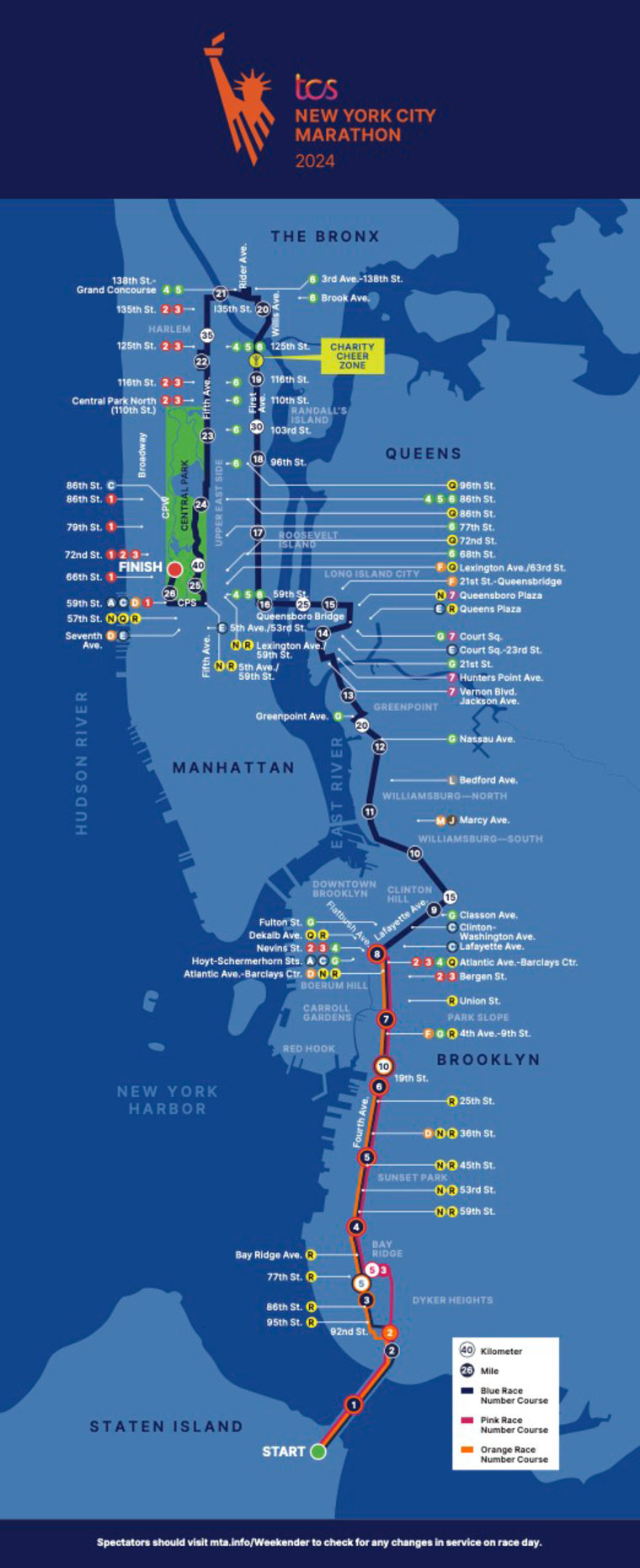
The marathon route winds through all five boroughs of New York City, offering countless opportunities to witness the spectacle. Each section of the course has its unique charm and energy:
- Brooklyn (Miles 2-8): After descending the Verrazzano-Narrows Bridge, runners flood into Brooklyn. Fourth Avenue is a prime spot, with massive crowds and an electric atmosphere. This is an excellent place to see runners relatively fresh and full of enthusiasm. Later, Bedford Avenue in Williamsburg offers a different vibe, with local bands and diverse communities lining the streets.
- Queens (Miles 13-16): The brief but impactful stretch through Queens, particularly over the Pulaski Bridge leading into Manhattan, provides strategic viewing. While the bridge itself is usually restricted to spectators, the approach and exit offer good vantage points, especially in Long Island City.
- Manhattan (Miles 16-20, First Avenue): This is often considered the loudest and most energetic part of the course. First Avenue in Manhattan is a wall of sound, with spectators packed deep along the sidewalks. Runners hit this stretch around the halfway point, often needing a boost, and the crowd delivers. It’s a truly iconic section.
- Bronx (Miles 20-21): A shorter segment, the marathon crosses into the Bronx via the Willis Avenue Bridge. The enthusiastic crowds here offer a crucial lift as runners face the infamous “wall” and the final push towards Central Park.
- Manhattan (Miles 21-26.2, Fifth Avenue and Central Park South): The final miles are mentally and physically challenging, but the crowds on Fifth Avenue provide incredible encouragement, especially as runners pass iconic landmarks. The entry into Central Park and the final sprint to the finish line are profoundly emotional moments.
Regardless of where you choose to watch, expect massive crowds, street closures, and a festive atmosphere. Arrive early to secure your spot, especially at popular locations. Utilize the MTA (subway and bus) for transportation, as driving and parking are nearly impossible on race day. Dress warmly, bring snacks, water, and make a sign to cheer on your favorite runner or simply to motivate strangers. The collective roar of encouragement is a highlight of the marathon experience, truly embodying the spirit of New York.

Post-Race Celebrations and Activities
After the final runner crosses the finish line and the course is cleared, the energy of the marathon doesn’t simply vanish. For runners, the immediate post-race experience involves collecting medals, receiving essential medical checks, and reuniting with loved ones in designated family reunion areas in Central Park. This is a moment of profound relief and accomplishment.
For spectators and visitors, the celebrations extend across New York City. Many local pubs and restaurants throughout Manhattan and the surrounding boroughs host informal post-marathon gatherings. It’s common to see runners proudly sporting their medals, sharing stories of their race, and enjoying well-deserved meals and drinks.
Beyond the immediate post-race buzz, the marathon offers an excellent opportunity to explore New York City’s myriad attractions. After spending hours cheering, why not treat yourself to some of the city’s finest cultural experiences? Catch a Broadway show, visit a world-class museum like the Metropolitan Museum of Art, or simply take a stroll through Central Park to reflect on the day’s incredible events. The marathon weekend serves as a fantastic anchor for a longer visit, allowing you to combine the thrill of the race with the unparalleled offerings of one of the world’s greatest cities.
Planning Your Trip Around the New York City Marathon
Visiting New York City for the marathon, whether as a runner or a spectator, requires careful planning. This epic event transforms the city, impacting everything from accommodation availability to transportation. By leveraging insights from travel and tourism experts, you can ensure a seamless and unforgettable experience.
Accommodation: Securing Your Stay
Finding the right place to stay is paramount, especially given the high demand during marathon weekend. Hotels across all boroughs tend to book up quickly, often a year in advance, so early reservations are not just recommended, they are essential.
Consider these options for your accommodation:
- Proximity to the Finish Line: Many runners and their families prefer to stay near Central Park, particularly in the Upper West Side or Midtown Manhattan. This allows for easy access to the finish line, post-race recovery, and family reunion areas. Luxury hotels like The Plaza Hotel or boutique hotels in these areas offer unparalleled comfort and convenience, though at a premium.
- Access to the Start Line: While less common, some runners opt for hotels in Staten Island or Brooklyn for easier access to the morning race day transportation, though this can make post-race recovery travel more challenging.
- Value and Accessibility: For those on a budget travel plan, areas like Long Island City in Queens or downtown Brooklyn often offer more mid-range options and budget-friendly stays. These locations boast excellent subway connections to Manhattan, ensuring you’re never far from the action. Chain hotels like a Hyatt Regency or similar brands frequently have properties here.
- Types of Stays: Beyond traditional hotels, consider extended-stay apartments or suites if you’re staying for longer, or if you’re traveling with family or a group. These often come with kitchenettes, offering more flexibility and comfort. For runners, look for hotels with good amenities like a gym, early breakfast options, and quiet rooms.
Remember to compare different accommodation options and read reviews to find the perfect fit for your needs and preferences. Booking directly or through reputable booking platforms is always advisable.
Navigating the City: Travel and Transportation
New York City’s public transportation system, the MTA, is your best friend during marathon weekend. Street closures and heavy pedestrian traffic make driving virtually impossible and taxis hard to come by, particularly in Manhattan.
- Subway and Bus: The subway is the most efficient way to get around. Familiarize yourself with the subway map and plan your routes in advance, especially if you’re trying to catch your runner at multiple points. Many bus lines will also be rerouted or suspended on race day, so confirm your options. Runners will have specific instructions for getting to the Staten Island start.
- Walking: Be prepared to walk extensively. Even with public transport, getting to and from viewing spots, hotels, and attractions will involve considerable foot traffic.
- Airports: New York City is served by three major airports: JFK International Airport, LaGuardia Airport, and Newark Liberty International Airport in New Jersey. All offer various transportation options to Manhattan and other boroughs, including express trains, buses, and taxis. Plan your airport transfers well in advance, as traffic can be heavier around marathon weekend.
Beyond the Race: Embracing New York City’s Lifestyle and Landmarks
While the marathon is undoubtedly the main event, your trip to New York City offers a perfect opportunity to delve into the city’s unparalleled lifestyle and explore its iconic landmarks. Extend your stay to truly experience the city that never sleeps.
- Iconic Landmarks: No visit to New York is complete without seeing the Empire State Building, paying homage to the Statue of Liberty and Ellis Island, experiencing the dazzling lights of Times Square, or strolling across the Brooklyn Bridge. Each offers a unique glimpse into the city’s rich history and vibrant present.
- Cultural Immersion: Immerse yourself in the city’s thriving art galleries, world-renowned museums, and electrifying Broadway productions. From the Metropolitan Museum of Art to the Museum of Modern Art, there’s a gallery or exhibit to captivate every interest.
- Culinary Delights: New York City’s food scene is legendary, catering to every palate and budget. Indulge in luxury dining at Michelin-starred restaurants, explore diverse ethnic eateries, or grab a classic New York-style pizza or bagel.
- Shopping and Nightlife: For those interested in shopping, Fifth Avenue offers high-end boutiques, while neighborhoods like SoHo and Greenwich Village provide unique shops and charming independent stores. As night falls, experience the city’s dynamic nightlife, from jazz clubs in Harlem to rooftop bars with stunning skyline views.
- Beyond the City: Consider extending your travel to explore other parts of New York State, such as the scenic Hudson Valley or the natural beauty of the Adirondacks, for a more comprehensive regional experience.
By combining the thrill of the New York City Marathon with these diverse offerings, you can transform a single event visit into a multifaceted travel destination experience.
In conclusion, while the elite runners cross the finish line by midday, the New York City Marathon officially welcomes its last finishers until around 6:00 PM to 6:30 PM, making it a full-day spectacle. The vibrant energy and community spirit, however, linger far longer, permeating the city’s streets and celebrating human endeavor late into the evening. Planning your visit meticulously, from securing accommodation well in advance to navigating the city with ease and exploring its countless attractions, will ensure that your experience of this iconic event and the unparalleled charm of New York City is nothing short of unforgettable.
LifeOutOfTheBox is a participant in the Amazon Services LLC Associates Program, an affiliate advertising program designed to provide a means for sites to earn advertising fees by advertising and linking to Amazon.com. Amazon, the Amazon logo, AmazonSupply, and the AmazonSupply logo are trademarks of Amazon.com, Inc. or its affiliates. As an Amazon Associate we earn affiliate commissions from qualifying purchases.