
For visitors exploring the vibrant landscapes and diverse communities of Florida, understanding the rhythms of local life can significantly enhance their experience. While the sunshine state is famous for its theme parks, pristine beaches, and bustling cities, its daily cadence is also shaped by less obvious factors, such as school schedules. The seemingly simple question, “What time does school start in Florida?”, unlocks a deeper insight into local traffic patterns, quiet hours, and the overall pulse of the communities you might visit. Far from a uniform answer, school start times across Florida vary considerably by district, grade level, and even individual school, offering a nuanced glimpse into the state’s local culture and providing practical tips for navigating your vacation. This guide delves into these complexities, illustrating why knowing these times can be a valuable piece of local intelligence for any savvy traveler.

The Varied Landscape of Florida School Schedules
Unlike some states with centralized educational mandates, Florida’s public education system grants significant autonomy to its 67 county-level school districts. This decentralization means there isn’t a single, statewide school start time, but rather a mosaic of schedules tailored to the specific needs and logistical challenges of each district. This variability is a fundamental aspect of Florida’s local governance and directly influences the daily flow observed by tourists.
District Autonomy and Local Decisions
The primary reason for the diverse array of school start times lies in the authority vested in local school boards. Each district, operating under the oversight of the Florida Department of Education, makes independent decisions regarding its academic calendar, bell times, and transportation logistics. These choices are influenced by a multitude of local factors, including student demographics, geographic size of the district, available transportation resources, and community input. For instance, a sprawling rural district might prioritize busing efficiency by staggering start times more aggressively than a compact urban district. This autonomy allows districts to adapt to unique community characteristics, but it also means that a traveler moving from, say, Miami to Orlando might encounter entirely different school schedules.
General Trends Across Grade Levels
Despite the district-by-district variation, some general trends can be observed across grade levels. Typically, elementary schools often begin earlier than middle or high schools, with start times often falling between 7:30 AM and 8:30 AM. Middle schools frequently follow a similar pattern, or sometimes slightly later. High schools have historically had the earliest start times in many districts, often beginning before 7:30 AM. However, a significant shift is underway in Florida due to legislative changes (which we’ll explore later), pushing high school start times later to align with adolescent sleep patterns. These general patterns, regardless of specific times, create predictable waves of activity that permeate local communities during weekday mornings and afternoons.
The Impact of Busing Schedules
Perhaps the most significant logistical driver behind staggered school start times is transportation. Public school districts rely heavily on busing services, and to maximize efficiency and manage costs, many districts utilize a “tiered” busing system. This means the same fleet of buses and drivers will transport students for multiple school levels. For example, buses might first pick up high school students, then return to pick up middle schoolers, and finally elementary students, or vice-versa. This tiered system necessitates different start and end times for schools within the same district. A district might have its high school starting at 7:00 AM, its middle school at 8:00 AM, and its elementary schools at 9:00 AM, all to allow buses to complete their routes for each tier. This logistical ballet is precisely why you won’t find a single answer to when schools start in Florida, and why the roads around these times can become noticeably busier.
Why School Start Times Matter for Your Florida Visit
For tourists, understanding when local schools begin and end might seem tangential to planning a memorable vacation. However, these seemingly innocuous schedules have a profound impact on the daily rhythms of Florida’s communities, directly affecting traffic, local services, and even the atmosphere of certain attractions. By being aware of these patterns, travelers can better navigate their surroundings, avoid unnecessary delays, and gain a more authentic appreciation for the local culture.
Navigating Peak Traffic Hours
One of the most immediate and tangible impacts of school schedules on tourists is traffic congestion. During weekday mornings (typically 6:30 AM to 9:00 AM) and afternoons (2:00 PM to 4:30 PM), roads in and around residential areas, major thoroughfares, and near school zones can become significantly more congested. This is particularly true in densely populated tourist hubs like Orlando, Miami, and Tampa. Parents driving children to school, school buses making frequent stops, and increased pedestrian and bicycle traffic contribute to slower commutes. For a tourist heading to an early morning theme park opening, trying to catch a flight from Orlando International Airport, or driving across town for an excursion, hitting these school rush hours unexpectedly can lead to frustrating delays. Planning travel routes to avoid these windows can save valuable vacation time and reduce stress.
Experiencing Local Rhythms
Beyond traffic, school schedules offer a subtle yet insightful peek into the local culture of Florida communities. During school hours, many local parks, libraries, and public spaces tend to be quieter and less crowded, particularly those frequented by families. Conversely, neighborhoods spring to life during drop-off and pick-up times, with a flurry of activity, children walking and biking, and community members interacting. Observing these daily rituals can provide a more authentic sense of local life, contrasting with the often-manicured tourist experiences. It allows visitors to appreciate the everyday fabric of the place they are visiting, making their trip richer and more immersive.
Planning Activities Around Local Flow
Armed with knowledge of school start and end times, tourists can strategically plan their daily activities to optimize their experience. For instance, if you’re planning to visit a local museum, a less-known state park, or a charming downtown area that caters to residents, scheduling your visit during school hours (roughly 9:00 AM to 2:00 PM on weekdays) might mean fewer crowds and a more serene experience. Conversely, if you’re staying in a residential area and plan to drive to a major attraction, departing before the morning school rush or after it has subsided can lead to a smoother journey. Even simple activities like grocery shopping or dining at local eateries might be more relaxed during these off-peak hours, allowing for a more pleasant and efficient experience, giving you an edge in enjoying Florida beyond the typical tourist paths.
A Closer Look at Start Times in Key Florida Regions
While the variability in school start times across Florida is a constant, understanding the general patterns in major tourist-centric regions can be particularly beneficial. These areas, with their high population densities and frequent tourist traffic, often have well-defined school schedules that significantly impact local roadways and services.
Central Florida (Orlando and Beyond)
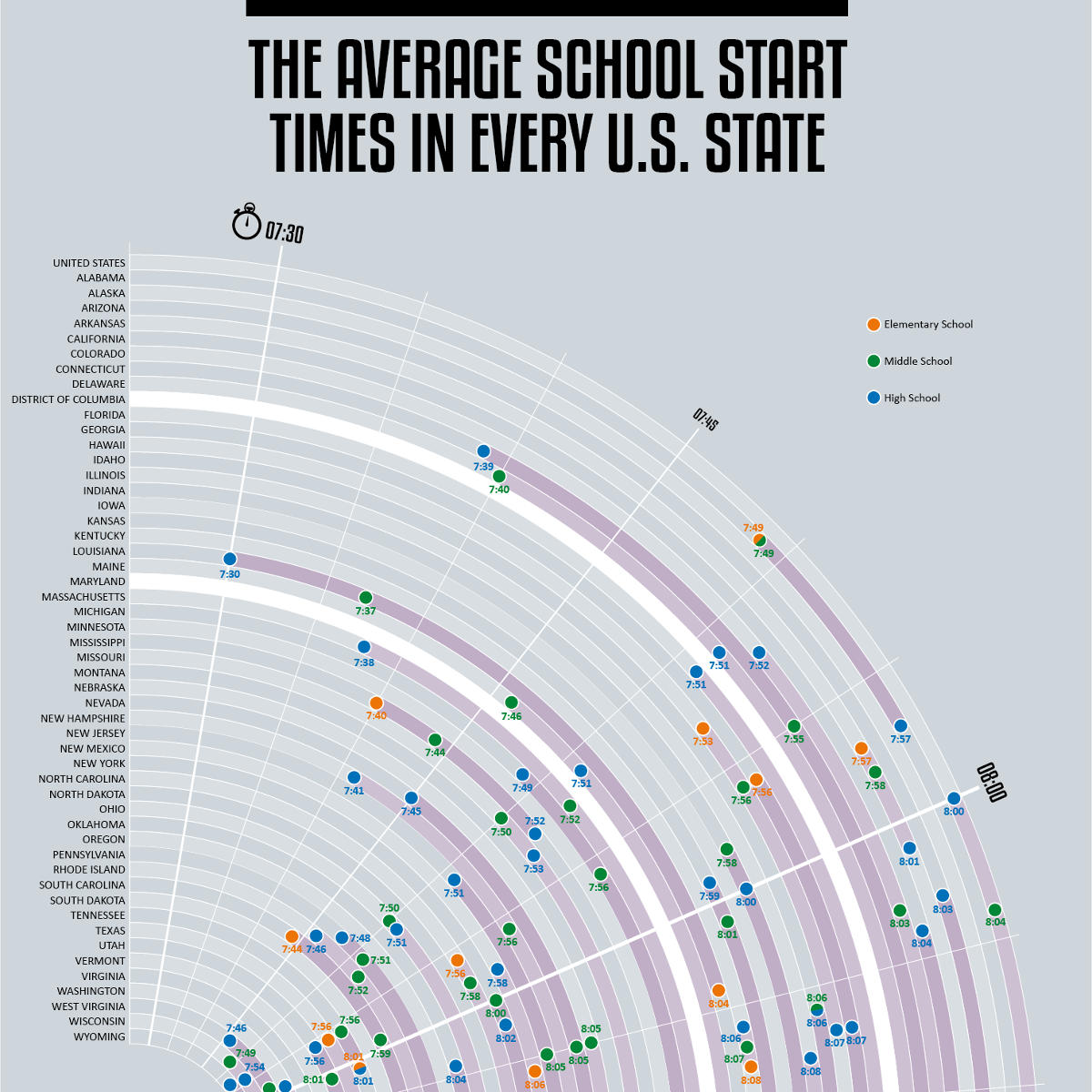
The Central Florida region, anchored by Orlando, is a prime example where school schedules intersect heavily with tourism. Orange County Public Schools, one of the largest districts in the nation, serves the heart of this tourist mecca. Historically, high schools in this area often started quite early, around 7:20 AM, with middle schools slightly later (e.g., 9:30 AM) and elementary schools in between (e.g., 8:45 AM). However, recent legislative changes aiming to push high school start times later have begun to reshape these schedules. This means morning traffic, particularly on major arteries leading to the theme parks and downtown Orlando, can be substantial during school commute hours. Tourists staying off-site from resorts and relying on rental cars will especially feel this impact.
South Florida (Miami-Dade, Broward)
In South Florida, the densely populated urban and suburban sprawl of Miami-Dade County Public Schools and Broward County Public Schools creates its own set of traffic challenges influenced by school schedules. Miami-Dade and Broward districts are massive, serving millions of residents. Historically, early high school start times (some beginning before 7:00 AM) contributed to very early morning rush hours in these regions, impacting commutes to business districts, ports, and airports like Miami International Airport. Elementary and middle school times are often staggered, typically starting between 8:00 AM and 9:00 AM. For visitors exploring South Beach, venturing into Everglades National Park, or heading to the Florida Keys, being mindful of these urban school-time surges is crucial for smooth travel.
The Gulf Coast (Tampa Bay, Southwest Florida)
Along Florida’s Gulf Coast, regions like Tampa Bay (served by Hillsborough County Public Schools and Pinellas County Schools) and Southwest Florida (including Sarasota and Naples) also experience significant traffic shifts due to school operations. Tampa and St. Petersburg are major urban centers with substantial school populations. While specific times vary, the general principle of staggered starts and corresponding traffic peaks applies. In areas like Sarasota, which balances tourist attractions with a strong residential community, school rush hours can affect routes to popular beaches like Siesta Key or downtown attractions. Tourists visiting these areas should factor in potential delays, particularly if their accommodations are in residential neighborhoods.
Practical Tips for Tourists Regarding School Schedules
Understanding Florida’s varied school start times isn’t just an exercise in local culture; it’s a practical tool for optimizing your travel experience. By incorporating this knowledge into your trip planning, you can navigate the state more efficiently, avoid unnecessary stress, and even discover new ways to enjoy the local environment.
Utilize Navigation Apps Smartly
Modern navigation apps like Google Maps or Waze are invaluable tools for real-time traffic updates. When planning your daily excursions, especially during weekday mornings and afternoons, always consult these apps. They typically factor in school-related congestion, allowing you to choose alternative routes or adjust your departure times to avoid the worst of the rush. Pay particular attention to routes that pass through residential areas or near known school zones.
Consider Off-Peak Travel
To bypass the bulk of school-related traffic, aim to schedule your longer drives or visits to popular attractions either before the morning rush (e.g., departing before 7:00 AM) or after it has fully subsided (e.g., after 9:00 AM). Similarly, for afternoon travel, try to complete your journeys before the schools let out, usually around 2:00 PM, or delay them until after 4:30 PM. This strategy can significantly reduce your time spent in traffic and enhance your overall travel enjoyment.
Embrace Local Life
Instead of solely viewing school schedules as a potential inconvenience, embrace them as a part of Florida’s local charm. Take the opportunity to visit local parks, community centers, or smaller museums during school hours when they might be less crowded. Consider dining at local cafes or restaurants in residential areas during the quiet mid-morning or mid-afternoon periods, offering a more relaxed atmosphere and a chance to observe daily life without the hustle and bustle.
Research Specific Districts
If you plan an extended stay, are visiting specific communities, or have a particular interest (e.g., connecting with local volunteer opportunities), it’s highly recommended to briefly check the website of the local school district for precise bell times. A quick search for “[County Name] Public Schools” will typically lead you to their official site, where detailed schedules are usually published under sections like “Calendars” or “Departments.” This targeted research can provide the most accurate and up-to-date information for your specific needs.
The Broader Context: School Start Times and Community Well-being
The question of when school starts in Florida extends beyond mere logistics, touching upon significant social and health considerations that shape local culture and policy. While tourists primarily encounter the logistical impacts, understanding these broader discussions enriches one’s appreciation of the community they are visiting.
Debates on Adolescent Sleep and Performance
For years, there has been a national and statewide debate about the optimal start times for high school students. Medical research strongly suggests that adolescents require later wake-up times for adequate sleep, which positively impacts their physical and mental health, academic performance, and safety. Recognizing this, Florida recently passed legislation (Florida Statute 1003.41) mandating that public high schools cannot start before 8:30 AM and middle schools cannot start before 8:00 AM, beginning in the 2026-2027 school year. This significant policy shift reflects a community-wide effort to prioritize student well-being and will undoubtedly reshape traffic patterns and daily rhythms across the state in the coming years. For a tourist, observing the effects of these changes (even as they are being implemented) offers a dynamic glimpse into Florida’s ongoing evolution.

Economic and Social Impacts
The timing of school days also has substantial economic and social ramifications for communities. Staggered start times impact parents’ work schedules, childcare arrangements, and the operational hours of local businesses. For example, early elementary school dismissals can necessitate after-school care solutions, creating jobs and impacting family budgets. The new later high school start times, while beneficial for students, will require districts to re-evaluate busing routes and potentially impact after-school sports and extracurricular activities. These ripple effects are part of the daily lifeblood of Florida’s towns and cities, influencing everything from local employment to the availability of community programs, contributing to the unique flavor and challenges of each locale.
Ultimately, the exact time school starts in Florida is not a static number, but a dynamic reflection of local governance, logistical necessities, and evolving social priorities. For the astute traveler, this seemingly minor detail offers a fascinating window into the local culture, providing invaluable insights for navigating the state’s vibrant communities. By understanding these rhythms, tourists can not only avoid traffic snarls but also gain a deeper, more authentic connection to the Sunshine State, moving beyond the well-trodden tourist paths to appreciate the everyday life that makes Florida truly unique.
LifeOutOfTheBox is a participant in the Amazon Services LLC Associates Program, an affiliate advertising program designed to provide a means for sites to earn advertising fees by advertising and linking to Amazon.com. Amazon, the Amazon logo, AmazonSupply, and the AmazonSupply logo are trademarks of Amazon.com, Inc. or its affiliates. As an Amazon Associate we earn affiliate commissions from qualifying purchases.