
For travelers exploring the vast and vibrant landscapes of the Lone Star State, understanding local customs and regulations is key to a smooth and enjoyable experience. Among the many unique aspects of Texas culture, its alcohol laws, particularly concerning beer sales, often pique the interest of visitors. Whether you’re planning a lively night out in Austin, a laid-back evening by the coast in Galveston, or simply grabbing some brews for a picnic in a Texas state park, knowing the “last call” for beer can significantly shape your travel plans and overall enjoyment.
Texas has a rich and complex history with alcohol, influenced by everything from its frontier days to Prohibition and its enduring legacy. Today, the sale of alcoholic beverages is governed primarily by the Texas Alcoholic Beverage Commission (TABC), but local ordinances also play a crucial role, creating a patchwork of regulations across its 254 counties. This guide aims to demystify these rules, providing clarity for tourists, prospective residents, and anyone looking to navigate the spirited side of Texas with ease.
Navigating Texas Alcohol Laws: A Traveler’s Guide
The core of Texas alcohol laws revolves around two main distinctions: where alcohol is sold (on-premise vs. off-premise) and the day of the week. These distinctions determine not only the types of beverages available but also the crucial cut-off times for their sale. For visitors, understanding these nuances is essential for planning anything from a casual dinner with drinks to a vibrant night out experiencing the local nightlife.
Understanding On-Premise vs. Off-Premise Sales
On-premise sales refer to establishments where alcohol is consumed on the premises, such as bars, restaurants, pubs, and live music venues. These are the places where you’d typically order a cold beer with your meal or enjoy a drink while watching a band. The regulations for on-premise sales are generally more consistent across the state, though local variations can still exist.
- Standard Weekday and Saturday Hours: For most of Texas, establishments licensed to sell alcohol for on-premise consumption can do so from 7:00 AM to Midnight (12:00 AM) on weekdays (Monday through Friday) and Saturdays.
- Late Hours (Extended Hours Permit): In many areas, particularly in major metropolitan areas like Dallas, Houston, San Antonio, and Austin, bars and restaurants often hold an extended hours permit. This permit allows them to sell alcohol until 2:00 AM on any day of the week. This is a common feature of nightlife districts and is often assumed in urban centers, but it’s always good to confirm if you’re venturing into a less familiar area.
- Sunday Hours: This is where things traditionally got a bit more complicated due to historical “blue laws.” However, recent changes have made Sundays more consistent with other days. Establishments with an extended hours permit can generally sell alcohol until 2:00 AM on Sunday mornings (i.e., Saturday night into Sunday morning). For Sunday daytime sales, on-premise sales are permitted from 10:00 AM to Midnight (12:00 AM). If the establishment serves food, they can start selling alcohol as early as 10:00 AM on Sunday.
Off-premise sales involve the sale of alcohol meant to be consumed elsewhere, such as grocery stores, convenience stores, liquor stores, and gas stations. These are the places you’d go to pick up a six-pack for your hotel room, a picnic, or a gathering.
- Beer and Wine (Grocery/Convenience Stores):
- Monday – Friday: You can purchase beer and wine from 7:00 AM to Midnight (12:00 AM).
- Saturday: Sales are permitted from 7:00 AM to 1:00 AM (the following Sunday morning).
- Sunday: Sales begin at 10:00 AM and conclude at Midnight (12:00 AM).
This means you can generally stock up on beer and wine for your Sunday afternoon plans, but you’ll have to wait until late morning.
- Liquor (Distilled Spirits – Liquor Stores):
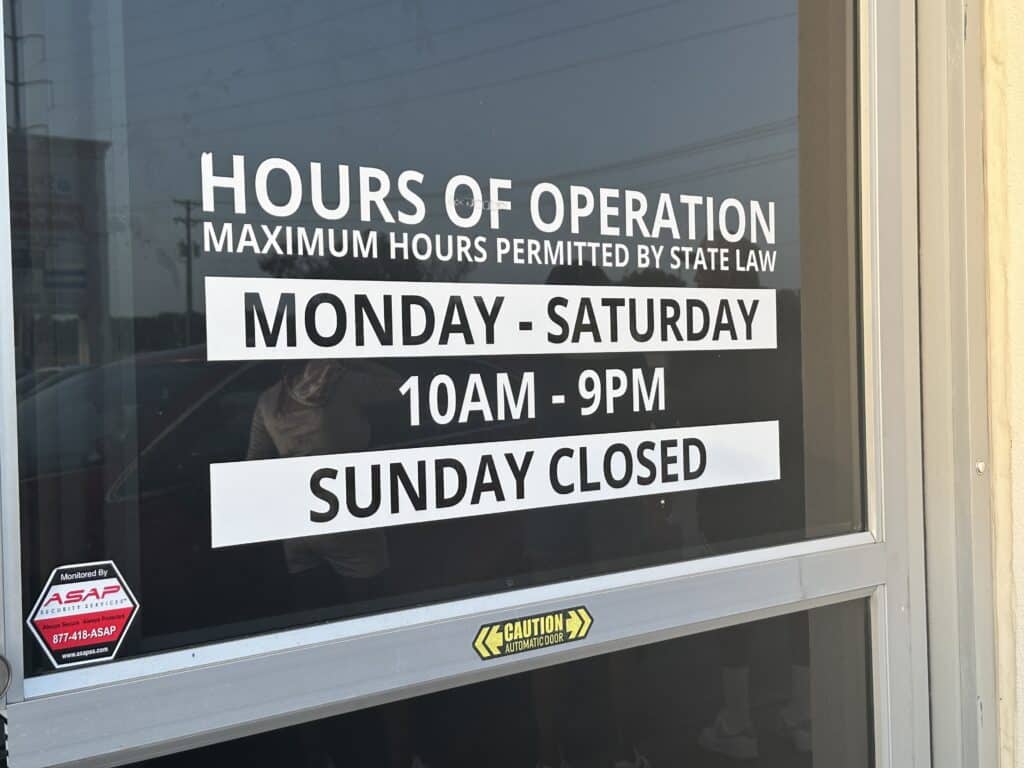
- Monday – Saturday: Liquor stores operate on much more restricted hours. They can sell distilled spirits from 10:00 AM to 9:00 PM.
- Sunday: Liquor stores are closed all day.
- Holidays: Liquor stores are also closed on New Year’s Day, Thanksgiving Day, and Christmas Day. If any of these holidays fall on a Sunday, they are closed the following Monday as well. This is a crucial point for travelers planning holiday visits, as advanced preparation is necessary for purchasing spirits.
The Sunday “Blue Law” and Its Evolution
Historically, Texas, like many other states, had strict “blue laws” that significantly restricted commercial activities, including alcohol sales, on Sundays. These laws were rooted in religious observances and aimed to maintain a sense of solemnity on the Sabbath. For decades, it was famously difficult to buy anything stronger than beer on a Sunday morning, and even beer sales were heavily restricted.
However, Texas has gradually relaxed these laws, reflecting changing societal norms and the demands of a modern economy and tourism industry. The most significant recent change came in 2021, when the bill HB 1545 was signed into law, allowing beer and wine sales to begin at 10:00 AM on Sundays at grocery and convenience stores. Prior to this, sales couldn’t begin until Noon, leading to a scramble for many weekend brunch plans or football watch parties. This legislative change was a welcome relief for many, making Sunday alcohol purchases more convenient and bringing Texas more in line with many other states.
Despite these changes, the fundamental distinction between beer/wine and distilled spirits remains, particularly concerning Sunday sales and liquor store hours. These historical roots still influence the regulatory landscape today, making it important for visitors to be aware of the specific rules depending on what they intend to purchase.
Planning Your Texas Trip: Nightlife, Dining, and Relaxation
Understanding Texas’s alcohol laws is more than just knowing a few cut-off times; it’s about enhancing your travel experience. These regulations influence everything from where you choose to stay to how you plan your evenings, ensuring you can fully immerse yourself in the local culture without unexpected surprises.
Big City Buzz: Austin, Dallas, Houston, and San Antonio
Texas’s major cities offer diverse experiences, each with its own vibrant nightlife and culinary scene. In these urban hubs, extended-hours permits are common, meaning you can generally expect bars and many restaurants to serve alcohol until 2:00 AM.
- Austin: Known as the “Live Music Capital of the World,” Austin’s Sixth Street, Rainey Street, and South Congress Avenue are teeming with bars, music venues, and eateries that embrace the late-night culture. You can easily find beer, wine, and spirits flowing until 2:00 AM most nights. Many hotels in Austin also feature their own bars or lounges, offering convenient late-night options for guests.
- Dallas: From the historic entertainment district of Deep Ellum to the upscale bars of Uptown Dallas, Dallas offers a sophisticated and energetic nightlife. Like Austin, 2:00 AM last calls are standard in most entertainment zones. The city’s extensive array of hotels, from luxury resorts to boutique accommodations, often feature excellent on-site bars. Nearby Fort Worth, with its Western heritage, also boasts lively saloons and steakhouses where the drinks flow late.
- Houston: As a sprawling metropolis, Houston has numerous districts for nightlife, including Midtown, Montrose, and the Washington Avenue Corridor. You’ll find a diverse range of bars, clubs, and restaurants offering late-night service until 2:00 AM. Many Houston hotels cater to both business and leisure travelers with comprehensive amenities, including convenient bar service.
- San Antonio: Famous for the historic Alamo and its picturesque Riverwalk, San Antonio offers a charming and vibrant atmosphere. The Riverwalk itself is lined with restaurants and bars where you can enjoy a drink until 2:00 AM. The city’s unique blend of history and hospitality makes for memorable evenings. Many of the boutique hotels along the Riverwalk provide easy access to these late-night dining and drinking options.
When planning your itinerary in these cities, always consider checking the specific hours of establishments you plan to visit, especially if you’re traveling during holidays or less busy times, as some venues might adjust their hours based on demand.
Exploring Craft Breweries and Local Haunts
Beyond the bustling city centers, Texas is home to a thriving craft beer scene, with breweries popping up in smaller towns and industrial districts alike. These breweries often have their own taprooms, offering unique local brews and a more relaxed atmosphere.
- Brewery Taprooms: Most brewery taprooms operate under the same on-premise licensing rules as bars and restaurants. This means you can typically enjoy their craft beers until Midnight or 2:00 AM if they have an extended permit, often depending on their location and specific licensing. Many breweries also offer “to-go” sales of their packaged products (cans, bottles), adhering to the off-premise beer/wine sales hours.
- Wineries in the Texas Hill Country: While primarily focused on wine, many wineries offer beer options. Wineries, like breweries, typically adhere to on-premise hours for their tasting rooms. The Texas Hill Country is a premier destination for wine lovers, with numerous vineyards offering tastings and tours. These establishments generally operate during daytime and early evening hours, usually closing around 6:00 PM or 7:00 PM, though some might offer special evening events.
- Local Festivals and Events: Texas hosts countless festivals and events throughout the year, many of which feature beer and wine gardens. Alcohol sales at these events are governed by special permits, often allowing sales until late in the evening, typically aligning with the event’s closing time or a standard 2:00 AM last call.
Integrating visits to local breweries or wineries into your travel plans offers a unique taste of Texas culture and provides an excellent opportunity to discover regional specialties. Remember to check their individual operating hours, especially if you’re traveling during peak season or a local event.
Beyond Beer: Wine, Spirits, and Local Flavors
While this article focuses on beer sales, it’s important to touch upon the broader context of alcohol sales in Texas, including wine and spirits, as these regulations can also impact a traveler’s experience.
The Texas Hill Country Wine Scene
The Texas Hill Country has emerged as one of the country’s most significant wine regions, boasting a stunning landscape dotted with vineyards and tasting rooms. Visitors can spend days exploring the diverse offerings, from robust reds to crisp whites.
- Winery Hours: As mentioned, most wineries operate during standard daytime hours, typically closing in the early evening. This is important to note if you plan to enjoy a sunset tasting, as you might need to find a restaurant or bar with a wine list for later in the evening. Many wineries offer food pairings and beautiful settings, making them perfect for daytime excursions.
- Purchasing Wine to Go: Wineries are typically allowed to sell their own products directly to consumers for off-premise consumption during their operating hours. Beyond that, packaged wine can be purchased at grocery and convenience stores under the same hours as beer: until Midnight (12:00 AM) on weekdays and Sundays, and until 1:00 AM on Saturdays.
Spirits: The Strictest Regulations
Spirits in Texas face the most stringent sales regulations, primarily due to the state’s historical and ongoing “three-tier system” and blue laws related to hard alcohol.
- Liquor Stores Only: Distilled spirits (like whiskey, vodka, tequila, rum) can only be purchased from dedicated liquor stores. They cannot be sold in grocery stores or convenience stores, a significant distinction from many other states.
- Limited Hours: As detailed earlier, liquor stores are open from 10:00 AM to 9:00 PM, Monday through Saturday, and are closed entirely on Sundays and major holidays. This often catches out-of-state visitors by surprise.
- Impact on Travel: If you plan to stock up on spirits for your trip, whether for a cabin rental in Big Bend National Park or a long-term stay in a Dallas apartment, it is crucial to plan your purchases well in advance and keep these restricted hours and Sunday closures in mind. There are no exceptions for last-minute purchases on a Sunday.
Responsible Enjoyment and Local Etiquette
Regardless of whether you’re enjoying a craft beer in Austin or a fine wine in the Texas Hill Country, responsible consumption is always paramount.
- Designated Driver/Ride-Sharing: Texas has strict drunk driving laws. Always plan for a designated driver or utilize ride-sharing services like Uber or Lyft, which are widely available in urban and even some rural areas.
- Public Consumption: Open container laws generally prohibit consuming alcohol in public places, including streets, sidewalks, and parks, unless specifically permitted by local ordinance (e.g., at a festival or designated entertainment district). Always be mindful of local rules, especially in tourist areas.
- Minimum Drinking Age: The legal drinking age in Texas, as across the United States, is 21. Expect to be asked for identification, even if you appear to be well over the age limit.
Essential Tips for Visitors to the Lone Star State
Navigating the nuances of alcohol sales in Texas doesn’t have to be complicated. With a few key tips, you can ensure your trip is enjoyable and free of any unexpected alcohol-related hiccups.
Always Check Local Ordinances
While the TABC sets statewide regulations, individual counties and cities in Texas can still have local control over alcohol sales. Texas is known for its “wet” and “dry” counties, or even “partially dry” areas where only certain types of alcohol can be sold, or only certain types of establishments are licensed.
- “Dry” Counties: A handful of counties in Texas remain entirely “dry,” meaning the sale of any alcohol is prohibited. Others are “partially dry,” where beer and wine might be sold, but spirits are not. While most major tourist destinations are “wet,” it’s worth a quick check if you’re venturing into very rural areas or smaller towns. A quick online search for “[county name] alcohol laws” will usually provide the necessary information.
- Micro-distinctions: Even within “wet” counties, specific precincts or neighborhoods might have local restrictions. For example, some areas might allow on-premise sales but restrict off-premise sales. These are less common in tourist-heavy zones but can exist.
Stay Informed, Stay Safe
Being informed about Texas’s alcohol laws is part of being a savvy traveler. It allows you to plan your evenings, choose your accommodations wisely, and partake in the local culture without any last-minute inconveniences.
- Plan Ahead for Sundays and Holidays: If you arrive on a Sunday or a major holiday and intend to purchase spirits, remember that liquor stores will be closed. Plan to make those purchases on Saturday or the day before the holiday.
- Hotel Mini-bars: Many hotels, especially those in larger cities like El Paso or Corpus Christi, offer mini-bar services or hotel bars. These typically operate under the hotel’s on-premise license, providing a convenient option for guests, often until 2:00 AM in areas with extended permits.
- Know Your Limits: Enjoy the vibrant social scene of Texas responsibly. Always know your personal limits and ensure you have a safe way to get back to your hotel or accommodation.
From the bustling streets of Houston to the serene landscapes near Guadalupe Mountains National Park or the historic charm of Waco, Texas offers an incredible array of experiences. Understanding the local rules, including when you can grab a cold beer, is just another step in making your journey through the Lone Star State as smooth, enjoyable, and memorable as possible. So, go ahead, explore, savor the flavors, and raise a glass – responsibly – to the adventure that awaits!
LifeOutOfTheBox is a participant in the Amazon Services LLC Associates Program, an affiliate advertising program designed to provide a means for sites to earn advertising fees by advertising and linking to Amazon.com. Amazon, the Amazon logo, AmazonSupply, and the AmazonSupply logo are trademarks of Amazon.com, Inc. or its affiliates. As an Amazon Associate we earn affiliate commissions from qualifying purchases.