
Orlando, Florida, often dubbed “The Theme Park Capital of the World,” is a destination that operates on multiple timescales. Beyond the literal answer to “What time is it?”, understanding Orlando’s relationship with time unlocks the secrets to an unforgettable travel experience. From the precise moment on the clock that governs ride queues and showtimes to the optimal seasons for visiting and the historical evolution that shaped this vibrant city, every aspect of time plays a crucial role in the Orlando narrative. For those planning a getaway, whether seeking thrilling attractions, luxurious accommodation, or immersive cultural tourism, grasping the nuances of time in Orlando is paramount. This guide will delve into not just the current hour but also the best times to visit, how to optimize your daily itinerary, and the timeless appeal that keeps visitors returning year after year.
Navigating Orlando’s Time Zone: EST/EDT Explained
Let’s begin with the most direct answer to the question: Orlando, Florida, observes the Eastern Time Zone. This means it adheres to Eastern Standard Time (EST) during the winter months and switches to Eastern Daylight Time (EDT) during the spring, summer, and fall.
- Eastern Standard Time (EST): UTC-5 hours. This is observed from the first Sunday in November to the second Sunday in March.
- Eastern Daylight Time (EDT): UTC-4 hours. This is observed from the second Sunday in March to the first Sunday in November.
The transition to Daylight Saving Time in mid-March, where clocks “spring forward” an hour, and the return to standard time in early November, when clocks “fall back,” are important considerations for travelers. For those arriving from different time zones, especially international visitors, understanding this shift is vital for planning arrivals, departures, and ensuring you don’t miss that early morning park opening or an important dinner reservation. Orlando’s theme parks and attractions operate strictly by the clock, with intricate schedules for shows, parades, and ride queue closures. Synchronizing your internal clock with Orlando’s local time is the first step toward a seamless vacation, minimizing the effects of jet lag and maximizing your precious vacation hours. Many resorts and hotels in the area provide clocks set to local time and offer gentle reminders about upcoming time changes, ensuring guests are always on schedule.
The Best Time to Visit Orlando: A Seasonal Guide
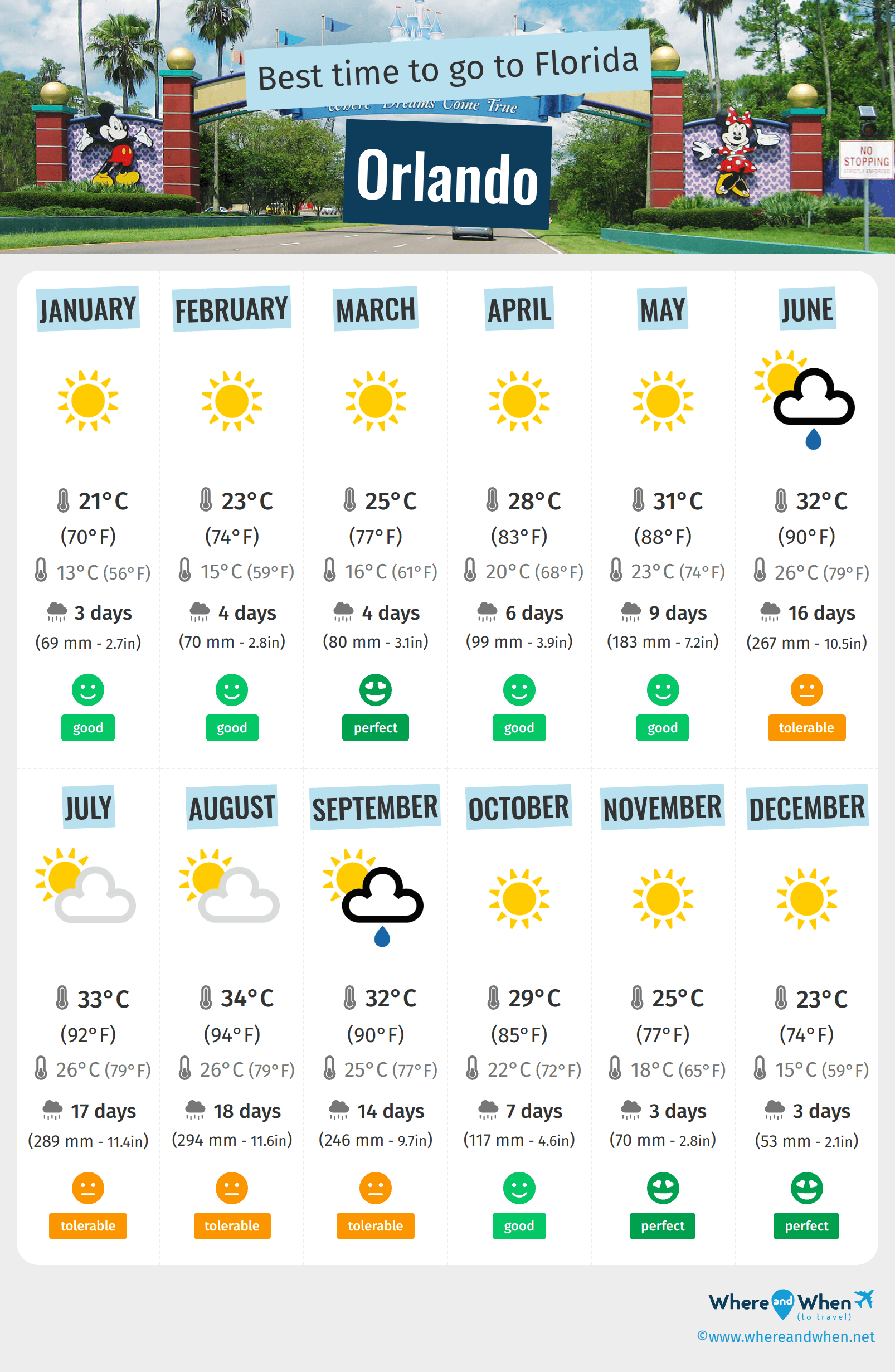
While Orlando is a year-round destination, the “best time” to visit largely depends on your priorities, whether that’s weather, crowd levels, special events, or budget. Each season offers a distinct experience, influencing everything from hotel prices to the optimal way to enjoy the myriad attractions. Understanding these seasonal rhythms is key to planning your perfect Orlando getaway.
Winter Wonderland (December – February)
Orlando during winter is a popular escape from colder climates, offering pleasantly mild temperatures (averaging 60s-70s°F / 15-25°C) and relatively low humidity. This is an ideal time for those who prefer to explore theme parks without the intense heat and humidity of summer. However, these comfortable conditions coincide with peak holiday season crowds in December and January, particularly around Christmas, New Year’s, and school breaks. The city is adorned with festive decorations, and both Walt Disney World Resort and Universal Orlando Resort host special holiday events like Mickey’s Very Merry Christmas Party and Grinchmas. February often sees a slight dip in crowds before the spring break rush, making it a sweet spot for many. Major Epcot festivals, such as the Epcot International Festival of the Arts, also add to the allure. Accommodation during this period, especially in popular resorts, tends to be at its highest, so booking well in advance is highly recommended.
Spring Break & Blossoms (March – May)
Spring in Orlando brings warmer temperatures (70s-80s°F / 20-30°C) and beautiful sunny days, making it excellent weather for outdoor attractions. This period, however, is synonymous with spring break for many schools and universities, leading to significant crowd surges, particularly from mid-March through April. May typically sees slightly fewer crowds, especially towards the latter half, before the summer rush truly begins. The Epcot International Flower & Garden Festival transforms the park into a vibrant tapestry of flora, while Universal Studios Florida celebrates with its lively Mardi Gras at Universal Studios parade and concerts. While park tickets and flights can be pricey due to demand, smart hotel booking, perhaps exploring villas or off-site hotels, can help manage costs. This season is perfect for families and couples looking for vibrant atmosphere and pleasant weather, provided they are prepared for the crowds.
Summer Sizzle & Theme Park Thrills (June – August)
Summer in Orlando is characterized by hot, humid weather (high 80s-90s°F / 30-35°C) and daily afternoon thunderstorms. Despite the heat, this is peak family travel season, with school holidays driving massive crowds to the theme parks. Parks often extend their operating hours, offering more time to enjoy rides and shows. This is undoubtedly the best time to take advantage of Orlando’s incredible water parks like Disney’s Typhoon Lagoon, Disney’s Blizzard Beach, and Universal’s Volcano Bay as a refreshing escape from the heat. Despite the crowds and weather, the energy is electric, and the long daylight hours allow for extended fun. For budget travelers, summer can sometimes offer better deals on accommodation outside the immediate park vicinity, though flight prices remain high. Staying at a resort with excellent pool facilities and early park access can significantly enhance the summer experience.
Fall Festivals & Fewer Crowds (September – November)
Many seasoned Orlando visitors consider fall the “sweet spot” for a trip. After the summer rush, crowds diminish significantly, particularly in September and early November, leading to shorter wait times and often lower accommodation rates. The weather remains warm but starts to cool down, offering a pleasant transition (70s-80s°F / 20-30°C). This season is renowned for its incredible special events, primarily focused on Halloween and food. Universal Orlando Resort hosts the wildly popular and terrifying Halloween Horror Nights, while Walt Disney World Resort offers the family-friendly Mickey’s Not-So-Scary Halloween Party. Epcot’s International Food & Wine Festival is a major draw for foodies, showcasing global culinary delights. Excluding the week of Thanksgiving, which brings a surge in crowds, fall offers the best balance of pleasant weather, manageable crowds, and unique seasonal tourism experiences, making it an ideal choice for both luxury travel and budget travel enthusiasts.
Optimizing Your Orlando Day: Making Every Moment Count
Beyond which month to visit, how you structure your day in Orlando can drastically impact your enjoyment. With so much to see and do, from world-class theme parks to vibrant nightlife, strategic planning around the clock is essential. Every minute can be leveraged to enhance your experience, whether you’re a family with young children, a couple seeking romance, or a business traveler fitting in some leisure.
Morning Magic: Early Bird Advantages
The early bird truly catches the worm in Orlando. Arriving at the theme parks before or right at “rope drop” (opening time) is one of the most effective strategies to beat the crowds and experience popular attractions with minimal wait times. For example, heading straight to Seven Dwarfs Mine Train in Magic Kingdom or Hagrid’s Magical Creatures Motorbike Adventure at Universal’s Islands of Adventure can save you hours of waiting later in the day. Many resorts offer early entry benefits, allowing guests to enter parks before the general public – a perk well worth considering when booking accommodation. Mornings also offer cooler temperatures, making it a perfect time for outdoor activities, photo opportunities with characters, and enjoying a quiet breakfast before the bustling crowds fully arrive.
Afternoon Adventures: From Parks to Relaxation
As the afternoon rolls in, crowds typically swell, and temperatures rise. This is an opportune time to either seek out indoor shows and air-conditioned attractions or, better yet, escape the parks entirely for a rejuvenating break. Many visitors choose to return to their hotel or villa for a swim, a nap, or a leisurely lunch. Taking a mid-day break is particularly beneficial for families with young children or anyone needing to recharge before the evening’s festivities. Alternatively, explore other Orlando landmarks and activities that are less crowd-dependent, such as shopping at Disney Springs or Universal CityWalk, visiting ICON Park for a ride on The Wheel, or exploring the tranquility of Lake Eola Park downtown. This flexible approach allows you to avoid peak crowds and heat, ensuring a more pleasant and relaxed afternoon.
Evening Enchantment: Dining, Shows, and Nightlife
Orlando truly comes alive as the sun sets. Evenings are perfect for enjoying cooler temperatures, spectacular nighttime shows, and world-class dining experiences. Iconic fireworks displays like Happily Ever After at Magic Kingdom or Harmonious at Epcot are unforgettable experiences that cap off a day at the parks. Outside the theme parks, Disney Springs and Universal CityWalk offer a plethora of restaurants, live entertainment, and shopping opportunities, catering to various lifestyle preferences, from casual family meals to upscale luxury travel dining. For adults, downtown Orlando boasts a vibrant nightlife scene with bars and clubs. Booking dinner reservations in advance, especially for popular restaurants, is highly recommended to secure your spot. This final stretch of the day is often when some of the most magical memories are made, highlighting the city’s diverse offerings beyond just rides and characters.
Beyond the Clock: Orlando’s Timeless Allure and Future
The concept of “time” in Orlando extends beyond mere scheduling; it encompasses the city’s rich history, its remarkable transformation, and its continuous evolution as a global tourism powerhouse. Understanding this broader timeline provides a deeper appreciation for this unique destination.
A Legacy of Entertainment and Innovation
Orlando’s history is a testament to vision and ambition. Once primarily an agricultural hub known for its citrus groves, the city’s destiny fundamentally shifted with the arrival of Walt Disney’s ambitious vision in the 1960s. The opening of Walt Disney World Resort in 1971 marked a pivotal moment, transforming the sleepy central Florida region into the epicenter of immersive entertainment. This groundbreaking development spurred rapid growth, attracting other major players like Universal Orlando Resort and countless other attractions such as SeaWorld Orlando, LEGOLAND Florida, and Gatorland. The city’s growth was not just in theme parks but also in infrastructure, accommodation options ranging from sprawling resorts and budget hotels to private villas, and a vibrant local culture. Orlando’s landmarks today are a blend of natural beauty, like Lake Eola Park, and man-made marvels, reflecting its journey from a quiet town to a global icon of happiness and innovation. The nearby Kennedy Space Center Visitor Complex further underscores Florida’s role in pioneering human achievement, offering a different kind of “time travel” through space exploration history.
The Future: What’s Next for the Theme Park Capital?
Orlando is a city that never stands still, constantly innovating and expanding its offerings. The future promises even more thrilling experiences and enhanced visitor services. A significant development on the horizon is Universal’s new Epic Universe theme park, set to open in 2025, which will introduce entirely new immersive worlds and cutting-edge attractions. This expansion will further solidify Orlando’s position as a premier global travel destination. Beyond the major parks, there’s a growing emphasis on sustainable tourism, integrating eco-friendly practices into resorts and attractions, and diversifying the visitor experience to include more local culture, food scenes, and outdoor adventures beyond the traditional theme parks. The continuous investment in infrastructure, new hotels, and evolving lifestyle offerings ensures that Orlando remains relevant and exciting for generations to come, consistently offering fresh reasons for guests to return.
In conclusion, “What time is Orlando, Florida?” is a question with a multifaceted answer. It’s about the current Eastern Time Zone, the best season to experience its magic, the strategic planning of daily activities, and the timeless appeal forged by its remarkable past and promising future. Whether you’re chasing the thrill of a new ride, relaxing by a resort pool, or exploring its vibrant city life, every moment in Orlando is an opportunity for adventure. By understanding and embracing the various dimensions of time, visitors can unlock the full potential of this extraordinary destination, ensuring a truly unforgettable travel experience.
LifeOutOfTheBox is a participant in the Amazon Services LLC Associates Program, an affiliate advertising program designed to provide a means for sites to earn advertising fees by advertising and linking to Amazon.com. Amazon, the Amazon logo, AmazonSupply, and the AmazonSupply logo are trademarks of Amazon.com, Inc. or its affiliates. As an Amazon Associate we earn affiliate commissions from qualifying purchases.