
For both seasoned investors and curious travelers, the allure of Wall Street and the New York Stock Exchange (NYSE) is undeniable. Often referred to as the heart of global finance, the NYSE is a potent symbol of economic power and ambition. Understanding its operating hours is not only crucial for those engaged in financial markets but also for travelers planning a visit to New York City who wish to experience the vibrant energy of its Financial District. This comprehensive guide delves into the specifics of NYSE trading times, exploring its historical significance, what it means for global commerce, and how visitors can best immerse themselves in this iconic part of Downtown Manhattan. From planning your business trip to maximizing your tourism experience, knowing when the world’s largest stock exchange hums with activity is key.
The daily rhythm of the NYSE dictates much of the financial world’s pulse. For international travelers, understanding these hours can inform everything from meeting schedules to leisure activities, particularly if they are visiting New York City for business. Beyond the trading floor, the surrounding area is rich with history, architectural marvels, and a unique lifestyle that blends high finance with cultural exploration. This article will serve as your essential resource, combining practical information about the NYSE with valuable insights for travel, accommodation, and experiencing the distinct charm of one of the world’s most dynamic cities. Whether you’re a finance professional or a tourist eager to witness a piece of history, the information provided here will help you navigate your journey with confidence and make the most of your time in the bustling metropolis.

The Heartbeat of Global Finance: Understanding NYSE Trading Hours
The New York Stock Exchange operates on a schedule that has largely remained consistent for decades, providing stability and predictability to the global markets. This rhythm is fundamental to understanding the daily flow of billions of dollars in transactions and the overall health of the world economy. For anyone planning to engage with the markets or simply witness the spectacle from outside, knowing these core hours is the first step. The energy surrounding the opening and closing of the market is palpable, a truly unique experience that underscores the immense power concentrated within this historical institution. It’s a carefully choreographed daily event that has captivated observers for centuries, representing the culmination of countless hours of research, negotiation, and strategic planning from financial professionals around the globe.
Standard Operating Hours
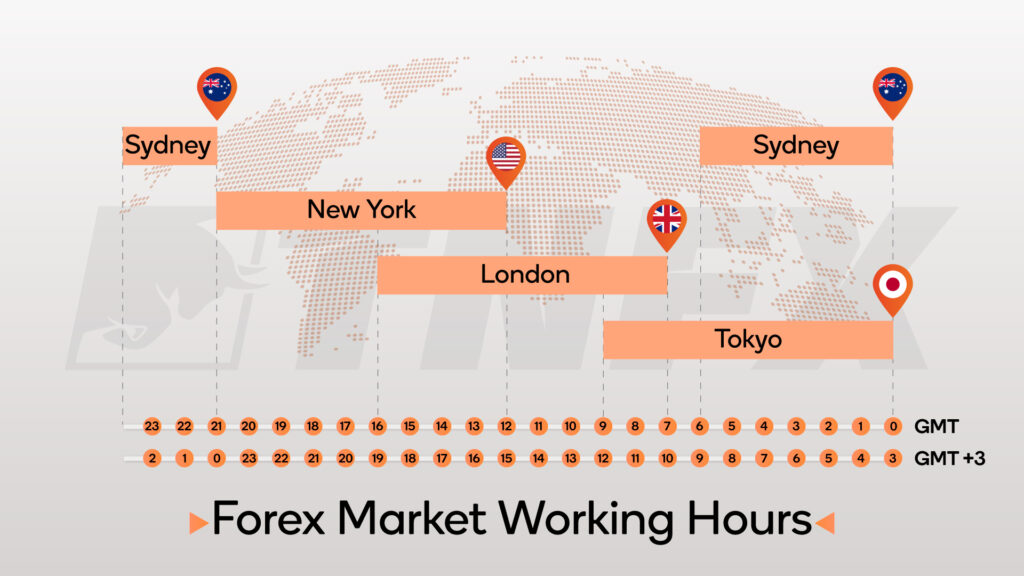
The official trading hours for the New York Stock Exchange are from 9:30 AM to 4:00 PM Eastern Time (ET), Monday through Friday. During these hours, the trading floor is active, and market participants execute trades in stocks listed on the exchange. While much of the trading today happens electronically, the physical floor retains its ceremonial significance and plays a role in certain large-block trades and market openings/closings. Beyond these standard hours, there are also pre-market and after-hours trading sessions, though these are typically less liquid and primarily used by institutional investors and high-frequency traders. Pre-market trading usually runs from 6:30 AM to 9:30 AM ET, and after-hours trading extends from 4:00 PM to 8:00 PM ET. For the average visitor or business traveler, the standard 9:30 AM to 4:00 PM window is what truly defines the “open” market, when the district buzzes with its peak activity.
Important Exceptions and Holidays
Like many major institutions, the NYSE observes several holidays throughout the year, during which the market is closed. These closures are important for travelers to note, especially if their visit to New York City revolves around business meetings or observing the financial district’s activity. Common holidays observed by the NYSE in the United States include: New Year’s Day, Martin Luther King, Jr. Day, Presidents’ Day, Good Friday, Memorial Day, Juneteenth National Independence Day, Independence Day, Labor Day, Thanksgiving Day, and Christmas Day. Additionally, the market may have early closures, such as on the day after Thanksgiving (often closing at 1:00 PM ET) or on Christmas Eve when it falls on a weekday. It’s always wise to check the official NYSE holiday schedule in advance when planning a trip to avoid disappointment, especially for those hoping to soak in the trading floor’s vibrant atmosphere. These planned breaks are essential for market participants and also offer a moment of quiet reflection in an otherwise bustling part of the city.
The Significance of Opening and Closing Bells
The ringing of the opening and closing bells at the New York Stock Exchange is more than just a formality; it’s a global spectacle. These ceremonial moments symbolize the beginning and end of each trading day and are often presided over by corporate executives, celebrities, or dignitaries. The tradition, which dates back to the late 19th century, uses a brass bell to signal the market’s activity. For tourists, witnessing the energy around the NYSE building, particularly near these times, can be an exciting experience, even if access to the trading floor itself is highly restricted. The opening bell, at precisely 9:30 AM ET, often accompanies a flurry of initial trades and media coverage, while the closing bell at 4:00 PM ET signifies the wrap-up of the day’s market activity. These bells are not just functional signals; they are iconic moments broadcast worldwide, encapsulating the drama and importance of the financial markets. For business travelers, participating in or even observing this tradition can be a memorable highlight of their New York stay, offering a glimpse into a unique aspect of corporate culture.
Experiencing Wall Street: A Traveler’s Guide to the Financial District
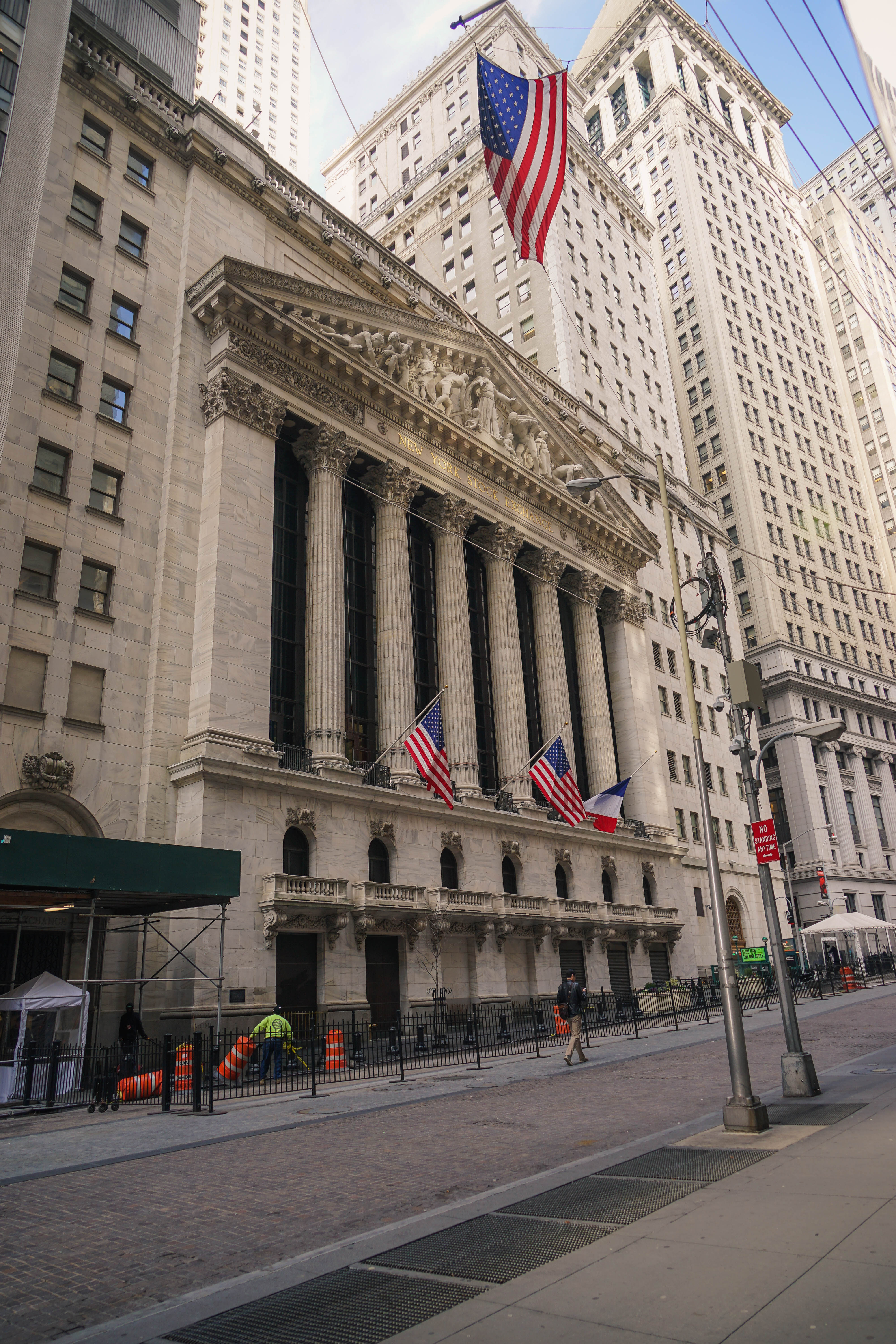
While the New York Stock Exchange building itself is not typically open for public tours, the entire Financial District offers a captivating experience for travelers. This historic neighborhood in Downtown Manhattan is a blend of soaring skyscrapers, narrow cobblestone streets, and significant historical landmarks, reflecting centuries of New York City’s evolution. For those on a business trip, integrating cultural exploration into their schedule can enrich their overall travel experience. Beyond the financial institutions, the area is ripe for discovery, offering a glimpse into the city’s past while remaining at the forefront of global innovation. Understanding the pulse of Wall Street goes beyond just market hours; it involves exploring the streets where legends were made and fortunes were won and lost, amidst architecture that tells its own stories.
Beyond the Trading Floor: Landmarks and Attractions
The Financial District is packed with iconic landmarks that appeal to history buffs, architecture enthusiasts, and casual tourists alike. Just a short walk from the NYSE building, you’ll find the famous Charging Bull sculpture, a powerful symbol of financial optimism. Nearby stands the poignant Fearless Girl statue, which has become a symbol of female empowerment in the corporate world. Federal Hall National Memorial, where George Washington was inaugurated as the first U.S. President, offers a deep dive into American history. Trinity Church, with its stunning Gothic Revival architecture and historic cemetery, provides a peaceful respite from the urban hustle.
Further south, the Statue of Liberty and Ellis Island are accessible via ferries from Battery Park, offering a profound historical experience. The solemn 9/11 Memorial & Museum stands as a powerful tribute to remembrance and resilience, adjacent to the towering One World Trade Center, which offers breathtaking panoramic views of the city. For those interested in engineering marvels, the iconic Brooklyn Bridge is also within walking distance, offering incredible views of the Manhattan skyline and the East River. Exploring these landmarks not only breaks up a business agenda but also provides a rich cultural context to the financial heart of the city, turning a simple trip into an immersive travel experience.
Planning Your Visit: Best Times and Tips
To make the most of your visit to the Financial District, timing is key. If you wish to experience the buzz of Wall Street during peak activity, visiting on a weekday between 9:30 AM and 4:00 PM ET is ideal, avoiding market holidays. The area is particularly vibrant around the opening and closing bells, offering a glimpse into the palpable energy that defines global finance. However, be prepared for crowds during these times. For a more relaxed exploration of the landmarks, consider visiting on a weekend or during off-peak hours on a weekday. The historical sites and museums will still be accessible, albeit with a different atmosphere.
Travelers should also plan for comfortable walking shoes, as many of the attractions are best explored on foot. Public transportation, including subways and buses, is highly efficient for navigating Downtown Manhattan and connecting to other parts of New York City. Utilizing walking tours can also provide deeper insights into the area’s rich history and hidden gems. Remember that security is tight around the NYSE building, so direct access is not possible for tourists. Nonetheless, the surrounding streets provide ample opportunities to observe the impressive architecture and the daily rhythm of this financial hub. Combining these practical tips with your itinerary ensures a smooth and enriching exploration of this iconic New York neighborhood.
Accommodation and Lifestyle in Financial District NYC
For travelers visiting New York City, especially those with business ties to the Financial District, choosing the right accommodation is paramount. The area offers a diverse range of hotels, from luxurious stays catering to corporate executives to more boutique options that blend historical charm with modern amenities. Beyond just a place to sleep, these accommodations often provide a gateway to the unique lifestyle of this bustling part of Manhattan, where work and leisure intertwine seamlessly. For those prioritizing convenience to Wall Street and early morning meetings, staying within the Financial District or nearby Downtown Manhattan offers an unparalleled advantage. It’s a strategic choice for maximizing both productivity and the enjoyment of New York’s vibrant atmosphere, providing a comfortable base for exploration after market hours.
Top Hotels for Business and Leisure Travelers
The Financial District and its immediate vicinity boast a superb selection of hotels catering to a wide array of preferences and budgets. For luxury travelers and business executives, establishments like the Four Seasons Hotel New York Downtown offer impeccable service, opulent rooms, and often stunning views, ideal for those seeking a high-end experience close to their meetings. The Conrad New York Downtown provides spacious all-suite accommodations with river views, perfect for longer stays or those desiring more space. The Wall Street Hotel and The Beekman, a Thompson Hotel, stand out for their blend of historical architecture and contemporary design, offering a unique and stylish stay within walking distance of many financial institutions. For those looking at other luxury options across Manhattan, iconic hotels like The Plaza Hotel, The St. Regis New York, and Mandarin Oriental, New York offer world-class amenities, though they require a short commute to the Financial District. These options ensure that every type of traveler can find a suitable home away from home while experiencing the best of New York City.
Dining and Entertainment: Post-Market Activities
After a day of navigating the financial markets or exploring the city’s landmarks, the Financial District transforms into a vibrant hub for dining and entertainment. The area offers an impressive array of culinary experiences, from high-end steakhouses favored by bankers to charming casual eateries and bustling bars. Stone Street, a historic cobblestone alley, is particularly popular, boasting a lively collection of pubs and restaurants perfect for unwinding. Fine dining establishments cater to those seeking sophisticated meals, while places like Eataly Downtown offer an extensive selection of Italian fare in a vibrant market setting.
Beyond dining, the proximity to other iconic New York City attractions means endless entertainment options. A short subway ride can take you to a Broadway show, the dazzling lights of Times Square, or the eclectic neighborhoods of Greenwich Village and SoHo for shopping and nightlife. Many hotels in the Financial District also feature their own upscale bars and restaurants, providing convenient options for guests. This blend of business-centric convenience with diverse leisure opportunities makes staying in the Financial District an appealing choice for travelers looking to balance work commitments with an enriching New York experience. It’s a testament to the city’s ability to cater to every facet of the modern traveler’s lifestyle.
Navigating New York for Business Stays
Business travel to New York City presents a unique blend of professional demands and cultural immersion. For those whose trips are centered around the New York Stock Exchange or the broader Financial District, efficient navigation and strategic planning are essential. Understanding the city’s robust public transport system, optimizing travel time between meetings, and knowing how to seamlessly transition from work to leisure can significantly enhance the overall experience. The scale and pace of New York can be intimidating, but with a few key strategies, even the busiest business traveler can enjoy a productive and fulfilling stay. It’s about leveraging the city’s infrastructure to your advantage, making every minute count whether you’re closing a deal or exploring a hidden gem.
Efficient Transportation and Time Management
New York City’s subway system is undoubtedly the most efficient way to navigate the metropolis, especially for business travelers needing to reach appointments promptly. From the Financial District, numerous subway lines connect to major business hubs like Midtown Manhattan, allowing for quick commutes. Familiarizing yourself with a subway map or using a navigation app like Google Maps or Apple Maps can save valuable time. Taxis and ride-sharing services are also readily available but can be subject to significant traffic delays, particularly during peak hours. For those flying into New York, planning airport transfers in advance is crucial. Express trains like the AirTrain JFK or Newark Liberty International Airport AirTrain offer reliable connections to the city’s subway and rail networks.
Time management extends beyond transportation. Booking restaurant reservations, particularly for business dinners, is highly recommended, as popular establishments fill up quickly. Many hotels cater to business travelers with amenities like executive lounges, high-speed internet, and concierge services that can assist with scheduling and local recommendations. By streamlining logistics, business visitors can minimize stress and maximize their productive hours, ensuring that their focus remains on their professional objectives rather than logistical hurdles. A well-planned itinerary, factoring in travel times and potential delays, is the cornerstone of a successful business trip in New York.
Maximizing Your New York City Experience: Combining Business with Leisure
A trip to New York City is rarely just about business. Even the most demanding professional schedule can accommodate moments of leisure and cultural exploration, especially when the New York Stock Exchange closes for the day. Integrating tourism into a business trip not only provides a refreshing break but also offers a deeper understanding of the city’s multifaceted identity. Life Out Of The Box encourages travelers to seek out unique experiences that blend local culture with personal interests, transforming a standard business trip into an unforgettable journey. From iconic landmarks to hidden gems, New York offers an endless array of activities to enhance any visit. It’s about finding that delicate balance where professional objectives are met, and personal enrichment is gained, making the most of every moment in this dynamic global hub.
Exploring Beyond Downtown Manhattan
While Downtown Manhattan is rich with history and financial significance, New York City offers a kaleidoscope of neighborhoods, each with its own distinct character. After market hours or on a weekend, venture uptown to explore Central Park, a sprawling urban oasis perfect for a stroll, a jog, or a carriage ride. The park is surrounded by world-class museums such as the Metropolitan Museum of Art and the American Museum of Natural History. For art lovers, the Museum of Modern Art (MoMA) in Midtown is a must-visit.
Explore the charming streets of Greenwich Village for its bohemian history, live music venues, and cozy cafes, or dive into the trendy boutiques and art galleries of SoHo. Consider crossing the bridge to Brooklyn for stunning skyline views from Brooklyn Bridge Park or to explore vibrant neighborhoods like Dumbo and Williamsburg. Even the other boroughs, Queens, The Bronx, and Staten Island, offer unique cultural experiences, dining, and attractions that showcase the true diversity of the city. These explorations offer a fantastic way to decompress and experience the true breadth of New York beyond its financial core.
Budget-Friendly vs. Luxury Experiences
New York City is renowned for catering to both the most luxurious tastes and the most budget-conscious travelers. For those seeking luxury, exclusive shopping on Fifth Avenue, Michelin-starred dining, and penthouse suites are readily available. Prestigious hotels like The Plaza Hotel or Mandarin Oriental, New York offer unparalleled service and amenities. High-end spas, private tours, and VIP access to cultural events can round out a lavish experience.
Conversely, experiencing New York on a budget is entirely possible without sacrificing quality. Many of the city’s best attractions are free, such as walking across the Brooklyn Bridge, strolling through Central Park, or exploring neighborhoods like the West Village and East Village. Affordable accommodation options include boutique hotels outside prime tourist areas, guesthouses, or even apartments booked through platforms catering to longer stays. Dining can be budget-friendly by exploring diverse food trucks, ethnic eateries, and happy hour specials. Visiting landmarks like the High Line urban park, Grand Central Terminal, or viewing the Empire State Building from street level offers iconic experiences without a hefty price tag. Whether you’re splashing out or saving pennies, New York City provides a wealth of options for every lifestyle and budget, ensuring an enriching and memorable journey for all.
LifeOutOfTheBox is a participant in the Amazon Services LLC Associates Program, an affiliate advertising program designed to provide a means for sites to earn advertising fees by advertising and linking to Amazon.com. Amazon, the Amazon logo, AmazonSupply, and the AmazonSupply logo are trademarks of Amazon.com, Inc. or its affiliates. As an Amazon Associate we earn affiliate commissions from qualifying purchases.