
The rhythmic pulse of global finance often beats strongest in the heart of New York City. For investors, traders, business professionals, and even curious travelers who find themselves in the vicinity of Wall Street, understanding the operational hours of the New York Stock Exchange (NYSE) is paramount. This iconic institution, a beacon of capitalist endeavor, operates on a strict schedule that dictates the flow of trillions of dollars each day. Knowing precisely when the market closes is not just a matter of academic interest; it can have tangible implications for making timely investment decisions, coordinating international business, or even planning a sightseeing itinerary that includes a glimpse of the financial district’s intense activity.
Understanding the NYSE Trading Schedule
The New York Stock Exchange, alongside its counterpart, the Nasdaq, forms the bedrock of the American financial landscape. Their trading hours are meticulously defined to ensure fairness, efficiency, and a consistent platform for global participants. The primary trading session, where the vast majority of transactions occur, adheres to a predictable daily rhythm.
The Standard Trading Day
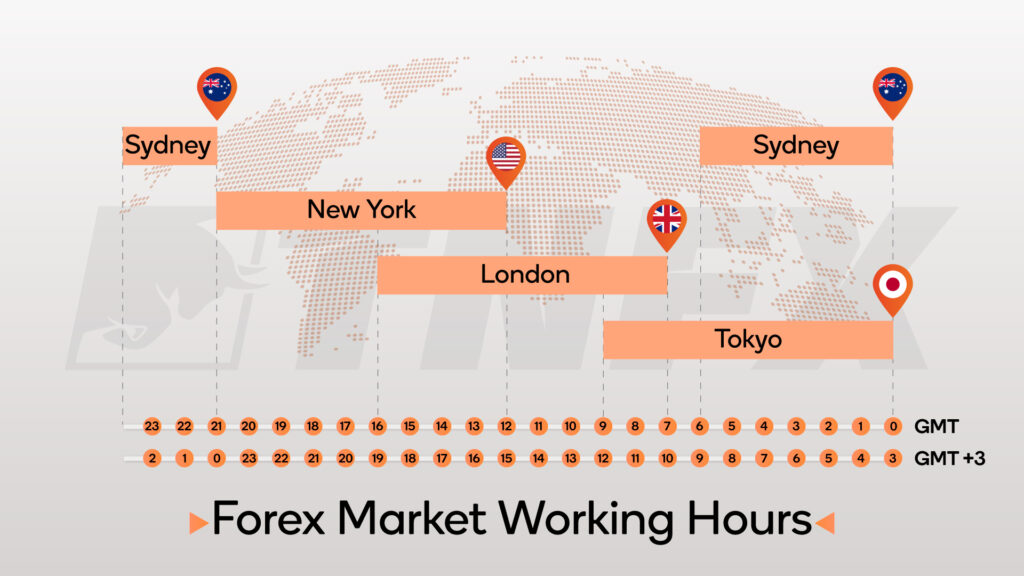
The regular trading session on the New York Stock Exchange commences at 9:30 AM Eastern Time (ET) and concludes at 4:00 PM Eastern Time (ET). This seven-and-a-half-hour window is when brokers and dealers execute trades for a wide array of securities, including stocks, bonds, and exchange-traded funds (ETFs). The opening bell at 9:30 AM marks the official start of this active period, often characterized by an initial surge in trading volume as overnight news and pre-market activity are incorporated. Conversely, the closing bell at 4:00 PM signifies the end of the continuous trading period.
Extended Trading Sessions: Before and After the Core Hours
While the 9:30 AM to 4:00 PM window represents the primary trading session, the New York Stock Exchange also facilitates trading outside of these core hours. These extended sessions are crucial for participants who need to react to global market movements, corporate announcements that occur after the close of the regular session, or to take advantage of trading opportunities that may arise before the market officially opens.
Pre-Market Trading
The pre-market trading session for the New York Stock Exchange typically begins as early as 4:00 AM Eastern Time (ET) and runs until the start of the regular session at 9:30 AM ET. During this period, trading volume is generally much lower than during regular hours, and the available securities may be more limited. However, significant news or events can lead to substantial price movements even in the pre-market. This session is particularly important for institutional investors and those managing international portfolios who need to adjust positions based on overnight developments in markets like Tokyo or London.
After-Hours Trading
Following the 4:00 PM ET closing bell, the New York Stock Exchange offers an after-hours trading session. This session usually starts at 4:00 PM ET and extends until 8:00 PM ET. Similar to pre-market trading, after-hours trading typically involves lower volume and a more restricted set of tradable securities. Nevertheless, important announcements, such as earnings reports or major corporate news, released after the market close can significantly impact stock prices during this period, requiring traders to be vigilant.
Factors Influencing Market Closing Times
While the standard closing time of 4:00 PM ET is well-established, there are specific circumstances that can lead to deviations from this schedule. These exceptions are designed to accommodate significant events and ensure the orderly functioning of the market.
Market Holidays
The New York Stock Exchange, like most financial institutions, observes a number of holidays throughout the year. On these designated holidays, the market is closed for the entire day, meaning there is no regular or extended trading. These holidays are typically aligned with federal holidays in the United States. Common examples include New Year’s Day, Martin Luther King, Jr. Day, Presidents’ Day, Good Friday, Memorial Day, Independence Day, Labor Day, Thanksgiving Day, and Christmas Day. It is crucial for anyone involved in the financial markets to be aware of these holiday closures to avoid miscalculations in trading strategies or expecting market activity when none is occurring. The NYSE also observes a holiday in observance of Christmas Eve, although the exact closing time can vary.
Early Closings
In rare instances, the New York Stock Exchange may schedule an early closing for its trading sessions. These early closings are typically announced in advance and are often scheduled on the day after Thanksgiving, also known as “Black Friday,” and on Christmas Eve, when observed. On these specific days, the market usually closes at 1:00 PM Eastern Time (ET), allowing participants to begin holiday observances earlier. These early closings are part of the exchange’s tradition and are communicated well in advance to allow market participants to adjust their trading plans accordingly.
Unforeseen Circumstances and Circuit Breakers
Beyond scheduled early closings and holidays, the New York Stock Exchange has mechanisms in place to address extreme market volatility. These are known as “circuit breakers.” While they don’t typically alter the closing time in a predictable manner, they can temporarily halt trading during the day to allow the market to cool down and prevent panic selling or buying. These halts are triggered by significant declines in major stock indices, such as the S&P 500. If a circuit breaker is triggered, trading may be suspended for a set period or, in extreme cases, for the remainder of the day. However, the primary purpose of circuit breakers is to manage intraday volatility, not to change the scheduled closing time itself. Unforeseen events, such as major natural disasters or geopolitical crises, could theoretically lead to unscheduled closures, but such occurrences are exceptionally rare and would be subject to immediate and broad communication.
Implications for Travelers and Business Professionals
Understanding the closing time of the New York Stock Exchange extends beyond the realm of active traders. For travelers visiting New York City, especially those with an interest in finance or business, knowing the market’s schedule can enrich their experience. For business professionals, particularly those working with international counterparts or managing global operations, this knowledge is critical for efficient communication and strategic planning.
Experiencing the Financial District
For tourists and visitors to New York City, a visit to the Financial District offers a unique glimpse into the engine room of global commerce. While direct access to the trading floor of the New York Stock Exchange is highly restricted, the surrounding area teems with energy. Observing the bustling crowds of traders and businesspeople as the market opens or closes can be a fascinating experience. A visit in the late afternoon, leading up to the 4:00 PM closing bell, allows one to witness the final frenetic activity of the trading day. Nearby attractions, such as the Charging Bull statue, the Federal Hall, and the 9/11 Memorial & Museum, provide a broader historical and cultural context to this powerful financial hub. Planning a walk through the district in the hours leading up to the close can offer a palpable sense of the market’s rhythm.

Coordinating International Business and Investments
The global nature of finance means that events in one market can quickly influence others. For businesses operating across different time zones, or for individuals making investments in international markets, understanding the New York Stock Exchange’s closing time is essential for effective coordination. For instance, a company in Asia might need to finalize a transaction with a New York-based firm before the NYSE closes, or an investor in Europe might be monitoring the New York market’s performance in their evening to inform their trading decisions for the next day. The after-hours trading session also plays a vital role here, allowing for some degree of flexibility in reacting to developments outside of standard business hours. Effective communication and a clear understanding of these operational windows are key to navigating the complexities of international finance and avoiding costly missteps. The closing bell at 4:00 PM ET is not merely an end to trading for the day; it’s a signal that sets the stage for global market reactions and pre-market preparations elsewhere.
LifeOutOfTheBox is a participant in the Amazon Services LLC Associates Program, an affiliate advertising program designed to provide a means for sites to earn advertising fees by advertising and linking to Amazon.com. Amazon, the Amazon logo, AmazonSupply, and the AmazonSupply logo are trademarks of Amazon.com, Inc. or its affiliates. As an Amazon Associate we earn affiliate commissions from qualifying purchases.