
Understanding the operational hours of financial markets is crucial for any traveler, especially those with an interest in finance, business, or simply grasping the rhythm of a global city. [New York] City, a titan of global commerce, hosts the New York Stock Exchange (NYSE) and Nasdaq Stock Market, two of the world’s most influential trading venues. For visitors, knowing when these iconic institutions begin their day can add a unique dimension to their exploration of the city’s financial district and its vibrant economic pulse.
The Dawn of Trading: NYSE and Nasdaq Opening Hours
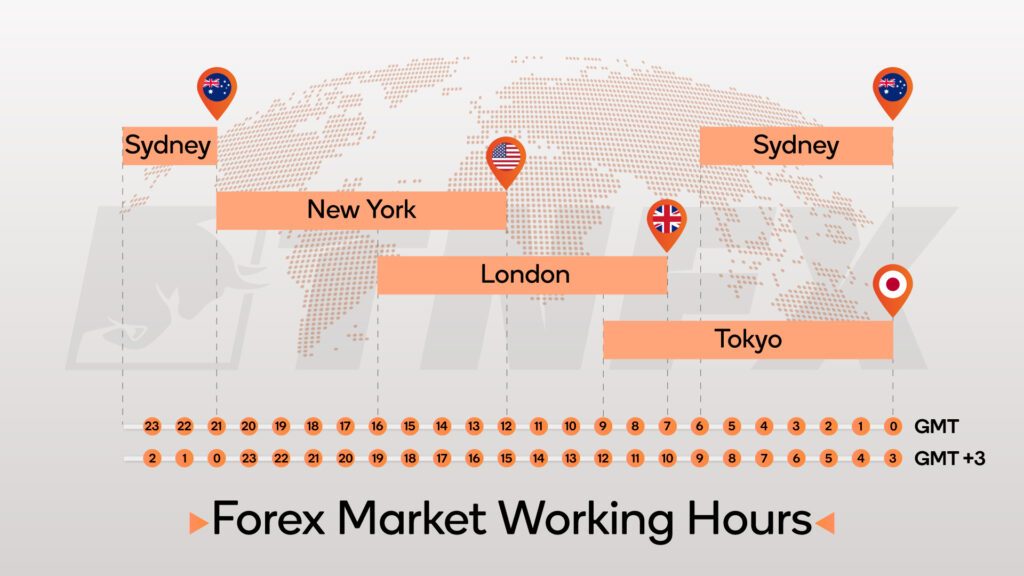
The primary trading sessions for both the New York Stock Exchange and Nasdaq Stock Market follow a consistent schedule, designed to align with global financial activity and maximize participation. This schedule is a fundamental aspect of understanding the operational flow of these financial powerhouses.
Standard Trading Hours
The standard trading day in [New York] for these major exchanges begins at 9:30 AM Eastern Time (ET). This time marks the official commencement of buying and selling activities for a vast array of securities. For travelers who might be observing the energy around Wall Street or even visiting the NYSE’s visitor center (though direct access to the trading floor is highly restricted), this 9:30 AM opening is the moment the market springs to life.
Pre-Market Trading: An Early Start
While the official opening bell rings at 9:30 AM ET, the financial markets don’t entirely slumber before then. A period known as pre-market trading allows investors to place orders and trade securities before the regular session begins. This typically starts as early as 4:00 AM ET. This extended trading window is particularly relevant for international investors and those reacting to overnight news or corporate announcements. For a tourist keen on understanding the full scope of market activity, acknowledging this early commencement provides a more comprehensive view of [New York]’s 24-hour global financial influence.
Post-Market Trading: Extending the Day
Similarly, the market doesn’t shut down entirely at the closing bell. Post-market trading, also known as after-hours trading, extends the opportunity to trade for a period after the regular session concludes. This usually runs from 4:00 PM ET to 8:00 PM ET. This allows for further price discovery and reaction to events that transpire during the regular trading day. While less likely to be observed by a typical tourist on the ground, it’s an important component of the overall market functionality.
Navigating Time Zones and Daylight Saving
When discussing market opening times, especially for a city as globally connected as [New York], understanding time zones and the impact of Daylight Saving Time is essential. This ensures accurate scheduling and prevents any confusion for international visitors.
Eastern Time (ET)
[New York] operates on Eastern Time (ET), which is a part of the North American Time Zone (NAT). During standard time, ET is equivalent to UTC-5. This means it is five hours behind Coordinated Universal Time (UTC).Daylight Saving Time (DST)
During the warmer months, [New York] observes Daylight Saving Time (DST), during which ET shifts to Eastern Daylight Time (EDT). EDT is equivalent to UTC-4. This effectively moves the clock forward by one hour. The switch typically occurs on the second Sunday in March and reverts on the first Sunday in November. Financial markets, including the New York Stock Exchange and Nasdaq Stock Market, adhere to these time changes, so the opening bell remains at 9:30 AM local time, whether it’s ET or EDT. For travelers planning their visit around specific market events or simply wanting to experience the bustling atmosphere of the financial district at opening, being aware of these transitions is key.
International Equivalents
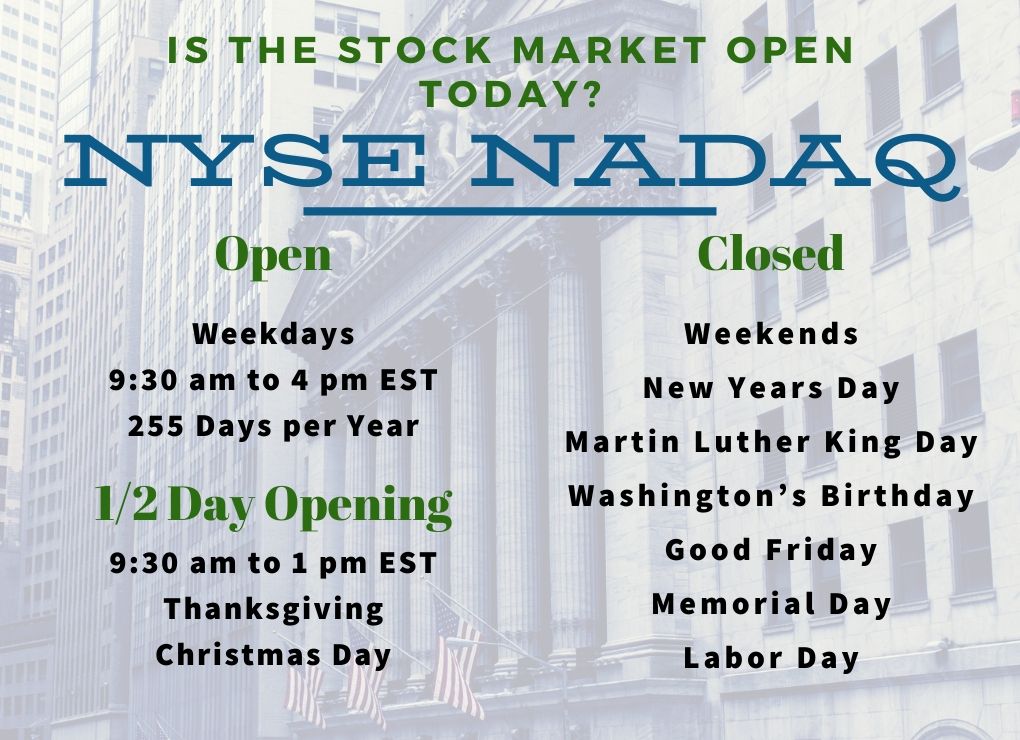
For travelers arriving from abroad, understanding how [New York] market hours translate to their local time is vital. For instance, London operates on Greenwich Mean Time (GMT) or British Summer Time (BST), which is UTC+0 or UTC+1 respectively. This means the [New York] market opening at 9:30 AM ET (UTC-5) would be 2:30 PM GMT in London. Similarly, markets in Asia or Europe with different time zones will experience the [New York] opening at vastly different hours, often in the pre-market or post-market periods relative to their own local times. This global interconnectedness is a fascinating aspect of modern finance and a subtle element of [New York]’s economic narrative.
Experiencing the Financial District as a Tourist
While direct access to the trading floors of the New York Stock Exchange or Nasdaq Stock Market is generally unavailable to the public, the surrounding financial district offers a compelling glimpse into the heart of global finance. Understanding market hours can enhance the tourist experience by allowing you to witness the city’s energy shift throughout the day.
The Buzz of Opening Hour
Arriving in the Financial District of [New York] around 9:00 AM ET can be an experience in itself. The streets, particularly around Wall Street and near the iconic charging bull statue, begin to teem with activity. Professionals in sharp suits navigate the sidewalks with purpose, and the general atmosphere is charged with anticipation. Witnessing the city awaken with the market’s opening provides a tangible sense of [New York]’s economic engine coming to life. It’s a moment where the abstract concept of global finance becomes a palpable energy on the streets.
Iconic Landmarks and Historical Context
The Financial District is not just about modern commerce; it’s steeped in history. Visitors can explore landmarks such as Federal Hall, where George Washington was inaugurated as the first U.S. President, and the Charging Bull sculpture, a symbol of aggressive financial optimism. The architecture itself tells a story, with imposing structures that have witnessed centuries of economic change. Understanding when the markets open can help you time your visit to these sites, perhaps enjoying a quieter morning before the rush, or observing the increased activity that follows the opening bell. A walk down Wall Street itself, though often crowded, offers a direct connection to the historical epicenter of American capitalism.
Beyond the Bell: Museums and Cultural Insights
For those with a deeper interest in finance, several institutions offer educational insights. While not directly on the trading floor, museums and visitor centers in the vicinity can provide context. The Museum of American Finance offers a comprehensive look at the history of [American] finance, from early markets to modern innovations. Even without a direct view of the trading screens, understanding the opening times allows visitors to appreciate the narrative of these institutions more fully, contextualizing their exhibits within the daily rhythm of the markets. For the traveler who wishes to delve deeper into the history and mechanics of finance, these institutions provide invaluable context.
Practical Tips for Travelers
For any traveler visiting [New York], whether for business or leisure, integrating knowledge of market hours can subtly enhance your experience. It allows for better planning, especially if your interests lie in observing the city’s economic pulse or engaging with financial professionals.
Scheduling Your Financial District Visit
If you plan to visit the Financial District, consider timing your exploration to coincide with the market opening. This will allow you to experience the area at its most vibrant. Alternatively, an early morning visit before the 9:30 AM ET start offers a chance to see the district in a more serene, yet purposeful, pre-opening phase. For those interested in business tourism, understanding these rhythms is paramount.
Considering Weekend Closures
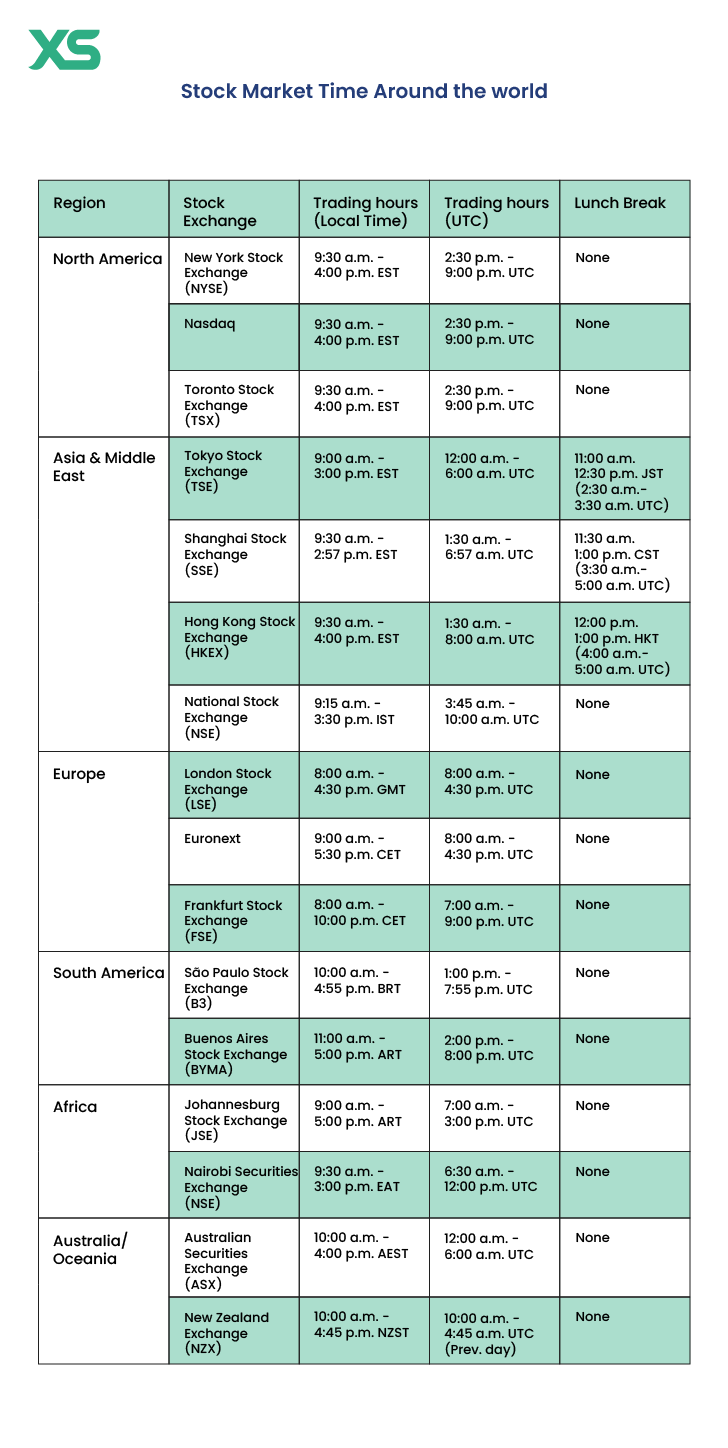
It’s important to remember that the New York Stock Exchange and Nasdaq Stock Market are closed on Saturdays and Sundays, as well as on specified U.S. federal holidays. This means that the iconic scenes of bustling activity you might associate with Wall Street are typically a weekday phenomenon. Plan your visit accordingly if you wish to witness the trading day in full swing. This closure also means that any significant news or market-moving events occurring over a weekend will typically be reflected in the market’s opening price on Monday.
Engaging with the City’s Financial Narrative
Even if you’re not a finance expert, understanding the basic timings of the [New York] stock markets adds another layer to your appreciation of the city. It connects the physical spaces—the buildings, the streets, the people—to the global economic forces they represent. From observing the early morning rush to catching the midday energy, knowing when the market opens helps you participate in the narrative of [New York] as a global financial capital. It transforms a simple sightseeing trip into a more informed and insightful experience, allowing you to grasp the dynamic interplay between [New York]’s daily life and its role on the world stage.
LifeOutOfTheBox is a participant in the Amazon Services LLC Associates Program, an affiliate advertising program designed to provide a means for sites to earn advertising fees by advertising and linking to Amazon.com. Amazon, the Amazon logo, AmazonSupply, and the AmazonSupply logo are trademarks of Amazon.com, Inc. or its affiliates. As an Amazon Associate we earn affiliate commissions from qualifying purchases.