
California, the Golden State, is renowned for many things: its sprawling metropolises, breathtaking national parks, innovative spirit, and perhaps most famously, its idyllic coastline. Among the myriad experiences it offers, witnessing a California sunset stands out as a quintessential moment for travelers and locals alike. The dramatic interplay of light and color as the sun dips below the horizon, often painting the sky in fiery oranges, soft purples, and deep crimson, is an unforgettable spectacle. But for those planning a trip, or even just a memorable evening, a crucial question arises: What time does the sunset in California?

The answer, as with many things in a state as vast and diverse as California, is not a single fixed time. Instead, it’s a dynamic schedule influenced by several factors, including the time of year, your specific location within the state, and the observation of daylight saving time. Understanding these variables is key to planning your perfect sunset viewing experience, ensuring you’re in the right place at the right moment to capture the magic. This comprehensive guide will delve into the intricacies of California sunset times, highlight the most iconic viewing spots, offer tips for enhancing your experience, and even suggest activities to enjoy once the last rays have faded.
Understanding California’s Diverse Sunset Schedule
California’s geographic span and seasonal shifts mean that sunset times can vary significantly. From the northern redwood forests to the southern deserts, and from the Pacific coast to the Sierra Nevada mountains, the experience is always unique.
Factors Influencing Sunset Times
The primary determinants of sunset times are the Earth’s orbit around the sun and its axial tilt. Throughout the year, as the Earth rotates and revolves, the angle at which sunlight reaches different parts of the globe changes.
- Seasonal Changes: The most significant factor. During the summer months, days are longer, and the sun sets much later. Conversely, winter brings shorter days and earlier sunsets.
- Latitude: Generally, locations further north experience greater variations in daylight hours between summer and winter. While California is primarily considered a southern state, there’s still a noticeable difference between, say, San Diego in the south and Redding in the north.
- Longitude: Even though the entire state observes the same time zone (or effectively the same daylight saving time zone), the sun technically sets later the further west you are within that time zone. California spans roughly 10 degrees of longitude, meaning there can be a minute or two difference in actual solar sunset times from its eastern border to its western coast, although this is often negligible compared to seasonal changes.
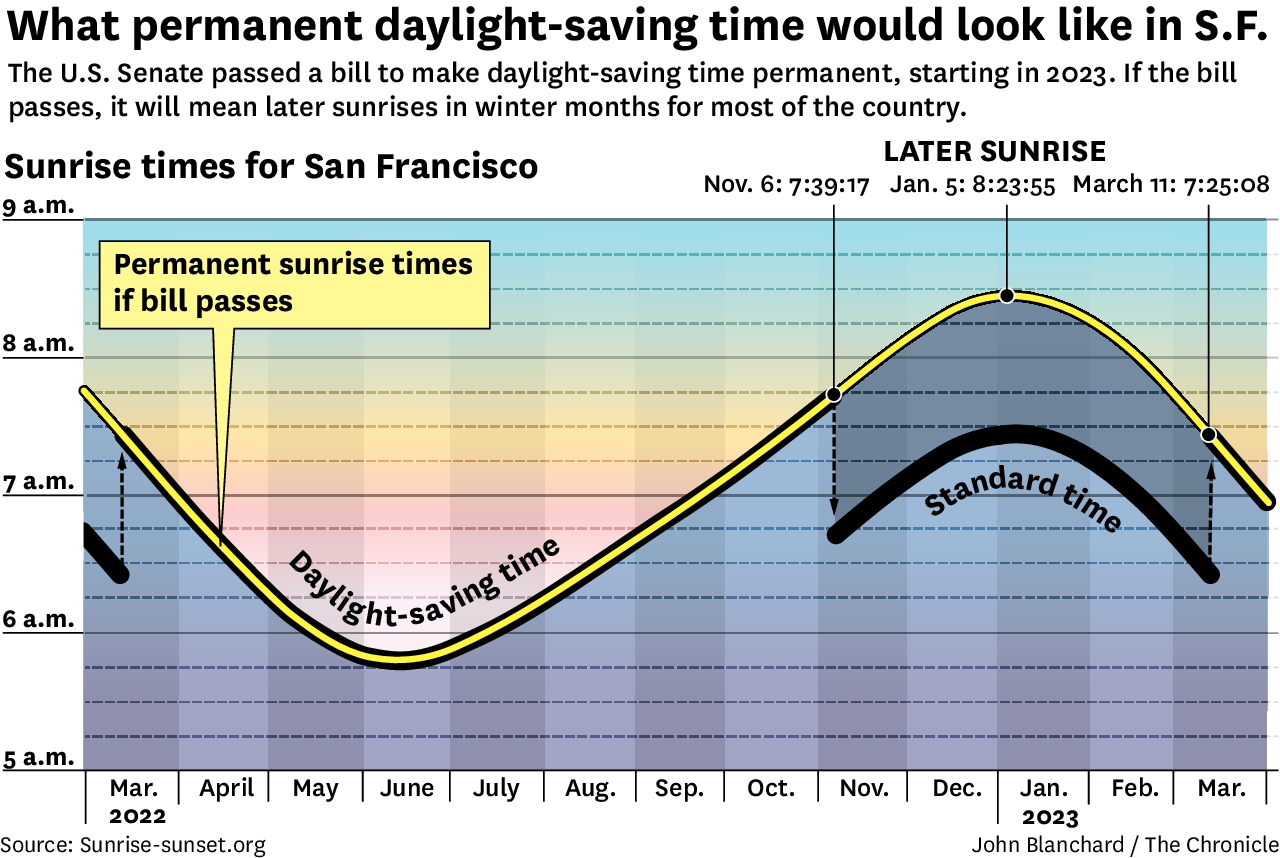
- Daylight Saving Time: From the second Sunday in March to the first Sunday in November, California observes Pacific Daylight Time (PDT), which is UTC-7. The rest of the year, it’s Pacific Standard Time (PST), UTC-8. This “spring forward” and “fall back” essentially shifts sunset times by an hour, making sunsets appear much later in the spring and summer.
Seasonal Variations Across the Golden State
To give you a clearer picture, here’s a general overview of sunset times in popular California cities throughout the year, keeping in mind these are approximations and can vary by a few minutes depending on the exact date and specific city.
- Summer (June, July, August): This is when sunsets are at their latest. In major cities like Los Angeles and San Francisco, expect the sun to set between 8:00 PM and 8:30 PM PDT, especially around the Summer Solstice in late June. This allows for long, leisurely evenings and ample time for outdoor activities leading up to the spectacle.
- Autumn (September, October, November): As fall progresses, days shorten. In September, sunsets might still be around 7:00 PM to 7:30 PM PDT. By late October, after the switch back to Pacific Standard Time, they can be as early as 6:00 PM to 6:30 PM PST. November sees them dropping further, often between 4:45 PM and 5:00 PM PST.
- Winter (December, January, February): The earliest sunsets occur during winter. Around the Winter Solstice in late December, the sun can set as early as 4:40 PM to 4:55 PM PST across the state. These short daylight hours mean planning your afternoon activities carefully if you want to catch the sunset.
- Spring (March, April, May): Sunset times begin to lengthen considerably in spring. In March, they might start around 6:00 PM to 6:30 PM PST, moving to 7:00 PM to 7:30 PM PDT after the daylight saving time shift. By May, they’re typically between 7:45 PM and 8:15 PM PDT, signaling the approach of summer.
For precise times on any given day, it’s always best to consult a local weather app or a dedicated sunset/sunrise calculator for your specific California destination.
Time Zones and Geographic Nuances
While most of California adheres to a single time zone, the sheer geographical expanse of the state means minor variations. The Pacific Time Zone encompasses the entire state. However, the easternmost parts of California, particularly areas bordering Nevada and Arizona (which doesn’t observe daylight saving in most areas), will experience astronomical sunsets a few minutes earlier than the western coast, simply due to the Earth’s rotation. This small difference is rarely critical for planning but adds to the fascinating complexity of California’s diverse natural rhythms.
The Best Places to Experience a California Sunset
Watching the sunset in California isn’t just about timing; it’s also about location. The state offers an unparalleled array of backdrops, from rugged coastlines to majestic mountains and vibrant cityscapes. Each location offers a distinct ambiance, making the sunset a unique event every time.
Iconic Coastal Views
California’s coastline, stretching over 800 miles, is arguably the most popular place to watch the sun disappear into the Pacific Ocean.
- Big Sur: Known for its dramatic cliffs and winding Highway 1, Big Sur offers some of the most awe-inspiring and rugged sunset vistas. Pull over at one of the many overlooks, such as Bixby Bridge, for an unforgettable experience. The raw power of the ocean meeting the land creates a truly magnificent backdrop.
- Malibu: North of Los Angeles, Malibu boasts pristine beaches and luxury homes. Find a spot on Zuma Beach or El Matador State Beach for a classic, serene Pacific sunset, often accompanied by surfers catching the last waves of the day.
- Santa Monica Pier and Beaches: A quintessential Southern California experience, the Santa Monica Pier offers a lively atmosphere with the sun setting behind the iconic Ferris wheel. The surrounding beaches, extending north to Venice Beach, also provide excellent vantage points.
- La Jolla Cove, San Diego: In San Diego, La Jolla Cove is famous for its sea lions and picturesque cliffs. The sunsets here are often breathtaking, with the golden light reflecting off the ocean and the sandstone formations.
- Point Reyes National Seashore: For those seeking a more remote and wild experience, Point Reyes National Seashore north of San Francisco provides expansive views of the Pacific, often shrouded in a mystical fog that adds to the drama when it lifts.
- Carmel-by-the-Sea and Monterey Bay: The charming town of Carmel-by-the-Sea and the wider Monterey Bay area offer stunning sunsets over white sand beaches and cypress trees. The Pacific Grove coastline near the Monterey Bay Aquarium is also a fantastic spot.
- Laguna Beach: Famous for its art scene and beautiful coves, Laguna Beach provides numerous vantage points from its cliffside parks and numerous beaches, each offering a unique perspective on the ocean’s fiery farewell.
Desert and Mountain Spectacles
Beyond the coast, California’s interior offers equally mesmerizing, albeit very different, sunset experiences.
- Joshua Tree National Park: The desert landscape of Joshua Tree National Park transforms at sunset. The unique Joshua Trees and rock formations are silhouetted against a sky painted with vibrant hues, creating an otherworldly scene that photographers adore.
- Death Valley National Park: As one of the hottest places on Earth, Death Valley National Park offers surreal sunsets. The vast, empty landscapes, salt flats, and colorful badlands catch the last light, creating a stark yet beautiful contrast. Zabriskie Point is particularly famous for its panoramic views.
- Yosemite National Park: In the Sierra Nevada, Yosemite National Park presents mountain sunsets that are nothing short of epic. Glacier Point offers iconic views of Half Dome and Yosemite Valley bathed in golden light. While the sun technically sets behind the western ridge, the alpenglow on the granite cliffs is a sight to behold.
- Lake Tahoe: The serene waters of Lake Tahoe, nestled in the Sierra Nevada, reflect the sunset’s colors in spectacular fashion. Find a spot on the shore or a scenic overlook like Emerald Bay for truly picturesque views.
Urban Skylines and Hidden Gems
Even in California’s bustling cities, extraordinary sunset views are just a short journey away.
- Griffith Observatory, Los Angeles: Overlooking the sprawling city of Los Angeles, Griffith Observatory offers panoramic views of the city skyline, the Pacific Ocean, and the iconic Hollywood Sign as the sun descends. It’s a popular spot for both locals and tourists to gather and watch the city lights begin to twinkle.
- Twin Peaks, San Francisco: For a sweeping vista of San Francisco, including the Golden Gate Bridge, Alcatraz Island, and the entire bay, Twin Peaks is an unbeatable location. Watching the fog roll in as the sun sets adds another layer of drama to the city’s unique charm.
- Santa Barbara Waterfront: The historic Stearns Wharf in Santa Barbara offers vibrant sunset views over the harbor and the Pacific. The city’s Spanish colonial architecture often glows golden in the evening light.
Planning Your Perfect Sunset Experience
A truly memorable sunset isn’t just about showing up; it’s about preparation and embracing the full experience. Here’s how to make the most of your California sunset adventure.
Timing Your Visit for Optimal Viewing
As established, sunset times vary. The first step is always to check the exact sunset time for your chosen location on the specific day of your visit. Numerous weather apps, online calendars, and dedicated sunset/sunrise websites provide this information.
- Arrive Early: Don’t wait until the last minute. Aim to arrive at your chosen spot at least 30 to 60 minutes before the official sunset time. This allows you to find parking, secure a good vantage point, set up any photography equipment, and most importantly, enjoy the “golden hour” – the hour leading up to sunset when the light is particularly warm and beautiful.
- Stay for the “Blue Hour”: Many miss out on the post-sunset magic. The “blue hour” (the period of twilight in the morning or evening when the sun is significantly below the horizon and the sky takes on a blue hue) can be just as, if not more, captivating than the sunset itself. The sky often deepens into rich blues, purples, and even pinks, offering a different kind of photographic opportunity and a serene end to the day.
Enhancing Your Sunset Adventure
Consider adding elements to make your sunset viewing truly special, aligning with the “Tourism” and “Lifestyle” aspects of your travel.
- Picnic: Pack a gourmet picnic basket with local cheeses, fresh fruits, wine (where permitted), and a cozy blanket. A romantic meal al fresco as the sun goes down is an unparalleled experience.
- Comfortable Seating: If you plan to stay a while, bringing portable chairs or a comfortable blanket can make a significant difference, especially at natural viewing spots.
- Warm Layers: Even on warm days, coastal areas can get surprisingly chilly once the sun dips below the horizon. Always bring extra layers, a jacket, or a wrap.
- Guided Tours: In some areas, special sunset cruises or guided tours are available, offering unique perspectives from the water or exclusive access to viewpoints.
- Soundtrack: A portable speaker with a curated playlist can add an extra layer of ambiance to your experience.
Accommodations with a View
For the ultimate sunset luxury, consider booking accommodations that offer prime viewing opportunities right from your room, balcony, or a dedicated viewing area. Many hotels and resorts in California capitalize on their stunning locations.
- Coastal Resorts: Properties like The Ritz-Carlton, Laguna Niguel or Terranea Resort in Palos Verdes offer rooms with expansive ocean views, private balconies, and often clifftop dining options perfect for sunset. These luxury resorts blend exquisite service with breathtaking natural beauty.
- Boutique Hotels and Villas: Smaller boutique hotels in charming towns like Carmel-by-the-Sea or Santa Barbara often have rooms or communal patios designed for sunset viewing. For longer stays or group travel, renting a villa or apartment with an ocean-facing terrace can offer an exclusive and personalized experience.
- City Hotels with Rooftop Bars: In cities like Los Angeles or San Francisco, look for hotels with rooftop bars or restaurants that offer impressive urban vistas as the sun dips and the city lights up. These provide a vibrant “Lifestyle” experience alongside the natural wonder.
When booking accommodation, specify that a sunset view is a priority. Reviews and detailed descriptions on booking platforms can also help you find the perfect spot.
Capturing the Magic: Photography Tips and Etiquette
For many, a California sunset is an artistic masterpiece begging to be captured. Whether you’re a seasoned photographer or just using your smartphone, a few tips can help you get stunning results.
Gear and Settings for Stunning Shots
- Smartphone Photography: Most modern smartphones have excellent cameras. Use the “rule of thirds” grid for composition. Tap on the brightest part of the sky to properly expose the sunset, then manually adjust exposure if needed. Experiment with panorama mode for wide coastal views.
- DSLR/Mirrorless Cameras:
- Tripod: Essential for sharp images in low light and for creating time-lapses.
- Wide-Angle Lens: Ideal for sweeping landscapes and capturing the vastness of the sky and surroundings.
- Manual Mode: Gives you full control. Start with a low ISO (100-200) for minimal noise. Aperture (f/8 to f/16) for a wide depth of field. Shutter speed will vary greatly; use a light meter or expose to the right.
- Bracketing/HDR: Sunsets have a high dynamic range. Take multiple exposures (one underexposed, one correctly exposed, one overexposed) and merge them later in editing software to capture detail in both highlights and shadows.
- Focus on the Horizon: Use manual focus or focus on a point near the horizon to ensure sharpness.
- Composition: Look for interesting foreground elements – a lone tree, rock formations, pier pilings, or even people enjoying the view – to add depth and interest to your shots. Silhouettes can be incredibly powerful against a colorful sky.
Respecting Nature and Fellow Viewers
While capturing the perfect shot, remember to be a responsible traveler.
- Leave No Trace: Pack out everything you pack in. Preserve the natural beauty for others.
- Respect Others’ Views: Be mindful of where you set up your tripod or stand. Don’t block someone else’s carefully chosen vantage point, especially if they arrived earlier.
- Stay on Trails: Especially in national parks or sensitive coastal areas, stick to marked trails to protect fragile ecosystems.
- Silence and Serenity: While celebrating, be respectful of the peaceful atmosphere many seek during sunset. Keep noise levels down.
Beyond the Sunset: Evening Activities in California
The fading light of a California sunset marks not an end, but a transition to a new set of exciting possibilities. The state comes alive with a vibrant array of evening activities that cater to every “Lifestyle” and “Tourism” interest.
Dining with a View
Extend your sunset experience with a meal at one of California’s many restaurants offering spectacular views.
- Coastal Dining: In Malibu, restaurants like Geoffrey’s Malibu offer exquisite dining with unparalleled ocean views. In La Jolla, The Marine Room provides a unique experience where high tides bring waves right up to the windows.
- Urban Panoramas: Many cities, including San Francisco and Los Angeles, boast rooftop restaurants and bars where you can enjoy fine cuisine or craft cocktails against a backdrop of twinkling city lights and distant ocean horizons.
Stargazing and Nightlife
Once the sun is completely gone, a whole new world opens up.
- Stargazing: California’s vast desert and mountain regions are ideal for stargazing due to minimal light pollution. Joshua Tree National Park and Death Valley National Park are designated International Dark Sky Parks. Further north, Anza-Borrego Desert State Park offers incredible celestial displays. Even closer to Los Angeles, Mount Wilson Observatory offers public astronomy programs.
- Nightlife: From the glamorous clubs of Hollywood in Los Angeles and the vibrant Gaslamp Quarter in San Diego to the sophisticated bars and live music venues of San Francisco, California offers an eclectic range of options for after-dark entertainment.
Cultural Experiences After Dark
Explore California’s rich cultural scene with evening museum visits, theater performances, or live music concerts. Many museums in major cities offer late-night openings or special events, allowing you to enjoy art and history in a different light. From world-class orchestras to intimate jazz clubs, the state’s cultural landscape thrives long after the sun has set, offering visitors and locals a wealth of enriching “Experiences.”
In conclusion, knowing what time the sunset occurs in California is merely the first step. The true magic lies in understanding the nuances of its seasonal shifts, selecting the perfect vantage point from its diverse landscape, and thoughtfully planning your visit to fully immerse yourself in one of the Golden State’s most cherished daily rituals. Whether you’re seeking a moment of quiet reflection, a romantic backdrop, or a spectacular photographic opportunity, California promises a sunset experience that will linger in your memory long after the last hint of color fades from the horizon.