
Florida, affectionately known as the Sunshine State, beckons millions of travelers each year with its diverse landscapes, vibrant cities, and unparalleled attractions. From the pristine beaches of the Gulf Coast to the thrilling theme parks of Orlando and the historic charm of St. Augustine, there’s an endless array of experiences awaiting every visitor. But when planning a trip to this captivating destination, a fundamental question often arises: “What time, Florida?” This isn’t just about knowing the hour on the clock; it’s about understanding the nuances of its time zones, discerning the best season for your preferred activities, and ultimately, timing your visit to perfectly align with your travel aspirations and lifestyle choices. Whether you seek a luxurious escape, a budget-friendly family adventure, or a serene long-term stay, the timing of your trip can significantly shape your experience. This comprehensive guide will help you decode Florida’s temporal landscape, ensuring your journey is as seamless and enjoyable as possible.
Unraveling Florida’s Time Zones: A Crucial First Step
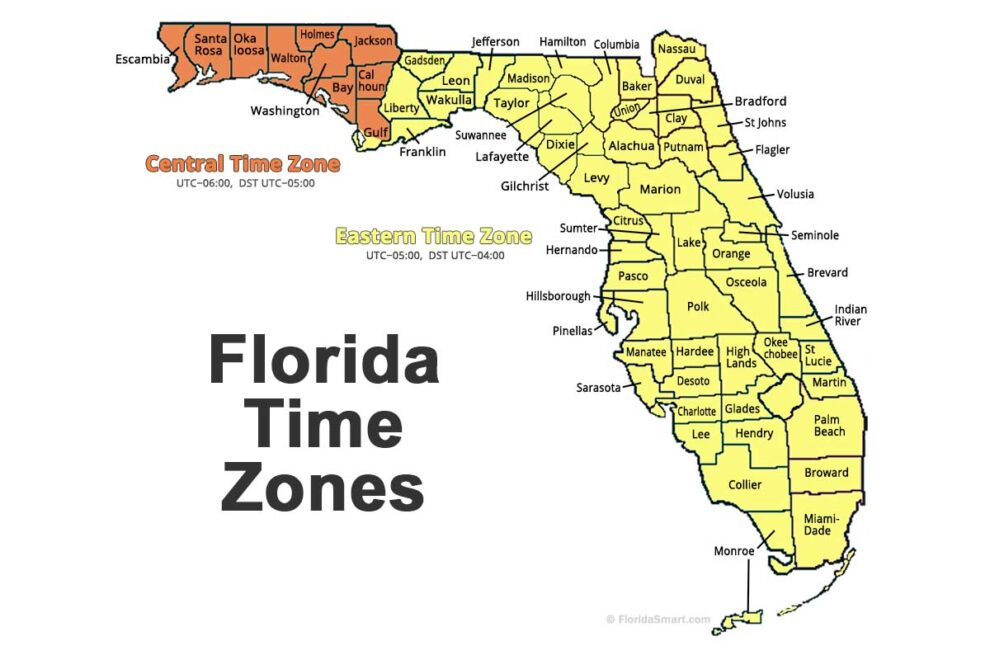
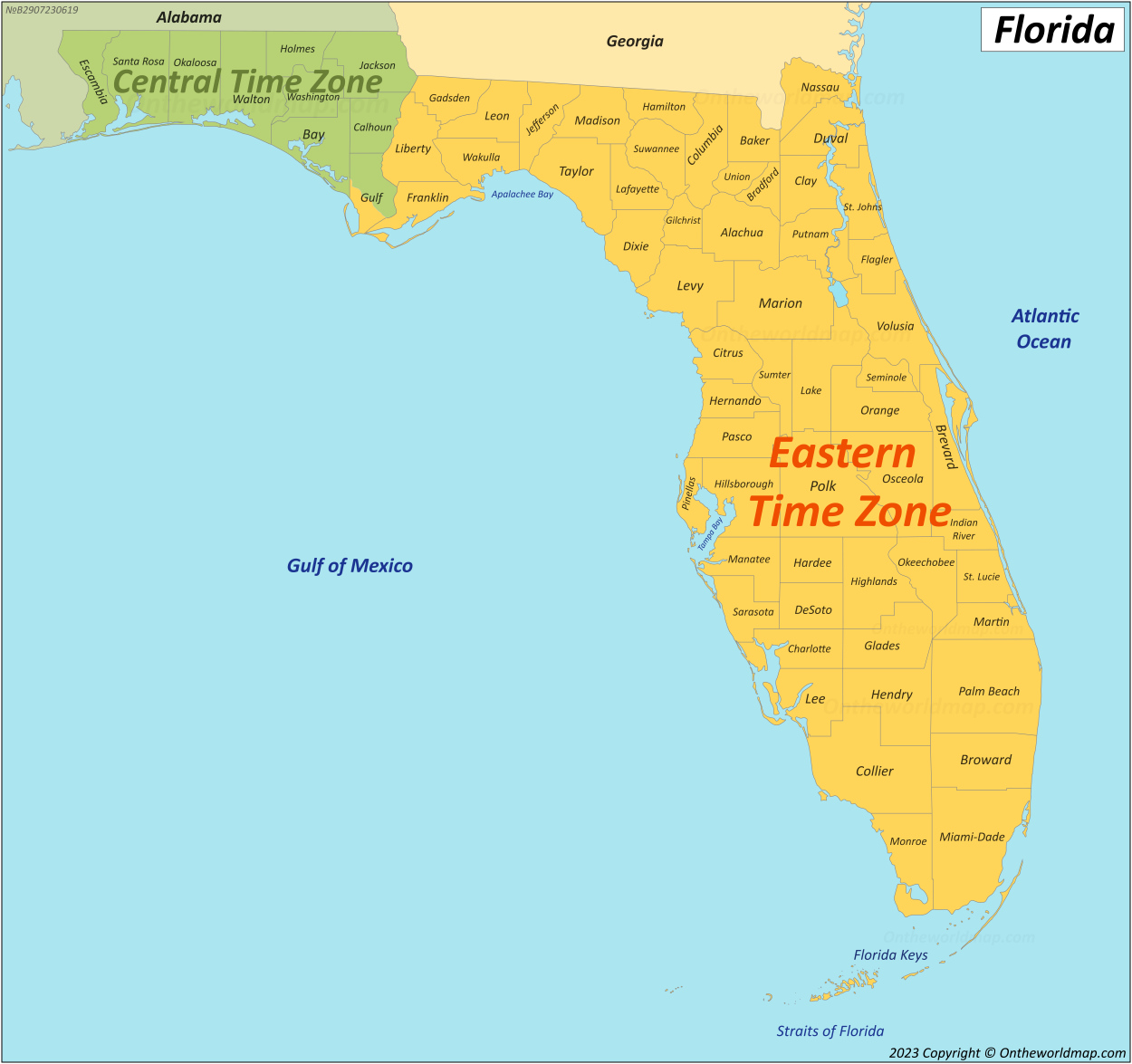
Before delving into the seasonal delights and myriad attractions, a practical understanding of Florida’s geographical time divisions is essential. The Sunshine State spans two distinct time zones, a detail that can easily trip up unsuspecting travelers, especially those planning multi-city itineraries or coordinating flights and reservations across different regions.
The Dominant Eastern Standard/Daylight Time
The vast majority of Florida operates on the Eastern Time Zone (ET), observing Eastern Standard Time (EST) during the cooler months and switching to Eastern Daylight Time (EDT) with daylight saving. This includes most of the state’s major metropolitan areas and top tourist destinations. Cities like Miami, Orlando, Tampa, Jacksonville, and Fort Lauderdale all fall within this zone. For visitors arriving at major hubs like Orlando International Airport or Miami International Airport, their clocks will immediately align with Eastern Time. This consistency simplifies planning for many, as inter-city travel within this expansive region typically involves no time adjustments, allowing for smooth transitions between a vibrant South Beach nightlife experience and a magical day at Walt Disney World Resort. Understanding this dominant time zone is paramount for booking flights, arranging hotel check-ins, and managing any pre-scheduled tours or dining reservations.
The Panhandle’s Central Time Zone
A significant exception to Florida’s Eastern Time dominance lies in its northwestern region, specifically the Florida Panhandle. The counties west of the Apalachicola River, including popular destinations like Pensacola, Panama City Beach, and Destin, observe the Central Time Zone (CT), using Central Standard Time (CST) and Central Daylight Time (CDT). This means these areas are one hour behind the rest of the state. For travelers flying into Northwest Florida Beaches International Airport or driving east or west across the state, this time shift is a crucial detail. Imagine the confusion of arriving in Panama City Beach thinking it’s 3 PM, only to discover it’s actually 2 PM, potentially missing a booked activity or hotel check-in. This time difference is especially important for those embarking on extensive Florida road trips that traverse the state’s length, demanding careful attention to itineraries and schedules to avoid any missed connections or appointments.
Seasonal Charms: Pinpointing Your Ideal Florida Travel Time
Beyond the clock, “What time Florida?” also delves into the best time of year to visit, a decision heavily influenced by weather patterns, crowd levels, event calendars, and pricing. Each season in Florida offers a unique appeal, catering to different preferences and travel styles, from serene escapes to bustling adventures.
Winter Escapes (December – February): The Peak Season Allure
Winter is undoubtedly Florida’s peak tourist season, and for good reason. From December through February, much of the United States and Canada are blanketed in snow and ice, making Florida’s mild, dry, and sunny climate an irresistible draw. Average temperatures hover comfortably in the 60s and 70s Fahrenheit (15-25°C) across most of the peninsula, offering perfect conditions for outdoor activities without the oppressive humidity of summer. This is the prime time for snowbirds seeking warmth, families enjoying holiday breaks, and anyone looking to escape colder climes.
Activities & Destinations: The theme parks, including Walt Disney World Resort and Universal Orlando Resort, are meticulously decorated for the holidays, hosting special events and parades. While enchanting, this also means larger crowds and higher prices for accommodation and flights. Coastal areas like the Florida Keys, Naples, and Sarasota truly shine, offering pristine beach days, world-class fishing, and abundant wildlife viewing, including manatees in warmer waters. For those interested in luxury travel, winter presents the ideal opportunity to indulge in upscale resorts and fine dining, though booking well in advance is essential due to high demand.
Spring Break Buzz & Blossom (March – May): Vibrant and Lively
As winter gives way to spring, Florida bursts with renewed energy. March to May sees temperatures steadily rise, with less humidity than summer and generally pleasant conditions. This period is characterized by the influx of college students for Spring Break, especially in coastal cities, adding a vibrant, youthful buzz to destinations like South Beach and Fort Myers Beach. Families also flock to the state for Easter and school spring vacations.
Activities & Destinations: The beaches along both the Atlantic and Gulf Coasts are popular, with Clearwater Beach and Siesta Key Beach consistently ranking among the best in the nation. This is an excellent time for water sports, exploring state parks like Everglades National Park before the peak heat, and enjoying outdoor festivals. Baseball fans can catch Spring Training games across the state. While crowds can still be substantial, especially during specific break weeks, they generally taper off towards late May, offering a sweet spot before summer’s heat. Those looking for particular accommodation – be it a cozy apartment or a sprawling resort – should finalize their booking early to secure their preferred option.
Summer Sun & Storms (June – August): Family Fun & Budget Travel
Florida’s summer months are defined by heat, humidity, and a daily rhythm of afternoon thunderstorms. Temperatures frequently soar into the 90s Fahrenheit (30s °C), with high humidity making it feel even warmer. This is also the start of hurricane season, which officially runs from June 1st to November 30th, though peak activity typically occurs from August to October. Despite these conditions, summer is a popular time for families, often drawn by school holidays and the allure of water-centric activities.
Activities & Destinations: The theme parks remain a huge draw, with water parks like Aquatica Orlando and Typhoon Lagoon providing much-needed relief. Indoor attractions, such as the Kennedy Space Center Visitor Complex and various museums, offer respite from the heat. Beaches can be less crowded than in winter, particularly on weekdays, making them ideal for swimming, snorkeling, and relaxed sunbathing. Furthermore, summer often presents the best opportunities for budget travel, with lower hotel rates and flight deals as demand dips slightly after the spring rush. However, travelers should be prepared for sudden downpours and always monitor weather forecasts, especially when planning outdoor excursions.

Autumn Adventures (September – November): Local Flavors & Pleasant Weather
Autumn in Florida is a hidden gem, often overlooked but offering some of the most pleasant travel experiences. As the intense summer heat begins to subside and the hurricane season gradually winds down, the state enjoys cooler temperatures, lower humidity, and significantly fewer crowds after Labor Day. This period, particularly from late October to November, provides a delightful balance of agreeable weather and greater affordability.
Activities & Destinations: This is an excellent time for exploring local culture through numerous food and wine festivals, art shows, and historical tours. Cities like St. Augustine, with its ancient Castillo de San Marcos, or Key West, with its vibrant Mallory Square sunset celebrations, offer a more relaxed atmosphere. Wildlife viewing in the state’s natural parks and preserves becomes more comfortable, and fishing conditions improve. Halloween events, notably Halloween Horror Nights at Universal Orlando, draw large crowds, but generally, the period outside of major holidays like Thanksgiving is perfect for those seeking tranquility and authentic Florida experiences without the peak season rush. It’s an opportune moment for visitors interested in long-term stay options, as villas and apartments often have greater availability and more attractive rates.
Beyond the Clock: Experiencing Florida’s Diverse Offerings
While timing plays a crucial role, Florida’s timeless appeal lies in its incredible diversity, offering something for every type of traveler regardless of the season. From world-class landmarks and attractions to serene natural wonders, the state provides a tapestry of experiences that can be enjoyed throughout the year with thoughtful planning.
Theme Parks and Attractions: Timeless Entertainment
Florida’s theme parks are legendary, and their doors are open 365 days a year. Walt Disney World Resort, Universal Orlando Resort, SeaWorld Orlando, and Busch Gardens Tampa Bay are perennial favorites, each offering unique rides, shows, and immersive environments. While peak seasons (winter holidays, spring break, summer) mean longer lines and higher demand, strategic planning – such as utilizing ride reservation systems, visiting during weekdays, or arriving at park opening – can enhance the experience. Theme parks also excel at offering unique seasonal events, from Epcot’s International Food & Wine Festival in the fall to Universal’s Mardi Gras celebration in the spring, adding another layer to the “what time” question for those seeking specific themed experiences.
Coastal Escapes and Water Adventures: The Rhythmic Tides
Florida boasts nearly 1,350 miles of coastline, featuring an unparalleled selection of beaches. From the vibrant energy of Miami Beach to the tranquil sands of Anna Maria Island, coastal escapes are a cornerstone of the Florida experience. Activities like swimming, sunbathing, surfing, paddleboarding, snorkeling, and diving are popular year-round. The Florida Keys offer exceptional opportunities for deep-sea fishing and exploring vibrant coral reefs. While summer brings warmer waters, the winter months provide clearer visibility for diving and pleasant temperatures for beach strolls. Booking specialized activities such as fishing charters or snorkeling tours is advisable, especially during peak tourist periods, and many resorts offer direct access to these aquatic adventures.
Cultural Immersion and Historical Journeys: Stepping Back in Time
Beyond beaches and theme parks, Florida’s rich history and diverse cultural landscape offer a different kind of temporal journey. St. Augustine, the nation’s oldest continuously inhabited European-established settlement, allows visitors to step back centuries with its cobblestone streets, colonial architecture, and historic sites like Castillo de San Marcos. In Miami, the Vizcaya Museum & Gardens transports guests to an opulent Gilded Age estate. Ybor City in Tampa tells the story of Florida’s cigar industry and Cuban heritage. These cultural destinations can be explored comfortably in any season, though cooler months are ideal for extensive outdoor walking tours. Engaging with local food scenes, visiting art galleries, and experiencing live music venues provides a deeper understanding of Florida’s unique identity.
Planning Your Florida Journey: Timing is Everything
Ultimately, understanding “What time Florida?” boils down to meticulous planning that considers every facet of your trip. The decision of when to visit impacts not just your daily activities but also your overall budget, comfort, and satisfaction.
Accommodation Choices and Booking Strategies
Your chosen travel time will significantly influence hotel availability and pricing. During peak winter months and spring break, expect higher rates and limited vacancies, making early booking crucial for securing preferred suites, resorts, apartments, or villas. Utilizing comparison websites and reading reviews on platforms like lifeoutofthebox.com can help you find the best value and amenities. Conversely, the summer and early fall shoulder seasons often present opportunities for more affordable stays and better deals, particularly for long-term stay options or if you’re planning a business stay where flexibility is key.
Travel Logistics: Flights, Rental Cars, and Navigating the State
Flight prices and availability are highly seasonal. Booking flights well in advance, especially for peak periods or during major holidays, is critical. Rental cars are almost a necessity for exploring Florida beyond specific resort areas, and their demand and cost also fluctuate with the seasons. Traffic patterns can vary significantly too; major highways and city centers can become congested during peak tourist seasons or special events. Being flexible with your travel dates, if possible, can lead to substantial savings and a more relaxed journey. Consider flying into smaller regional airports if they serve your destination, as they might offer less crowded experiences and potentially better rental car deals.
Budgeting for Your Florida Adventure
Timing is a primary factor in setting your travel budget. A trip during the peak winter season, especially around Christmas or New Year’s, will invariably be more expensive due to higher demand for flights, accommodation, and attractions. Conversely, visiting during the less crowded shoulder seasons (late spring, early fall) or even the summer (if you don’t mind the heat and humidity) can be ideal for budget travel. Families often find summer a practical choice due to school holidays, and while it’s hot, the availability of deals can offset some of the costs. Whether you are planning a family trip that needs to align with school schedules or a luxury travel experience where cost is less of a concern, understanding the seasonal price shifts is essential for effective financial planning.
In conclusion, “What time Florida?” is a multifaceted question with answers that profoundly shape your travel experience. By understanding the state’s time zones, evaluating the seasonal pros and cons, and strategically planning your logistics and budget, you can unlock the perfect Florida getaway that aligns with your desires. Whether you’re chasing the winter sun, embracing the spring buzz, enjoying summer family fun, or savoring autumn’s tranquility, Florida’s timeless charm awaits, ready to be explored on your terms.
LifeOutOfTheBox is a participant in the Amazon Services LLC Associates Program, an affiliate advertising program designed to provide a means for sites to earn advertising fees by advertising and linking to Amazon.com. Amazon, the Amazon logo, AmazonSupply, and the AmazonSupply logo are trademarks of Amazon.com, Inc. or its affiliates. As an Amazon Associate we earn affiliate commissions from qualifying purchases.