
When travelers plan a journey across the United States, they often account for the vast distances and diverse climates. However, one logistical quirk frequently catches visitors off guard when they enter the Gem State: the question of “What time is it in Idaho?” Unlike many of its neighbors, this Pacific Northwest treasure is split between two different time zones. Navigating this temporal divide is an essential part of the local tourism experience, influencing everything from when you start a hiking trip to when you can grab dinner in a remote mountain town.
The dual-time nature of the state is more than just a chronological curiosity; it reflects the geographic and cultural diversity of the region. From the bustling metropolitan energy of Boise to the serene, alpine beauty of the northern Panhandle, understanding the rhythm of the state is the first step toward a successful vacation. Whether you are chasing the sunrise over the Sawtooth Mountains or enjoying a late-night cocktail in Coeur d’Alene, timing is everything.
The Geographical Split: Understanding the Time Zones
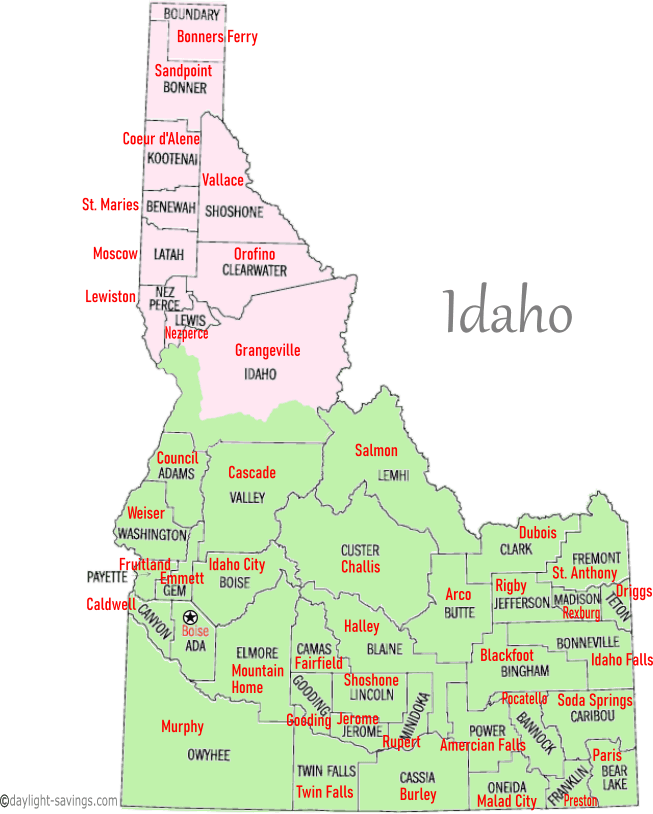
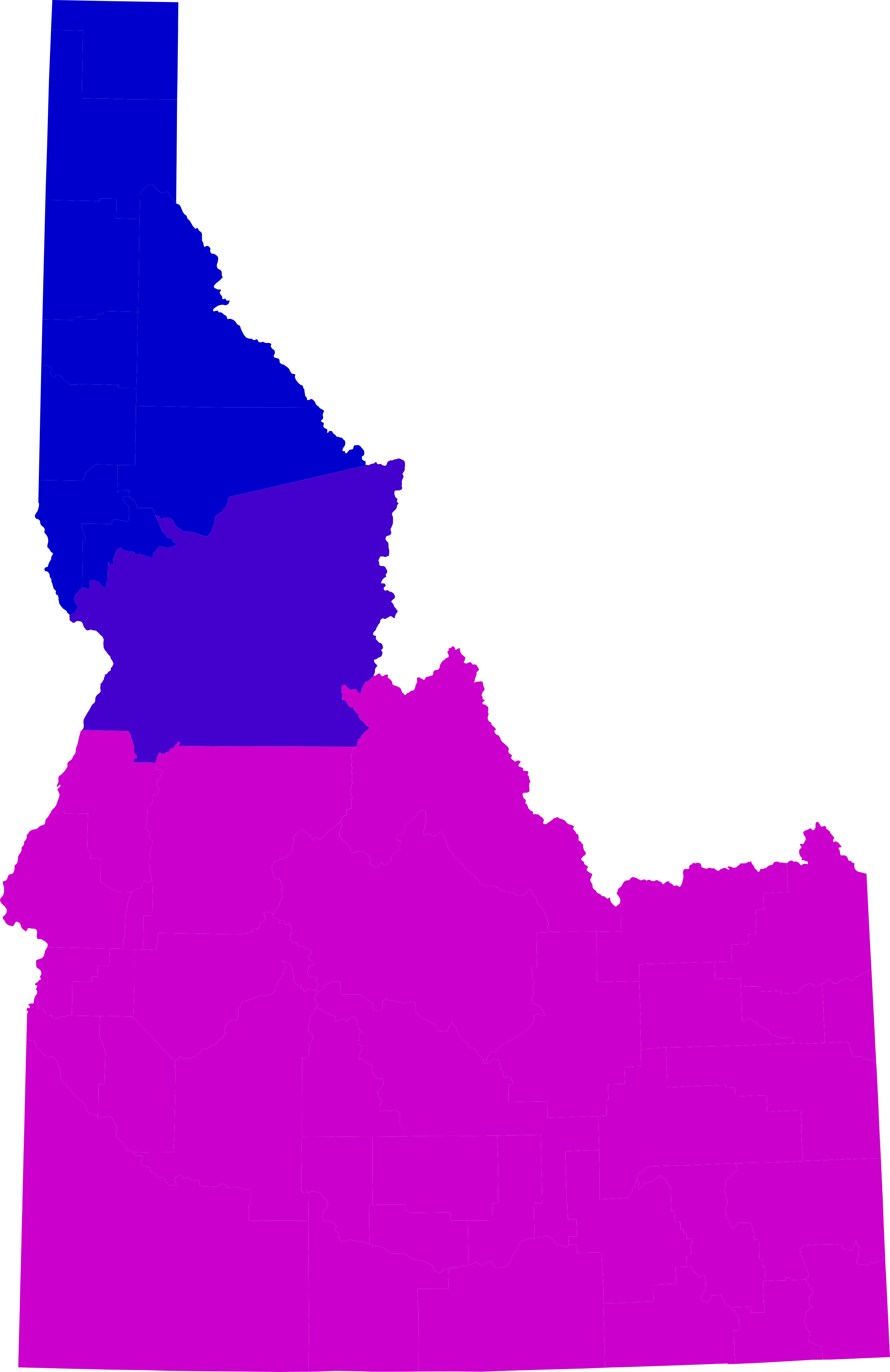
The division of time in Idaho is dictated by the rugged topography that defines the state. The boundary isn’t a straight line drawn on a map by a distant administrator; rather, it follows the natural flow of the Salmon River, often referred to as the “River of No Return.” This split separates the state into two distinct zones: Mountain Time and Pacific Time.
The Dominance of Mountain Time
The vast majority of the state, including the southern and central regions, operates on Mountain Standard Time. This area encompasses the state’s capital and its most populous regions. When you are visiting the volcanic landscapes of Craters of the Moon National Monument or the roaring waters of Shoshone Falls in Twin Falls, you will find yourself in sync with cities like Salt Lake City and Denver.
For tourists, this means that if you are driving north from Boise toward the wilderness, you remain in the same time zone for several hours. This consistency is helpful when planning visits to the World Center for Birds of Prey or scheduling a tee time at a golf course in Idaho Falls. It provides a sense of continuity as you explore the high-desert plateaus and the fertile agricultural valleys that make the southern half of the state famous.
Crossing into Pacific Time
As you travel north of the Salmon River, specifically past the town of Riggins, the clocks fall back one hour into the Pacific Time Zone. This northern region, often called North Idaho, aligns itself with the West Coast states of Washington and Oregon. Major hubs in this area include Lewiston, Moscow, and the stunning lakeside city of Sandpoint.
This shift is particularly important for tourists moving between Spokane International Airport in Washington and the resort areas of North Idaho. If you are heading to Silverwood Theme Park for a day of roller coasters, you are in Pacific Time. Losing or gaining that hour can significantly impact your check-in times at local lodges or your reservations for a sunset cruise on Lake Pend Oreille.
Timing Your Outdoor Adventures
Tourism in Idaho is deeply rooted in the outdoors. The state’s varying time zones and its northern latitude mean that daylight hours can fluctuate significantly depending on where you are and the time of year. For the active traveler, “What time Idaho?” is a question about maximizing every moment of sunshine.
Sunrise in the High Wilderness
If your goal is to photograph the sunrise over Mount Borah, the highest peak in the state, you must be aware that central Idaho is in the Mountain Time Zone. Early morning starts are a staple for those visiting the Sawtooth National Recreation Area. Because the sun rises earlier in the east of the state than in the west, hikers in the Teton Valley near the border of Wyoming will see the light hit the peaks of Yellowstone National Park long before those in the Hells Canyon area to the west.
Timing your adventures also involves understanding seasonal “shoulder months.” In Sun Valley, for instance, the winter days are short, and the lifts at Bald Mountain operate on a strict schedule. Knowing that you are on Mountain Time ensures you don’t miss the last run of the day or the beginning of the “après-ski” culture in the village.
Sunset on the Northern Lakes
In North Idaho, the Pacific Time Zone offers a different experience. During the summer months, the sun sets incredibly late—sometimes after 9:30 PM in places like Bonners Ferry near the Canada border. This provides tourists with extra “golden hour” time to enjoy water sports on Lake Coeur d’Alene or to dine outdoors at a local bistro.
For anglers fishing the St. Joe River, this extra hour of light in the evening is a blessing. However, if you are planning a drive south toward McCall for the following day, you must remember that you will “lose” an hour as you cross back into Mountain Time. Planning your travel between these regions requires a keen eye on the clock to avoid arriving at a closed visitor center or a late-night hotel check-in.
Cultural Experiences and Local Flavor
The culture of Idaho is as varied as its geography, and the time zone split often dictates the pace of local life. From university towns to agricultural hubs, the local rhythm is something every tourist should immerse themselves in.
The Pulse of the Southern Cities
In the south, the culture is a blend of urban sophistication and rugged outdoor heritage. Boise serves as the cultural heart, home to the Basque Block, where you can experience the unique history of the largest Basque community outside of Spain. Tourism here thrives on specific timing—attending a football game at Albertsons Stadium (famed for its blue turf) requires coordinating with the Mountain Time kick-off.
Further east, Idaho Falls serves as a gateway to the Grand Tetons. The local culture here is deeply connected to the land. Visiting during harvest season allows tourists to see the incredible scale of the Idaho potato industry. Many local events, such as farmers’ markets and community festivals, are timed to take advantage of the early morning light, a hallmark of the Mountain Time Zone.
The Intellectual and Artistic North
The northern part of the state has a distinct “Pacific” feel. In Moscow, home to the University of Idaho, the vibe is academic and artistic. The town operates on Pacific Time, and its culture is closely linked to Pullman, Washington, located just across the state line. This cross-border culture means that many events, such as the Lionel Hampton Jazz Festival, attract visitors from both states who must constantly synchronize their watches.
Meanwhile, Coeur d’Alene offers a luxury resort experience. The city’s downtown area is filled with art galleries, boutiques, and high-end dining. The “island green” at the Coeur d’Alene Resort Golf Course is a world-famous attraction. Because this area is on Pacific Time, it feels more connected to the coastal lifestyle of Seattle than the high-desert energy of Boise.
Practical Tips for the Time-Conscious Traveler
Navigating Idaho requires a bit of logistical foresight. To make the most of your trip and ensure you aren’t caught off guard by the time change, consider these tourism-focused tips.
Managing Transportation and Appointments
If you are booking a shuttle, a guided fishing tour on the Snake River, or a flight out of Boise Airport, always double-check which time zone the business operates in. Most digital devices will update automatically via GPS, but in deep canyons or remote areas of the Nez Perce-Clearwater National Forests, cell service can be spotty. It is always wise to keep a manual watch set to the local time of your destination.
For those traveling on the North-South Highway (U.S. 95), the transition happens near Time Zone Bridge in Riggins. This is a popular spot for photos, as it marks the literal crossing point. Remember: if you are heading north, you gain an hour; if you are heading south, you lose one. This is crucial for reaching dinner reservations at the Shore Lodge in McCall on time if you are coming from the north.

Embracing the “Slow Travel” Philosophy
The time zone difference in Idaho is a reminder to embrace a slower pace of travel. Rather than rushing to beat the clock, use the extra hour in the north to explore the Appaloosa Museum or take a longer hike in Farragut State Park. The state’s beauty is best enjoyed when you aren’t constantly checking your phone.
Whether you are visiting for the world-class skiing, the history of the Oregon Trail, or the tranquility of the Priest Lake area, the time in Idaho is whatever you make of it. By understanding the geographical and cultural reasons behind the split, you can better appreciate the unique character of this remarkable state. From the mountain peaks to the river valleys, every hour in the Gem State is an opportunity for discovery.
LifeOutOfTheBox is a participant in the Amazon Services LLC Associates Program, an affiliate advertising program designed to provide a means for sites to earn advertising fees by advertising and linking to Amazon.com. Amazon, the Amazon logo, AmazonSupply, and the AmazonSupply logo are trademarks of Amazon.com, Inc. or its affiliates. As an Amazon Associate we earn affiliate commissions from qualifying purchases.