
Embarking on a journey to the last frontier, Alaska, promises an unparalleled adventure, brimming with majestic landscapes, unique wildlife, and an invigorating sense of wilderness. However, for the discerning traveler, understanding the temporal landscape of this vast United States state is just as crucial as packing the right gear. Far from the contiguous US, Alaska operates on its own distinct clock, a factor that can significantly influence everything from flight schedules and tour bookings to daily rhythms and communication with those back home. This comprehensive guide will delve into the intricacies of Alaskan time zones, illuminate the impact of extreme daylight variations, and offer essential tips for seamlessly integrating into the local tempo, ensuring your travel, accommodation, and overall experience are as smooth and enriching as the Alaskan wilderness itself.
Navigating Alaska’s Time Zones: AKST, AKDT, and the Aleutian Anomaly
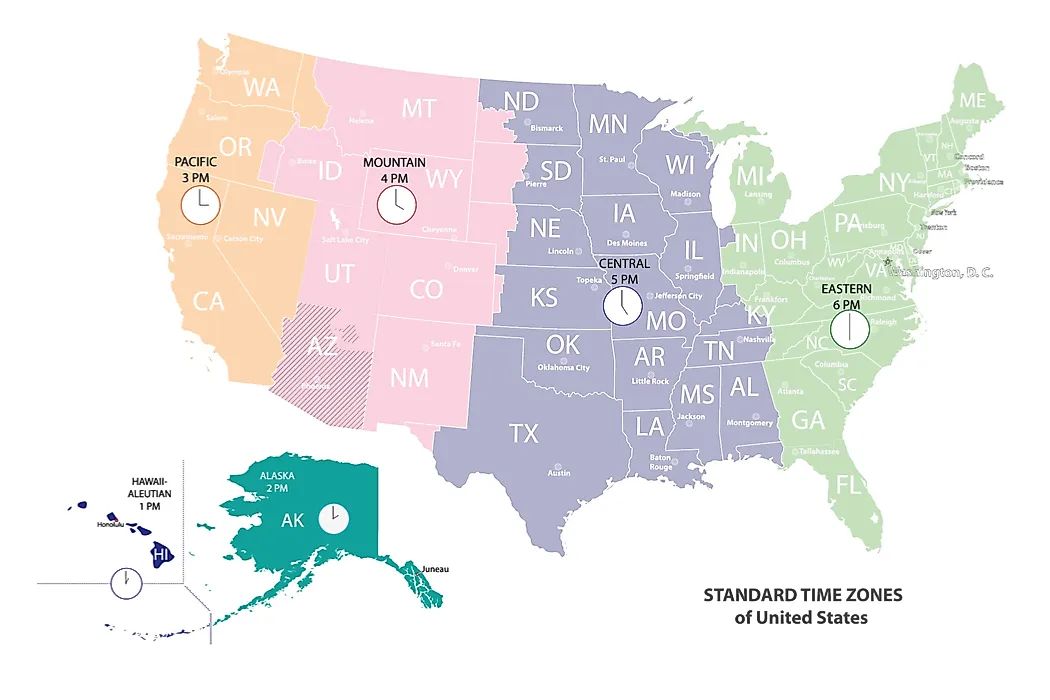
At its core, Alaska primarily observes the Alaska Standard Time (AKST), which is UTC-9 during standard time. This means it is nine hours behind Coordinated Universal Time (UTC). For most of the year, this translates to being four hours behind the Eastern Time Zone (ET), three hours behind the Central Time Zone (CT), two hours behind the Mountain Time Zone (MT), and one hour behind the Pacific Time Zone (PT).
When Daylight Saving Time comes into effect, typically from mid-March to early November, Alaska switches to Alaska Daylight Time (AKDT), moving to UTC-8. This temporary shift means the time difference with the contiguous US states remains largely the same, but the clock has effectively “sprung forward” an hour. Whether you’re planning a thrilling wildlife tour from Anchorage, a scenic flight over Denali National Park and Preserve, or a fishing excursion in Ketchikan, being aware of AKST and AKDT is paramount.
The Aleutian Exception
While the vast majority of Alaska adheres to AKST (AKDT in summer), there’s a unique geographical anomaly that requires special attention: the far western reaches of the Aleutian Islands. Specifically, the islands west of 169°30′W longitude observe Hawaii Standard Time (HST), which is UTC-10. This means these islands are one hour behind the rest of Alaska’s primary time zone. For most travelers, this won’t be a major concern unless their itinerary includes remote island hopping or visits to these specific, sparsely populated areas. However, for those planning extensive explorations or business ventures in these regions, it’s a detail that absolutely cannot be overlooked. Double-checking local times, especially when dealing with ferry schedules or local flights, becomes essential.
Practical Time Differences with the Lower 48 and Beyond
For most visitors from the contiguous US, the time difference with Alaska can be a significant adjustment. A flight from New York City (ET) to Anchorage will involve a four-hour time change, while a trip from Los Angeles (PT) will be a one-hour shift. This difference is not merely a matter of resetting your watch; it can lead to jet lag, affecting sleep patterns, energy levels, and overall enjoyment during the initial days of your trip.
For international travelers, especially those arriving from Europe or Asia, the time difference can be even more pronounced. Understanding this gap is crucial for maintaining communication with family, friends, or colleagues globally. For instance, an 8:00 AM meeting in London would be a late-night affair at 11:00 PM the previous day in Anchorage during AKST. Integrating this into your lifestyle planning, whether for luxury travel requiring international conference calls or simply staying in touch with loved ones, is key to a stress-free trip.
The Dance of Daylight: Long Summer Days and Winter’s Embrace
Beyond the static numbers of time zones, Alaska’s high latitude creates a dynamic and extreme variation in daylight hours throughout the year. This phenomenon profoundly impacts travel experiences, outdoor activities, and even the local culture.
Summer’s Midnight Sun: Extending Your Adventures
Visiting Alaska during the summer months (May to August) is an experience of perpetual daylight, often referred to as the “midnight sun.” In places like Fairbanks or Nome, north of the Arctic Circle, the sun barely dips below the horizon, or not at all for weeks, creating 20+ hours of daylight. Even in southern cities like Anchorage or Juneau, you can expect 18-19 hours of effective daylight.
This extended daylight significantly alters the rhythm of life and travel. For tourists, it means:
- Maximized Exploration: Longer days allow for more extensive sightseeing, hiking expeditions in Denali, wildlife viewing at the Alaska Wildlife Conservation Center, or boat tours in Glacier Bay National Park and Preserve. You can start early and finish late, packing more into each day without feeling rushed by an early sunset.
- Flexible Itineraries: Tour operators, cruise lines offering Alaskan cruises along the Inside Passage, and activity providers often adjust their schedules to take advantage of the prolonged light, offering later excursions for prime viewing opportunities.
- Unique Experiences: Imagine a round of golf at midnight, or a late-night picnic overlooking the Chugach Mountains. The midnight sun creates truly unforgettable, once-in-a-lifetime moments.

However, the constant light can also disrupt sleep patterns, especially for those unaccustomed to it. Packing an eye mask and choosing accommodations with blackout curtains (many Alaskan hotels like Hotel Captain Cook or The Lakefront Anchorage cater to this) are wise lifestyle choices to ensure restful sleep.
Winter’s Polar Night: Chasing the Aurora
Conversely, Alaskan winters bring incredibly short days and extended periods of darkness, particularly as you venture north. In places like Utqiagvik (formerly Barrow), the sun disappears entirely for several weeks around the winter solstice, giving way to the polar night. Further south, cities like Anchorage might only see 5-7 hours of daylight.
While this might sound daunting, winter travel to Alaska offers its own magical allure, centered around the elusive Aurora Borealis or Northern Lights. The long, dark nights provide the perfect canvas for this spectacular celestial display.
- Aurora Hunting: Tour groups specializing in Northern Lights viewing depart in the evenings, with prime viewing opportunities extending late into the night.
- Winter Sports: Snowmobiling, dog sledding (perhaps even catching a glimpse of the Iditarod Trail Sled Dog Race), and skiing at resorts like Alyeska Resort become the focus, often enjoyed under the glow of the moon or the Aurora.
- Cozy Tourism: Many local cultural experiences, hearty Alaskan cuisine, and indoor attractions come to the fore, offering a different kind of warmth and charm.

For winter visitors, timing your activities around the limited daylight is critical. Early morning starts for some outdoor activities are common, followed by opportunities to warm up indoors during the extended dark hours. Hotels and accommodations often provide comfortable, inviting spaces for relaxation after a day of crisp winter air, embodying the cozy side of Alaskan lifestyle.
Planning Your Alaskan Adventure: Time-Sensitive Considerations
Effectively managing your time in Alaska extends beyond knowing the current hour. It involves a strategic approach to travel logistics, accommodation bookings, and activity scheduling, all influenced by the unique temporal characteristics of the state.
Travel Logistics: Flights, Cruises, and Road Trips
The time difference and daylight variations have a profound impact on how you plan your arrival and departure, as well as internal travel within Alaska.
- Flight Schedules: When booking flights into major hubs like Ted Stevens Anchorage International Airport or Juneau International Airport, always consider the time change. An evening arrival in Anchorage from the East Coast will feel like the middle of the night, potentially impacting your first day’s energy. Factor in potential jet lag when planning strenuous activities immediately after arrival.
- Cruise Departures: Alaskan cruises often depart from Seattle or Vancouver (Pacific Time Zone). While onboard, ships typically adhere to local port times or a consistent “ship time.” Confirm this with your cruise line, especially for shore excursions in towns like Skagway or Sitka.
- Road Trips and Train Journeys: Driving the George Parks Highway to Denali or taking the Alaska Railroad to Seward means you’ll be immersed in the local time. In summer, the endless daylight can lead to misjudging how late it is, potentially delaying hotel check-ins or missing dinner reservations if you’re not careful. Conversely, in winter, planning drives during limited daylight hours for safety is crucial, especially on remote roads like the Dalton Highway to the Arctic Ocean.
Accommodation and Lifestyle Adjustments
Your choice of accommodation and how you manage your daily routine can significantly mitigate the challenges posed by Alaskan time.
- Booking and Check-in/Check-out: Always confirm hotel check-in and check-out times in local Alaskan time. If arriving late due to a time change, inform your hotel. Premier hotels or boutique Alaskan lodges often have flexible policies, but it’s always best to communicate.
- Amenities for Jet Lag: Look for hotels offering amenities that aid in combating jet lag. Features like light-blocking curtains, quiet rooms, and on-site dining options can be invaluable. Some higher-end resorts or specialized wellness retreats might even offer services like massage or mindfulness programs to help travelers adjust.
- Communication: Remember the time difference when scheduling calls or video chats with family and business contacts. Inform them of your new time zone to avoid inconvenient call times. For business travelers on a tight schedule, integrating this into your lifestyle planning is non-negotiable.
- Dining and Local Culture: While tourist hubs often cater to varied schedules, smaller towns and local establishments might have earlier closing times, especially in winter. Understanding the local rhythm, and adapting your meal times, is part of embracing Alaskan culture. Many local restaurants in cities like Homer or Talkeetna pride themselves on fresh, local cuisine, and catching them during their operating hours ensures the best experience.
Experiences and Landmarks: Timing is Everything
Many of Alaska’s most cherished experiences and landmarks require precise timing for optimal enjoyment.
- National Parks and Attractions: Visiting landmarks like Mendenhall Glacier outside Juneau, or exploring Kenai Fjords National Park near Seward, often involves specific tour departure times, ranger programs, or visitor center hours. Always check ahead, especially as these can vary seasonally with daylight hours.
- Wildlife Viewing: Wildlife like bears, moose, and marine mammals often have peak activity times (dawn and dusk). In summer, “dusk” might be 10:00 PM or later, while in winter, “dawn” might align more traditionally. This changes the optimal timing for guided tours or self-guided excursions to places like Kodiak Island for bear viewing.
- Cultural Events and Festivals: Alaska hosts various festivals, from the Anchorage Fur Rendezvous to local Native Alaskan celebrations. These events adhere strictly to local time, and planning your attendance requires careful synchronization with your internal clock.
Conclusion: Mastering the Alaskan Clock for a Memorable Journey
Embarking on an adventure to Alaska is an immersive experience that challenges perceptions and rewards with unparalleled beauty. While the grandeur of its mountains, glaciers, and wildlife often takes center stage, the unique temporal landscape of the state plays an equally significant, though often understated, role in shaping your journey. By understanding the nuances of Alaska Standard Time and Alaska Daylight Time, acknowledging the rare Hawaii Standard Time exception in the Aleutians, and preparing for the dramatic shifts in daylight from the perpetual sun of summer to the long, dark nights of winter, travelers can optimize every aspect of their trip.
From meticulously planning flight connections and booking accommodations equipped for comfortable sleep to scheduling unforgettable excursions and staying connected with the outside world, being time-aware transforms potential logistical hurdles into opportunities for deeper engagement. Embrace the Alaskan clock, whether it means relishing a late-night hike under the midnight sun or settling in for an evening of Northern Lights viewing. This thoughtful approach ensures that your exploration of Alaska is not just a trip, but a seamlessly orchestrated journey through one of the world’s most magnificent and time-defying destinations, leaving you free to absorb every breathtaking moment.
LifeOutOfTheBox is a participant in the Amazon Services LLC Associates Program, an affiliate advertising program designed to provide a means for sites to earn advertising fees by advertising and linking to Amazon.com. Amazon, the Amazon logo, AmazonSupply, and the AmazonSupply logo are trademarks of Amazon.com, Inc. or its affiliates. As an Amazon Associate we earn affiliate commissions from qualifying purchases.