
For anyone planning a trip to the Grand Canyon state, wondering “What time is it in Arizona now?” might seem like a simple question. However, the answer is often more nuanced than travelers anticipate, carrying unique implications for everything from flight schedules and tour bookings to coordinating with loved ones back home. Nestled amidst breathtaking deserts, majestic mountains, and vibrant cities like Phoenix and Tucson, Arizona marches to the beat of its own drum when it comes to time, creating a fascinating quirk in the American time zone landscape. This guide delves into the distinctive time practices of the Copper State, offering essential insights for travelers, exploring how this affects your travel plans, and ultimately, ensuring you make the most of every precious moment in this sun-drenched destination. From luxury resorts to rugged outdoor adventures, understanding Arizona’s temporal rhythm is key to a seamless and unforgettable journey.

Unraveling Arizona’s Unique Time Zone
Arizona’s approach to time is a source of mild confusion for many, but it’s a practice deeply ingrained in the state’s identity and climate. Unlike most of the United States, which observes Daylight Saving Time (DST), Arizona largely does not. This singular decision has historical and practical roots, primarily related to the state’s scorching summer temperatures, making it a fascinating subject for any curious traveler.
A Land Forever on MST
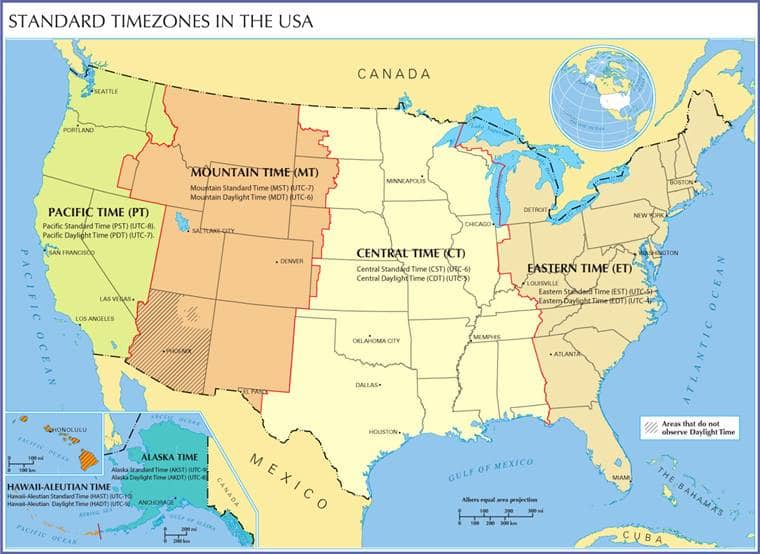
The vast majority of Arizona remains on Mountain Standard Time (MST) year-round. This means that from the second Sunday in March to the first Sunday in November, when other states “spring forward” for Daylight Saving Time, Arizona effectively shifts its relative position to surrounding states. During these months, Arizona aligns with Pacific Daylight Time (PDT), making it the same time as cities like Los Angeles and Las Vegas. However, from November to March, when Daylight Saving Time ends, Arizona reverts to being one hour ahead of Pacific Standard Time (PST), effectively making it the same time as Mountain Standard Time in states like Colorado and Utah. This consistent adherence to MST avoids the disruption of adjusting clocks twice a year and aligns with the desire to maximize daylight in the cooler morning hours, rather than extending it into the already blazing late afternoons and evenings during summer. For locals and frequent visitors, this becomes second nature, but for first-time travelers, it’s a crucial detail to remember. When planning your journey to this vibrant state, understanding this fundamental principle of “no DST” is your first step towards a smooth experience, impacting everything from travel itineraries to hotel check-ins and even simply knowing when to call family back home.
The Curious Case of the Navajo Nation
While most of Arizona observes MST year-round, there is one significant exception: the Navajo Nation. This vast indigenous territory, which spans portions of northeastern Arizona, New Mexico, and Utah, does observe Daylight Saving Time. This means that during the months when Daylight Saving Time is in effect (March to November), the Navajo Nation will be one hour ahead of the rest of Arizona. For example, if it’s 3:00 PM in Phoenix, it will be 4:00 PM within the Navajo Nation.
This temporal anomaly within Arizona’s borders is particularly important for travelers exploring iconic destinations such as Antelope Canyon, Monument Valley, and parts of the Grand Canyon’s North Rim, all of which are situated within or adjacent to Navajo Nation lands. The reason for this adherence to DST is largely practical: because the Navajo Nation crosses multiple state lines, observing DST helps maintain consistency with the surrounding states in its territory, simplifying inter-tribal and external communications and commerce. For visitors, this means double-checking the local time when venturing into these areas, especially for pre-booked tours or specific activity start times. Tour operators in places like Page, the gateway to Antelope Canyon and Lake Powell, are well-versed in this distinction and typically clarify the time zone they operate on. However, personal vigilance with your watch or smartphone’s time settings, especially if they automatically adjust, is always recommended to avoid missing a once-in-a-lifetime photo opportunity or tour departure.
Navigating Your Arizona Adventure: Time-Savvy Travel Tips
Understanding Arizona’s unique time zone situation is more than just a trivia fact; it’s a crucial element in planning a smooth and stress-free journey. From booking your initial flights to scheduling your daily explorations, a little awareness goes a long way in preventing confusion and ensuring you maximize your travel experience.
Planning Your Itinerary and Bookings
When you’re organizing your trip to Arizona, especially during the months when Daylight Saving Time is observed elsewhere (March to November), it’s essential to consider the time difference. For example, if you’re flying into Phoenix Sky Harbor International Airport from the East Coast of the United States, you’ll typically be three hours behind your departure time. However, during DST, Arizona is four hours behind Eastern Daylight Time (EDT), aligning with Pacific Daylight Time. This can affect when you arrive, when you can check into your hotel in Scottsdale or Flagstaff, and how quickly you want to dive into activities.
Similarly, when booking tours, especially those that involve crossing into the Navajo Nation, always confirm the time zone the tour operator is using. For a sunrise hike in Sedona, the time will be consistent with the rest of Arizona’s MST. However, if you’ve booked a slot to visit Antelope Canyon or Monument Valley, which are on Navajo Nation land, remember that these areas observe Daylight Saving Time. This means your tour might start an hour later (or earlier, depending on your perspective) than you initially thought based on the time in Flagstaff or Grand Canyon National Park, which remain on MST. Always double-check booking confirmations and website FAQs, as reputable operators are usually very clear about the local time used for their services. This meticulous planning ensures you won’t miss out on any of the incredible experiences Arizona has to offer.

Communication and Coordination
Beyond just booking tours and flights, Arizona’s unique time practices also have implications for communication and coordination, particularly for those traveling for business or wishing to stay connected with family and friends across the country. During the period of Daylight Saving Time (roughly March to November), when most of the United States “springs forward,” Arizona remains on Mountain Standard Time. This means that during these months, Arizona shares the same time as Pacific Daylight Time (PDT), making it two hours behind Central Daylight Time (CDT) and three hours behind Eastern Daylight Time (EDT).
For business travelers, scheduling virtual meetings or phone calls with colleagues in other states requires careful attention. A 9:00 AM meeting on the East Coast would be 6:00 AM in Arizona during DST, requiring an early start. Conversely, a 3:00 PM meeting in Arizona would be 6:00 PM EDT, potentially extending into evening hours for eastern colleagues. Similarly, staying in touch with family can involve similar considerations. A casual evening call with loved ones in New York at 8:00 PM their time would be 5:00 PM in Phoenix, a perfectly reasonable hour. However, the rest of the year (November to March), when DST is not in effect, Arizona reverts to being one hour ahead of Pacific Standard Time (PST), two hours behind Central Standard Time (CST), and three hours behind Eastern Standard Time (EST). It’s a subtle but significant shift that travelers should be mindful of. Utilizing world clock features on smartphones or dedicated time zone apps can be incredibly helpful for managing these differences and ensuring you’re always on schedule, both within the state and when connecting with the outside world.
Beyond the Clock: Experiencing Arizona’s Timeless Wonders
While understanding Arizona’s unique time zone is undoubtedly practical, it’s merely a backdrop to the truly magnificent experiences that await in the Grand Canyon State. This land of contrasts, from the scorching desert floors to pine-clad mountains, offers a spectrum of travel, tourism, and lifestyle opportunities that transcend temporal considerations, inviting visitors to immerse themselves fully in its natural beauty, rich history, and vibrant culture.
Iconic Landmarks and Attractions
Arizona is home to some of the world’s most recognizable and awe-inspiring natural landmarks. The majestic Grand Canyon National Park, a UNESCO World Heritage Site, draws millions with its colossal scale and breathtaking vistas. When planning a visit here, remember that the park, like most of Arizona, adheres to Mountain Standard Time year-round. This is particularly relevant for sunrise and sunset viewings, which are bucket-list experiences at the Grand Canyon, as the actual clock time will depend on the time of year relative to Daylight Saving Time elsewhere.
Beyond the Grand Canyon, the surreal red rock landscapes of Sedona offer spiritual retreats, challenging hikes, and stunning photo opportunities. Further north, the ethereal slot canyons of Antelope Canyon and the towering sandstone buttes of Monument Valley (both within the Navajo Nation, thus observing DST) provide otherworldly scenery that captivates photographers and adventurers alike. The ancient cliff dwellings of Montezuma Castle National Monument offer a glimpse into the lives of early native inhabitants, while the petrified trees of the Petrified Forest National Park paint a colorful picture of prehistoric life. Each of these landmarks promises an unforgettable experience, making Arizona a premier destination for those seeking natural wonders and historical depth. When visiting, always double-check the operating hours and guided tour schedules, especially for those attractions on Navajo Nation land, to ensure your time-sensitive plans align with their local clock.
Hotels, Resorts, and Accommodation for Every Lifestyle
Arizona’s accommodation landscape is as diverse as its scenery, catering to every lifestyle and budget, from luxurious pampering to rustic charm. In bustling cities like Scottsdale and Phoenix, travelers can indulge in world-class resorts such as The Phoenician or Sanctuary Camelback Mountain, A Gurney’s Resort & Spa. These establishments offer lavish suites, championship golf courses, rejuvenating spas, and exquisite dining, embodying the epitome of luxury travel. When booking your stay, remember that check-in and check-out times will always adhere to Arizona’s year-round Mountain Standard Time, which can be an hour different from your home time zone during certain periods.
For those seeking a more boutique experience, charming hotels in Sedona or Flagstaff provide cozy retreats amidst stunning natural backdrops. Many offer unique experiences like stargazing patios or direct access to hiking trails. Travelers on a budget can find comfortable and convenient hotels, motels, and vacation rentals throughout the state, particularly in gateway towns to national parks. Furthermore, extended stays or family trips often benefit from booking apartments or villas, providing amenities like full kitchens and more space. The website’s focus on accommodation and hotels means visitors can easily compare options, read reviews, and find the perfect base for their Arizona adventures, always keeping in mind the local time for reservations and activities. Whether you prefer the opulent amenities of a resort or the practicality of a long-term rental, Arizona offers an ideal lodging solution to enhance any travel experience.
Culinary Delights and Local Culture
Arizona’s allure extends far beyond its landscapes and luxurious accommodations; it’s a vibrant tapestry woven with rich culinary traditions and a diverse local culture. The state’s food scene is a delightful fusion of Southwestern flavors, deeply influenced by Mexican and Native American heritage. From upscale farm-to-table restaurants in Phoenix and Tucson to authentic roadside taco stands, there’s an endless array of gastronomic experiences. Tucson, recognized as a UNESCO City of Gastronomy, is particularly renowned for its vibrant food culture, offering everything from Sonoran hot dogs to innovative New American cuisine. When making dinner reservations, being mindful of the year-round Mountain Standard Time across most of the state ensures you arrive punctually for your culinary journey.
Beyond the plate, Arizona’s culture is expressed through its art galleries, museums, and local festivals. Explore the vibrant arts districts in Scottsdale or delve into the history of the Old West in Tombstone. Native American culture is profoundly visible, from the intricate crafts sold at trading posts on the Navajo Nation to the immersive cultural centers that educate visitors on tribal histories and contemporary life. Participating in a local festival or market, whether it’s a chili cook-off or an indigenous craft fair, provides a deeper connection to the community. These events, often scheduled months in advance, will operate on the local time of their respective locations, highlighting once again the importance of understanding whether you are within the Navajo Nation’s DST zone or the rest of Arizona’s consistent MST. Embracing Arizona’s lifestyle means slowing down to savor the flavors, appreciate the art, and engage with the stories that make this state truly unique, all while keeping a keen eye on the clock.
In conclusion, while the question “What time in Arizona now?” reveals a unique temporal landscape, it adds an intriguing layer to the travel experience rather than a complication. By understanding the state’s year-round adherence to Mountain Standard Time and the specific exception of the Navajo Nation during Daylight Saving Time, travelers can confidently plan their itineraries, book accommodations, and immerse themselves in the rich tapestry of Arizona’s landmarks, culture, and cuisine. So set your watches, embrace the difference, and prepare to discover the timeless beauty and adventure that await in the Grand Canyon State.
LifeOutOfTheBox is a participant in the Amazon Services LLC Associates Program, an affiliate advertising program designed to provide a means for sites to earn advertising fees by advertising and linking to Amazon.com. Amazon, the Amazon logo, AmazonSupply, and the AmazonSupply logo are trademarks of Amazon.com, Inc. or its affiliates. As an Amazon Associate we earn affiliate commissions from qualifying purchases.