California, a state synonymous with innovation, glamour, and unparalleled natural beauty, beckons millions of travelers each year. From the sun-drenched beaches of San Diego to the majestic redwoods of the north, and from the bustling urban sprawl of Los Angeles to the iconic hills of San Francisco, the Golden State offers an endless array of experiences. For both seasoned globetrotters and first-time visitors, understanding the rhythm of California, especially its time zone, is more than just a logistical detail; it’s a crucial element in crafting a seamless and enriching travel itinerary. Knowing the current time in California isn’t just about punctuality; it’s about optimizing your adventures, managing your energy, and immersing yourself fully in the distinct lifestyle that defines this vibrant corner of the world.
Whether you’re planning a business trip to Silicon Valley, a family vacation to Disneyland Resort, or a romantic escape to Napa Valley wineries, every minute counts. Time impacts everything from hotel check-ins and flight schedules to booking popular attractions and snagging reservations at acclaimed restaurants. This comprehensive guide will not only clarify California’s time zone but also delve into how understanding its temporal pulse can transform your trip, offering insights into travel planning, accommodation choices, landmark exploration, and embracing the unique California lifestyle.
Understanding California’s Time Zone: Pacific Standard Time
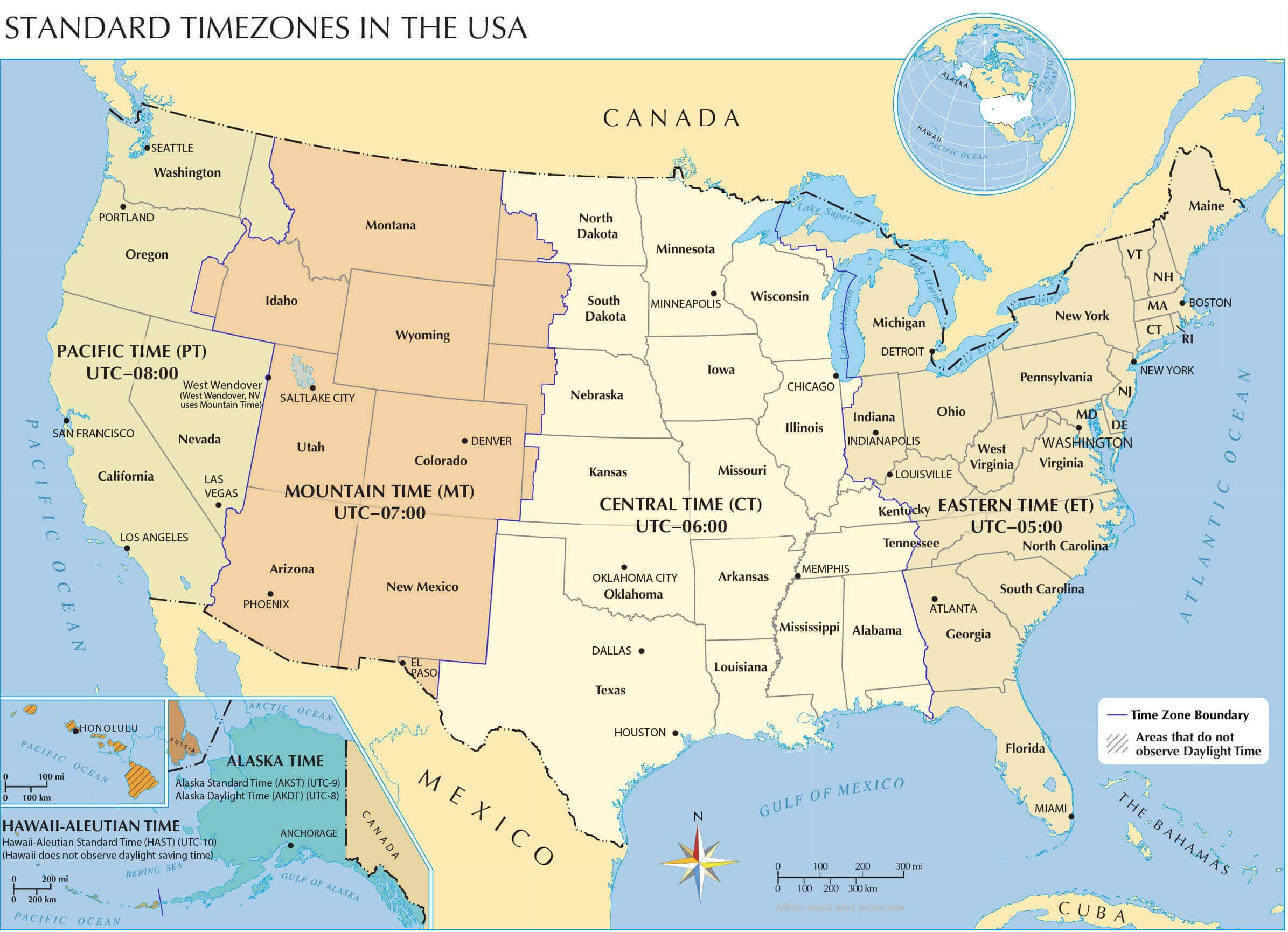
At any given moment, the current time in California adheres to the Pacific Time Zone. Specifically, during the cooler months, the state observes Pacific Standard Time (PST), which is UTC-8. When Daylight Saving Time (DST) is in effect, typically from early March to early November, California switches to Pacific Daylight Time (PDT), which is UTC-7. This annual shift means an hour “spring forward” in spring and an hour “fall back” in autumn, a detail vital for anyone planning international calls, coordinating multi-state travel, or simply ensuring they arrive on time for their morning surfing lesson in Malibu.
The consistency of a single time zone across the entire state simplifies internal travel considerably. Unlike some larger states or countries with multiple time zones, once you’re in California, you don’t need to worry about adjusting your clock as you travel from north to south or east to west within its borders. This allows for smoother transitions between diverse landscapes and cityscapes, from the desert oasis of Palm Springs to the rugged coast of Big Sur.

PST/PDT: The Annual Shift
The transition between PST and PDT is a well-established practice, but it can still catch travelers off guard. Daylight Saving Time aims to maximize daylight hours during the warmer months, offering longer evenings for outdoor activities and leisure. For tourists, this means more time to explore landmarks, enjoy al fresco dining, or simply soak up the sun. Conversely, during PST, evenings arrive earlier, which might influence plans for activities that rely on natural light, prompting a shift towards indoor entertainment, cozy dining experiences, or evening strolls under city lights. Always double-check the specific dates for the time change if your trip falls around these periods to avoid missed appointments or unexpected delays.
Why Knowing the Time Matters for Travelers
Beyond basic scheduling, understanding the local time has profound implications for a traveler’s experience. For those arriving from the East Coast of the United States or Europe, the time difference can be substantial, leading to jet lag. Planning your arrival and initial activities with this in mind can make a significant difference in how quickly you adapt. Early morning flights arriving in California can mean arriving in what feels like late afternoon for your body, making immediate high-energy activities challenging. Conversely, understanding peak hours for attractions or dining can help you avoid crowds and make reservations strategically. Many popular sites, like Alcatraz Island tours or visits to Universal Studios Hollywood, operate on strict schedules, making precise timing crucial for a smooth experience.
Time-Sensitive Adventures: Exploring California from Dawn to Dusk
California’s diverse landscape and vibrant cultural scene offer distinct experiences at different times of the day. Embracing the diurnal rhythm of the Golden State can unlock unique opportunities, from tranquil mornings to exhilarating nights.
Morning Magic: Catching the Golden Hour
The early morning in California offers a serene beauty, often referred to as the “golden hour” by photographers. Picture the sun rising over the Pacific Ocean from a beach in Santa Monica or casting long shadows across the Golden Gate Bridge in San Francisco. This is the perfect time for a peaceful walk along the coast, an invigorating hike in Griffith Park with panoramic views of Los Angeles and the Hollywood Sign, or a sunrise yoga session. Early risers can beat the crowds at popular breakfast spots, enjoy quieter museum visits, or take advantage of cooler temperatures for exploring natural wonders like Yosemite National Park or Joshua Tree National Park. For business travelers, early mornings often provide a quiet window for focused work before the workday officially begins for their local counterparts.
Midday Marvels: Attractions and Experiences
As the sun climbs high, California springs to life with a plethora of midday activities. This is prime time for visiting iconic landmarks such as the Getty Center, exploring the vibrant neighborhoods of San Francisco’s Fisherman’s Wharf, or enjoying thrilling rides at theme parks like Disneyland Resort in Anaheim. The warmer midday hours are also ideal for exploring California’s famed wine regions, such as Napa Valley or Sonoma Valley, where tastings are in full swing. For those seeking cultural immersion, local markets, art galleries, and historic missions like Mission San Juan Capistrano are typically open and bustling. Lunch options range from casual food trucks serving gourmet tacos to upscale dining experiences with ocean views, catering to every palate and budget.
Evening Enchantment: Dining, Entertainment, and Nightlife
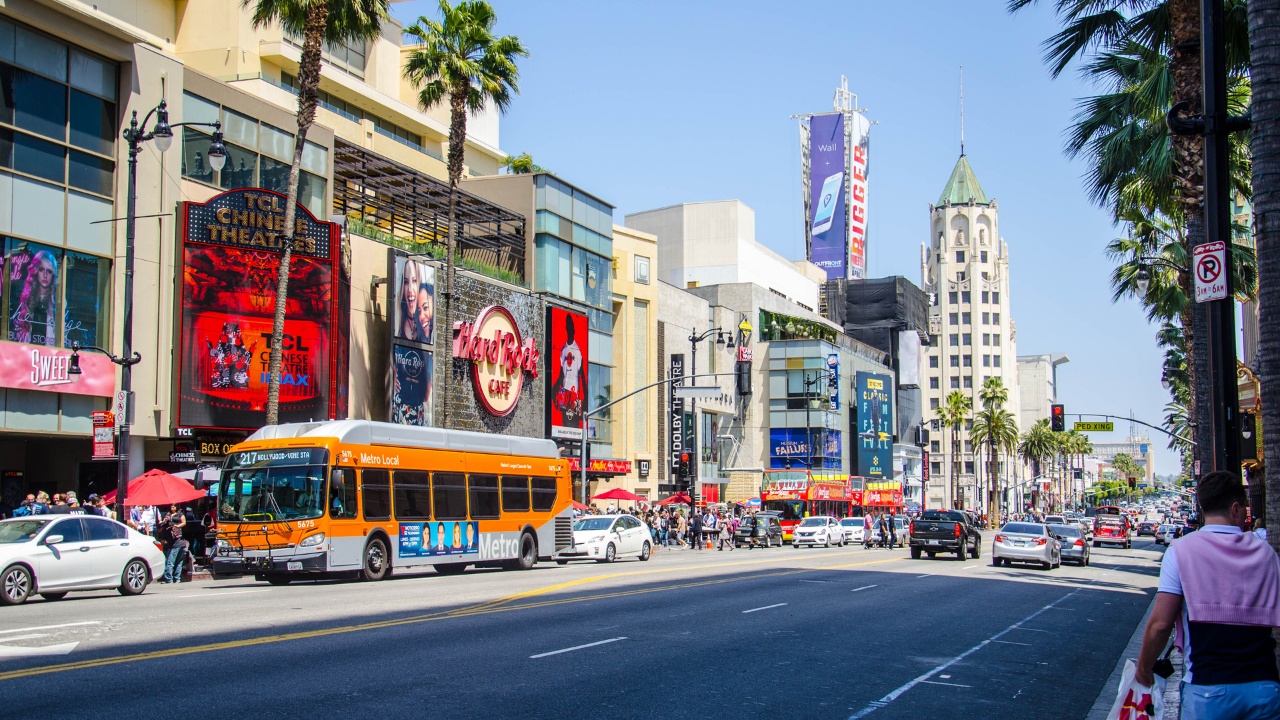
As the sun dips below the horizon, casting a warm, golden glow across the landscape, California transforms into a hub of evening enchantment. This is when the state’s culinary scene truly shines. From Michelin-starred restaurants in Beverly Hills to trendy eateries in Silver Lake and authentic ethnic cuisines in San Gabriel Valley, dinner is an experience in itself. Post-dinner, the entertainment options are boundless. Catch a Broadway show in San Francisco, enjoy live music on the Sunset Strip in Hollywood, or experience a cinematic classic at the historic TCL Chinese Theatre. Many museums and cultural centers also host special evening events, offering a different perspective on their collections. A leisurely stroll along the Santa Monica Pier with its vibrant lights and ocean breeze is also a quintessential California evening activity.
Late Night Luxuries: Unwinding on the West Coast
For those who thrive after dark, California’s cities offer a sophisticated and lively nightlife. Exclusive lounges, rooftop bars with glittering city views, and vibrant dance clubs keep the energy going well into the early hours. In Los Angeles, West Hollywood and Downtown LA are hubs for late-night revelry, while San Francisco’s Castro and Mission District offer unique bar scenes. Even in more serene destinations like Lake Tahoe or Monterey, you can find cozy pubs, casino entertainment, or stargazing opportunities. Luxury hotels across the state often feature 24-hour amenities, from fitness centers to in-room dining, catering to guests operating on varying schedules, particularly those adjusting to a new time zone.
Planning Your California Itinerary Across Time Zones
Effective time management is a cornerstone of successful travel planning, especially when crossing multiple time zones to reach California. Consideration for travel time, booking strategies, and personal well-being ensures a more enjoyable and less stressful trip.
From East Coast to West Coast: Conquering Jet Lag
The three-hour time difference between the East Coast and California (or even greater for international travelers) can lead to jet lag. To mitigate its effects, experts recommend adjusting your sleep schedule gradually before departure, staying hydrated during the flight, and exposing yourself to natural light upon arrival in California to help reset your internal clock. Avoid heavy meals and excessive alcohol on your travel day. Planning a lighter itinerary for your first day, perhaps a relaxing afternoon at your hotel or a gentle walk, can help your body acclimatize. Many luxury accommodations, such as the Beverly Wilshire, A Four Seasons Hotel or The Ritz-Carlton, Laguna Niguel, offer spa services and comfortable amenities designed to help guests unwind and recover from travel fatigue.
Business Travel and Time Management
For business travelers, understanding California time is paramount. Coordinating meetings, presentations, and conference calls with colleagues in different time zones requires meticulous planning. Schedule critical early morning meetings with East Coast partners for mid-morning California time, allowing everyone a reasonable start to their day. Many business-focused hotels in cities like San Francisco, Los Angeles, or Sacramento offer executive lounges, reliable high-speed internet, and 24-hour business centers to support demanding schedules. Opting for accommodations with flexible check-in/check-out options can also be beneficial for those with tight schedules and limited time.
Family Fun: Scheduling for All Ages
Traveling with family requires a careful balance of activities and downtime, and understanding the time zone plays a vital role. Younger children, especially, can struggle with jet lag and changes to their routine. Plan engaging, age-appropriate activities that consider nap times and early bedtimes for little ones. Theme parks often have early opening hours which can be advantageous for beating crowds before the midday rush. For example, scheduling your visit to Disneyland Resort to take advantage of “Magic Mornings” or similar early entry perks can maximize your fun without overwhelming the family later in the day. Many family-friendly resorts, like the Hotel del Coronado in San Diego, offer kids’ clubs and diverse activity schedules that can help keep children entertained and adjusted to local time.
Time for Every Taste: Lifestyle and Accommodation Considerations
The time in California also shapes the lifestyle experiences and accommodation choices available, catering to a spectrum of preferences, from luxury escapes to budget-conscious adventures.
Luxury vs. Budget: Time as a Resource
In luxury travel, time is often seen as a resource to be savored. Guests at exclusive resorts like the Post Ranch Inn in Big Sur might appreciate the unhurried pace of the morning, indulging in long breakfasts and spa treatments before venturing out. High-end tour operators offer personalized itineraries that account for optimal times to visit popular sites, avoiding crowds and ensuring a more intimate experience. For budget travelers, strategic timing can translate into significant savings. Visiting attractions during off-peak hours can mean lower entry fees or fewer queues, making the most of limited funds. Booking flights and accommodations during the shoulder seasons (spring and fall) or mid-week can also reduce costs while still offering excellent weather and a vibrant atmosphere. Long-term stays in serviced apartments or villas can provide the flexibility to live like a local, setting your own schedule and fully embracing the California rhythm.
Booking and Accessibility: Making the Most of Your Stay
With California’s immense popularity, many attractions, restaurants, and tours require advance booking. Understanding the local time is crucial for securing these reservations. Online booking systems often operate on local time, so a 9 AM opening for reservations might be 6 AM for someone on the East Coast. Being aware of this can give you an edge in securing coveted spots. Accommodation booking, whether for hotels, resorts, or apartment rentals, also benefits from this foresight. Reviews and comparison websites often highlight how different properties cater to varying schedules, such as offering late check-out options or early breakfast services. For those seeking unique experiences, like glamping in Death Valley National Park or exploring the ancient trees of Redwood National Park, knowing the best times to visit for optimal weather and crowd conditions is key.
In conclusion, knowing what time it is in California is far more than just checking a clock. It’s about understanding the pulse of a dynamic state, a key element in planning unforgettable travels, experiencing its world-famous landmarks, embracing its diverse lifestyle, and selecting the perfect accommodation. By harmonizing your personal schedule with the temporal flow of the Golden State, you unlock the full potential of your adventure, ensuring every moment spent in California is rich, vibrant, and truly maximized. So, adjust your watches, set your internal clocks, and prepare to immerse yourself in the timeless allure of the West Coast.