
For anyone planning a trip, a business venture, or simply curious about the rhythm of the Golden State, knowing the current time in California is essential. The entire state of California operates under a single time zone, ensuring a consistent schedule from its northern redwood forests to its southern deserts. This unified approach simplifies everything from travel logistics to daily communications across its vast and diverse landscapes.
Specifically, California observes Pacific Standard Time (PST) during the winter months and Pacific Daylight Time (PDT) during the spring, summer, and fall. Pacific Standard Time is UTC-8, meaning it is eight hours behind Coordinated Universal Time. When Daylight Saving Time is in effect, the clocks move forward one hour, shifting to Pacific Daylight Time, which is UTC-7. This annual adjustment, typically occurring in March and November, means that residents and visitors alike need to “spring forward” or “fall back” to align with the state’s official time. Understanding this fundamental aspect of California’s timekeeping is the first step in seamlessly integrating into its vibrant pace, whether you’re exploring its iconic landmarks, booking a luxurious hotel, or indulging in its world-renowned culinary scene.
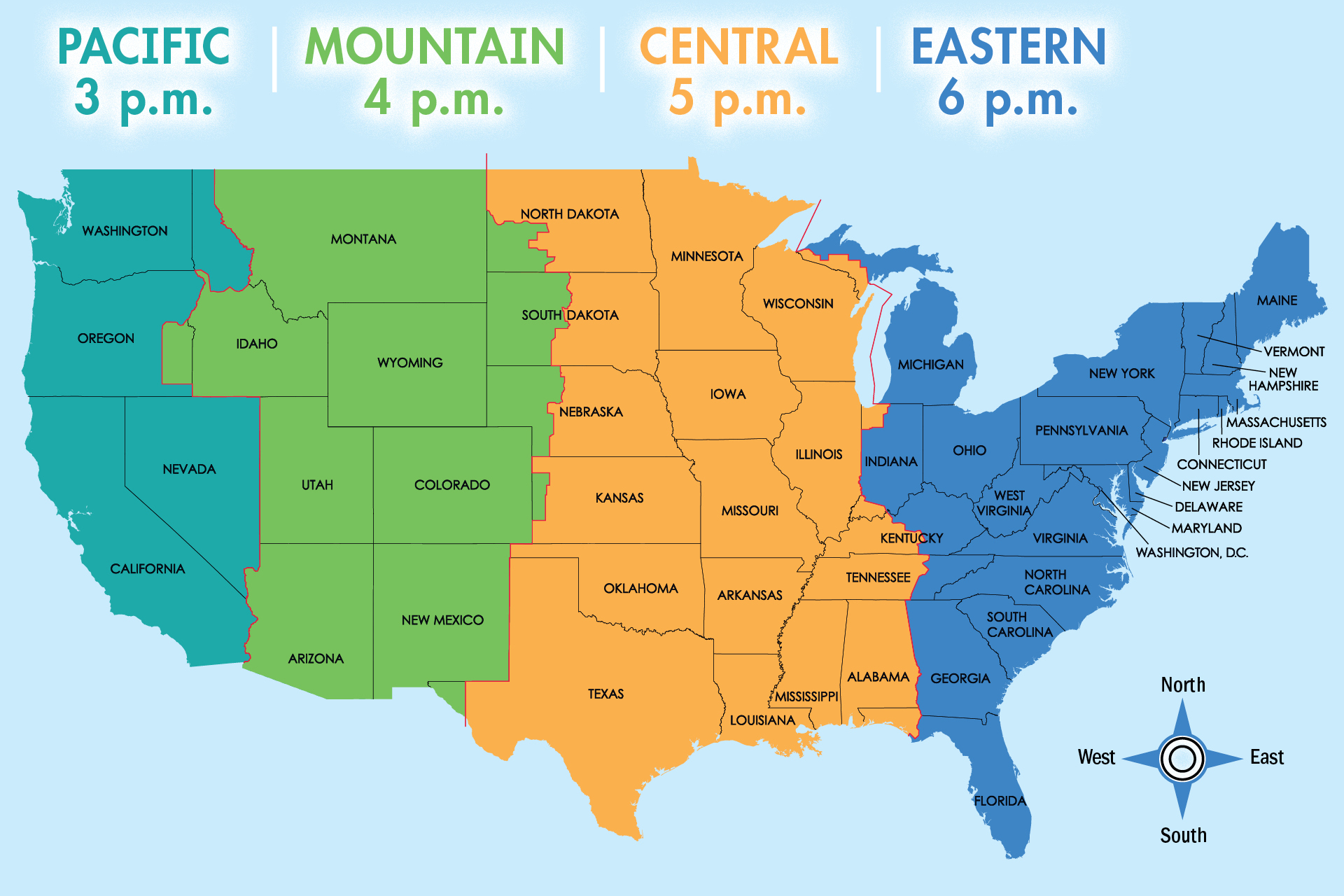
Navigating Time Zones for Seamless Travel and Accommodation
The single time zone across California is a significant advantage for travelers. Unlike countries or even other states in the United States that span multiple time zones, you won’t need to adjust your watch as you travel between cities like San Francisco, Los Angeles, San Diego, or even up to Lake Tahoe or into Napa Valley. This consistency simplifies itinerary planning, especially for road trips where every hour counts. However, for those arriving from outside the Pacific Standard Time or Pacific Daylight Time zones, managing the transition is key to a comfortable and productive visit.
Battling Jet Lag for an Optimal Experience
Jet lag can be a significant hurdle, especially for long-haul travelers. When your internal body clock is out of sync with the local time, it can impact your energy levels, sleep patterns, and overall enjoyment of your trip. For those flying into California from the East Coast of the United States or international destinations, anticipating the time difference is crucial.
- East Coast to West Coast: A typical three-hour time difference means an evening arrival in California might feel like the middle of the night to your body. Try to adjust your sleep schedule gradually a few days before departure.
- International Arrivals: Depending on your origin, the time difference can be substantial. Planning your arrival to allow for a day of rest can be incredibly beneficial. Staying hydrated, avoiding excessive caffeine and alcohol, and trying to expose yourself to natural light at appropriate times can help reset your circadian rhythm.
Hotels and accommodations across California are well-versed in assisting travelers with time zone adjustments. Many high-end resorts and luxury hotels, particularly in popular tourist hubs like Beverly Hills, offer amenities designed to combat jet lag, such as blackout curtains, 24-hour room service for late-night or early-morning cravings, and wellness programs focused on relaxation and rejuvenation. When booking a hotel, consider check-in and check-out times relative to your arrival and departure. An early check-in or late check-out might be worth the extra fee to avoid hours of waiting in a lobby when your body clock is demanding sleep. Utilizing accommodation booking platforms that compare options can help you find hotels with flexible policies or specific amenities that cater to jet-lagged travelers.
Coordinating Bookings and Activities
From dinner reservations in San Francisco’s bustling culinary scene to theme park tickets at Disneyland Resort in Anaheim, understanding local time is paramount. Many popular attractions and restaurants have limited operating hours or require advance booking, especially during peak season.
- Attraction Hours: Famous landmarks like the Golden Gate Bridge, Griffith Observatory in Los Angeles, or Yosemite National Park have specific opening and closing times. Always double-check these hours on their official websites, keeping in mind the Pacific Daylight Time schedule during relevant months.
- Restaurant Reservations: California’s food culture is a huge draw. Michelin-starred restaurants, vineyard tours in Napa Valley, or unique local eateries often require reservations far in advance. Be mindful of the time zone difference when making these bookings online, especially if you’re doing so from a different part of the world.
- Business Stays: For those on business trips in cities like San Jose, Sacramento, or Los Angeles, coordinating meetings and conference calls across time zones is a daily challenge. Always confirm the time in California before scheduling to avoid missed connections or awkward late-night/early-morning calls for colleagues in other regions. Many business-friendly hotels offer executive lounges and business centers with flexible hours to accommodate these needs.
Maximizing Your California Experience: Time-Sensitive Tourism and Lifestyle Tips
Beyond basic scheduling, understanding the rhythm of time in California can significantly enhance your travel experiences. From embracing local culture to optimizing your luxury or budget travel plans, timing truly is everything.
Experiencing California’s Diverse Culture and Activities
California offers an unparalleled array of activities, from surfing on pristine beaches to exploring ancient redwoods. Each region has its unique pace and optimal times for engagement.
- Coastal Charm: For beach lovers, cities like Santa Monica Pier, La Jolla, or Laguna Beach come alive earlier in the day with surfers catching morning waves and boardwalks bustling by midday. Sunsets along the California Central Coast or in Big Sur are often the main event, requiring proper timing for the best views.
- City Life and Entertainment: In urban centers like Hollywood or downtown Los Angeles, the nightlife often begins later. Shows at the Hollywood Bowl, events at Universal Studios Hollywood, or simply strolling the Hollywood Walk of Fame might be best experienced during specific hours to avoid crowds or catch particular performances. Dining culture varies; early bird specials might be available in some areas, while fine dining establishments embrace a later evening.
- Nature and Adventure: Visiting national parks like Yosemite National Park, Death Valley National Park, or Joshua Tree National Park requires careful timing. Early mornings are often best for hiking to avoid the heat in desert regions or to find parking in popular trailheads. Wildlife viewing, such as seeing marine life at Monterey Bay Aquarium or whale watching off the coast, is often seasonal and time-dependent. Even touring historic sites like Alcatraz Island or Hearst Castle requires precise booking times for ferry or tour departures.
Lifestyle Considerations: Luxury, Budget, Family, and Business
The concept of time impacts various travel lifestyles differently, and California’s offerings cater to all.
Luxury Travel and Exclusive Experiences
For luxury travelers, timing can mean securing exclusive access or avoiding crowds. A private wine tasting in Napa Valley might be best scheduled mid-morning to enjoy the ambiance before the rush. Booking a spa treatment at a top-tier resort in Palm Springs or Carmel-by-the-Sea often requires precise scheduling. Even dining at a renowned restaurant might offer a more intimate experience during off-peak hours, allowing for more personalized service. Understanding local event schedules, such as film festivals or fashion weeks, also helps in planning luxury stays around exclusive happenings. Many luxury accommodations, from boutique hotels to sprawling villas, offer concierge services that excel at managing these time-sensitive bookings.
Budget-Friendly Exploration
Budget travelers can leverage time differences to their advantage. Visiting popular attractions like Disneyland Resort or Universal Studios Hollywood during the off-season or on weekdays can mean lower ticket prices and shorter wait times. Many museums offer free admission on specific days or evenings. Planning meals around happy hour specials in cities like San Diego or exploring vibrant street food scenes in Venice Beach at peak meal times can save money while providing authentic cultural experiences. Accommodation options, such as apartments or long-term stays, often have better rates when booked well in advance, giving you ample time to compare prices.
Family Trips and Business Stays
- Family Adventures: Traveling with children often means adhering to strict schedules. Knowing park opening times, planning around nap times for younger kids, and allowing ample travel time between attractions are critical. Early mornings at theme parks often mean fewer crowds and cooler temperatures. Booking family-friendly suites or apartments with kitchenettes can also help maintain routines, regardless of the time difference.
- Business Efficiency: For those on business trips, time is literally money. Being punctual for meetings, knowing when to schedule conference calls with clients in different time zones, and understanding the local business hours for banks or government offices are crucial. Hotels offering high-speed internet, comfortable workspaces, and 24-hour amenities cater specifically to the demands of the business traveler, helping them maximize their productivity during their stay in California.
The Importance of Staying Updated
While California consistently observes Pacific Standard Time and Pacific Daylight Time, it’s always wise to stay updated, especially regarding the Daylight Saving Time changes. The state has periodically debated changes to its Daylight Saving Time policy, and while no immediate changes are on the horizon, being aware of current events can prevent unexpected disruptions. Regularly checking a reliable time zone converter or local news sources before and during your trip ensures you are always in sync with the Golden State.
In conclusion, knowing “What time in California?” goes far beyond a simple numerical answer. It’s about understanding the rhythm of a diverse and dynamic state, enabling you to plan meticulously, minimize disruptions, and ultimately, enrich your entire travel experience. From booking your ideal hotel to exploring iconic landmarks like Redwood National Park or savoring a meal in Los Angeles, being mindful of the clock is your key to unlocking all that California has to offer.
LifeOutOfTheBox is a participant in the Amazon Services LLC Associates Program, an affiliate advertising program designed to provide a means for sites to earn advertising fees by advertising and linking to Amazon.com. Amazon, the Amazon logo, AmazonSupply, and the AmazonSupply logo are trademarks of Amazon.com, Inc. or its affiliates. As an Amazon Associate we earn affiliate commissions from qualifying purchases.