
Planning a trip to the Sunshine State often involves mapping out destinations, booking accommodations, and dreaming of sun-drenched beaches and thrilling attractions. Yet, amidst the excitement of impending travel, one crucial detail often gets overlooked: understanding the local time. For a state as diverse and geographically sprawling as Florida, knowing “What time in Florida, USA now?” is more than a simple curiosity; it’s an essential piece of information that can profoundly impact your entire travel experience, from punctual airport transfers to seamless hotel check-ins and perfectly timed excursions.
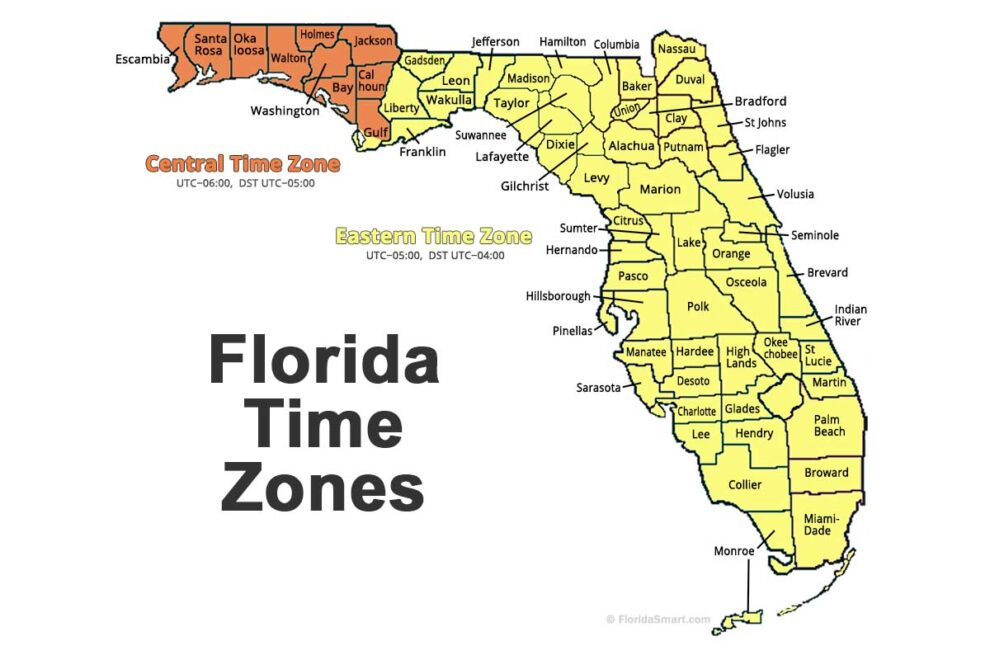
At any given moment, the majority of Florida operates on either Eastern Standard Time (EST) during the winter months or Eastern Daylight Time (EDT) during warmer periods, aligning with much of the USA’s East Coast. However, there’s a significant exception in the state’s western panhandle that uses the Central Standard Time (CST) or Central Daylight Time (CDT). This time zone split, combined with the biannual shift for Daylight Saving Time, means that staying informed about local time is key to unlocking a smooth and stress-free journey through this vibrant destination. This article delves into the nuances of Florida’s time zones, offering essential insights for travelers, from optimizing itineraries to enhancing your overall lifestyle experience in the Sunshine State.
Understanding Florida’s Time Zones: A Traveler’s Essential Guide
Navigating the clock in Florida is generally straightforward, but awareness of its dual time zones and the observance of Daylight Saving Time is vital for any visitor. Misunderstanding these can lead to missed flights, late appointments, or simply unnecessary stress on your vacation.
The Eastern Standard Time (EST) / Eastern Daylight Time (EDT) Dominance
The vast majority of Florida, including popular tourist hotspots like Orlando, Miami, Tampa, and Key West, adheres to the Eastern Time Zone. This means that during the standard time period (roughly from early November to mid-March), these areas are on Eastern Standard Time (EST), which is UTC-5. When Daylight Saving Time kicks in (typically from mid-March to early November), they switch to Eastern Daylight Time (EDT), which is UTC-4.
This alignment simplifies travel for most visitors arriving from other Eastern Time Zone locations in the USA or Canada, as there’s no time difference to contend with. For those flying in from the Central, Mountain, or Pacific time zones, or especially from international destinations, a time adjustment will be necessary. Knowing whether you’ll be gaining or losing hours can significantly affect your arrival plans, allowing you to account for potential jet lag and ensure you’re ready to hit the ground running, whether your first stop is the magical gates of Walt Disney World Resort or the vibrant shores of South Beach.
The Panhandle’s Central Time Zone Exception
While most of Florida basks in Eastern Time, a distinct segment of its northwestern panhandle operates on the Central Time Zone. Specifically, counties west of the Apalachicola River, including popular destinations like Pensacola, Destin, and the western parts of Panama City Beach, observe Central Standard Time (CST) at UTC-6 and Central Daylight Time (CDT) at UTC-5 during Daylight Saving Time.
This one-hour difference can catch unsuspecting travelers off guard, especially those planning a road trip across the state or making connections within Florida. Imagine flying into Pensacola from Orlando; you would effectively “gain” an hour. Conversely, traveling from Pensacola to Tallahassee (which is in the Eastern Time Zone) means you’d “lose” an hour. For travelers whose itineraries involve both parts of Florida, it’s crucial to confirm the time zone for each specific location to avoid missed appointments, booking errors for tours, or late arrivals for hotel check-ins. Always double-check flight times, tour schedules, and restaurant reservations if your journey takes you across this invisible time boundary.
Navigating Daylight Saving Time in Florida
Like most of the USA, Florida observes Daylight Saving Time, meaning clocks “spring forward” one hour in the spring and “fall back” one hour in the autumn. While legislative efforts have occasionally sought to make Daylight Saving Time permanent in Florida, for now, travelers must account for this biannual change.
The primary implication for tourists is ensuring all digital devices automatically adjust, especially for booking and scheduling activities. Travel guides and brochures might list operating hours for attractions like Universal Orlando Resort based on standard time, which would shift during Daylight Saving Time. This change primarily affects the perception of daylight hours, offering longer evenings for outdoor activities and dining al fresco. It’s a boon for tourism, allowing visitors more time to enjoy beaches, theme parks, and outdoor adventures without feeling rushed. However, for those with tight schedules or connecting flights, being aware of the exact date of the time change (usually the second Sunday in March and the first Sunday in November) is paramount to prevent any timing mishaps.
The Impact of Time Zones on Your Florida Travel Experience
Understanding Florida’s time zones extends far beyond merely setting your watch. It’s a critical component of effective travel planning, maximizing enjoyment, and ensuring a smooth transition into your vacation rhythm.
Seamless Travel Planning: Flights, Bookings, and Itineraries
Precise time zone awareness is the cornerstone of seamless travel planning. When booking flights, especially those with connections or arrivals late in the evening, confirming the local time at your destination in Florida is non-negotiable. An arrival time of 9:00 PM CST in Pensacola means 10:00 PM EDT to someone flying from Miami, potentially impacting transportation options, hotel check-in availability, and even your first meal.
Similarly, when making reservations for hotels, resorts, or apartment rentals, check-in and check-out times are always stated in local time. Being aware of the time difference if you’re traveling from another zone can help you plan your arrival to coincide with check-in, or arrange for early check-in or late check-out if necessary, avoiding wasted time waiting. For guided tours, boat charters in the Gulf of Mexico, or specific attraction entry times, verify these against your local time immediately upon arrival. This proactive approach helps prevent minor inconveniences from escalating into significant disruptions, ensuring your itinerary unfolds precisely as planned.
Maximizing Your Vacation: Attractions, Dining, and Activities
Florida is a land of endless activities, from thrilling theme parks in Orlando to vibrant nightlife in Miami, historical sites in St. Augustine, and natural wonders like Everglades National Park. The operational hours for these attractions and dining establishments are always in local time.
For visitors arriving from western time zones, the “extra” hours of daylight in the evening during Daylight Saving Time can be a huge advantage. You might find you have more energy to enjoy a late dinner, catch a sunset cruise, or explore a bustling boardwalk. Conversely, those traveling from the east may experience mornings that feel earlier, allowing for a head start on popular attractions before the crowds descend. Planning your day around the local clock helps optimize your time, whether you’re aiming to be first in line for a ride at Universal Orlando Resort or secure a prime table at a beachfront restaurant in Sarasota. Factor in travel time between locations, especially if crossing the Eastern/Central time zone boundary, to ensure you don’t miss any scheduled experiences.
Mitigating Jet Lag for a Refreshed Arrival
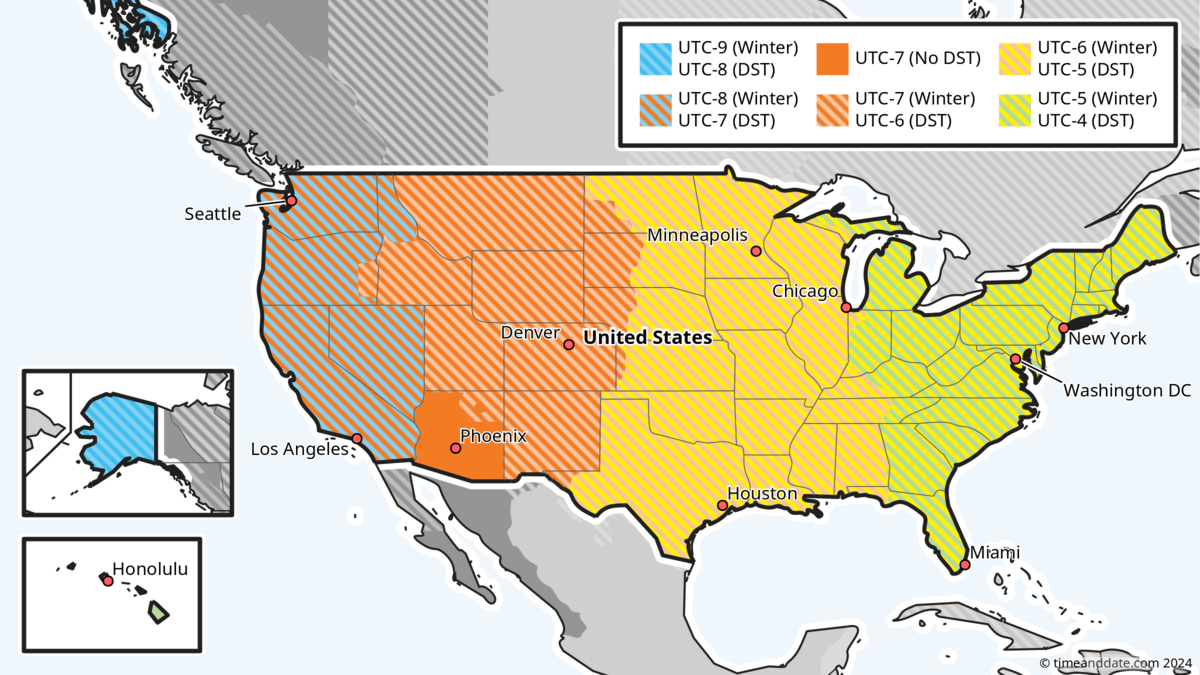
Jet lag can turn the excitement of arrival into a struggle, particularly for travelers crossing multiple time zones. While Florida’s time zones are generally contained within the continental USA, visitors from the Pacific or Mountain time zones, or international travelers, will experience a noticeable shift.
To combat jet lag, start adjusting your sleep schedule a few days before your trip. Once you arrive, try to immerse yourself in the local rhythm as quickly as possible. Expose yourself to natural light during the day, eat meals at local times, and stay hydrated. Even a one-hour difference when transitioning from CST to EST can affect sensitive individuals, making it harder to wake up or fall asleep. Planning a less strenuous first day, perhaps with a relaxing stroll on a beach in Naples or a gentle exploration of your hotel’s amenities, can allow your body to acclimate gracefully. A well-rested traveler is a happy traveler, ready to fully embrace all the adventures Florida has to offer.
Florida by the Clock: Regional Considerations
Florida’s vast geography means that local time plays a different role depending on where you are in the state. From the bustling metropolises along the Atlantic Ocean to the laid-back communities of the Gulf of Mexico, understanding regional time rhythms enhances the travel experience.
East Coast Vibrancy: Miami, Orlando, and Jacksonville
The majority of Florida’s iconic destinations lie within the Eastern Time Zone. Cities like Miami, with its electric nightlife and cultural events, and Orlando, the theme park capital, thrive on a bustling, dynamic schedule. Jacksonville, Fort Lauderdale, Palm Beach, and Boca Raton also follow this rhythm. For these areas, the concept of “Florida time” generally refers to EST or EDT.
Travelers to these vibrant cities will find that activities start early and often extend late into the evening. Restaurants, shops, and attractions maintain schedules optimized for a lively tourist influx. Consider catching the sunrise over the Atlantic Ocean or experiencing the late-night entertainment in South Beach or Downtown Orlando. Even landmarks like the Kennedy Space Center Visitor Complex adjust their tour times and launch schedules (when applicable) to Eastern Time, emphasizing the importance of staying synchronized with the local clock for optimal enjoyment of these premier destinations.
West Coast Charm: Tampa, St. Petersburg, and Fort Myers
Florida’s west coast, bordering the tranquil Gulf of Mexico, also operates on Eastern Time. This includes major cities like Tampa, St. Petersburg, Fort Myers, Sarasota, and Naples, as well as the enchanting Florida Keys, stretching down to Key West.
While operating on the same time zone as their East Coast counterparts, the pace of life on the west coast often feels a touch more relaxed, particularly evident in the appreciation for spectacular sunsets over the Gulf of Mexico. Dining reservations might be geared towards experiencing these natural phenomena, and water-based activities like fishing charters or dolphin cruises are timed with tides and optimal viewing conditions. For those seeking a blend of cultural experiences and serene beaches, synchronizing with the local Eastern Time ensures you catch every memorable moment, from a morning visit to the Salvador Dalí Museum in St. Petersburg to an evening stroll along the historic St. Pete Pier.
The Panhandle’s Distinct Rhythm: Pensacola and Panama City Beach
The western Florida Panhandle, with its stunning white-sand beaches and family-friendly attractions, introduces the state’s only time zone deviation. Pensacola, Destin, and most of Panama City Beach are on Central Time. This one-hour difference from the rest of the state is a critical detail for travelers, especially those planning to visit destinations on both sides of the Apalachicola River.
For example, if you’re enjoying the lively atmosphere of Panama City Beach, your clock will show one hour earlier than if you were just a short drive east in Port St. Joe, which is in Eastern Time. This means early morning beach walks might feel an hour later, and evening activities could extend further into the perceived night compared to Eastern Time locations. Confirming restaurant opening hours, amusement park schedules, and particularly any local event times in Pensacola or Destin is essential to ensure your plans align with the local Central Time. This distinct rhythm gives the Panhandle a unique feel, demanding a mindful approach to scheduling to fully appreciate its charm.
Time and Hospitality: Accommodation and Lifestyle in the Sunshine State
The concept of “time” is intrinsically linked to hospitality services and the broader lifestyle experience in Florida. From hotel operations to how visitors plan their days, understanding the local clock is paramount for a seamless and enjoyable stay.
Hotel Check-ins and Check-outs: Synchronizing Your Stay
Hotel check-in and check-out times are strictly adhered to in local time, regardless of where guests are traveling from. Typically, check-in is in the mid-afternoon (e.g., 3:00 PM or 4:00 PM) and check-out is in the late morning (e.g., 11:00 AM or 12:00 PM). For guests arriving from a different time zone, particularly one that’s significantly earlier than Florida’s, this might mean arriving well before their room is ready. Conversely, an early flight could force a very early check-out.
Many hotels and resorts, from luxury chains to boutique accommodations in Key West, offer baggage storage facilities, allowing guests to explore before check-in or after check-out. If your flight arrives exceptionally early or departs very late, consider booking an extra night or arranging a late check-out with the hotel, often for an additional fee. Communicating your travel schedule in advance with your accommodation can help them prepare for your arrival and potentially offer flexible solutions, ensuring a smooth start and end to your stay. Always confirm these details in local Florida time to avoid any misunderstandings.
From Luxury Retreats to Budget-Friendly Stays: Time-Sensitive Decisions
Whether indulging in a opulent resort experience or opting for a budget-friendly apartment rental, time management is a critical factor in maximizing your investment. For luxury travelers, time often translates to curated experiences – spa appointments, exclusive dining reservations, and private tours. Missing a reservation due to a time zone miscalculation can be a costly mistake. High-end resorts in Palm Beach or Naples operate on precise schedules to deliver their premium services.
For budget travelers, optimizing time means making the most of every hour to visit free attractions, take advantage of happy hour deals, or plan efficient routes between sights. Family trips, whether to the theme parks of Orlando or the serene beaches of Amelia Island, require meticulous timing to manage children’s schedules and ensure everyone enjoys the trip without becoming overtired. Even business travelers must meticulously manage their time, aligning meetings and presentations with local business hours to maintain professionalism and productivity. Regardless of travel style, a solid understanding of local time helps make time-sensitive decisions that enhance the overall value and enjoyment of your Florida experience.
Embracing the Florida Lifestyle: When to Rise and Shine
The Florida lifestyle is deeply connected to its climate and natural beauty, and local time dictates the rhythm of daily life. Early risers can witness breathtaking sunrises over the Atlantic Ocean on the East Coast or enjoy cooler temperatures for a morning jog. Those who prefer a more leisurely pace might find themselves embracing late-morning brunches followed by an afternoon by the pool.
During Daylight Saving Time, the extended daylight hours in the evening encourage outdoor activities long after typical business hours. This means more time for beach walks, sunset dining, or enjoying outdoor entertainment without feeling rushed. Conversely, in winter when the sun sets earlier, the evening ambiance shifts towards cozy indoor dining or festive holiday events. Whether you’re planning to experience the vibrant nightlife of Miami, the serene natural beauty of the Florida Keys, or the bustling energy of Orlando, aligning your internal clock with Florida’s time ensures you’re perfectly synchronized to savor every moment of your adventure in the Sunshine State. From booking the ideal hotel to experiencing local culture and food, time is truly of the essence.
LifeOutOfTheBox is a participant in the Amazon Services LLC Associates Program, an affiliate advertising program designed to provide a means for sites to earn advertising fees by advertising and linking to Amazon.com. Amazon, the Amazon logo, AmazonSupply, and the AmazonSupply logo are trademarks of Amazon.com, Inc. or its affiliates. As an Amazon Associate we earn affiliate commissions from qualifying purchases.