
When travelers ask, “What time is it on the Big Island?” they are usually looking for more than just a numerical value on a clock. They are inquiring about the rhythm of life in the Hawaii-Aleutian Standard Time (HST) zone. Understanding the clock in Hawaii is the first step in transitioning from the frantic pace of the Mainland United States to the restorative flow of the Pacific Ocean lifestyle. On the Big Island, time is dictated by the sun, the tides, and the ancient volcanic energy that continues to shape the land.
Understanding the Island Rhythm and Time Zone
The Big Island operates on its own schedule, quite literally. To plan a successful trip, one must first grasp the technicalities of the local time zone and how it interacts with the rest of the world, particularly regarding the lack of seasonal shifts.

The No-Daylight-Savings Factor
One of the most unique aspects of time in Hawaii is that the state does not observe Daylight Saving Time. While much of North America and Europe shifts their clocks forward or backward twice a year, the Big Island remains steadfast in Hawaii-Aleutian Standard Time year-round.
This consistency means the time difference between the Big Island and cities like Los Angeles, New York, or London changes depending on the time of year. During the summer months, Hawaii is three hours behind Pacific Daylight Time and six hours behind Eastern Daylight Time. In the winter, when the mainland reverts to standard time, those gaps narrow to two and five hours, respectively. For tourists, this is a vital logistical detail when scheduling international flights or calling home to Canada or the United States.
Sunrise and Sunset Rhythms
Because the Big Island is located relatively close to the equator, the length of the days does not fluctuate as dramatically as it does in higher latitudes. Regardless of whether you visit in July or December, you can expect roughly 11 to 13 hours of daylight.
In Hilo or Kailua-Kona, the sun typically rises between 5:45 AM and 7:00 AM and sets between 5:45 PM and 7:00 PM. This consistency creates a predictable schedule for outdoor activities. Most locals are “early birds,” waking with the first light to surf or hike before the midday heat sets in. For the visitor, “Big Island time” means realizing that many local coffee shops and breakfast spots open as early as 6:00 AM, while the island begins to quiet down significantly after 8:00 PM.
Planning Your Itinerary Around the Sun
To truly experience the Big Island, you must align your activities with the natural light cycles. The island’s diverse microclimates—ranging from tropical rainforests to arid volcanic deserts—react differently to the time of day.
Early Morning Adventures at Hawaii Volcanoes National Park
If you are visiting Hawaii Volcanoes National Park, time is of the essence. To beat the crowds and experience the park in its most ethereal state, arriving before dawn is highly recommended. Witnessing the glow of Kilauea or Mauna Loa against a dark sky is a spiritual experience for many.
As the sun rises over the Chain of Craters Road, the landscape transforms from obsidian shadows into a vibrant tapestry of reds, browns, and greens. Early morning is also the best time for hiking the Kilauea Iki Trail, as the crater floor can become incredibly hot by noon. By timing your visit to the early hours, you avoid the heavy tour bus traffic that typically arrives mid-morning from the Kohala Coast.
Stargazing on Mauna Kea
While mornings are for volcanoes, the evening belongs to Mauna Kea. Standing at nearly 14,000 feet above sea level, this dormant volcano is home to some of the world’s most advanced astronomical observatories. For tourists, the “time” to be here is during the transition from “Golden Hour” to total darkness.
Watching the sunset from the summit of Mauna Kea is often cited as a highlight of any trip to Hawaii. However, visitors must account for the time required for altitude acclimatization at the Visitor Information Station. Proper timing ensures you reach the summit before the road closes to uphill traffic and allows you to witness the celestial display as the Milky Way becomes visible to the naked eye.
Afternoon in Kailua-Kona and Sunset Traditions
The western side of the island, centered around Kailua-Kona, is the sun-drenched heart of the tourism industry. Here, time slows down in the afternoon. The heat of the day is the perfect time for snorkeling at Kahaluu Beach Park or exploring the historic Hulihee Palace.
As evening approaches, the “Kona Sunset” becomes the main event. Whether you are at a waterfront bar on Alii Drive or sitting on the sands of Magic Sands Beach, the setting sun is a daily celebration. Many visitors time their dinner reservations to coincide with the sunset, often seeking out establishments like Huggos on the Rocks to enjoy the view with a tropical drink.
Local Culture and the Concept of “Island Time”
Beyond the hours and minutes, “what time” it is on the Big Island refers to a cultural mindset. Understanding this is essential for any visitor hoping to respect the local way of life.
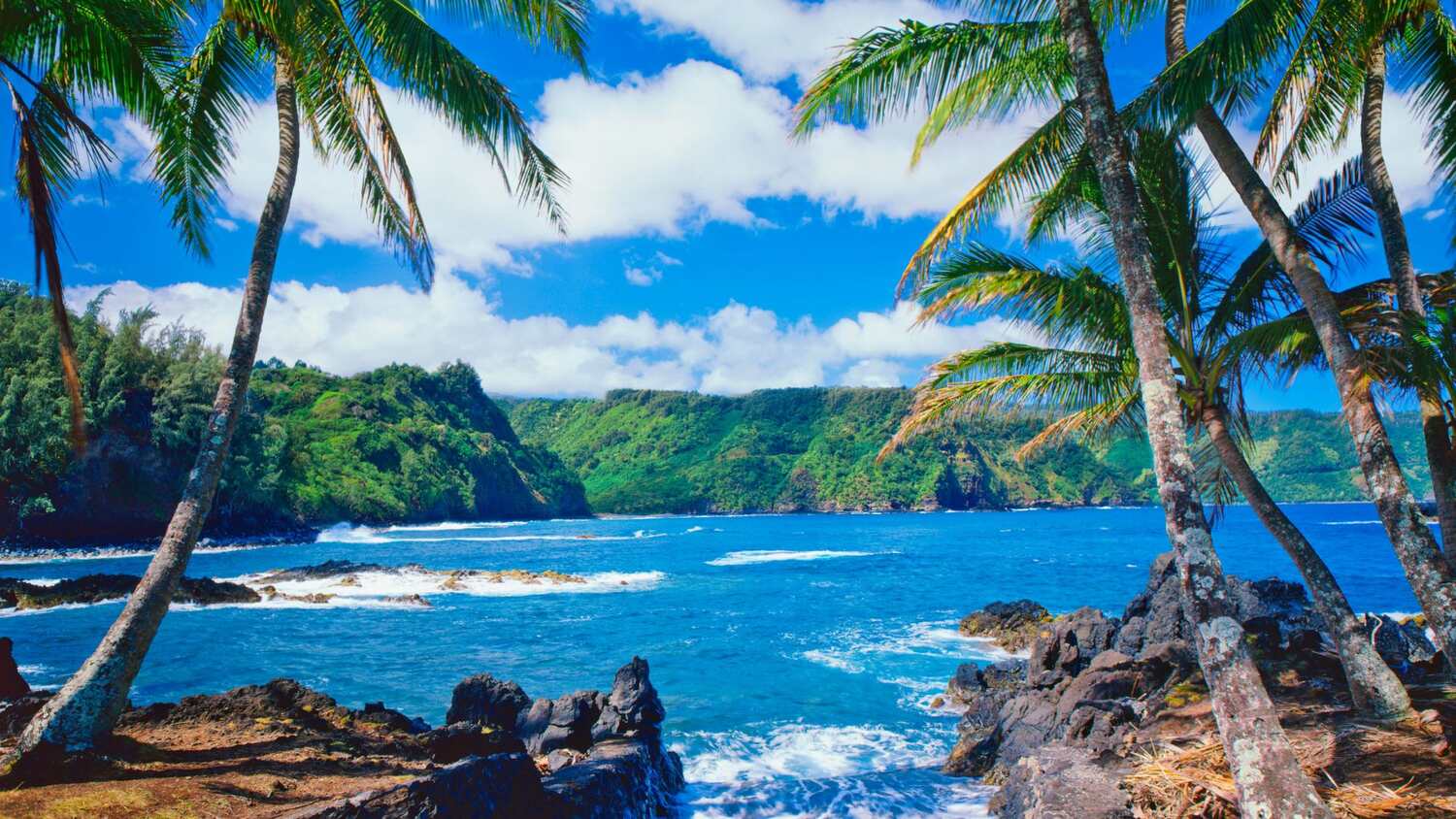
Embracing the Aloha Spirit
The Aloha Spirit is more than just a greeting; it is a law of harmony that influences how people interact with one another. On the Big Island, this often manifests as “Island Time.” This isn’t about being late; it’s about a refusal to let the clock dictate one’s stress levels.
When you are at a local market in Waimea or ordering a plate lunch in Hilo, things might move a little slower than they do in San Francisco or Tokyo. The goal for the tourist should be to match this pace. Impatience is generally frowned upon. Instead, use those extra minutes to strike up a conversation with a local or simply enjoy the scent of Plumeria in the air.
Traditional Dining Times and Luau Schedules
If you are looking to participate in a Luau, timing is very specific. Most traditional feasts, such as the Voyagers of the Pacific Luau, begin in the late afternoon. This allows guests to enjoy cultural demonstrations, such as the unearthing of the Imu (underground oven), while the sun is still up, followed by dinner and a Polynesian show as night falls.
Similarly, if you are looking for authentic local food, you must pay attention to the clock. Many famous “hole-in-the-wall” eateries on the Big Island operate on a “until we sell out” basis. If you want the best Poke or fresh Malasadas from Puna-Style bakeries, arriving early in the morning is a requirement.
Seasonal Variations and Best Times to Visit
While the time of day matters, the time of year also dictates the types of tourism activities available on the Big Island.
Whale Watching Season
If your visit falls between December and May, your “time” will likely be occupied by the majestic Humpback Whale. These giants migrate from Alaska to the warm Hawaiian waters to mate and give birth. During this window, boat tours departing from Honokohau Harbor are a top priority. The peak of this season is typically February and March, making this the best time for wildlife enthusiasts to visit the Kohala region.
The Merrie Monarch Festival and Major Events
Cultural timing is also vital. The Merrie Monarch Festival, the world’s premier Hula competition, takes place annually in Hilo beginning on Easter Sunday. During this week, time seems to stop as the entire island focuses on the preservation of Native Hawaiian culture.
Conversely, sports enthusiasts might time their trip for October to coincide with the Ironman World Championship. During this time, Kailua-Kona is bustling with athletes from around the globe, and traffic patterns change significantly. Understanding these seasonal milestones helps you decide whether you want to be part of the crowd or seek the solitude of the Hamakua Coast during the off-peak months.
Essential Tips for Synchronizing Your Trip
To make the most of your time on the Big Island, a few practical strategies can help you avoid “wasting” hours and instead maximize your experiences.
Managing Jet Lag
Most travelers arriving from the East Coast or Europe will face a significant time jump. The best way to manage this is to lean into the early wake-up calls. Use your first few days of being wide awake at 4:00 AM to see the sunrise at Punaluu Black Sand Beach or to beat the line at Akaka Falls State Park. By the time you naturally adjust to the local time, you will have checked off some of the most popular landmarks without the midday heat or crowds.
Inter-Island Travel Timing
Many tourists combine a trip to the Big Island with visits to Oahu or Maui. When booking flights on Hawaiian Airlines or Southwest Airlines, keep in mind that the “Big Island” is massive compared to the other islands.
If you fly into Ellison Onizuka Kona International Airport but want to visit Hawaii Volcanoes National Park, you are looking at a two-to-three-hour drive. Many travelers make the mistake of underestimating the time it takes to travel between the “Kona side” and the “Hilo side.” To save time, consider an “open-jaw” flight itinerary where you arrive in one city and depart from the other.

The Best Time for Activities
- Snorkeling: Morning is best, as the winds are calmer and the water is clearer at spots like Kealakekua Bay.
- Manta Ray Night Dives: These uniquely scheduled tours happen after dark, usually departing Kailua-Kona around 5:30 PM or 6:00 PM.
- Farmers Markets: The Hilo Farmers Market is most vibrant on Wednesdays and Saturdays; arriving before 10:00 AM ensures the best selection of Apple Bananas and Rambutan.
- Historical Sites: Visit Puuhonua o Honaunau National Historical Park in the late afternoon to see the Ki’i statues silhouetted against the setting sun.
In conclusion, knowing “what time” it is on the Big Island is about more than just checking your watch. It is about understanding the Hawaii-Aleutian Standard Time, respecting the lack of Daylight Saving Time, and most importantly, yielding to the natural and cultural rhythms of the land. Whether you are chasing the first light on a volcanic crater or watching the last sliver of sun vanish into the Pacific Ocean, time on the Big Island is a gift that should be spent slowly and with intention.
LifeOutOfTheBox is a participant in the Amazon Services LLC Associates Program, an affiliate advertising program designed to provide a means for sites to earn advertising fees by advertising and linking to Amazon.com. Amazon, the Amazon logo, AmazonSupply, and the AmazonSupply logo are trademarks of Amazon.com, Inc. or its affiliates. As an Amazon Associate we earn affiliate commissions from qualifying purchases.