
When planning a journey to the heart of the Pacific, the question “what time in Honolulu Hawaii?” transcends a simple glance at a clock. It is the beginning of an immersion into a unique chronological ecosystem. Honolulu, the vibrant capital of Hawaii, operates on its own rhythm, dictated by its geographic isolation and a cultural philosophy that prizes presence over punctuality. Understanding the time in this tropical metropolis is essential for navigating everything from sunrise hikes to the intricacies of local dining etiquette.
The Mechanics of Hawaii-Aleutian Standard Time
The most critical technical detail for any visitor to the United States’ southernmost state is that Hawaii observes Hawaii-Aleutian Standard Time (HST). This time zone is ten hours behind Coordinated Universal Time (UTC-10). However, the most distinguishing factor of the Hawaiian clock is its refusal to participate in the seasonal shifts seen elsewhere.
The Absence of Daylight Saving Time
Unlike the majority of North America, Hawaii does not observe Daylight Saving Time. This decision is rooted in the state’s proximity to the equator. In tropical latitudes, the length of the day does not vary drastically enough between summer and winter to justify the manual shifting of clocks. For the tourist, this means that the time difference between Honolulu and the mainland changes depending on the season. During the summer, Honolulu is six hours behind the Eastern Time Zone; in the winter, that gap narrows to five hours. This stability is a hallmark of the island experience, providing a consistent anchor for those traveling across the Oahu landscape.
Synchronizing with the Mainland
For business travelers or those trying to call home, the time in Honolulu can create a logistical challenge. When the sun is high over Waikiki, much of the world is already winding down for the evening. Successful tourism in Hawaii often requires an “early to bed, early to rise” mentality to maximize the daylight hours and ensure that communication with other time zones occurs during a reasonable window.
Island Time: The Cultural Pulse of Honolulu
To truly understand what time it is in Honolulu, one must understand the concept of “Island Time.” This is not a lack of respect for schedules, but rather a cultural prioritization of the moment. In the spirit of Aloha, interactions are rarely rushed. Whether you are ordering a bowl of poke or waiting for a tour at Iolani Palace, there is an unspoken agreement that the quality of the experience outweighs the strict adherence to the minute hand.
Embracing the Slower Pace
In the bustling district of Waikiki, the pace may seem fast-paced due to the influx of global visitors, but move just a few blocks toward Kapiolani Park, and you will feel the deceleration. This slower pace is a vital part of the local culture. It encourages visitors to breathe, observe the ocean, and engage in meaningful conversations with residents. When you ask what time it is, a local might point to the position of the sun rather than their watch. This connection to the environment is a central pillar of Hawaiian life.
The Morning Culture
Because of the early sunset and the desire to beat the midday heat, Honolulu is a city that thrives in the morning. You will find that the KCC Farmers Market is in full swing while most mainlanders are still reaching for their first coffee. Embracing the early morning hours allows tourists to witness the city at its most authentic—before the heat of the sun and the density of the crowds take hold.
A Day in the Life: Maximizing Daylight in the Pacific
A well-planned itinerary in Honolulu follows the trajectory of the sun. Because the islands are relatively close to the equator, the transition from day to night happens quickly, with a shorter twilight period than one might expect in more northern latitudes.
Sunrise and Early Morning Adventures
To experience the best of Oahu, your day should begin before 6:00 AM. This is the optimal time to begin a trek up the Diamond Head State Monument. Not only do you avoid the sweltering heat of the afternoon, but the view of the sun rising over the Pacific and illuminating the Waikiki skyline is a quintessential Hawaiian experience. Similarly, those looking to visit the Pearl Harbor National Memorial often find that the earliest time slots offer the most somber and reflective atmosphere.
Midday and Afternoon Exploration
As the sun reaches its zenith, the time is right for indoor cultural activities or water-based excursions where the ocean provides a natural cooling effect. This is the perfect window to explore the Bishop Museum, where you can delve into the history of the Polynesian voyagers. If you prefer the outdoors, the Hanauma Bay Nature Preserve offers incredible snorkeling, though it is important to check the local time for reservation windows, as entry is strictly regulated to protect the ecosystem.
For those who enjoy urban history, a walk past the Hawaii State Capitol and a visit to the Honolulu Museum of Art provides a sophisticated mid-afternoon respite. By 3:00 PM, the light begins to soften, making it an excellent time to visit the Foster Botanical Garden or drive up to Tantalus Lookout for a panoramic view of the island.
Navigating the Rhythm: Traffic, Dining, and Nightlife
The time in Honolulu is also defined by the movements of its people. Like any major city, Honolulu has its own rush hour, which can significantly impact a tourist’s schedule.
The Honolulu Rush Hour
Travelers should be aware that traffic on the H-1 freeway can be intense. Morning rush hour typically peaks between 6:00 AM and 8:30 AM, while the afternoon “pau hana” (end of work) traffic begins as early as 3:30 PM and lasts until 6:30 PM. Planning your trips to the North Shore or other parts of the island outside of these windows is crucial for maintaining your sanity and maximizing your vacation time. If you are relying on TheBus, Honolulu’s award-winning public transit system, the real-time tracking apps are indispensable for coordinating your movements with the city’s pulse.
Dining and the Golden Hour
In Honolulu, the “Golden Hour” is more than just a photography term; it is a social event. Around 5:00 PM, the bars and restaurants along Kalakaua Avenue begin to fill for happy hour. Watching the sunset from Ala Moana Beach Park is a local tradition. Dinner reservations at popular spots in the International Market Place or the Royal Hawaiian Center usually peak between 6:30 PM and 8:00 PM. Unlike the “city that never sleeps,” many of Honolulu’s kitchens close by 9:30 PM or 10:00 PM, reflecting the early-start culture of the islands.
Seasonal Shifts and Celestial Events
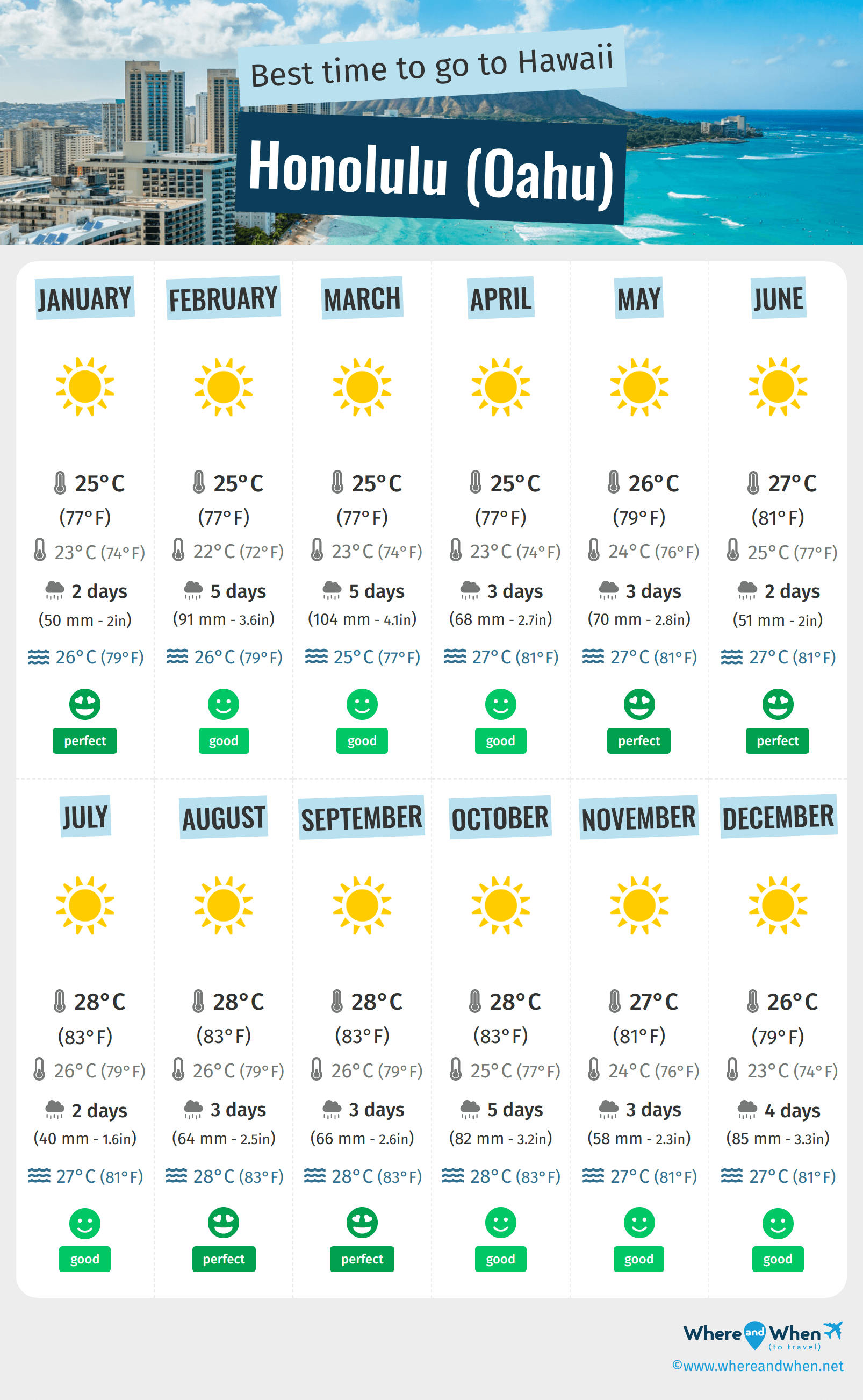
While the clock remains the same, the experience of time in Honolulu does shift with the seasons. The winter months (December through February) bring shorter days and the possibility of “Kona storms,” while the summer months offer long, balmy evenings that stretch toward 8:00 PM.
Festivals and the Lunar Calendar
The time in Honolulu is also punctuated by cultural festivals that follow various calendars. The Aloha Festivals in September celebrate Hawaiian culture with parades and block parties that transform the city’s schedule. During the Chinese New Year, the streets of Chinatown come alive with a different sense of urgency and celebration. Even the stars play a role; many traditional Hawaiian practices, such as fishing and planting, are still guided by the moon phases, a practice that connects modern Honolulu to its ancient roots.

Practical Time-Saving Tips
To make the most of your time, always check the operating hours for landmarks like the Aloha Tower or the Punchbowl Crater (National Memorial Cemetery of the Pacific), as they often have strict closing times that coincide with sunset. If you are heading into the rainforest, such as the trail to Manoa Falls, ensure you allow enough time to return before dusk, as the canopy makes the trails go dark much faster than the open beaches.
Ultimately, the time in Honolulu is what you make of it. Whether you are standing before the Duke Kahanamoku Statue at the break of dawn or enjoying a late-night stroll through the lighted paths of Waikiki, the city offers a unique blend of modern efficiency and ancient stillness. By aligning yourself with the local rhythm and respecting the “Island Time” philosophy, you ensure that your stay in Hawaii is not just a trip, but a transformation of how you perceive the passing of the hours.
LifeOutOfTheBox is a participant in the Amazon Services LLC Associates Program, an affiliate advertising program designed to provide a means for sites to earn advertising fees by advertising and linking to Amazon.com. Amazon, the Amazon logo, AmazonSupply, and the AmazonSupply logo are trademarks of Amazon.com, Inc. or its affiliates. As an Amazon Associate we earn affiliate commissions from qualifying purchases.